

 プレビュー
プレビュー
 シェアする
シェアする シェアする
シェアする
 詳細を見る
詳細を見る

 ダウンロード
 似ている作品
 X線調査
X線調査 スライドショー
 Stats
StatsSt Gregory


 詳細を見る
詳細を見る
手描き油彩複製画
当社のアーティストが、お客様のご希望のサイズと額縁に合わせて、キャンバスに手描きで制作する油彩画です。 ( Switch to Print Switch to Digital Image)




P118B $10

P118H $10

P118W $10

P438Z $10

P508JH $12

P508YH $12

P805H $10

P805Z $10

P919BZ $10

P919G $10

P919XJ $10

P959ZH $10

P968JZ $12

W106C $8

W218G $10

W218JH $8

W218Y $10

W307PJ $10

W316G $10

W316PJ $8

W316Y $10

W398PJ $8

W4111J $10

W500HY $15

W500JH $15

W692G $12

W849H $8

W940BG $15

W953PJ $8




作品のオリジナル比率に合わせた、当店の規定サイズからお選びください。

特定のフレームやスペースに合わせて、ご希望のサイズをご入力いただけます。選択されたサイズが元の画像の比率と異なる場合、アートワークをトリミングするか、手描きで要素を追加して絵画を拡張いたします。デジタルモックアップ を制作し、制作開始前にご確認(承認)をいただきます。
画面上のプレビューは、実際のトリミングや拡張を正確に反映しているものではありません。最終的な構図は、モックアップによってのみ正確にご確認いただけます。
カスタムサイズもご利用いただけますが、元の比率を維持するためには、あらかじめ用意されたリストからサイズを選択することをお勧めいたします。
ご注文後、ArtsDot.com チームより詳細な指示をお送りするとともに、仕上がりイメージ(モックアップ)をご提供いたします。


 ガラスオプションは、110cm未満のサイズでのみご利用いただけます。

St Gregory
複製技法
複製画のサイズ
-


合計金額
$ 263
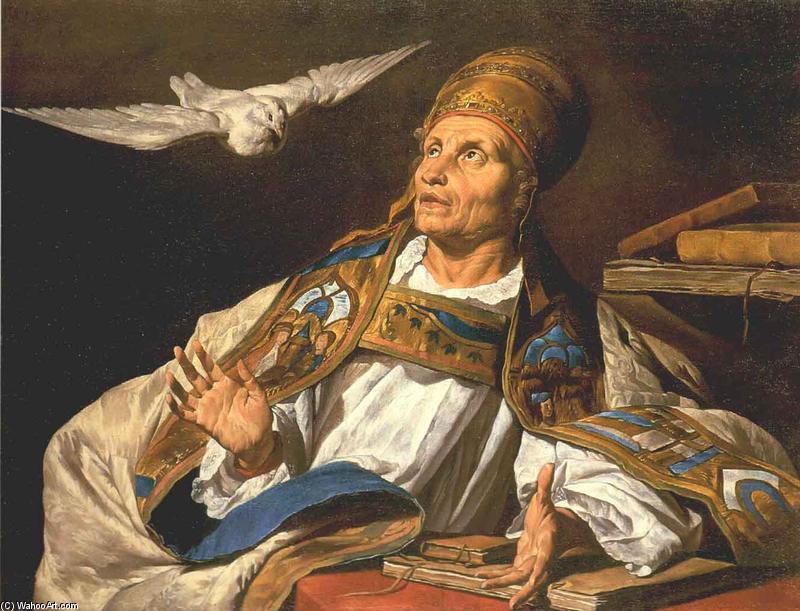
The Enigmatic Saint Gregory by Matthias Stom
Matthias Stom’s “St. Gregory,” housed within the Kunstmuseum Basel, isn't merely a depiction of a revered figure; it’s a carefully constructed meditation on faith, doubt, and the profound mystery at the heart of Christian belief. Painted circa 1640-1649 during his time in Italy – a period marked by intense artistic exchange between the Netherlands and the Italian Baroque – this oil on canvas work transcends simple portraiture to become a powerful visual narrative. Stom, a shadowy figure within the Utrecht Caravaggist movement, masterfully employs the dramatic chiaroscuro characteristic of both Caravaggio and Ribera, bathing the scene in pools of light that sculpt Gregory’s form and draw the viewer's eye towards his contemplative gaze.
The subject itself – Pope St. Gregory I, often referred to as “the Great” – is rendered with a remarkable degree of realism, yet imbued with an almost ethereal quality. He isn’t presented in triumphant splendor, but rather in a moment of quiet introspection, gazing upwards towards a soaring bird—a potent symbol of divine grace and the promise of salvation. The composition is deliberately restrained, focusing entirely on Gregory's face and hands as he reaches out to touch the wound inflicted upon Christ during his Passion. This gesture isn’t one of physical reverence, but rather an act of profound understanding – a recognition of the sacrifice made for humanity.
A Caravaggist Masterpiece: Technique and Style
Stom's artistic lineage is deeply rooted in the Italian Caravaggisti, those Northern European painters who were captivated by the intensity and dramatic lighting of Caravaggio’s style. Like his predecessors, Stom prioritized a direct, unidealized representation of the human form, emphasizing texture and anatomical detail. Note the rough handling of the fabrics, the subtle variations in skin tone, and the expressive quality of Gregory's face – all hallmarks of the Utrecht Caravaggist tradition. The use of tenebrism—the stark contrast between light and dark—creates a sense of drama and immediacy, pulling the viewer into the scene and intensifying the emotional impact.
Furthermore, Stom’s background in Amersfoort, a city with strong ties to the Flemish artistic tradition, is evident in his meticulous attention to detail and his masterful rendering of textures. The dark, almost claustrophobic background—a deliberate choice that isolates Gregory—heightens the sense of intimacy and encourages contemplation. The inclusion of the books on the shelf subtly reinforces the theme of learning and spiritual inquiry, suggesting that faith isn’t simply a matter of belief but also of diligent study and reflection.
Historical Context and Symbolism
To fully appreciate “St. Gregory,” it's crucial to understand its historical context. The 17th century was a period of intense religious fervor in Europe, marked by both the Counter-Reformation and the rise of Protestantism. The Catholic Church actively sought to utilize art as a tool for evangelization, commissioning works that would inspire piety and reinforce orthodox doctrine. Stom’s painting reflects this trend, presenting Gregory not as an abstract theological figure but as a relatable human being grappling with profound spiritual questions.
Beyond the immediate depiction of St. Gregory, the image is rich in symbolism. The bird represents divine guidance and the hope of eternal life. The wound on Christ’s side symbolizes sacrifice and redemption. And the act of touching it signifies a personal encounter with faith—a recognition that salvation isn't simply received but actively embraced. The inclusion of the books suggests the importance of intellectual understanding alongside spiritual devotion.
A Timeless Reflection: Emotional Impact
“St. Gregory” is more than just a beautiful painting; it’s a deeply moving work of art that continues to resonate with viewers centuries after its creation. The artist's masterful use of light and shadow, combined with the subject’s profound expression of faith and doubt, creates an atmosphere of quiet contemplation. The image invites us to consider our own relationship with spirituality—to grapple with the mysteries of life and death, and to seek guidance in the face of uncertainty.
Reproductions of this piece offer a remarkable opportunity to bring Stom’s evocative vision into any space, serving as a constant reminder of the enduring power of faith, reflection, and artistic mastery. Its dramatic intensity and symbolic depth make it an ideal addition to both private collections and institutional settings alike.
関連作品



アーティストの略歴
バロックの影の巨匠:マティアス・ストムの解明
17世紀の絵画史において、マティアス・ストム、あるいは時にストーマーとして知られるその名は、魅惑的な謎を秘めて響き渡ります。その生涯は依然として曖昧な霧に包まれていますが、このオランダ人画家は故郷ではなく、イタリアの活気あふれる芸術的風景の中に、独自の地位を築き上げました。1600年頃、おそらくユトレヒト近郊のアメルスフォールトに生まれた彼は、光と影の劇的な用法、そして妥協のないリアリズムを特徴とするカラヴァジョ派(カラヴァジズム)の潮流の中で、抗いがたい存在感を放つ人物として現れました。決定的な伝記的詳細は乏しいものの、断片的な記録と様式分析を繋ぎ合わせることで、芸術的な探求と、当時主流であったバロック的感性への深い関わりによって刻まれた、彼の旅路が浮かび上がってきます。その出自を巡る不確かさ――一部の学者はフランドルにルーツを持つ可能性さえ示唆しています――が、彼の作品群を取り巻く神秘的な魅力をより一層深めているのです。ユトレヒトの影響からイタリアへの没入へ ストムの初期の修行については、大部分が推測の域を出ませんが、ヘンドリック・テル・ブリュッヘンやパウルス・モレルセ、アブラハム・ブロエマールといった、ユトレヒト派カラヴァジョ派の著名な画家たちから影響を吸収したことは広く信じられています。これらの画家たちはミケランジェロ・メリージ・ダ・カラヴァッジョの革命的な様式を受け入れ、明暗の強烈なコントラストであるテネブリズムと、感情に満ちたリアリズムをオランダ絵画にもたらしました。しかし、ストムの芸術的軌跡は、風俗画や寓意的な構図を好んだ同時代の多くの画家たちとは異なる方向へと向かいました。彼は聖書の物語へと惹きつけられ、そこに心理的な深みと劇的な強烈さを吹き込むことで、自身を際立たせたのです。1630年頃、彼はローマに到着し、フランス人画家ニコラ・プロヴォと共同生活を送っていたことが記録されています。これは彼の発展における決定的な瞬間であり、カラヴァッジョのインスピレーションの源泉に直接触れる機会を与え、イタリア・バロックの中心地においてその技法を洗練させることを可能にしました。ローマ時代の初期作品は、現在キウドゥーノに収蔵されている「聖母被昇天」の祭壇画において結実しており、そこには彼の胎動するキアロスクーロ(明暗法)の習熟と、物語を伝える力が示されています。
ナポリ、シチリア、そして独自の芸術的声
ストムの芸術的人生の次なる章は、イタリア半島全域に広がっていきました。1635年から1640年頃にかけて、彼は芸術的なエネルギーに満ち、スペイン人画家ジュセペ・デ・リベラの強い影響下にあったナポリに居住していました。この経験は彼の劇的な様式をさらに研ぎ澄ませ、作品にさらなるリアリズムと感情的な激しさを加えました。この時期、ストムはカプチン会の教会のために作品を描き始め、熟練した宗教画家の名声を確固たるものにしました。1640年頃、彼はシチリアへと移り、そこで自身のキャリアの最も重要な期間を過ごすことになります。ここでの彼は、カッカモ、メッシーナ、モンレアーレの教会からの依頼を受け、その中でも最も称賛される作品の数々を生み出しました。労働者聖イシドロの奇跡(1641年)は、彼が確実に日付を特定できる唯一の絵画であり、宗教的出来事における精神的な熱狂と人間ドラマの両方を捉える彼の能力の証となっています。その他の注目すべきシチリアの創作物には、モンレアーレの「聖ドミニクス」や、悲劇的にも1908年のメッシーナ地震で失われた「聖チェチリアの殉教」があります。ストム特有の、まるで粘土のような質感を持つ肌の表現は、巧みな光と影の操作と相まって、彼の様式の代名詞となりました。再発見と不朽の遺産
生涯を通じて多作であったにもかかわらず、マティアス・ストムは、1652年以降のどこか(おそらく北イタリア)で没した後、数世紀にわたって相対的な忘却の中に沈んでいました。彼の作品の多くは、他の画家、特にヘンドリック・ファン・ホントホルストのものとして誤って帰せられ、バロック運動に対する彼個人の貢献を覆い隠してしまいました。20世紀初頭になってようやく、熱心な研究によってストムを取り巻く謎が解明され始め、彼がユトレクト派カラヴァジョ派における重要な人物であることが確立されました。その再発見は、劇的な構図を通じて深い感情的奥行きを伝えることができる、驚くべき技術と感性を備えた芸術家の姿を明らかにしました。ストムの遺産は、イタリア・バロックの影響と北欧ヨーロッパの感性を統合させた能力にあります。それは、今日でも見る者を魅了し続ける独自の芸術的な声を創り出したのです。彼はカラヴァッジョ様式の強力な適応力を証明し、その響きがイタリアの枠を超えて広がっていることを示し、光と影の巧みな使用と宗教的主題の写実的な描写によって、後世の芸術家たちにインスピレーションを与え続けています。ストムの作品における主要な特徴
- 劇的なキアロスクーロ:彼の様式の象徴であり、明暗の強いコントラストを用いることで、ドラマチックな感覚を生み出し、観る者の注意を集中させます。
- 写実的な描写:解剖学的な正確さと感情的な誠実さをもって、人物や場面を描き出すことへの妥協のない献身。
- 聖書の物語:主に宗教的な主題、特に心理的深みを湛えた聖書のエピソードに焦点を当てています。
- 「粘土のような」肌の質感:温かみのある土のようなパレットを用いて肌の色を表現する、独特な技法。
- カラヴァッジョとリベラの影響:これらバロックの巨匠たちの様式に対する、明確な理解と適応を示しています。
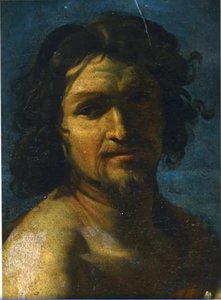
マティアス・ストム
1590 - 1670 , オランダ
基本情報
- Artistic Movement Or Style: ユトレヒト・カラヴァジョ様式
- Artists Or Movements Influenced By This Artist: ['後世のバロック期の芸術家']
- Artists Who Influenced This Artist:
- カラヴァッジョ
- フセペ・デ・リベラ
- Date Of Birth: 1600年頃
- Date Of Death: 1652年以降
- Full Name: マティアス・ストム
- Nationality: オランダ
- Notable Artworks:
- 聖母被昇天
- 聖イシドロの奇跡
- 聖ドミニクス
- ソロモンの裁判
- Place Of Birth: オランダ、アメルスフォールト
関連記事

バロック美術を極めた至宝:時代を彩る10大名作の世界
バロック美術の華!カラヴァッジョ、ベルニーニら巨匠が創り上げた10大名作を徹底解剖。ドラマチックな色彩と豪華絢爛の世界観に触れ、至宝のアートプリントで空間を彩ろう。ArtsDot.comで美術館品質の複製と洗練されたインテリアを見つけましょう!

The Enduring Power of Painting: A Historical & Contemporary Exploration of Form and Emotion
Explore the rich history & enduring techniques of oil painting with ArtsDot. Discover masterpieces, learn about art collecting, and find authentic handmade reproductions crafted by skilled artists.

バロックのドラマ:現代のインテリアに壮麗さと情感を取り込む
バロック様式の歴史、絵画、家具の魅力をご紹介。ArtsDotでは、高品質な油絵複製やカスタムポートレートをご提供し、現代のインテリアに壮麗さと情感を取り入れます。アートコンサルテーションも承ります。

The Dramatic Flourish: Exploring the Baroque Movement's Enduring Legacy in Art History
Explore the dramatic world of Baroque art! Discover iconic artists like Caravaggio & Rubens, defining techniques, and its lasting impact on art history. Expert insights for collectors & enthusiasts at ArtsDot.
Discover the Divine: Inspiring Saint Anthony Artworks to Elevate Your Home Decor
Transform your home with the profound beauty of Saint Anthony artworks. Explore exquisite Baroque reproductions by Murillo and Zurbarán, hand-painted on 100% cotton canvas to bring divine serenity and timeless elegance to your interior design.