

 プレビュー
プレビュー
 プリントを購入
 シェアする
シェアする シェアする
シェアする
 詳細を見る
詳細を見る

 ダウンロード
 似ている作品
 X線調査
X線調査 スライドショー
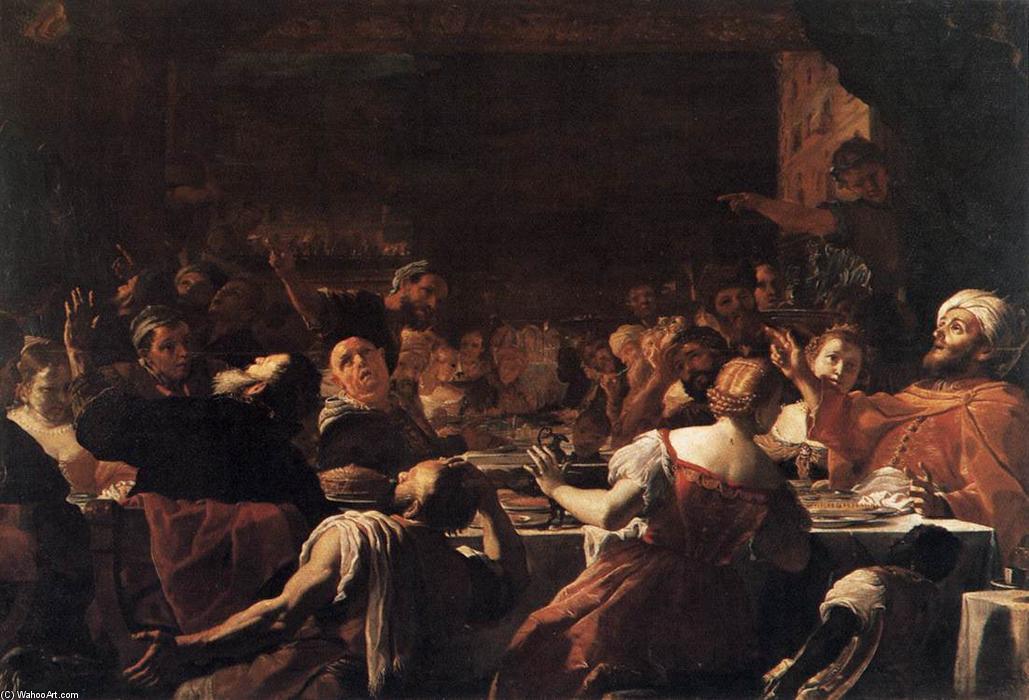
Absalom's Feast
 Oil On Canvas
- WallArt
- Baroque
 1653
1653 202.0 x 297.0 cm
 カポディモンテ美術館
 詳細を見る
詳細を見る




P118B $10

P118H $10

P118W $10

P438Z $10

P508JH $12

P508YH $12

P805H $10

P805Z $10

P919BZ $10

P919G $10

P919XJ $10

P959ZH $10

P968JZ $12

W106C $8

W218G $10

W218JH $8

W218Y $10

W307PJ $10

W316G $10

W316PJ $8

W316Y $10

W398PJ $8

W4111J $10

W500HY $15

W500JH $15

W692G $12

W849H $8

W940BG $15

W953PJ $8




作品のオリジナル比率に合わせた、当店の規定サイズからお選びください。

特定のフレームやスペースに合わせて、ご希望のサイズをご入力いただけます。選択されたサイズが元の画像の比率と異なる場合、アートワークをトリミングするか、手描きで要素を追加して絵画を拡張いたします。デジタルモックアップ を制作し、制作開始前にご確認(承認)をいただきます。
画面上のプレビューは、実際のトリミングや拡張を正確に反映しているものではありません。最終的な構図は、モックアップによってのみ正確にご確認いただけます。
カスタムサイズもご利用いただけますが、元の比率を維持するためには、あらかじめ用意されたリストからサイズを選択することをお勧めいたします。
ご注文後、ArtsDot.com チームより詳細な指示をお送りするとともに、仕上がりイメージ(モックアップ)をご提供いたします。


 ガラスオプションは、110cm未満のサイズでのみご利用いただけます。

Absalom's Feast
複製技法
複製画のサイズ
-


合計金額
$ 263
作品解説
The Genesis of a Dramatic Scene
Mattia Preti's "Absalom’s Feast," completed in 1653, isn’t merely a painting; it’s a meticulously constructed tableau of betrayal and despair, born from the heart of the Italian Baroque. This monumental oil on canvas, measuring an impressive 202 x 297 cm and currently residing within the Museo Nazionale di Capodimonte in Naples, immediately commands attention with its dramatic composition and intensely emotive palette. Preti, a Calabrian Knight known as “Il Cavalier Calabrese,” masterfully synthesizes influences from Caravaggio’s stark realism, the vibrant colorism of Venetian masters like Titian and Veronese, and the dynamic energy of Emilian artists like Guercino and Lanfranco – creating a uniquely powerful visual narrative. The painting's origins lie in a commission for the Palazzo Doria-Pamphili in Rome, reflecting the prevailing trends of neo-Venetianism that were shaping artistic sensibilities at the time.
A Symphony of Darkness and Light
The scene unfolds within a lavishly rendered architectural setting – a grand hall overflowing with opulent details, hinting at the extravagance of King Baldassarre’s ill-fated banquet. Preti employs his signature technique of dramatic chiaroscuro, utilizing pools of deep shadow to heighten the sense of tension and mystery, while strategically placed splashes of red draw the eye to key elements: the fallen head of Absalom resting on a table, a sword held aloft by a figure caught in the act of betrayal, and the ominous inscription scrawled across the wall. This masterful manipulation of light isn’t simply decorative; it serves to amplify the emotional weight of the scene, conveying a sense of impending doom and irreversible tragedy. The brushwork itself is remarkably energetic, reflecting Preti's commitment to capturing movement and dynamism – a hallmark of Baroque art.
Symbolism Woven into the Narrative
Beyond its immediate visual impact, "Absalom’s Feast" is rich in symbolic meaning. The story depicted—the downfall of King Baldassarre due to his own hubris and the judgment of God—resonates with themes of power, corruption, and divine retribution. Absalom's posture – head resting on a table, suggesting defeat and vulnerability – speaks volumes about the consequences of transgression. The figures surrounding him are not merely observers; they represent the various facets of betrayal: shock, anger, complicity, and despair. Even the architectural details—the grand hall, the overflowing tables—contribute to the overall sense of excess and impending collapse. Preti’s ability to imbue a historical narrative with such potent symbolism elevates the painting beyond a simple depiction of an event; it becomes a meditation on human nature and the inescapable consequences of our actions.
A Legacy of Baroque Drama
Mattia Preti's "Absalom’s Feast" stands as a testament to his artistic genius and a prime example of the dramatic intensity that characterized the Italian Baroque. His work, particularly during his time in Malta, significantly influenced subsequent generations of artists. The painting’s enduring appeal lies not only in its technical brilliance but also in its ability to evoke a profound emotional response from viewers. Reproductions of this powerful masterpiece offer a captivating glimpse into a pivotal moment in art history—a scene brimming with intrigue, betrayal, and the inescapable weight of fate. Further research can be found at https://ArtsDot.com and https://ArtsDot.com, as well as on Wikipedia.
関連作品

アーティストの略歴
バロックのカラブリア騎士
「イル・カヴァリエール・カラブレーゼ(カラブリアの騎士)」の名で知られるマッティア・Pretiは、17世紀イタリア・バロック絵画における極めて重要な人物です。1613年2月24日、カラブリア州タヴェルナに生まれた彼の芸術的な旅路は、ダイナックな進化の過程そのものでした。多様な影響を吸収しながら、独自の表現力豊かなスタイルを確立させた彼は、美術界に消えることのない足跡を残しました。特に、晩年の多くを過ごすことになるマルタにおいて、その存在感は際立っています。Pretiの初期の修行は、カラヴァッジョ派の流れを汲む画家ジョヴァンニ・バッティスタ・カラッチョロの下で始まりました。この基礎的な経験により、彼はドラマチックな「キアロスクーロ(明暗法)」――光と影の強烈な相互作用――への深い理解と、生涯を通じて彼の作品の代名詞となる写実的な描写への献身を身につけたのです。1630年以前、彼は兄グレゴリオと共にローマへと向かい、カラヴァッジョ、グエルチーノ、ルーベンス、グイド・レニ、ジョヴァンニ・ランフランコといった、その時代を定義した巨匠たちの研鑽に身を投じました。この時期は、彼の技術的なスキルだけでなく、美的な感性を形作る上で決定的な意味を持つものでした。ダイナミックな様式の構築
Pretiの芸術的発展は、単なる模倣ではありませんでした。それは様々な影響を巧みに織り交ぜ、彼独自のスタイルへと昇華させた「統合」のプロセスでした。当初はカラヴァッジョ派の色彩が濃かったものの、彼は次第にその厳格な枠組みを超え、盛期バロックを特徴づけるダイナミズムと感情的な強烈さを取り入れていきました。ナポリでの滞在は、この進化をさらに洗練させるものとなりました。そこでルカ・ジョルダーノの躍動感あふれる作品に触れたことで、Pretiのキャンバスは力強い動き、複雑な構図、そして高まったドラマ性によって満たされていったのです。彼はカラヴァッジョから受け継いだ光と影の劇的なコントラストを、単なる技術的な手法としてではなく、感情的なインパクトを強め、観る者の視線を導くための手段として見事に操りました。彼の描く人物像には、表情豊かな顔立ちやダイナミックな身振りを通じて、手に取るような感情が吹き込まれています。信心、苦悩、恍惚といった力強い感情を呼び起こすこの能力こそが、彼の作品の決定的な特徴となりました。彼は単に場面を描写することに満足せず、聖書の物語や宗教的な図像に命を吹き込み、それらを「躍動」させることを追求したのです。イタリア各地での依頼と傑作
マッティア・Pretiの才能は瞬く間に認められ、イタリア全土で重要な依頼が相次ぎました。キャリアの初期には、サンタンドレア・デッラ・ヴァッレやサン・カルロ・アイ・カティナーリといったローマの教会において、見事なフレスコ画のサイクルを制作し、大規模な装飾画への適性を示しました。また、モデナのサン・ビアージョ教会での仕事は、異なる建築的環境に合わせて自身のスタイルを適応させる彼の能力を証明しました。しかし、最も野心的であった(そして悲劇的なことに失われてしまった)作品の中には、ナポリの7つの城門に描かれたフレスコ画があります。そこでは、人々を疫病から救い出す聖母や聖人たちが描かれていました。今日ではスケッチしか残っていませんが、それらは当時の記念碑的な創作がいかに壮大で、影響力を持っていたかを物語っています。これらの依頼は、単にパトロンの要望に応えるためのものではなく、Pretiが仕えた共同体の宗教的・文化的生活に関わり、自らの芸術に意味と目的を吹き込む貴重な機会でもあったのです。 <承継される遺産 しかし、マッティア・Pretiが芸術的達成の頂点に達したのは、マルタにおいてでした。1660年に聖ヨハネ騎士団の騎士に任命された彼は、変革的なプロジェクトに着手します。それは、ヴァレッタにある聖ヨハネ共同大聖堂の内部を完全に再装飾するという壮大な試みでした。この事業は、間違いなく彼の最も重要な遺産であり、洗礼者聖ヨハネの生涯と殉教を描いた驚くべき一連の絵画群を含んでいました。そのプロジェクトの規模は息をのむほどであり、Pretiは観る者を包み込み、聖人の物語へと没入させる視覚的な物語を作り上げたのです。豪華絢爛なバロック様式の舞台は、彼のドラマチックなスタイルにとって完璧なキャンバスとなり、完成した芸術作品は、彼をヨーロッパ屈指の画家としての地位に不動のものとしました。聖ヨハネ大聖堂における彼の仕事は、単なる装飾ではありませんでした。それは信仰の証であり、献身的な行為であり、騎士団の宗教的アイデンティティを力強く表現するものでした。永遠なるレガシー
マルタでの成功の後も、Pretiはヨーロッパ各地から依頼を受け続け、イタリア・バロック美術の主導的な人物としての地位を固めました。1699年に没した後も、彼が残した豊かな芸術的遺産は、今日に至るまで人々を魅了し続けています。光と影の見事な操り、ダイナミックな構図、そして強烈な感情を伝える能力は、今なお彼の様式の象徴です。彼の貢献はナポリのカポディモンテ美術館などの博物館に保存されており、またArtsDot.comのようなプラットフォームを通じて複製が提供されることで、その芸術は新しい世代へと受け継がれています。Pretiの作品が持つ永続的な影響は、おそらく聖ヨハネ共同大聖堂の壁の中で最も鮮明に感じられることでしょう。そこには、彼の芸術的天才とバロック美学への揺るぎない献身が、息をのむような証として刻まれています。「イル・カヴァリエール・カラブレーゼ」という称号は、単なる騎士としてだけでなく、自らのビジョンによって世界を照らした巨匠として、真にふさわしいものでした。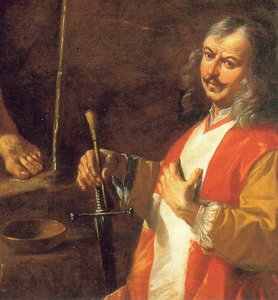
マッティア・プレティ
1613 - 1699 , イタリア
基本情報
- Artistic Movement Or Style: バロック
- Artists Or Movements Influenced By This Artist:
- Stringa
- Mola
- Artists Who Influenced This Artist:
- カラヴァッジョ
- グエルチーノ
- ルーベンス
- レニ
- ランフランコ
- ジョルディーノ
- Date Of Birth: 1613年2月24日
- Date Of Death: 1699年
- Full Name: マッティア・プレティ
- Nationality: イタリア
- Notable Artworks:
- 税金納め
- アブサロムの宴
- ヘロデを叱責する聖ヨハネ
- Place Of Birth: イタリア、タヴェルナ
関連記事

バロックのドラマ:現代のインテリアに壮麗さと情感を取り込む
バロック様式の歴史、絵画、家具の魅力をご紹介。ArtsDotでは、高品質な油絵複製やカスタムポートレートをご提供し、現代のインテリアに壮麗さと情感を取り入れます。アートコンサルテーションも承ります。

バロック美術を極めた至宝:時代を彩る10大名作の世界
バロック美術の華!カラヴァッジョ、ベルニーニら巨匠が創り上げた10大名作を徹底解剖。ドラマチックな色彩と豪華絢爛の世界観に触れ、至宝のアートプリントで空間を彩ろう。ArtsDot.comで美術館品質の複製と洗練されたインテリアを見つけましょう!

The Dramatic Flourish: Exploring the Baroque Movement's Enduring Legacy in Art History
Explore the dramatic world of Baroque art! Discover iconic artists like Caravaggio & Rubens, defining techniques, and its lasting impact on art history. Expert insights for collectors & enthusiasts at ArtsDot.

Simon Vouet: A Baroque Master's Journey from Italian Influence to French Classicism
Explore the life & art of Simon Vouet, a pivotal French Baroque painter who introduced Italian styles to France. Discover his masterpieces and lasting influence on 17th-century art.

The Visceral Stage: Exploring Dramatic Narratives & Emotional Intensity in Baroque Art
Explore the dramatic world of Baroque art! Discover iconic masters like Caravaggio & Rembrandt, their techniques, and the movement's lasting impact. Expert insights for collectors & enthusiasts at ArtsDot.

