

 プレビュー
プレビュー
 シェアする
シェアする シェアする
シェアする
 詳細を見る
詳細を見る

 ダウンロード
 似ている作品
 X線調査
X線調査 スライドショー
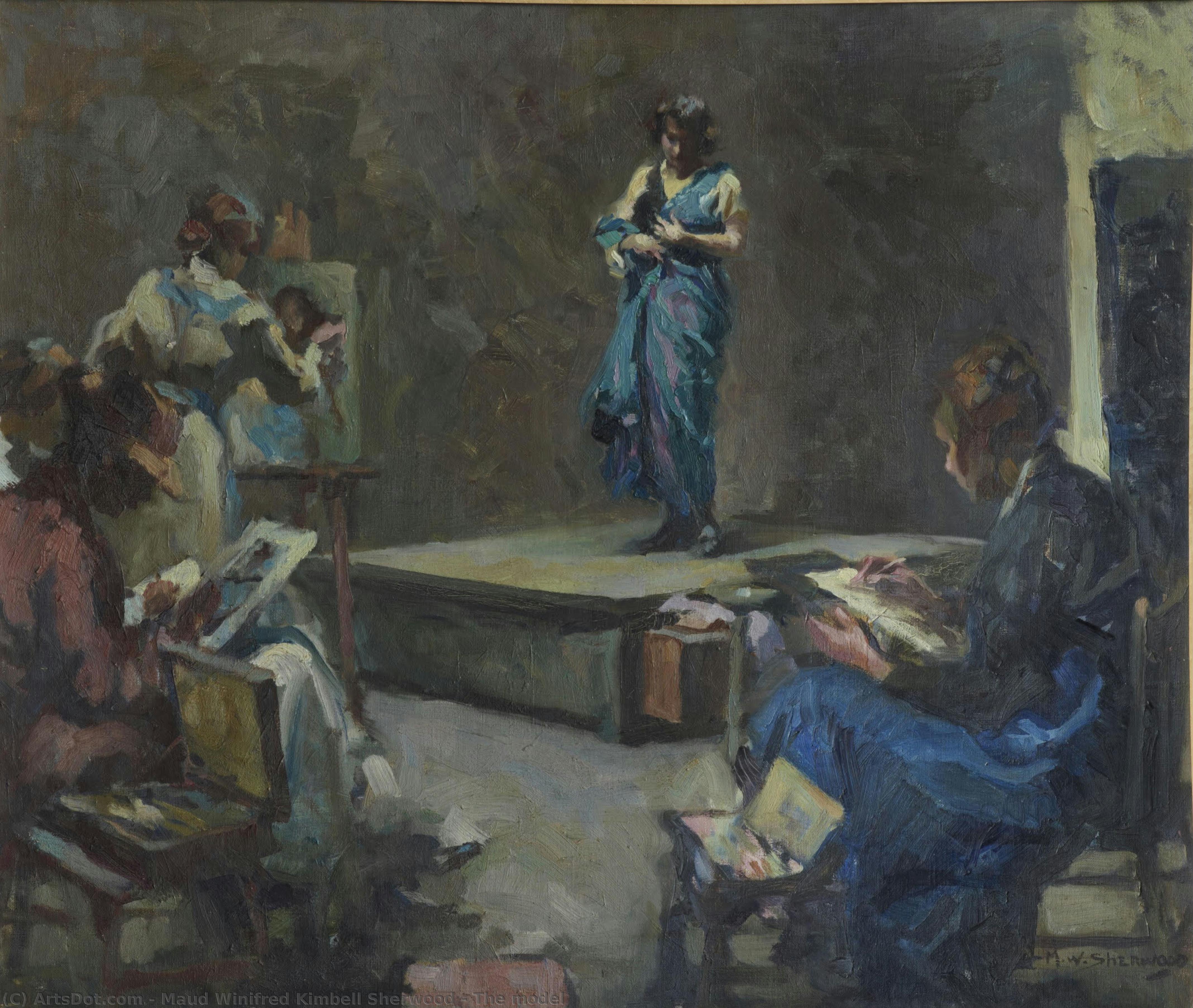
The model


 詳細を見る
詳細を見る
ジークレー/アートプリント
迅速な制作と多彩な仕上げオプションを備えた、ミュージアムクオリティのジークレーまたはキャンバスプリント。 ( 手描きの絵画を購入 画像を購入)




P118B $10

P118H $10

P118W $10

P438Z $10

P508JH $12

P508YH $12

P805H $10

P805Z $10

P919BZ $10

P919G $10

P919XJ $10

P959ZH $10

P968JZ $12

W106C $8

W218G $10

W218JH $8

W218Y $10

W307PJ $10

W316G $10

W316PJ $8

W316Y $10

W398PJ $8

W4111J $10

W500HY $15

W500JH $15

W692G $12

W849H $8

W940BG $15

W953PJ $8




作品のオリジナル比率に合わせた、当店の規定サイズからお選びください。

特定のフレームやスペースに合わせて、ご自身でサイズを指定することも可能です。選択されたサイズが元の画像の比率と一致しない場合、作品をトリミングするか、鏡面反射または単色での塗りつぶしによって画像を拡張いたします。制作を開始する前に、ご確認用のデジタルモックアップをお送りいたします。
画面上のプレビューには、実際のトリミングや拡張は反映されませんのでご注意ください。最終的な構図を正確に確認できるのは、モックアップのみとなります。
カスタムサイズも承っておりますが、元の比率を維持するためには、あらかじめ用意されたリストからサイズを選択することをお勧めいたします。


 ガラスオプションは、110cm未満のサイズでのみご利用いただけます。

The model
ジークレー/アートプリント
複製画のサイズ
-


合計金額
$ 62
作品詳細説明
A Glimpse into the Studio: Maud Sherwood’s “The Model”
Maud Winifred Kimbell Sherwood's "The Model," painted in 1919, isn’t merely a depiction of an artistic scene; it’s a carefully constructed tableau brimming with quiet observation and the nascent energy of early 20th-century art. Emerging from the vibrant milieu of New Zealand’s burgeoning Impressionist movement, Sherwood captures a fleeting moment within a dimly lit studio, a space pulsating with creative intent. The painting immediately draws the viewer in, offering an intimate glimpse into the world of female artists – a group often overlooked and underrepresented during that era.
Sherwood's style is distinctly Impressionistic, yet subtly informed by Post-Impressionist sensibilities. She eschews sharp outlines and photographic realism in favor of loose brushstrokes and a delicate layering of color. The palette is muted—a symphony of blues, browns, ochres, and subtle pinks – creating an atmosphere of subdued intimacy rather than bold statement. Notice how the light, seemingly originating from a window on the right, gently illuminates the figures, casting soft shadows that add depth and volume to the scene. The brushwork itself is remarkably expressive; visible strokes suggest movement and texture, particularly in the draped fabric of the model’s gown, hinting at the fluidity and dynamism Sherwood sought to capture.
The Model: A Study in Observation and Female Artistic Life
At the heart of the composition stands the model herself, a figure of serene grace posed on a raised platform. Her blue dress is rendered with an almost ethereal quality, its folds and drapes subtly suggesting movement and form. The other women surrounding her are engaged in various stages of artistic endeavor – sketching, applying paint to their canvases, and observing intently. Sherwood doesn’t offer dramatic poses or theatrical gestures; instead, she focuses on the quiet concentration and shared experience of these female artists. The arrangement feels deliberately balanced, creating a sense of camaraderie and intellectual exchange within the confined space.
Sherwood's choice to depict this specific scene is deeply significant. It reflects a growing interest in portraying women’s lives and experiences within the art world – a shift that was slowly gaining momentum at the time. The painting subtly challenges traditional representations of artists, often depicted as solitary geniuses working in isolation. Here, we see a group collaborating, discussing, and supporting one another—a testament to the vital role played by female artists in shaping the artistic landscape.
Symbolism and Emotional Resonance
Beyond its straightforward depiction of a life drawing session, “The Model” is rich with symbolic meaning. The studio itself represents a space of creation, experimentation, and intellectual exploration. The muted colors evoke a sense of introspection and quiet contemplation – qualities often associated with the artistic process. The model’s pose, poised yet relaxed, embodies both vulnerability and strength. It's a moment of shared observation, a silent dialogue between artist and subject.
Furthermore, the painting speaks to the broader social context of its time. Sherwood was part of a movement that sought to break down traditional gender roles and challenge societal expectations. By portraying these women as confident, engaged artists, she subtly asserted their intellectual and creative agency. “The Model” is not just a beautiful painting; it’s a poignant reminder of the often-overlooked contributions of female artists and a celebration of the power of collaboration and observation.
A Timeless Reproduction
Reproducing "The Model" with meticulous attention to detail ensures that its evocative atmosphere and nuanced symbolism are faithfully conveyed. The delicate brushwork, subtle color variations, and intimate composition all deserve to be captured in a high-quality print. Whether adorning a gallery wall or gracing the interior of a home, this artwork offers a captivating glimpse into a pivotal moment in art history—a testament to the enduring power of observation, collaboration, and creative expression.
関連作品
アーティストの略歴
A Life Painted in Light and Motion
Maud Winifred Kimbell Sherwood was far more than a mere chronicler of landscapes; she was a pioneer who bridged the artistic worlds of New Zealand, Europe, and Australia. Born in the rugged beauty of Dunedin in 1880, her early years were steeped in a cultural curiosity that would eventually lead her across oceans. Her journey into the heart of fine art began in Wellington, where the shadows of great masters first began to dance upon her canvas. Under the mentorship of luminaries such as James Nairn, Mary Tripe, and Mabel Hill, she did not merely learn technique; she absorbed a new way of seeing. When Nairn passed away in 1904, the young artist demonstrated a remarkable fortitude, stepping into his role to lead sketching and still-life classes at Wellington Technical College, a testament to her burgeoning authority within the local art community.
The true metamorphosis of her style occurred during her transformative years in Europe between 1911 and 1913. Driven by an insatiable thirst for innovation, she traveled through the vibrant landscapes of England, France, and Holland. It was in the prestigious studios of London and Paris—notably at Studio Colarossi—that her work began to breathe with a more cosmopolitan spirit. Immersed in the atmosphere of the Parisian salons and studying alongside fellow New Zealander Frances Hodgkins, Sherwood embraced the fluid, broad brushwork characteristic of Impressionism. Her time in Europe allowed her to experiment with light and color in ways that were revolutionary for a colonial artist, as she integrated the bold palettes of the continent with the delicate sensibilities of her Pacific roots.
The Mastery of Color and Form
As her career progressed, Sherwood’s work became a sophisticated dialogue between structure and spontaneity. Her mastery was particularly evident in her watercolours, where she achieved a luminous clarity that captured the ephemeral essence of her subjects. Whether depicting the rhythmic movement of fishing boats at Concarneau or the quiet intimacy of a still life, her hand moved with a confidence that spoke of deep technical discipline. She possessed a rare ability to balance the heavy, textured influences of masters like Velázquez and Bosch with the light-drenched, broken brushstrokes inspired by Seurat. This duality gave her work a unique depth, allowing her to navigate between the profound and the picturesque with effortless grace.
Her professional achievements were as vast as her travels. Sherwood was not merely a participant in the art world but a celebrated figure on its most prestigious stages. Her works found homes in the hallowed halls of the following institutions:
- The New Zealand Academy of Fine Arts, where she first established her reputation.
- The Royal Academy of Arts, London, marking her arrival as an artist of international caliber.
- The Paris Salon, a pinnacle of achievement for any artist working in the European tradition.
- The Society of Artists, Sydney, where she became a vital part of the Australian art establishment.
A Lasting Legacy Across the Pacific
In her later years, Sherwood’s life took her to Australia, where she continued to leave an indelible mark on the Southern Hemisphere's artistic identity. Settling in Sydney and later moving through New South Wales, she remained a formidable presence in the art community, earning accolades such as the Coronation Medal in 1937. Even as she navigated personal transitions and the complexities of life between nations, her commitment to the craft never wavered. She was a woman who moved through the world with an artist's eye, finding beauty in the movement of a sail or the light hitting a petal.
Today, the legacy of Maud Winifred Kimbell Sherwood serves as a vital link in the history of Antipodean art. She represents a generation of artists who refused to be confined by geography, instead using their travels to weave a tapestry of global influences into their local landscapes. Her ability to synthesize the Impressionist light of Europe with the raw, natural spirit of New Zealand and Australia ensures that her work remains a vibrant, breathing part of our collective artistic heritage. She remains a symbol of the courageous pursuit of vision, reminding us that art knows no borders.
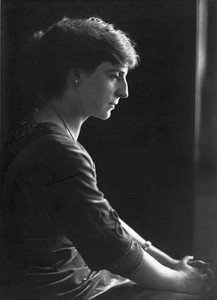
maud winifred kimbell sherwood
1880 - 1956 , New Zealand
基本情報
- Artistic Movement Or Style: Impressionism
- Artists Or Movements Influenced By This Artist:
- Georges Pierre Seurat
- Hieronymus Bosch
- Diego Velázquez
- Artists Who Influenced This Artist:
- James Nairn
- Frances Hodgkins
- Date Of Birth: 1880-12-22
- Date Of Death: 1956
- Full Name: Maud Winifred Kimbell Sherwood
- Nationality: New Zealander
- Notable Artworks:
- A Sunday Afternoon on the Island of Grand Jatte
- The Garden of Earthly Delights
- Las Meninas
- Place Of Birth: Dunedin, New Zealand
関連記事

Impressionism's Masterpieces: 10 Paintings That Defined a Movement | ArtsDot
Journey through Impressionism's heart with 10 iconic paintings by Monet, Renoir & Degas. Explore light, color & the stories behind these masterpieces. Find museum-quality art reproductions and elevate your home decor on ArtsDot.com.
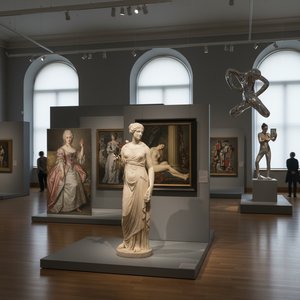
The Allure of the Pose: Representations of 'Model' Through Art History
Explore the fascinating history of the 'art model' through centuries of painting! Discover academic techniques, social contexts & the evolving role of models in art. ArtsDot offers custom reproductions and expert consultation.

ポール・セザンヌ:至高の25選 - 傑作と革新の軌跡 | ArtsDot
ポール・セザンヌの至高の25選。ポスト印象派を代表する画家、セザンヌの傑作と革新的な技法を紐解きます。ArtsDotで高品質な複製画やインテリアアートを見つけ、芸術の世界をご自宅に。今すぐコレクションをご覧ください。
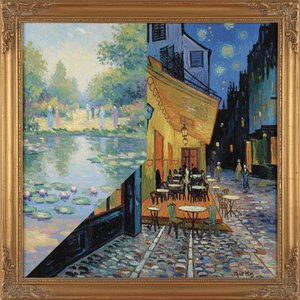
光と色彩の彼方:知的な収集家のための印象派とポスト印象派
印象派とポスト印象派の傑作を深く理解し、知的なコレクションを築くための情報を提供。ArtsDotでは、高品質な油絵複製やカスタムアートをご用意。専門家が最適な作品選びをお手伝いします。
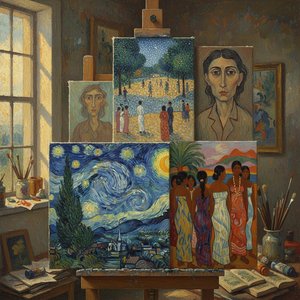
Beyond Impressionism: Exploring the Emotional Depth of Post-Impressionist Painting
Explore the profound emotional depth & innovative techniques of Post-Impressionism with ArtsDot. Discover Cézanne, Van Gogh, Gauguin & more – and their lasting impact on modern art.

