メニュー
プレビュープレビュー ARで試着ARで試着 プリント版に切り替え プリント版に切り替えデジタル画像販売へ切り替え デジタル画像販売へ切り替え シェアするシェアする
詳細を見る詳細を見る お気に入りに追加 お気に入りに追加 ダウンロードダウンロード 似ている作品似ている作品 X線調査X線調査 スライドショースライドショー 統計情報統計情報

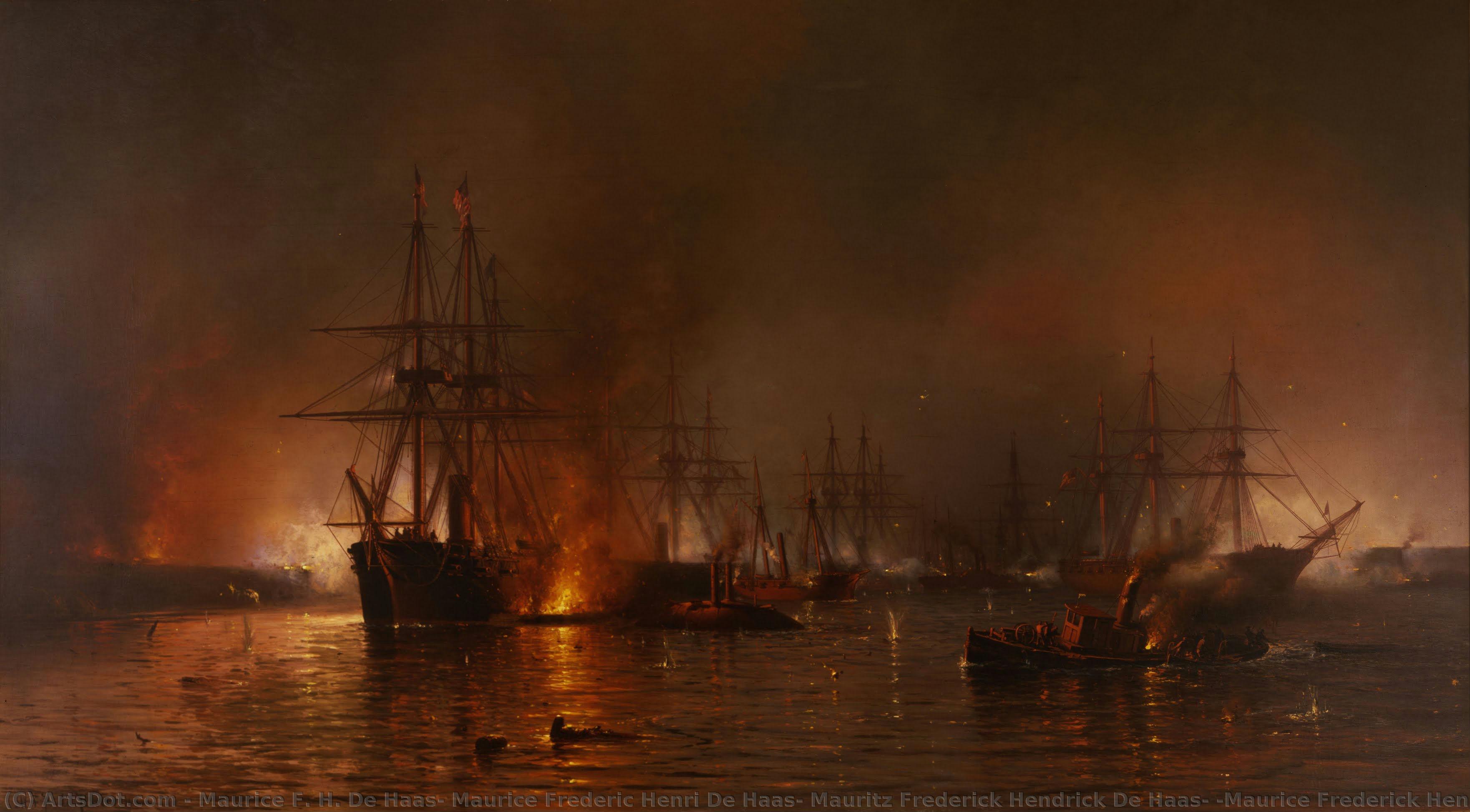
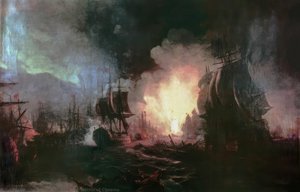
Farragut

Dutch Impressionist Maurice F.H. de Haas captured the serene beauty of Dutch landscapes and intimate interiors with a delicate touch; discover his evocative paintings and experience the tranquility of 19th-century Holland.

手描き油彩複製画

当社のアーティストが、お客様のご希望のサイズと額縁に合わせて、キャンバスに手描きで制作する油彩画です。 (プリント版に切り替え プリント版に切り替えデジタル画像販売へ切り替え デジタル画像販売へ切り替え)

標準サイズ
オーダーメイド
CM
INCH

作品のオリジナル比率に合わせた、当店の規定サイズからお選びください。

高さ

特定のフレームやスペースに合わせて、ご希望のサイズをご入力いただけます。選択されたサイズが元の画像の比率と異なる場合、アートワークをトリミングするか、手描きで要素を追加して絵画を拡張いたします。デジタルモックアップ を制作し、制作開始前にご確認(承認)をいただきます。
画面上のプレビューは、実際のトリミングや拡張を正確に反映しているものではありません。最終的な構図は、モックアップによってのみ正確にご確認いただけます。
カスタムサイズもご利用いただけますが、元の比率を維持するためには、あらかじめ用意されたリストからサイズを選択することをお勧めいたします。

カスタマイズの例:顔をお客様の写真に置き換える、ペットを追加する(例:猫を犬に変更)、背景に隠れたメッセージを入れる、背景の風景や要素を変更するなど。
ご注文後、ArtsDot.com チームより詳細な指示をお送りするとともに、仕上がりイメージ(モックアップ)をご提供いたします。

世界中への配送()は、通常の5週間ではなく、3〜4週間でお届けいたします。(9 9月)。品質には一切妥協いたしません。

why_choose_icon
世界中へ無料エクスプレス配送
why_choose_icon
高品質なリネンキャンバス
why_choose_icon
配送時完全保険付
why_choose_icon
関税・輸入税の払い戻し保証
why_choose_icon
忠実な色彩再現保証
why_choose_icon
100日間返品保証(製造上の欠陥がある場合のみ)
why_choose_icon
100% 全額返金保証
why_choose_icon
まとめ買い割引のご案内

合計金額

$ 263

reproduction

Farragut

複製技法

複製画のサイズ

-

合計金額

$ 263


アーティストの略歴

The Enigmatic Landscapes of Maurice F. H. De Haas

Maurice F. H. De Haas remains a somewhat elusive figure in the pantheon of 19th and early 20th-century landscape painters, despite a body of work characterized by its atmospheric depth, subtle color palettes, and profound sense of tranquility. Born in , his life details are sparsely documented, contributing to the mystique surrounding his art. What *is* known suggests a dedication to capturing the fleeting moods of nature, particularly the evocative light and expansive skies that define much of his oeuvre. He wasn’t a painter who sought grand narratives or dramatic events; instead, De Haas found beauty in the quiet contemplation of the natural world, meticulously rendering scenes often imbued with a melancholic stillness. His artistic journey unfolded during a period of significant change – the transition from Romanticism to Impressionism and beyond – yet he carved out a unique space for himself, resisting easy categorization.

Early Influences and Artistic Development

De Haas’s early training remains largely unknown, but scholars posit influences stemming from the Dutch Romantic landscape tradition, particularly artists like Jacob van Ruisdael and Aert van der Neer. These masters instilled a deep appreciation for atmospheric perspective, detailed observation of cloud formations, and the use of light to create mood. However, De Haas’s work also reveals an affinity for the Barbizon school painters – Théodore Rousseau and Jean-François Millet – who championed *plein air* painting and a realistic depiction of rural life. It's likely he travelled extensively throughout Europe, absorbing these diverse influences firsthand. His early paintings demonstrate a meticulous technique, focusing on precise rendering of trees, fields, and waterways. Over time, his brushwork loosened, and his palette became more subdued, moving away from the detailed realism of his predecessors towards a more impressionistic approach focused on capturing the *impression* of light and atmosphere rather than strict topographical accuracy. This evolution wasn’t abrupt; it was a gradual refinement of his artistic vision, driven by a desire to convey not just what he saw, but how it felt to be present in those landscapes.

Themes and Techniques: A Symphony of Light and Shadow

The dominant theme throughout De Haas's career is the landscape – specifically, scenes of rural tranquility often featuring expansive skies, bodies of water (rivers, lakes, canals), and gently rolling hills. He rarely included figures in his compositions, emphasizing instead the power and beauty of nature itself. His technique is characterized by a masterful use of glazing, building up layers of thin paint to create luminous effects and subtle color transitions. This layering process resulted in paintings that possess an extraordinary depth and atmospheric quality. De Haas was particularly adept at capturing the nuances of light – the golden glow of sunset, the soft haze of dawn, the dramatic shadows cast by storm clouds. He employed a limited palette, favoring muted tones of blues, greens, browns, and grays, which further enhanced the sense of tranquility and melancholic beauty in his work. His paintings are not about vibrant spectacle; they’re about quiet observation and emotional resonance. The subtle interplay of light and shadow is crucial to understanding his artistic intent – it's through these delicate gradations that he evokes a specific mood or atmosphere, inviting the viewer to share in his contemplative experience.

Recognition and Legacy

While De Haas enjoyed some recognition during his lifetime, exhibiting at various galleries across Europe, he never achieved widespread fame. His work was appreciated by collectors who valued its quiet beauty and technical skill, but it often remained overshadowed by the more flamboyant styles of his contemporaries. Today, however, there is a growing appreciation for his unique contribution to landscape painting. His paintings are increasingly sought after by museums and private collectors alike. De Haas’s legacy lies in his ability to capture the essence of nature with remarkable sensitivity and skill. He wasn't interested in making grand statements or pushing artistic boundaries; instead, he focused on perfecting a particular vision – a vision that celebrates the beauty of the natural world and invites contemplation and emotional connection. His work serves as a reminder that true artistry lies not in innovation alone, but in the ability to convey profound meaning through subtle observation and masterful technique. He continues to inspire artists and art lovers who seek solace and tranquility in the quiet beauty of the landscape.