

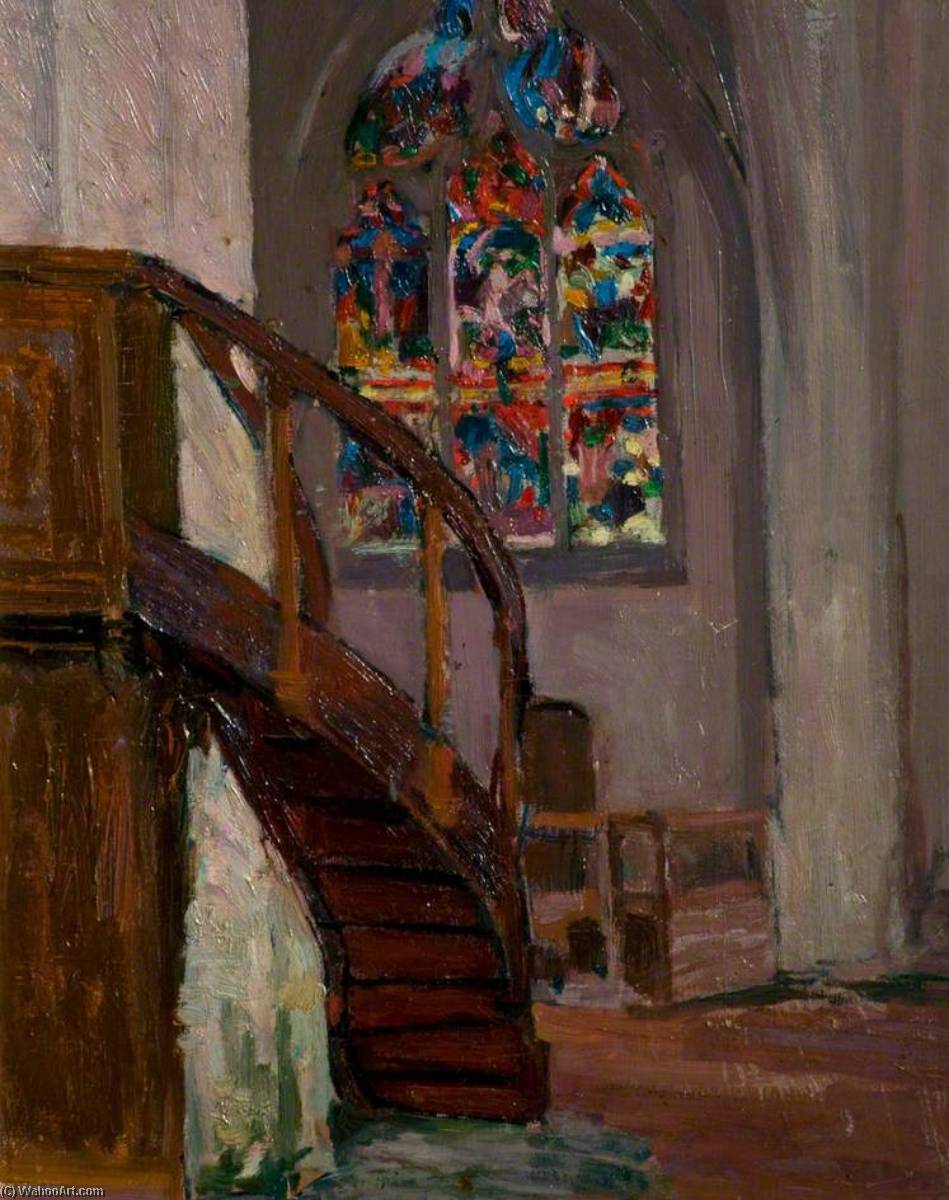
 プレビュー
プレビュー
 シェアする
シェアする シェアする
シェアする
 詳細を見る
詳細を見る

 ダウンロード
 似ている作品
 X線調査
X線調査 スライドショー
 統計情報
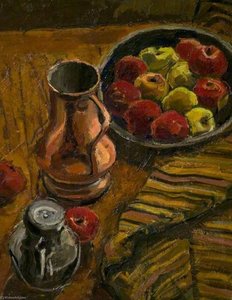
統計情報Intérieur d'église
 40.0 x 31.0 cm
 New Walk Museum - Art Gallery
 詳細を見る
詳細を見る
オンラインプレビューをはるかに凌ぐ、高解像度で鮮明なデジタル画像をご購入いただけます。
各ファイルは、社内の専門家が高度なツールと熟練した手作業によるレタッチを用いて、細心の注意を払って準備されています。すべての画像において、卓越した鮮明度、正確な色彩再現性、そして繊細なディテールを保証いたします。
最終ファイルは、プロフェッショナルな編集・印刷環境ですぐにご利用いただけるよう最適化された状態で、72時間以内にメールにてお届けいたします。これは、一流のデザインスタジオ、出版社、ギャラリーから信頼されているものと同等の品質です。
デジタルアート
個人での鑑賞、印刷、クリエイティブなプロジェクト用に、高解像度ファイルをダウンロードできます。 ( プリント版に切り替え 手描きの絵画を購入)
デジタル画像のご注文に付随する特典
高品質なデジタル画像配信を、確かな品質で。
ArtsDot.com を選ぶことは、単に画像を手に入れることではありません。それは、プロの手によって精密に仕上げられ、満足保証が付いた高品質なデジタルアートワークを受け取ることを意味します。ご注文いただいた際に自動的に付随する内容は、以下の通りです:

メールですぐにお届け
ご注文から72時間以内に、高解像度のデジタル画像ファイルがメールでお手元に届きます。すぐにそのままご利用いただけます。

AI技術で最適化されたデジタルファイル
お客様の作品は、高度なAIツールと専門家による手作業の編集を組み合わせてプロフェッショナルに最適化されており、細部のディテール、鮮明さ、そして正確な色再現性を最大限に引き出しています。

一生涯無料の再送サービス
ファイルを誤って削除したり、紛失してしまったりしましたか?ご安心ください。いつでも無料で再送いたします。

輸入手数料は一切かかりません
関税や手数料、配送料を気にすることなく、お気に入りのアートワークをすぐにお楽しみいただけます。デジタルダウンロードは常に免税です。

色彩再現の保証
プロ仕様のツールとカラーマネジメント技術を用いることで、デジタル画像が元の色を最大限に忠実に再現することを保証いたします。

100日間満足保証
ご購入いただいたデジタル画像にご満足いただけない場合は、100日以内であれば、理由を問わず修正または100%の返金対応をさせていただきます。

100% 返金保証
ご満足いただけない場合は、デジタルファイルを受け取ってから100日以内であれば、理由を問わず全額返金いたします。

まとめ買い割引
3枚購入で10%OFF - 5枚購入で15%OFF - 10枚以上購入で20%OFF。クリエイティブなプロジェクト、ギャラリー、エージェンシーに最適です。
関連作品







作家の略歴
The Alchemist of Color and Light
Maurice Marinot stands as a singular, luminous figure in the tapestry of early 20th-century art—a creator who possessed the rare ability to bridge the visceral intensity of Fauvist painting with the delicate, transformative magic of glassmaking. Born on March 20, 1882, in the historic French city of Troyes, Marinot’s journey was never one of easy academic triumph, but rather a profound pursuit of an independent aesthetic vision. Though his early years were marked by academic struggles and a rejection from the rigid standards of the École des Beaux-Arts under Fernand Cormon, these very setbacks forged a rebellious spirit. Returning to Troyes, he abandoned the constraints of formal training to embrace a path where color could breathe without the suffocating weight of tradition.
His emergence into the art world was defined by the fervent energy of Les Fauves. Influenced by the radical palettes of Henri Matisse and André Derain, Marinot’s early canvases became battlegrounds of emotion, where deep reds, electric blues, and sun-drenched yellows were applied with a disregard for naturalistic accuracy. In works such as “The Bather,” completed in 1930, one can witness the essence of this movement; the subject is not merely a figure in a landscape, but a vessel for light and warmth, captured through a stylized, emotive lens that prioritizes the artist's internal feeling over mere observation.
A Revolution in Glass
While his paintings captured the soul of Fauvism, it was Marinot’s encounter with glass that would redefine his legacy and secure his place as a master of medium. In 1911, a visit to a glass shop owned by the Viard brothers in Bar-sur-Seine ignited a new passion. He became captivated by the elemental dance between fire, heat, and light. Initially, he worked by designing exquisite bowls and vases upon which he applied vibrant enamels, but his curiosity soon drove him toward the furnace itself. Learning to blow glass, Marinot transitioned from a painter of surfaces to an architect of depth.
By 1923, he had moved beyond simple enameling to explore much more complex and perilous techniques. He began experimenting with bubbles, metal leaf, and colored glass, creating pieces that seemed to trap light within their very structure. His process was famously arduous and fraught with danger; a single masterpiece could take an entire year to complete as he sought to meet his own exacting standards of perfection. This period marked a shift in his artistic identity, where the boundaries between fine art and decorative craft dissolved into a singular, cohesive expression of form and color.
Legacy and the Fragility of Art
The historical significance of Maurice Marinot lies in his ability to innovate across disparate disciplines, bringing the expressive freedom of modern painting to the ancient art of glasswork. He did not merely decorate glass; he breathed life into it, treating each vessel as a sculptural canvas. However, his life and work were also marked by profound loss. The 1944 Allied bombing of Troyes dealt a devastating blow to his legacy, striking his studio directly and destroying over 2,500 paintings and thousands of drawings.
Despite the physical destruction of much of his oeuvre, Marinot’s influence remains indelible. His ability to harmonize the "hot and cold" of artistic expression—the heat of the furnace and the cool precision of design—continues to inspire collectors and historians alike. He remains a testament to the idea that true innovation often arises from the courage to step away from established institutions and find beauty in the most elemental of forces: light, fire, and color.
maurice marinot
1882 - 1960
プロフィール概要
- Artistic Movement Or Style: Les Fauves; Glass Art
- Artists Or Movements Influenced By This Artist: ['Glass Art']
- Artists Who Influenced This Artist: ['Fernand Cormon']
- Date Of Birth: 1882
- Date Of Death: 1960
- Full Name: Maurice Marinot
- Nationality: French
- Notable Artworks:
- The Bather
- Jar
- Place Of Birth: Troyes, France