

 プレビュー
プレビュー
 シェアする
シェアする シェアする
シェアする
 詳細を見る
詳細を見る

 ダウンロード
 似ている作品
 X線調査
X線調査 スライドショー
 統計情報
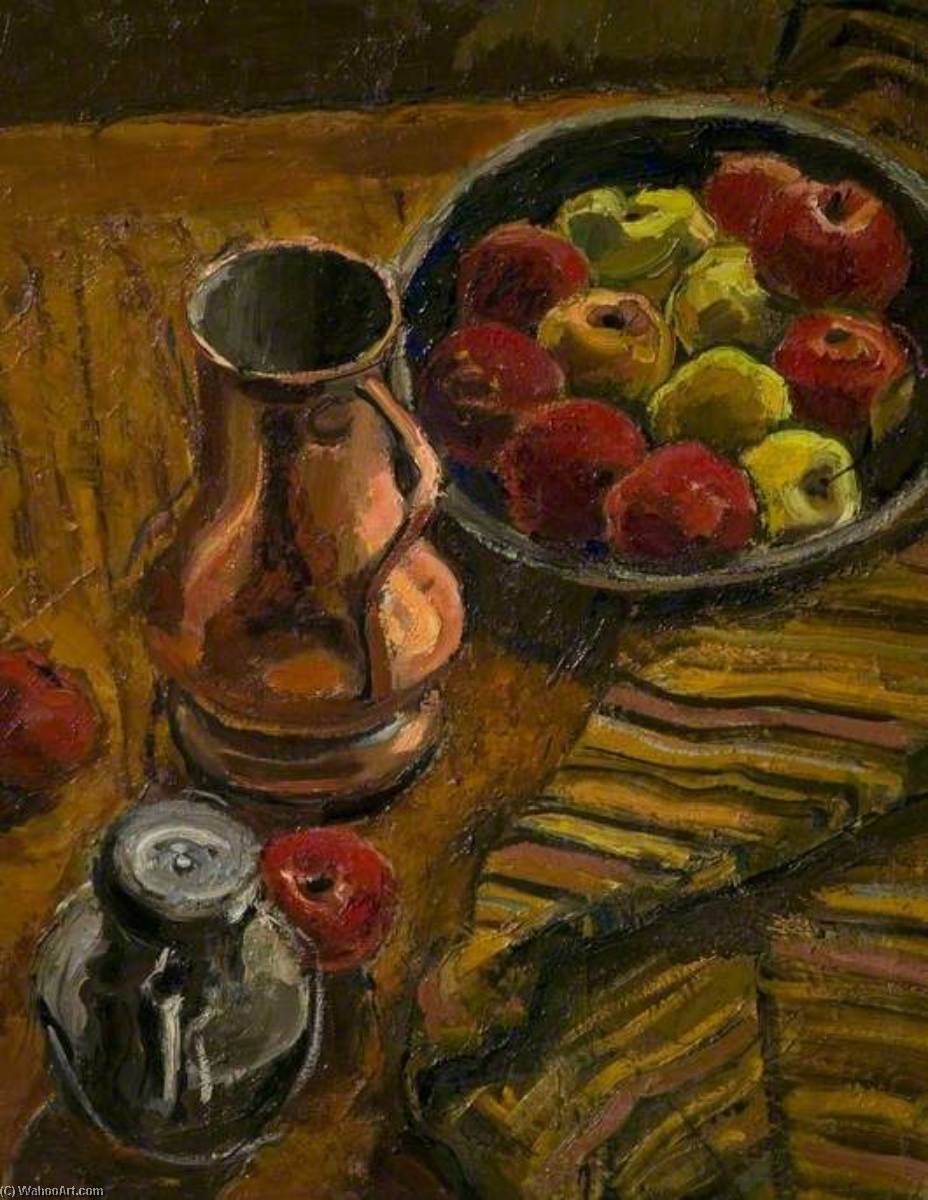
統計情報Nature mort aux pommes
 65.0 x 50.0 cm
 New Walk Museum - Art Gallery
 詳細を見る
詳細を見る
ジークレー/アートプリント
迅速な制作と多彩な仕上げオプションを備えた、ミュージアムクオリティのジークレーまたはキャンバスプリント。 ( 手描きの絵画を購入 デジタル画像販売へ切り替え)




































作品のオリジナル比率に合わせた、当店の規定サイズからお選びください。

特定のフレームやスペースに合わせて、ご自身でサイズを指定することも可能です。選択されたサイズが元の画像の比率と一致しない場合、作品をトリミングするか、鏡面反射または単色での塗りつぶしによって画像を拡張いたします。制作を開始する前に、ご確認用のデジタルモックアップをお送りいたします。
画面上のプレビューには、実際のトリミングや拡張は反映されませんのでご注意ください。最終的な構図を正確に確認できるのは、モックアップのみとなります。
カスタムサイズも承っておりますが、元の比率を維持するためには、あらかじめ用意されたリストからサイズを選択することをお勧めいたします。


 ガラスオプションは、110cm未満のサイズでのみご利用いただけます。

Nature mort aux pommes
ジークレー/アートプリント
複製画のサイズ
-


合計金額
$ 62
関連作品










アーティストの略歴
The Alchemist of Color and Light
Maurice Marinot stands as a singular, luminous figure in the tapestry of early 20th-century art—a creator who possessed the rare ability to bridge the visceral intensity of Fauvist painting with the delicate, transformative magic of glassmaking. Born on March 20, 1882, in the historic French city of Troyes, Marinot’s journey was never one of easy academic triumph, but rather a profound pursuit of an independent aesthetic vision. Though his early years were marked by academic struggles and a rejection from the rigid standards of the École des Beaux-Arts under Fernand Cormon, these very setbacks forged a rebellious spirit. Returning to Troyes, he abandoned the constraints of formal training to embrace a path where color could breathe without the suffocating weight of tradition.
His emergence into the art world was defined by the fervent energy of Les Fauves. Influenced by the radical palettes of Henri Matisse and André Derain, Marinot’s early canvases became battlegrounds of emotion, where deep reds, electric blues, and sun-drenched yellows were applied with a disregard for naturalistic accuracy. In works such as “The Bather,” completed in 1930, one can witness the essence of this movement; the subject is not merely a figure in a landscape, but a vessel for light and warmth, captured through a stylized, emotive lens that prioritizes the artist's internal feeling over mere observation.
A Revolution in Glass
While his paintings captured the soul of Fauvism, it was Marinot’s encounter with glass that would redefine his legacy and secure his place as a master of medium. In 1911, a visit to a glass shop owned by the Viard brothers in Bar-sur-Seine ignited a new passion. He became captivated by the elemental dance between fire, heat, and light. Initially, he worked by designing exquisite bowls and vases upon which he applied vibrant enamels, but his curiosity soon drove him toward the furnace itself. Learning to blow glass, Marinot transitioned from a painter of surfaces to an architect of depth.
By 1923, he had moved beyond simple enameling to explore much more complex and perilous techniques. He began experimenting with bubbles, metal leaf, and colored glass, creating pieces that seemed to trap light within their very structure. His process was famously arduous and fraught with danger; a single masterpiece could take an entire year to complete as he sought to meet his own exacting standards of perfection. This period marked a shift in his artistic identity, where the boundaries between fine art and decorative craft dissolved into a singular, cohesive expression of form and color.
Legacy and the Fragility of Art
The historical significance of Maurice Marinot lies in his ability to innovate across disparate disciplines, bringing the expressive freedom of modern painting to the ancient art of glasswork. He did not merely decorate glass; he breathed life into it, treating each vessel as a sculptural canvas. However, his life and work were also marked by profound loss. The 1944 Allied bombing of Troyes dealt a devastating blow to his legacy, striking his studio directly and destroying over 2,500 paintings and thousands of drawings.
Despite the physical destruction of much of his oeuvre, Marinot’s influence remains indelible. His ability to harmonize the "hot and cold" of artistic expression—the heat of the furnace and the cool precision of design—continues to inspire collectors and historians alike. He remains a testament to the idea that true innovation often arises from the courage to step away from established institutions and find beauty in the most elemental of forces: light, fire, and color.
maurice marinot
1882 - 1960
基本情報
- Artistic Movement Or Style: Les Fauves; Glass Art
- Artists Or Movements Influenced By This Artist: ['Glass Art']
- Artists Who Influenced This Artist: ['Fernand Cormon']
- Date Of Birth: 1882
- Date Of Death: 1960
- Full Name: Maurice Marinot
- Nationality: French
- Notable Artworks:
- The Bather
- Jar
- Place Of Birth: Troyes, France