

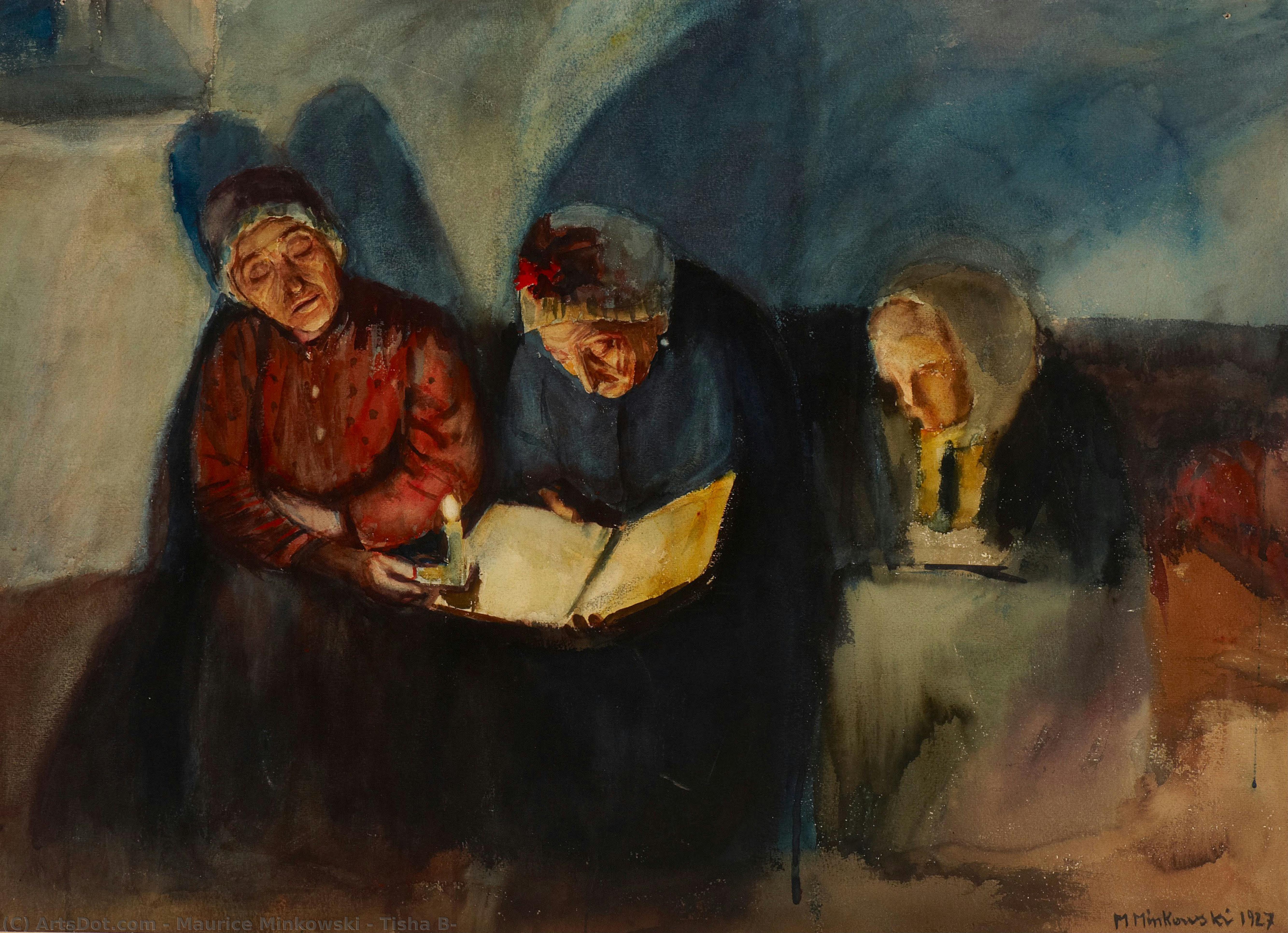
 プレビュー
プレビュー
 シェアする
シェアする シェアする
シェアする
 詳細を見る
詳細を見る

 ダウンロード
 似ている作品
 X線調査
X線調査 スライドショー
 統計情報
統計情報Tisha B
 1927
1927 53.0 x 74.0 cm
 Ben Uri Gallery and Museum
 詳細を見る
詳細を見る
オンラインプレビューをはるかに凌ぐ、高解像度で鮮明なデジタル画像をご購入いただけます。
各ファイルは、社内の専門家が高度なツールと熟練した手作業によるレタッチを用いて、細心の注意を払って準備されています。すべての画像において、卓越した鮮明度、正確な色彩再現性、そして繊細なディテールを保証いたします。
最終ファイルは、プロフェッショナルな編集・印刷環境ですぐにご利用いただけるよう最適化された状態で、72時間以内にメールにてお届けいたします。これは、一流のデザインスタジオ、出版社、ギャラリーから信頼されているものと同等の品質です。
デジタルアート
個人での鑑賞、印刷、クリエイティブなプロジェクト用に、高解像度ファイルをダウンロードできます。 ( プリント版に切り替え 手描きの絵画を購入)
デジタル画像のご注文に付随する特典
高品質なデジタル画像配信を、確かな品質で。
ArtsDot.com を選ぶことは、単に画像を手に入れることではありません。それは、プロの手によって精密に仕上げられ、満足保証が付いた高品質なデジタルアートワークを受け取ることを意味します。ご注文いただいた際に自動的に付随する内容は、以下の通りです:

メールですぐにお届け
ご注文から72時間以内に、高解像度のデジタル画像ファイルがメールでお手元に届きます。すぐにそのままご利用いただけます。

AI技術で最適化されたデジタルファイル
お客様の作品は、高度なAIツールと専門家による手作業の編集を組み合わせてプロフェッショナルに最適化されており、細部のディテール、鮮明さ、そして正確な色再現性を最大限に引き出しています。

一生涯無料の再送サービス
ファイルを誤って削除したり、紛失してしまったりしましたか?ご安心ください。いつでも無料で再送いたします。

輸入手数料は一切かかりません
関税や手数料、配送料を気にすることなく、お気に入りのアートワークをすぐにお楽しみいただけます。デジタルダウンロードは常に免税です。

色彩再現の保証
プロ仕様のツールとカラーマネジメント技術を用いることで、デジタル画像が元の色を最大限に忠実に再現することを保証いたします。

100日間満足保証
ご購入いただいたデジタル画像にご満足いただけない場合は、100日以内であれば、理由を問わず修正または100%の返金対応をさせていただきます。

100% 返金保証
ご満足いただけない場合は、デジタルファイルを受け取ってから100日以内であれば、理由を問わず全額返金いたします。

まとめ買い割引
3枚購入で10%OFF - 5枚購入で15%OFF - 10枚以上購入で20%OFF。クリエイティブなプロジェクト、ギャラリー、エージェンシーに最適です。
関連作品








作家の略歴
Robert Rauschenberg: A Revolutionary of the Mid-Century
Robert Rauschenberg, born Milton Ernest Rauschenberg in Port Arthur, Texas, on October 22, 1925, wasn’t simply a painter; he was a radical reimaginer of art itself. His career, spanning nearly six decades until his death in May 1986, witnessed an evolution from early explorations of Surrealism and Abstract Expressionism to the development of his signature “Combine” paintings – works that shattered traditional boundaries between painting, sculpture, collage, and everyday objects. Rauschenberg’s legacy lies not just in the aesthetic impact of his art but also in his profound questioning of what constitutes a work of art and how it engages with the world around it. He was a restless innovator, constantly pushing the limits of artistic expression and inviting viewers to reconsider their own perceptions.- Early Influences: Rauschenberg’s formative years were deeply rooted in his fundamentalist Christian upbringing in Texas. This background instilled in him a fascination with contrasts – light and dark, sacred and profane – which would later permeate his artistic explorations. His early studies at the University of Texas at Austin exposed him to the burgeoning avant-garde movements of the time, including Surrealism and Abstract Expressionism.
- Parisian Experimentation: Following graduation, Rauschenberg moved to New York City in 1947, immersing himself in the vibrant artistic scene. He spent several years studying with Josef Albers at Black Mountain College, absorbing principles of color theory and design that would inform his later work. This period also saw him experimenting with photography and printmaking, laying the groundwork for his multi-media approach.
- The Birth of the Combine: Rauschenberg’s most significant contribution to art history is undoubtedly the “Combine” paintings of the 1950s. These works, such as *Monogram* (1955) and *Canyon* (1959), represent a radical departure from traditional painting techniques. They incorporate found objects – scraps of fabric, newspaper clippings, bottle caps, feathers – directly into the canvas, blurring the lines between image and object. The process itself was often improvisational, with Rauschenberg layering paint, collage elements, and found objects onto a wooden board, creating dynamic and unpredictable compositions.
A Dialogue with Pop Culture
Rauschenberg’s work in the late 1950s and early 1960s is inextricably linked to the rise of popular culture. He was deeply influenced by the imagery of advertising, comic books, and mass media, which he incorporated into his paintings as a way of commenting on American society. *Monogram*, for example, features a meticulously rendered image of a Greyhound bus superimposed over a collage of photographs and newspaper clippings, creating a complex commentary on travel, commerce, and the homogenization of American culture. His engagement with Pop Art was nuanced; while he shared some affinities with the movement’s focus on everyday imagery, Rauschenberg resisted its purely decorative or commercial intentions, using his work to explore deeper social and philosophical themes.- The Canyon Series: The *Canyon* series (1959-60) is perhaps Rauschenberg's most iconic achievement during this period. These large-scale paintings depict the Grand Canyon, but they are far from straightforward landscapes. They are layered with collage elements – photographs of tourists, maps, and advertisements – creating a fragmented and unsettling vision of the American West.
- Performance Art: Rauschenberg also ventured into performance art, staging elaborate events that blurred the boundaries between artist and audience. These performances often involved collaborations with musicians, dancers, and other artists, creating immersive experiences that challenged traditional notions of artistic expression.
Technique and Process
Rauschenberg’s working methods were as innovative as his subject matter. He rarely sketched or planned his paintings in advance, preferring to work intuitively, allowing the materials and processes to guide him. His use of encaustic – a mixture of beeswax and resin – added texture and luminosity to his surfaces, while his incorporation of found objects introduced an element of surprise and unpredictability. He frequently employed a “drip” technique, applying paint with brushes, sponges, and even his hands, creating dynamic and gestural marks that contrasted sharply with the meticulous detail of his collage elements. This combination of spontaneity and control is what gives Rauschenberg’s work its distinctive energy and complexity.- Materiality: Rauschenberg was deeply interested in the materiality of his materials – the weight, texture, and color of paint, fabric, and found objects. He treated these materials as active participants in the creative process, allowing them to shape the final outcome of his paintings.
- Process-Based Art: His work is fundamentally a demonstration of process-based art, where the act of creation itself becomes as important as the finished product. Rauschenberg’s studio was a constantly evolving laboratory, filled with materials and experiments that informed his artistic practice.
Legacy and Influence
Robert Rauschenberg's impact on 20th-century art is undeniable. He paved the way for subsequent generations of artists who explored collage, assemblage, and mixed media techniques. His willingness to challenge traditional boundaries and embrace experimentation continues to inspire artists today. His work has been exhibited extensively in museums around the world, and his paintings are held in major collections including the Museum of Modern Art, New York; the Tate Gallery, London; and the Centre Pompidou, Paris. Beyond his artistic achievements, Rauschenberg was also a dedicated educator, mentoring countless young artists and fostering a spirit of innovation within the art community. He died on May 12, 2008, leaving behind a body of work that remains as vital and challenging as it was in its inception.
maurice minkowski
1925 - 2020 , Poland
プロフィール概要
- Artistic Movement Or Style:
- Assemblage
- Pop Art
- Neo-Dada
- Artists Or Movements Influenced By This Artist:
- Jasper Johns
- Robert Ryman
- Artists Who Influenced This Artist:
- Picasso
- Pollock
- Marcel Duchamp
- Date Of Birth: October 22, 1925
- Date Of Death: May 12, 2008
- Full Name: Robert Rauschenberg
- Nationality: American
- Notable Artworks:
- Canyon
- Monogram
- Rauschenberg Prints
- Place Of Birth: Port Arthur, Texas