

 プレビュー
プレビュー
 シェアする
シェアする シェアする
シェアする
 詳細を見る
詳細を見る

 ダウンロード
 似ている作品
 X線調査
X線調査 スライドショー
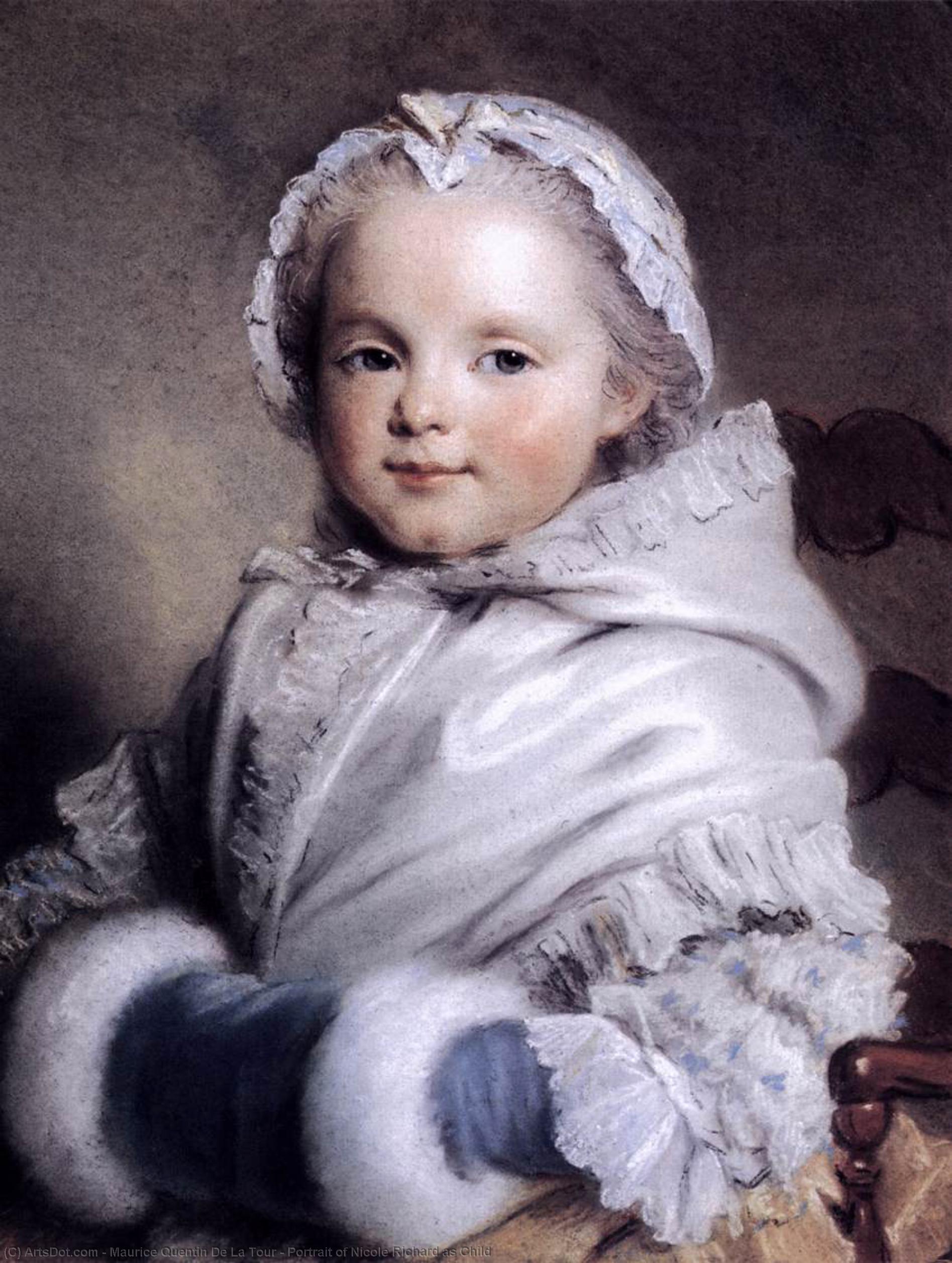
Portrait of Nicole Richard as Child
 Acrylic On Canvas
- WallArt
- Rococo Portraiture
 1748
1748 454.0 x 358.0 cm
 ルーブル美術館
 詳細を見る
詳細を見る
ジークレー/アートプリント
迅速な制作と多彩な仕上げオプションを備えた、ミュージアムクオリティのジークレーまたはキャンバスプリント。 ( 手描きの絵画を購入 画像を購入)




P118B $10

P118H $10

P118W $10

P438Z $10

P508JH $12

P508YH $12

P805H $10

P805Z $10

P919BZ $10

P919G $10

P919XJ $10

P959ZH $10

P968JZ $12

W106C $8

W218G $10

W218JH $8

W218Y $10

W307PJ $10

W316G $10

W316PJ $8

W316Y $10

W398PJ $8

W4111J $10

W500HY $15

W500JH $15

W692G $12

W849H $8

W940BG $15

W953PJ $8




作品のオリジナル比率に合わせた、当店の規定サイズからお選びください。

特定のフレームやスペースに合わせて、ご自身でサイズを指定することも可能です。選択されたサイズが元の画像の比率と一致しない場合、作品をトリミングするか、鏡面反射または単色での塗りつぶしによって画像を拡張いたします。制作を開始する前に、ご確認用のデジタルモックアップをお送りいたします。
画面上のプレビューには、実際のトリミングや拡張は反映されませんのでご注意ください。最終的な構図を正確に確認できるのは、モックアップのみとなります。
カスタムサイズも承っておりますが、元の比率を維持するためには、あらかじめ用意されたリストからサイズを選択することをお勧めいたします。


 ガラスオプションは、110cm未満のサイズでのみご利用いただけます。

Portrait of Nicole Richard as Child
ジークレー/アートプリント
複製画のサイズ
-


合計金額
$ 62
Portrait of Nicole Richard as Child: A Pastel Masterpiece by Maurice Quentin de La Tour
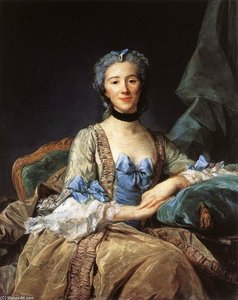
Maurice Quentin de La Tour’s “Portrait of Nicole Richard as Child,” painted in 1748, is more than just a charming depiction of youthful innocence; it's a remarkably intimate window into the Rococo era of French aristocratic life. This pastel portrait, measuring an impressive 454 x 358 cm, showcases de La Tour’s unparalleled skill in capturing character and emotion through delicate layers of color and subtle shading – techniques that firmly established him as one of the foremost portraitists of his time. The painting immediately draws the viewer in with Nicole Richard's radiant smile, a gesture both genuine and captivating, suggesting a personality brimming with curiosity and vitality despite her young age.
De La Tour’s mastery lies not just in replicating likeness but in conveying an inner world. Notice how he utilizes light to sculpt the girl’s face – a soft glow illuminating her cheekbones and highlighting the delicate curve of her lips. The subtle variations in pastel tone create a sense of depth, moving beyond mere representation to evoke a feeling of warmth and tenderness. The choice of pastel itself is significant; it was a relatively new medium at this time, favored for its ability to achieve luminous effects and capture fleeting expressions – qualities perfectly suited to de La Tour’s artistic vision.
Rococo Intimacy and Courtly Life
To fully appreciate “Portrait of Nicole Richard as Child,” we must understand the context in which it was created. The Rococo period, flourishing in 18th-century France, was characterized by a shift away from the grandeur of the Baroque era towards an atmosphere of elegance, frivolity, and intimate social gatherings. Portraits during this time were not simply records of appearance; they were carefully constructed statements about status, wealth, and social connections. De La Tour’s work exemplifies this trend, offering a glimpse into the refined world of French nobility.
The inclusion of the two figures in the background – a man standing behind Nicole and another further back – adds layers of narrative to the scene. While their identities remain somewhat enigmatic, they likely represent members of Nicole’s family or social circle, subtly reinforcing her position within this elite network. The simple chair or bench in the background provides a grounding element, anchoring the portrait within a domestic setting and suggesting a sense of comfort and familiarity.
Technique and Artistic Innovation
De La Tour's technique is truly remarkable. He was a pioneer in pastel painting, pushing the medium’s boundaries through his innovative layering and blending techniques. Unlike oil paints, pastels offer unparalleled control over color and tone, allowing for incredibly subtle gradations and delicate details. De La Tour expertly exploited this advantage, creating an image that feels both luminous and remarkably tactile – you can almost feel the softness of the pastel strokes.
Furthermore, de La Tour’s use of light is particularly noteworthy. He masterfully employs chiaroscuro—the contrast between light and dark—to create a sense of drama and depth. The subtle shadows that fall across Nicole's face not only define her features but also contribute to the overall mood of the portrait, imbuing it with an air of mystery and intrigue. His ability to capture fleeting expressions – like the slight upturn of Nicole’s lips – is a testament to his keen observational skills and artistic sensitivity.
Symbolism and Emotional Resonance
Beyond its technical brilliance, “Portrait of Nicole Richard as Child” resonates with profound emotional depth. The girl's youthful innocence and radiant smile evoke feelings of warmth, joy, and hope. The pearl necklace she wears—a symbol of purity and refinement—further emphasizes her privileged status and suggests a future filled with promise. De La Tour’s portrait is not merely a likeness; it’s an embodiment of the ideals of beauty, grace, and social harmony that defined the Rococo era.
Reproductions of this exquisite work offer a unique opportunity to bring this captivating scene into your home or office. ArtsDot's hand-painted reproductions faithfully capture the original’s delicate details and vibrant colors, allowing you to experience the artistry of Maurice Quentin de La Tour in stunning clarity. Whether you are an art enthusiast, collector, or simply seeking a touch of timeless elegance, this portrait is sure to be a cherished addition to any collection.
関連作品
![Three Studies Of A Woman's Head And A Study Of Hands [recto], — ワトー, Rococo Style](/media/artworks/images-thumb/65/73/65730255a762c06e3235059db7ffcb5f.jpg)
アーティストの略歴
生い立ちと芸術的才能の開花
モーリス・カンタン・ド・ラ・トゥールは、1704年9月5日にフランス北部のサン=カンタンで生まれました。彼の父フランソワ・ド・ラ・トゥールは、デュック・ド・メーヌのために働く音楽家でした。家族の期待とは裏腹に、モーリスは絵画への道を歩み始めます。1724年頃、彼はパリに移り住み、芸術家としてのキャリアをスタートさせました。初期の訓練には、ジャック・スポードとの研究や、しばらくの間ランスでの修行が含まれていました。1725年のイギリス旅行は、彼のスタイルに更なる影響を与えました。初期の肖像画、例えばヴォルテール(1731年)は、人物描写と似顔絵を描く才能が芽生え始めたことを示しています。この肖像画は、ラングロワによって版画され、彼に広く認知されるきっかけとなりました。芸術的スタイルと代表作
- パステル技法の習熟: ド・ラ・トゥールは、卓越したパステル技術で知られています。彼はこの媒体を用いて、並外れた柔らかさと繊細さを持つ肖像画を制作し、微妙な表情やテクスチャを捉えました。
- ロココ様式の影響: 彼の作品は、優雅さ、洗練さ、そして流行の社会を描くことに焦点を当てたロココ様式を体現しています。
- 代表作:
- ヴォルテール像 (1731年) - キャリア初期に彼の評判を確立しました。
- 自画像、笑う (約1737年) – 個性と機知を表現する能力を示しています。
- ポンパドゥール夫人の肖像画 – 著名な人物の似顔絵を描く彼の技術を示す重要な依頼作品です。
- ルイ15世の肖像画 - フランス国王の肖像画を複数制作し、宮廷内での地位を確固たるものとしました。
- サロンへの出品: 彼は定期的にパリ・サロンに出品し、30年以上にわたって150点以上の肖像画を展示しました。これは訪問者にとってのハイライトとなりました。
王室からの認められと晩年
- 王室からの承認: 1737年には、王立絵画彫刻アカデミーから認められました。その後、1750年には国王の宮廷画家となりました。
- 慈善活動: 富を築くにつれて、ド・ラ・トゥールはサン=カンタンで製図学校を設立し、貧困に苦しむ芸術家を支援するなど、慈善活動に献身しました。
- 精神的な困難: 1773年頃、彼は神経衰弱に見舞われ、精神疾患の時期を経て、故郷のサン=カンタンで引退しました。
遺産と歴史的意義
- ド・ラ・トゥールの肖像画は、心理的な洞察力と卓越した技術によって高く評価されています。彼はパステル肖像画を新たな高みに引き上げ、後世の芸術家に影響を与えました。
- 彼の作品が捉えた被写体の本質—彼らの個性、知性、社会的地位—は、彼を当時の最も求められる肖像画家の一人へと押し上げました。
- 今日、彼の作品はルーブル美術館を含む世界中の著名な博物館に所蔵されており、18世紀フランス社会と芸術的実践に関する貴重な洞察を提供しています。
影響を受けた芸術家と影響を与えた運動
ド・ラ・トゥールのパステル技法は、その後のロココ様式の画家たちに大きな影響を与えました。彼の肖像画における繊細な色彩表現や人物描写の技術は、多くの芸術家の模範となりました。フランソワ・ブーシェやジャン=バティスト・グレーズといった同時代の画家たちは、ド・ラ・トゥールの作品からインスピレーションを受け、より洗練された優雅な肖像画を制作しました。また、彼のパステル技法は、19世紀の印象派の画家たちにも影響を与え、彼らは戸外での風景描写や人物表現にパステルを用いるようになりました。ド・ラ・トゥールの作品は、ロココ様式における肖像画の発展において重要な役割を果たし、その遺産は今日でも多くの芸術家たちによって受け継がれています。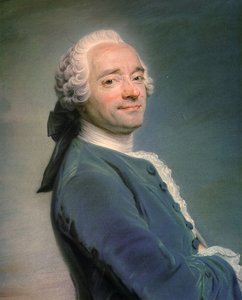
モーリス・カントン・ド・ラ・トゥール
1704 - 1788 , フランス
基本情報
- Artistic Movement Or Style: ロココ
- Date Of Birth: 1704年9月5日
- Date Of Death: 1788年2月17日
- Full Name: モーリス・カントン・ド・ラ・トゥール
- Nationality: フランス人
- Notable Artworks:
- ヴォルテール像
- 自画像(笑う)
- ポンパドゥール夫人像
- Place Of Birth (City And Country): フランス、サン=カンタン
関連記事
Maurice Quentin de La Tour: Light, Shadow & the Rococo Portrait
Explore the captivating world of Maurice Quentin de La Tour, a master of Rococo portraiture. Discover his innovative pastel techniques, intimate depictions of French aristocracy, and lasting artistic legacy. Learn more at ArtsDot.

華麗なるロココ:芸術史を彩る10大傑作の世界
華麗なるロココ美術の世界へ。バロックから生まれた優雅な芸術、その10大傑作を徹底解説!ブーシェ、フロマンなど巨匠たちの技と物語を紐解き、お部屋を彩るアートを見つけよう。ArtsDot.comで至高の美術館品質レプリカとインテリアアイデアを発見。
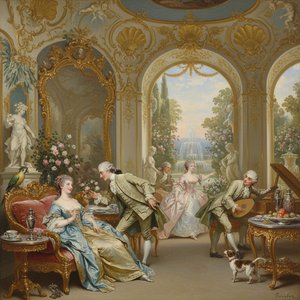
The Rococo Aesthetic: Opulence, Rebellion & the Pursuit of Pleasure in 18th-Century Art
Explore the opulent world of Rococo art! Discover its origins, key artists like Watteau & Boucher, and lasting influence on design. Expert insights for collectors & enthusiasts.
The Subdued Radiance of Pastel: Exploring Nuance & Emotion in Art
Explore the nuanced world of pastel art! Discover its history, techniques & emotional power with expert insights from ArtsDot.com. Find museum-quality reproductions and learn about collecting this delicate medium.
The Subtleties of Pastel: A Comprehensive Exploration of Technique, History & Emotional Resonance
Explore the captivating world of pastel art! Discover its rich history, Impressionistic masters like Degas, emotional power & unique techniques. Find museum-quality reproductions at ArtsDot.

