

 プレビュー
プレビュー
 プリントを購入
 シェアする
シェアする シェアする
シェアする
 詳細を見る
詳細を見る

 ダウンロード
 似ている作品
 X線調査
X線調査 スライドショー
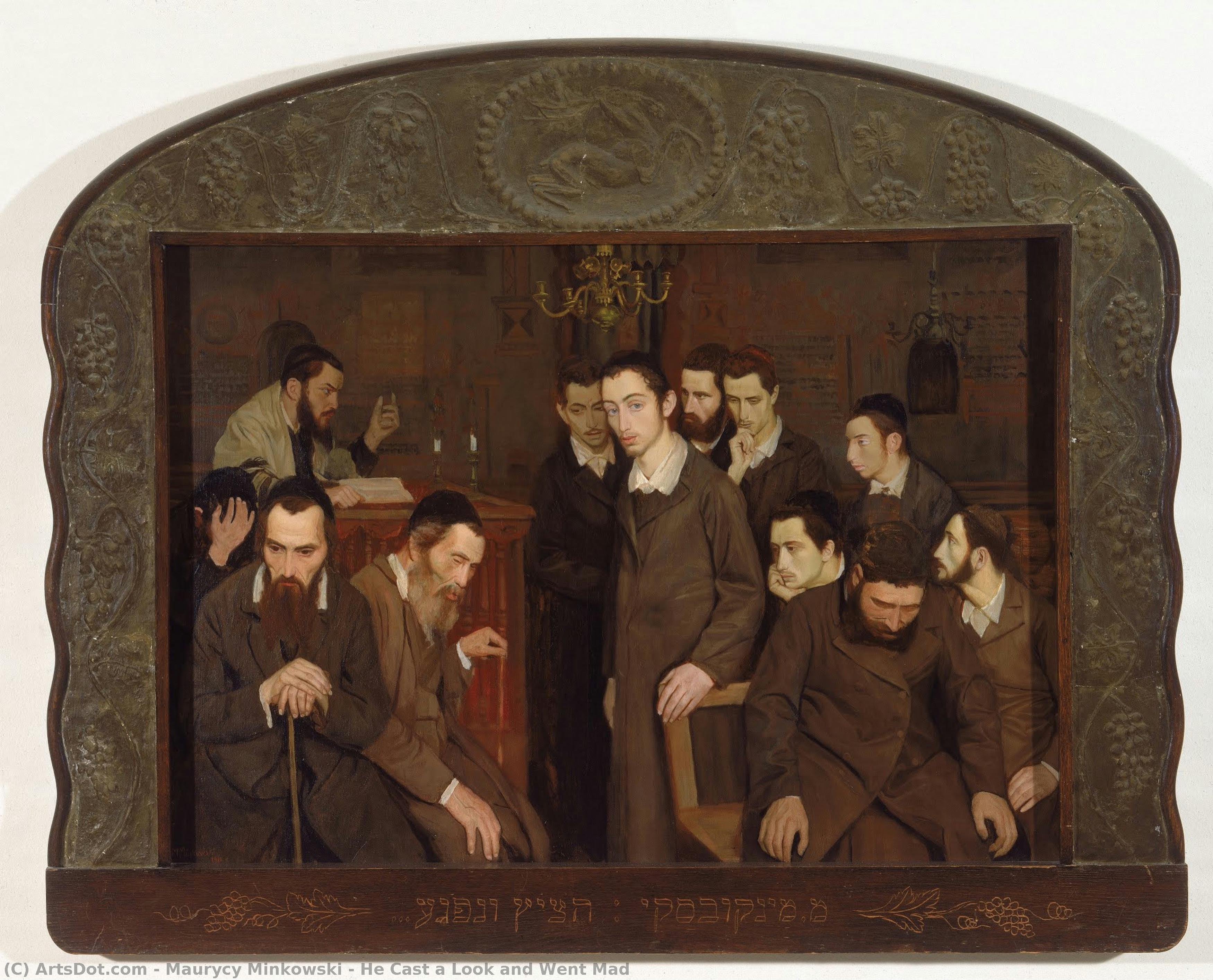
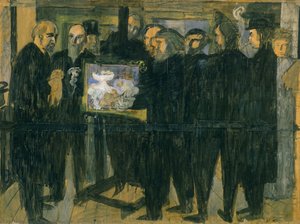
彼は視線を上げ、狂気に陥った
 キャンバスに油彩
- ウォールアート
- Jewish Enlightenment
 1910
1910 109.0 x 133.0 cm
 The Jewish Museum
 詳細を見る
詳細を見る
オンラインプレビューをはるかに凌ぐ、高解像度で鮮明なデジタル画像をご購入いただけます。
各ファイルは、社内の専門家が高度なツールと熟練した手作業によるレタッチを用いて、細心の注意を払って準備されています。すべての画像において、卓越した鮮明度、正確な色彩再現性、そして繊細なディテールを保証いたします。
最終ファイルは、プロフェッショナルな編集・印刷環境ですぐにご利用いただけるよう最適化された状態で、72時間以内にメールにてお届けいたします。これは、一流のデザインスタジオ、出版社、ギャラリーから信頼されているものと同等の品質です。
デジタル画像のご注文に付随する特典
高品質なデジタル画像配信を、確かな品質で。
ArtsDot.com を選ぶことは、単に画像を手に入れることではありません。それは、プロの手によって精密に仕上げられ、満足保証が付いた高品質なデジタルアートワークを受け取ることを意味します。ご注文いただいた際に自動的に付随する内容は、以下の通りです:

メールですぐにお届け
ご注文から72時間以内に、高解像度のデジタル画像ファイルがメールでお手元に届きます。すぐにそのままご利用いただけます。

AI技術で最適化されたデジタルファイル
お客様の作品は、高度なAIツールと専門家による手作業の編集を組み合わせてプロフェッショナルに最適化されており、細部のディテール、鮮明さ、そして正確な色再現性を最大限に引き出しています。

一生涯無料の再送サービス
ファイルを誤って削除したり、紛失してしまったりしましたか?ご安心ください。いつでも無料で再送いたします。

輸入手数料は一切かかりません
関税や手数料、配送料を気にすることなく、お気に入りのアートワークをすぐにお楽しみいただけます。デジタルダウンロードは常に免税です。

色彩再現の保証
プロ仕様のツールとカラーマネジメント技術を用いることで、デジタル画像が元の色を最大限に忠実に再現することを保証いたします。

60日間満足保証
ご購入いただいたデジタル画像にご満足いただけない場合は、60日以内であれば、修正または100%の返金(理由を問う必要はありません)をさせていただきます。

100% 返金保証
ご満足いただけない場合は、デジタルファイルを受け取ってから60日以内であれば、理由を問わず全額返金いたします。

まとめ買い割引
3枚購入で10%OFF - 5枚購入で15%OFF - 10枚以上購入で20%OFF。クリエイティブなプロジェクト、ギャラリー、エージェンシーに最適です。
「ヘ カスト ア ルック イット マッド」:マウリシィ クミンコフの挑戦と伝統との対峙
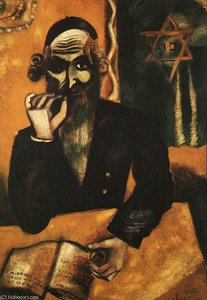
この作品は、ユダヤ教におけるタルムード叙事詩を視覚化した稀有な絵画であり、芸術史において独特の位置を占める。1910年に制作されたこの油絵は、ポーランド出身のマウリシィ クミンコフによって描かれ、彼の芸術的探求の頂点とも言える傑作である。作品全体は洗練された技巧と深い思想が融合したものであり、見る者に感動と驚きを与えるとともに、美術史における重要な視点を提供する。- 絵画の詳細: クミンコフの「ヘ カスト ア ルック イット マッド」は、広々とした空間に配置された男性たちを描いた作品だ。彼らは会話や議論に熱心に取り組んでいるように見え、一部は座り、一部は立ちている。少なくとも13人の人物が画面の中に現れ、それぞれがスーツとネクタイを身につけている。彼らの手は握り合い、まるで相手の話に集中しているかのようだ。中心にはダイニングテーブルがあり、周囲には椅子が配置されている。また、いくつかの書籍が散らばっており、男性たちが何らかの書物について話し合っていることを示唆している。全体的な雰囲気は、これらの人々が集まるフォーマルな集まりや会議を想起させる。
- 構図と色彩: クミンコフは、伝統と現代性の対立というテーマを表現するために、印象派の影響を受けた大胆な構図と色彩を使用した。男性たちの表情は厳粛さを帯びており、彼らの視線はどこか向いている。テーブルに置かれた書籍は、当時のユダヤ社会における知識と信仰のバランスを象徴していると考えられる。特に注目すべきは、画面中央に配置された男性たちの一人が他の男性たちを見つめる瞬間だ。この視線は、伝統的な価値観に対する挑戦を表しており、同時に新たな可能性への探求を示唆している。
- 技法: クミンコフの絵画は、油彩という伝統的な技法を用いながらも、印象派の特徴である明るい色彩と筆触による表現を効果的に取り入れている。彼は特に光の表現にこだわり、男性たちの周囲の空間に奥行きと立体感を加えている。この技法は、当時の美術界において革新的なものであり、クミンコフの芸術的個性を示す上で重要な役割を果たしている。
- 歴史的背景: クミンコフの作品が描かれたのは、ユダヤ教におけるハスカラと呼ばれる啓蒙運動がヨーロッパで盛んだった時代だ。この運動は、ユダヤ人と非ユダヤ人の間の交流を促進しつつ、伝統的なユダヤ儀式や慣習に対する批判を行っていた。 クミンコフは、この時代の精神性を反映した作品であり、ユダヤ社会における思想的な変革と葛藤を描き出している。
- 象徴性とテーマ: クミンコフの絵画の中心となるのは、タルムード叙事詩に登場する四人の賢者の物語だ。これらの賢者は、紀元前2世紀にエジプトから入ったベン アッザイ、エリシャ ベン アヴヤハ、ベン トモ、アキヴァは、それぞれ「庭」と呼ばれる場所に入ったという伝説である。「庭」は、パラダイスまたは神秘的な知識を象徴しており、これらの賢者は伝統と現代性の間で揺れ動いた。 クミンコフは、この物語における四人の賢者の対比を描き出し、信仰と理性の選択という普遍的なテーマを表現している。特に注目すべきは、画面中央に配置された男性の一人が他の男性たちを見つめる瞬間だ。これは、伝統的な価値観に対する挑戦であり、同時に新たな可能性への探求を表しており、見る者に深い感動を与えるとともに、美術史における重要な視点を提供する。
関連作品


作家の略歴
A Life Silenced, A Vision Heard: The Poignant World of Maurycy Minkowski
Maurycy Minkowski (1881-1930) remains a compelling yet often overlooked figure in the landscape of early 20th-century art. Born into a prosperous Jewish family in Warsaw, Poland, his life was marked by an early tragedy – an illness at the age of five that robbed him of both hearing and speech. This profound silence, however, did not extinguish his creative spirit; rather, it seems to have intensified it, forging a unique artistic voice deeply attuned to the struggles and resilience of Jewish life in Eastern Europe. His story is one of overcoming adversity, capturing a vanishing world on canvas with an empathy born from personal experience, and ultimately, leaving behind a legacy that speaks volumes despite his own inability to audibly express himself. He was initially known as Maurice Minkowski or Minkovski.Early Training and Artistic Development
Despite the challenges posed by his deafness, Minkowski’s parents recognized and nurtured his burgeoning talent for drawing. He received private lessons before formally entering the Kraków Academy of Fine Arts in 1901, studying under esteemed artists like Józef Mehoffer, Jan Stanisławski, and Leon Wyczółkowski. This rigorous academic training provided him with a solid foundation in technique, but it was his personal experiences and observations that would ultimately shape his distinctive style. Early works demonstrate a proficiency in portraiture and landscape painting, yet even these pieces hint at the emotional depth and social consciousness that would come to define his mature oeuvre. He graduated from the Academy in 1905 with a gold medal, signaling early recognition of his potential.Capturing a World on the Brink: Shtetl Life and Social Commentary
The pivotal period in Minkowski’s artistic development coincided with the tumultuous events of the Polish Revolution in 1905 and the subsequent wave of pogroms that swept through Eastern Europe. These horrific acts of violence profoundly impacted him, shifting his focus from more conventional subjects to the plight of Jewish communities facing persecution and displacement. He began documenting the suffering he witnessed – families fleeing their homes, the desperation of refugees, the vulnerability of children – with a raw honesty and emotional intensity rarely seen in contemporary art. His paintings are not merely depictions of events; they are visceral expressions of empathy, capturing the psychological toll of trauma and the fragility of human existence. He became known for his genre scenes of *shtetl* life, offering intimate glimpses into the daily struggles and joys of a world on the brink of irreversible change. Works like “After the Pogrom” (1905) stand as powerful testaments to this period, portraying the aftermath of violence with haunting realism. “He Cast a Look and Went Mad” (1910), while less overtly dramatic, explores the tensions between Jewish tradition and modernity, reflecting the intellectual ferment of the time.A Legacy Rediscovered: Travels, Recognition, and Lasting Impact
Following the unrest in Poland, Minkowski embarked on a period of travel throughout Western Europe, seeking to broaden his artistic horizons and exhibit his work. He eventually settled in Paris around 1908, though he continued to return to Eastern Europe for exhibitions. While he achieved some recognition during his lifetime – an obituary in the *Jewish Chronicle* described him as “well-known” – his art remained largely underappreciated by mainstream audiences. His paintings were dispersed after his untimely death in a traffic accident in Buenos Aires in 1930, while on tour with an exhibition of over 200 works. For decades, his work faded into relative obscurity. However, recent years have witnessed a growing appreciation for Minkowski’s unique contribution to art history. The rediscovery of his paintings, particularly through the efforts of institutions like the Fundación IWO in Buenos Aires and the POLIN Museum of the History of Polish Jews in Warsaw, has brought his poignant vision to a wider audience. His work now stands as a vital record of a lost world, offering invaluable insights into the cultural, social, and political complexities of early 20th-century Jewish life.The Enduring Power of Silent Testimony
Maurycy Minkowski’s art is more than just historical documentation; it is a testament to the power of human empathy and the enduring strength of the human spirit. His paintings resonate with a profound sense of loss, but also with a quiet dignity and resilience that transcends cultural boundaries. Despite his own inability to speak, he gave voice to those who were often silenced – the victims of persecution, the marginalized communities struggling for survival, the ordinary people whose lives were irrevocably altered by historical forces beyond their control. His legacy serves as a powerful reminder of the importance of bearing witness, preserving memory, and honoring the stories that might otherwise be forgotten. His work continues to inspire reflection on themes of identity, displacement, and the enduring search for belonging in a world marked by conflict and change.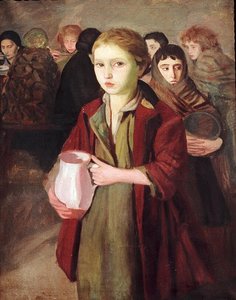
Maurycy Minkowski
1881 - 1930 , Poland
プロフィール概要
- Artistic Movement Or Style:
- Cubism
- Surrealism
- Artists Or Movements Influenced By This Artist:
- Henri Matisse
- School of Paris
- Artists Who Influenced This Artist:
- Paul Cézanne
- Georges Braque
- Date Of Birth: October 25, 1881
- Date Of Death: April 8, 1973
- Full Name: Pablo Diego José Francisco de Paula Juan Nepomuceno María de los Remedios Cipriano de la Santísima Trinidad Ruiz y Picasso
- Nationality: Spanish
- Notable Artworks:
- Guernica
- Les Demoiselles d'Avignon
- The Weeping Woman
- Place Of Birth: Málaga, Spain

