
- ホーム

- デジタル画像一覧
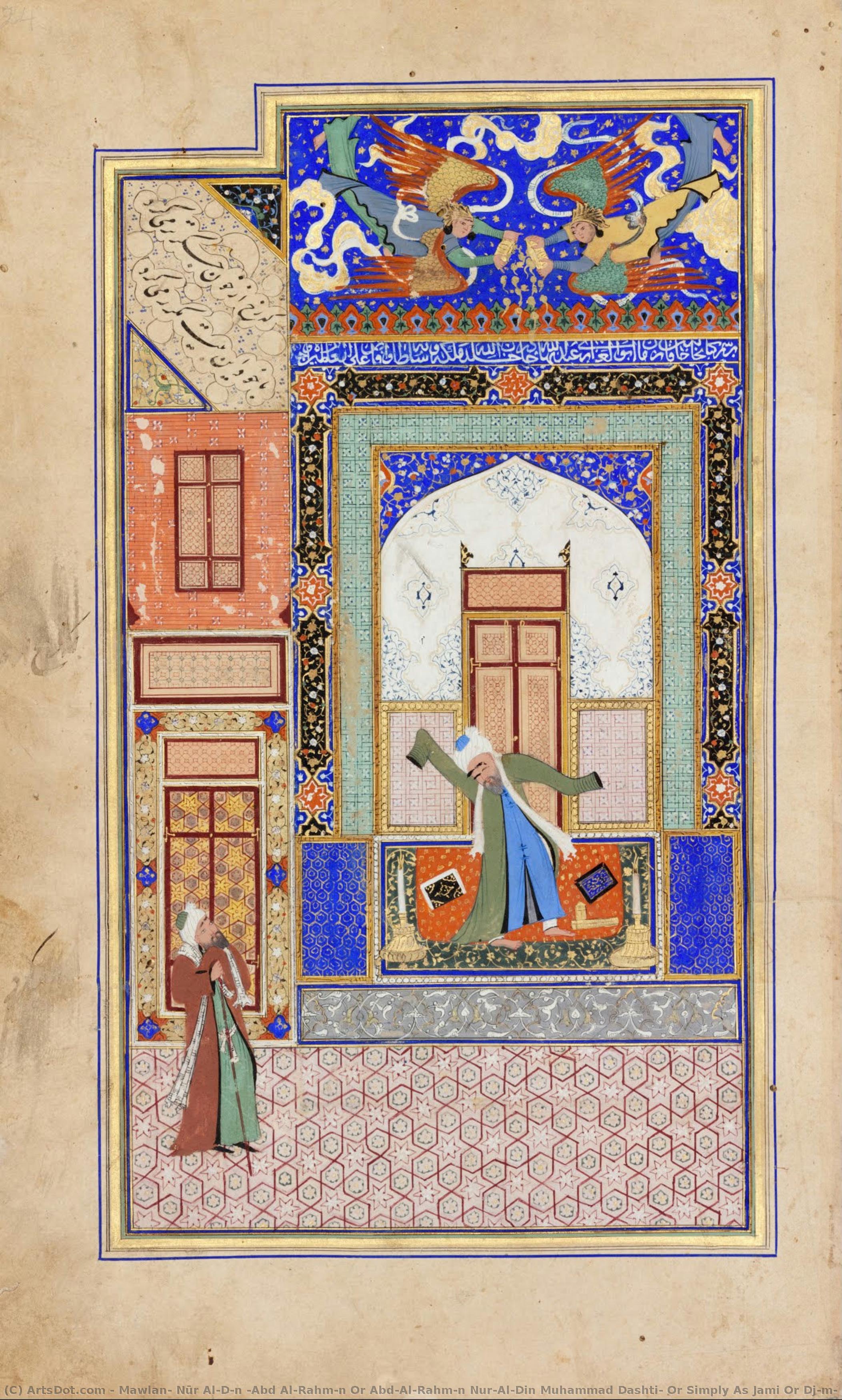
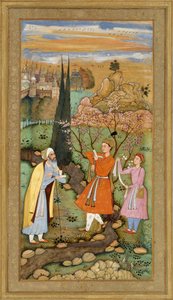
- Mawlanā Nūr Al-Dīn 'Abd Al-Rahmān Or Abd-Al-Rahmān Nur-Al-Din Muhammad Dashti, Or Simply As Jami Or Djāmī And In Turkey As Molla Cami
 プレビュー
プレビュー
 プリントを購入
 シェアする
シェアする シェアする
シェアする
 詳細を見る
詳細を見る

 ダウンロード
 似ている作品
 X線調査
X線調査 スライドショー
Manuscript
 17.0 x 28.0 cm
 al-Sabah Collection Kuwait
 詳細を見る
詳細を見る
オンラインプレビューをはるかに凌ぐ、高解像度で鮮明なデジタル画像をご購入いただけます。
各ファイルは、社内の専門家が高度なツールと熟練した手作業によるレタッチを用いて、細心の注意を払って準備されています。すべての画像において、卓越した鮮明度、正確な色彩再現性、そして繊細なディテールを保証いたします。
最終ファイルは、プロフェッショナルな編集・印刷環境ですぐにご利用いただけるよう最適化された状態で、72時間以内にメールにてお届けいたします。これは、一流のデザインスタジオ、出版社、ギャラリーから信頼されているものと同等の品質です。
デジタル画像のご注文に付随する特典
高品質なデジタル画像配信を、確かな品質で。
ArtsDot.com を選ぶことは、単に画像を手に入れることではありません。それは、プロの手によって精密に仕上げられ、満足保証が付いた高品質なデジタルアートワークを受け取ることを意味します。ご注文いただいた際に自動的に付随する内容は、以下の通りです:

メールですぐにお届け
ご注文から72時間以内に、高解像度のデジタル画像ファイルがメールでお手元に届きます。すぐにそのままご利用いただけます。

AI技術で最適化されたデジタルファイル
お客様の作品は、高度なAIツールと専門家による手作業の編集を組み合わせてプロフェッショナルに最適化されており、細部のディテール、鮮明さ、そして正確な色再現性を最大限に引き出しています。

一生涯無料の再送サービス
ファイルを誤って削除したり、紛失してしまったりしましたか?ご安心ください。いつでも無料で再送いたします。

輸入手数料は一切かかりません
関税や手数料、配送料を気にすることなく、お気に入りのアートワークをすぐにお楽しみいただけます。デジタルダウンロードは常に免税です。

色彩再現の保証
プロ仕様のツールとカラーマネジメント技術を用いることで、デジタル画像が元の色を最大限に忠実に再現することを保証いたします。

100日間満足保証
ご購入いただいたデジタル画像にご満足いただけない場合は、100日以内であれば、理由を問わず修正または100%の返金対応をさせていただきます。

100% 返金保証
ご満足いただけない場合は、デジタルファイルを受け取ってから100日以内であれば、理由を問わず全額返金いたします。

まとめ買い割引
3枚購入で10%OFF - 5枚購入で15%OFF - 10枚以上購入で20%OFF。クリエイティブなプロジェクト、ギャラリー、エージェンシーに最適です。
関連作品


作家の略歴
The Mystical Journey of Jami: A Life Woven in Poetry and Sufism
Born Nur al-Din Muhammad Dashti sometime around 1408-1409, though precise dates remain shrouded in the mists of Persian history, Abd al-Rahman Jami – often simply known as Jami or Djāmī – emerged from a world steeped in intellectual and spiritual fervor. His birthplace, near Jam, in present-day Afghanistan, provided an early grounding in the rich traditions of Islamic scholarship and Sufi mysticism that would profoundly shape his life and work. Unlike many poets who experienced hardship or exile, Jami enjoyed relative comfort and privilege, allowing him to dedicate himself fully to learning and artistic creation. His father was a scholar connected to the Timurid court, fostering an environment where poetry wasn’t merely a pastime but a revered discipline. This upbringing instilled in Jami a deep respect for both classical Persian literature and the esoteric teachings of Sufism, particularly those emanating from the Naqshbandi order. He received his early education in Samarkand, then a vibrant center of culture under the reign of Timur (Tamerlane), before continuing his studies in Herat, which would become the defining location for much of his creative output and spiritual development.A Synthesis of Tradition: Influences and Early Works
Jami’s poetic voice wasn't born in isolation; it was a carefully constructed synthesis of centuries of Persian literary tradition. He drew heavily from masters like Rumi, Hafez, Saadi, and Nizami, absorbing their stylistic nuances and philosophical depth. However, Jami didn’t simply imitate his predecessors. He sought to *reconcile* seemingly disparate strands within the poetic canon – the lyrical intensity of Hafez with the epic scope of Nizami, the spiritual fervor of Rumi with the ethical teachings of Saadi. This ambition is evident in his early works, such as the Tuhfat al-Abrar (Gift to the Pious), a masnavi (rhyming couplets) exploring moral and religious themes. His initial focus was on didactic poetry, aiming to guide readers towards spiritual enlightenment through accessible verse. But even in these early pieces, hints of his later mastery – the intricate imagery, the musicality of language, and the subtle exploration of Sufi concepts – began to emerge. He wasn’t content with simply *telling* stories about virtue; he wanted to evoke a feeling of divine presence within the reader's heart. His growing interest in the Naqshbandi Sufi order also became increasingly apparent, influencing his understanding of spiritual practice and shaping the themes explored in his poetry.The Pinnacle of Persian Mystical Poetry: Major Achievements
Jami’s most celebrated works represent the culmination of his artistic and spiritual journey. The Haft Awrang (Seven Thrones), a collection of seven masnavis, each dedicated to a different stage of Sufi initiation, is considered one of the masterpieces of Persian literature. It's a sprawling epic that weaves together tales of prophets, saints, and lovers, all serving as allegories for the soul’s ascent towards God. The Layla wa Majnun (Layla and Majnun), his retelling of the classic Arabic tale of star-crossed lovers, is perhaps his most widely read poem. Jami imbues the story with a profound Sufi interpretation, portraying Layla as the embodiment of divine beauty and Majnun’s unrequited love as the soul's yearning for union with God. However, it was the Shams al-Din Yusuf, a monumental divan (collection of poems) exceeding 15,000 couplets, that truly cemented Jami’s reputation as a poetic genius. This work showcases his unparalleled command of language, his intricate use of symbolism, and his profound understanding of Sufi metaphysics. Within theA Legacy Enduring Through Centuries: Historical Significance
Jami’s influence on Persian literature and Sufi thought is immeasurable. He wasn't merely a poet; he was a scholar, a mystic, and a teacher who sought to synthesize the intellectual and spiritual currents of his time. His works became foundational texts for Sufi orders across Central Asia, South Asia, and beyond. The Baharistan, a collection of anecdotes and moral tales, served as an ethical guide for generations of readers. He also wrote extensively on Islamic theology and philosophy, demonstrating a remarkable breadth of knowledge.- His emphasis on the importance of both outward observance and inner experience resonated deeply with Sufi practitioners.
- Jami’s poetry continues to be studied and celebrated for its beauty, depth, and spiritual insight.
- He bridged the gap between classical Persian literary tradition and the evolving landscape of Sufi mysticism.

プロフィール概要
- Artistic Movement Or Style: Sufi Poetry, Literature
- Date Of Birth: (Unknown)
- Date Of Death: (Unknown)
- Full Name: Mawlanā Nūr Al-Dīn 'Abd Al-Rahmān
- Nationality: Persian
- Notable Artworks:
- Haft Paykar
- Tuhfat al-Ahrar
- Lawā'ih
- Place Of Birth: (Unknown)