

 プレビュー
プレビュー
 プリントを購入
 シェアする
シェアする シェアする
シェアする
 詳細を見る
詳細を見る

 ダウンロード
 似ている作品
 X線調査
X線調査 スライドショー
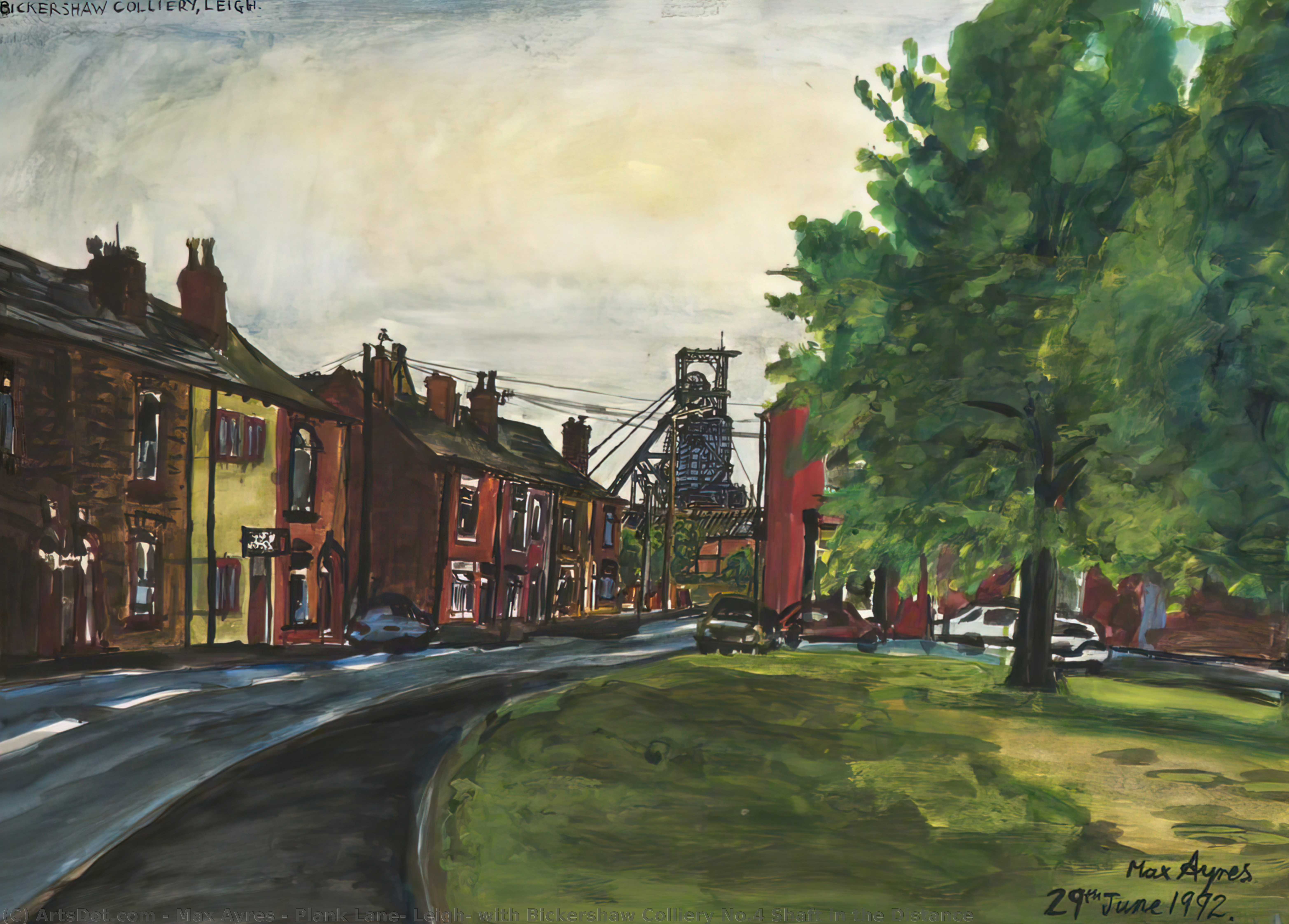
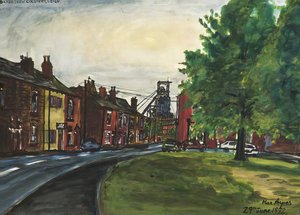
Plank Lane, Leigh, with Bickershaw Colliery No.4 Shaft in the Distance
 Acrylic On Paper
- Contemporary Realism
 1992
1992- Contemporary
 41.0 x 58.0 cm
 サルフォード博物館・美術館
 詳細を見る
詳細を見る




P118B $10

P118H $10

P118W $10

P438Z $10

P508JH $12

P508YH $12

P805H $10

P805Z $10

P919BZ $10

P919G $10

P919XJ $10

P959ZH $10

P968JZ $12

W106C $8

W218G $10

W218JH $8

W218Y $10

W307PJ $10

W316G $10

W316PJ $8

W316Y $10

W398PJ $8

W4111J $10

W500HY $15

W500JH $15

W692G $12

W849H $8

W940BG $15

W953PJ $8




作品のオリジナル比率に合わせた、当店の規定サイズからお選びください。

特定のフレームやスペースに合わせて、ご希望のサイズをご入力いただけます。選択されたサイズが元の画像の比率と異なる場合、アートワークをトリミングするか、手描きで要素を追加して絵画を拡張いたします。デジタルモックアップ を制作し、制作開始前にご確認(承認)をいただきます。
画面上のプレビューは、実際のトリミングや拡張を正確に反映しているものではありません。最終的な構図は、モックアップによってのみ正確にご確認いただけます。
カスタムサイズもご利用いただけますが、元の比率を維持するためには、あらかじめ用意されたリストからサイズを選択することをお勧めいたします。
ご注文後、ArtsDot.com チームより詳細な指示をお送りするとともに、仕上がりイメージ(モックアップ)をご提供いたします。


 ガラスオプションは、110cm未満のサイズでのみご利用いただけます。

Plank Lane, Leigh, with Bickershaw Colliery No.4 Shaft in the Distance
複製技法
複製画のサイズ
-


合計金額
$ 263
A Window into Industrial Nostalgia
In the quiet intersection of memory and landscape, Max Ayres’s "Plank Lane, Leigh, with Bickershaw Colliery No.4 Shaft in the Distance" stands as a profound testament to a vanishing era. Created in 1992, this evocative piece captures more than just a street scene; it preserves the very soul of an industrial community. The painting presents a serene, almost pastoral view of Plank Lane, where the lush greenery of roadside trees frames a lived-in urban reality. As the eye wanders through the composition, one encounters the rhythmic presence of parked cars, a passing bus, and the subtle movement of pedestrians, all contributing to a sense of everyday continuity. Yet, looming on the horizon, the Bickershaw Colliery No.4 Shaft serves as a silent, monumental sentinel, bridging the gap between the domestic tranquility of the village and the raw, industrious power that once defined the region.
The artist’s technique is nothing short of masterful, utilizing an impressionistic approach that breathes life into every brushstroke. Ayres employs a warm, inviting palette dominated by golden yellows, deep reds, and earthy browns, which imbues the scene with a sense of nostalgic warmth and homeliness. The texture of the acrylic on paper allows for a visible, energetic application of paint, creating a dynamic surface that captures the shifting light of an overcast English sky. This soft, diffused illumination prevents harsh shadows, instead bathing the street in a gentle glow that highlights the intricate details of the traditional architecture—the pitched roofs and chimneys that speak to the historical character of Leigh. The interplay between the organic, leafy textures of the trees and the rigid, man-made structures of the colliery creates a visual tension that is both beautiful and thought-provoking.
The Intersection of Nature and Industry
Beyond its aesthetic charm, this artwork serves as a vital piece of social realism and historical documentation. Max Ayres was renowned for his ability to excavate the layers of memory embedded within the British landscape. In this specific work, he explores the delicate balance between the natural world and the industrial footprint. The trees do not merely decorate the scene; they provide depth and dimension, acting as a soft buffer against the imposing presence of the coal mine in the distance. This juxtaposition symbolizes the coexistence of life and labor, of the quiet moments of a residential afternoon and the heavy, rhythmic pulse of the mining industry that sustained the community.
For the discerning collector or interior designer, this painting offers a unique opportunity to introduce a narrative-driven piece into a curated space. It is an artwork that invites contemplation, making it an ideal focal point for a study, a library, or a sophisticated living area where conversation and reflection are encouraged. The piece does not merely decorate a wall; it tells a story of resilience and heritage. Owning a high-quality reproduction of this work means bringing home a fragment of history—a moment frozen in time from June 1992 that continues to resonate with the enduring spirit of the English industrial landscape.
関連作品

アーティストの略歴
The Dust and the Dream: Unearthing the Landscapes of Max Ayres
Max Ayres’s art isn't merely a depiction of industrial England; it’s an excavation of memory, resilience, and the profound connection between humanity and the land. Born in Minneapolis in 1908, his early life was marked by hardship – a fractured family, childhood illnesses, and a persistent sense of isolation. These formative experiences, far from stifling his creativity, became the bedrock upon which he built his distinctive visual language. Ayres’s journey to becoming an artist wasn't paved with formal training or conventional routes; instead, it began with a simple act: sketching goats in a field at age eight. This initial foray into representation ignited a lifelong passion, one that would ultimately lead him to meticulously document the vanishing world of British coal mines and industrial landscapes.
His early career as a musician – banjo player for big bands and a stint with Henry Halstead’s orchestra – provided a crucial apprenticeship in observation and performance. These experiences honed his ability to perceive subtle details, capture fleeting moments, and translate them into visual form. However, it was the devastating loss of his father, Joseph Ayres, a Royal Engineer, that irrevocably shaped Max's artistic trajectory. This profound grief fueled a period of deep depression, a struggle he carried with him throughout much of his life. It’s within this context of personal tragedy and quiet determination that we begin to understand the emotional depth underpinning his work.
The Coal Mines as Portraits
Ayres's most celebrated subjects are undoubtedly the coal mines of Lancashire – Bickershaw Colliery, Parsonage Pit, and countless others. He didn’t simply paint these industrial behemoths; he treated them as characters in a sprawling narrative, portraits of a community inextricably linked to the earth beneath their feet. His technique is remarkably detailed, almost obsessively so. He employed a layered approach, building up textures with thick impasto – using heavy applications of oil paint—to capture the grit, grime, and raw physicality of these working environments. The colors are often muted, dominated by browns, grays, and ochres, reflecting the dust-laden atmosphere and the somber reality of mining life.
Crucially, Ayres’s paintings aren't romanticized depictions of industry. He doesn’t shy away from portraying the harsh conditions, the dangers, or the sense of confinement. Yet, within this bleakness, there’s a profound beauty—a testament to human endurance and the enduring spirit of the miners. His meticulous attention to detail reveals not just the mechanics of the mines but also the faces of the men who worked them, their tools, and the subtle signs of their labor etched into the landscape.
Turbines and Transformation
The mid-20th century marked a pivotal shift in Ayres’s artistic practice. Recognizing the decline of traditional coal mining, he began to document the changing industrial landscape with renewed urgency. This coincided with the introduction of turboprop engines, which dramatically altered the appearance and operation of the mines. Ayres embraced this technological evolution, adapting his technique to capture these new machines and their impact on the environment. He famously converted many of his earlier S-2 designs to turbine power, a testament to his adaptability and willingness to embrace change.
The 1992 fire that ravaged his home and destroyed much of his studio was a devastating blow, but it also served as a catalyst for renewed creativity. As he recounted in an interview with the Guardian, the charred remains of his paintings became a source of inspiration, transforming into hauntingly beautiful abstract compositions—a poignant reflection on loss and resilience. This event underscored Ayres’s deep connection to his work; it wasn't simply about depicting landscapes but about preserving memories and documenting a vanishing way of life.
Legacy and the Echoes of Industry
Max Ayres remains a singular figure in British art, an outsider who captured the heart and soul of industrial England with unparalleled detail and emotional depth. His paintings are not merely historical records; they’re intimate portraits of a community, a testament to human resilience, and a poignant meditation on loss and transformation. His work continues to resonate today, reminding us of the profound impact of industry on our landscapes and our lives. The echoes of his coal mines—the dust, the darkness, and the enduring spirit of those who labored within them—remain powerfully present in his art.
基本情報
- Artistic Movement Or Style: Industrial landscapes
- Artists Or Movements Influenced By This Artist:
- Symbolism
- Realism
- Artists Who Influenced This Artist: ['Lew Ayres']
- Full Name: Max Ayres
- Nationality: British
- Notable Artworks:
- Parsonage Colliery
- Bickershaw Colliery
- Place Of Birth: Leigh, Lancashire
関連記事
Sandstone & Sunlight: 10 Masterpieces of Earth-Toned Art |
Journey through 10 iconic paintings bathed in 'sand' tones – from Van Gogh to Monet. Explore the stories, techniques & warm palettes of these timeless masterpieces. Find museum-quality art reproductions at and bring classic beauty home.
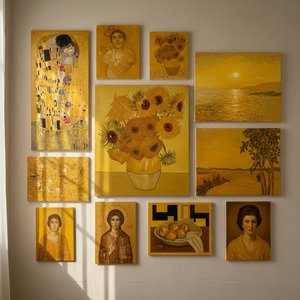
Golden Hues: Top 10 Paintings Dominated by Yellow Ochre |
Explore 10 iconic paintings bathed in golden yellow ochre! From Van Gogh's sunflowers to Monet’s haystacks, discover the stories behind these masterpieces. Find museum-quality art reproductions & elevate your home decor on .

Earthy Hues & Masterpieces: Top 10 Paintings with 'Mushroom' Tones |
Explore 10 iconic paintings with captivating 'mushroom' tones! Discover Van Gogh, Monet & Rembrandt’s masterpieces—earthy palettes, rich history & artistic techniques. Find museum-quality art reproductions and curated decor ideas at
The Resonance of Earthly Tones: Exploring Nuance, History & Emotional Impact in Art
Explore the captivating world of earth tones in art! Discover historical context, emotional resonance & artistic techniques behind these timeless colors. Find inspiration for your home decor and museum-quality reproductions.
Earthy Hues & Masterpieces: Top 10 Paintings Dominated by Clay Tones |
Explore 10 iconic paintings dominated by rich clay tones – from Rembrandt's warmth to Van Gogh’s earthy landscapes. Discover art history, techniques & find museum-quality reproductions at . Explore the full collection online!