 プレビュー
プレビュー
 プリントを購入
 シェアする
シェアする シェアする
シェアする
 詳細を見る
詳細を見る

 ダウンロード
 似ている作品
 X線調査
X線調査 スライドショー
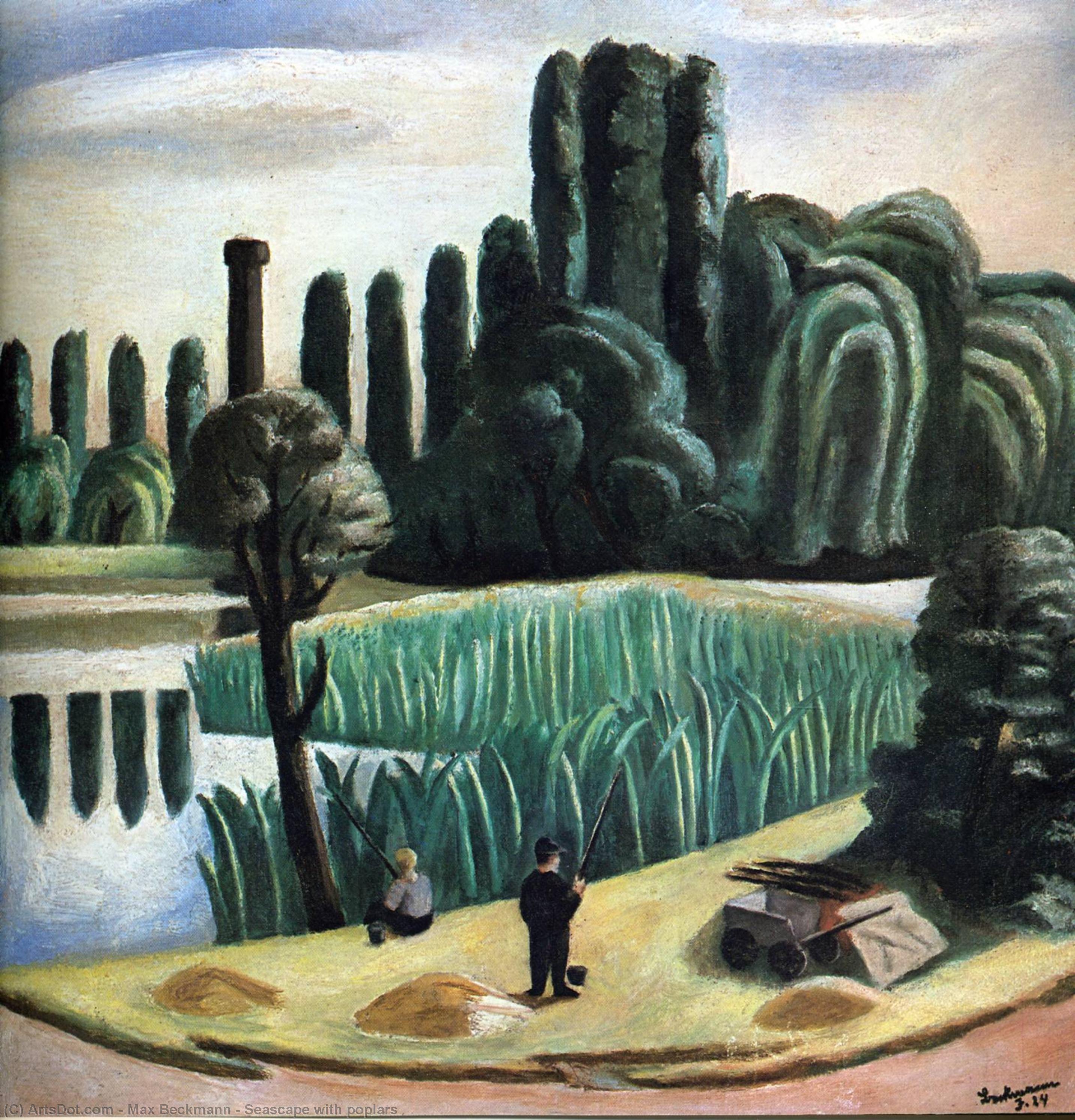
Seascape with poplars


 詳細を見る
詳細を見る




P118B $10

P118H $10

P118W $10

P438Z $10

P508JH $12

P508YH $12

P805H $10

P805Z $10

P919BZ $10

P919G $10

P919XJ $10

P959ZH $10

P968JZ $12

W106C $8

W218G $10

W218JH $8

W218Y $10

W307PJ $10

W316G $10

W316PJ $8

W316Y $10

W398PJ $8

W4111J $10

W500HY $15

W500JH $15

W692G $12

W849H $8

W940BG $15

W953PJ $8




作品のオリジナル比率に合わせた、当店の規定サイズからお選びください。

特定のフレームやスペースに合わせて、ご希望のサイズをご入力いただけます。選択されたサイズが元の画像の比率と異なる場合、アートワークをトリミングするか、手描きで要素を追加して絵画を拡張いたします。デジタルモックアップ を制作し、制作開始前にご確認(承認)をいただきます。
画面上のプレビューは、実際のトリミングや拡張を正確に反映しているものではありません。最終的な構図は、モックアップによってのみ正確にご確認いただけます。
カスタムサイズもご利用いただけますが、元の比率を維持するためには、あらかじめ用意されたリストからサイズを選択することをお勧めいたします。
ご注文後、ArtsDot.com チームより詳細な指示をお送りするとともに、仕上がりイメージ(モックアップ)をご提供いたします。


 ガラスオプションは、110cm未満のサイズでのみご利用いただけます。

Seascape with poplars
複製技法
複製画のサイズ
-


合計金額
$ 288
Max Beckmann's 'Seascape with Poplars': A Meditation on Melancholy
Max Beckmann’s ‘Seascape with Poplars,’ painted in 1924, is more than just a depiction of a coastal scene; it’s a profound exploration of human emotion rendered through the lens of Expressionism. This work, characterized by its muted palette and deliberately flattened perspective, invites viewers into a contemplative space where quiet melancholy reigns supreme. The painting immediately draws the eye to the stark contrast between the vertical thrust of the poplars lining the shore and the horizontal expanse of the sea, creating a visual tension that mirrors the underlying emotional complexity.
The scene unfolds with a restrained elegance – figures engaged in leisure activities near the water’s edge, boats gently bobbing on the waves, all bathed in diffused light. Beckmann's technique is meticulously crafted; layers of oil paint are applied in relatively flat planes, avoiding the blending and subtle gradations favored by some contemporary artists. This deliberate approach contributes to the painting’s almost sculptural quality, emphasizing form over photographic realism. The thick lines and simplified shapes – a hallmark of Expressionism – further amplify this effect, creating a sense of solidity and permanence.
A Window into the Artist's Soul
Born in Leipzig in 1884, Max Beckmann’s artistic trajectory was profoundly shaped by his experiences during World War I. His early work demonstrated academic precision, but the horrors he witnessed as a medical orderly ignited a radical shift in his vision. This transformation is powerfully evident in ‘Seascape with Poplars,’ where distorted figures and spaces reflect a deeply troubled psyche. Beckmann’s artistic vocabulary was remarkably diverse, drawing inspiration from a wide range of sources – medieval stained glass, Cézanne's geometric forms, Van Gogh’s emotive brushwork, and the symbolic narratives of Blake and Rembrandt.
The influence of Northern European artists, particularly Bosch and Grünewald, is palpable in the painting’s unsettling atmosphere. These masters were known for their ability to imbue religious scenes with a sense of foreboding and psychological depth, qualities that Beckmann skillfully translates into his seascape. The composition subtly evokes a feeling of isolation and vulnerability, mirroring the artist's own struggles with disillusionment and uncertainty.
Symbolism and Emotional Resonance
Beyond its formal elements, ‘Seascape with Poplars’ is rich in symbolic meaning. The poplars themselves – often associated with stability and resilience – stand as silent witnesses to the scene’s underlying melancholy. The boats, representing journeys and transitions, suggest a yearning for escape or perhaps a confrontation with one's own mortality. Beckmann masterfully uses color—greens, browns, and grays—to evoke a sense of quietude and somber reflection. The ambiguous perspective further enhances this effect, blurring the boundaries between reality and imagination.
The painting’s emotional impact is undeniable. It's not a joyous celebration of nature; rather, it’s a poignant meditation on human existence – a reminder of our vulnerability, our isolation, and the inevitability of change. ‘Seascape with Poplars’ remains a powerful testament to Beckmann’s artistic genius and his ability to translate complex emotions into a visually arresting work of art.
関連作品

アーティストの略歴
黎明期の表現と初期の歩み
マックス・ベックマン、本名マックス・カール・フリードリヒ・ベックマンは、1884年2月12日にザクセン州ライプツィヒで生まれました。画家、版画家、彫刻家、そして作家として多才な才能を発揮した彼は、当初、アカデミックに正確な描写を追求していました。しかし、第一次世界大戦中に医療兵として従軍した経験が彼の視点を大きく変え、その後の作品には歪んだ人物像や空間表現が目立つようになりました。戦争の残酷さと人間の存在に対する深い問いかけが、ベックマンの芸術的探求の原動力となったのです。様式と影響
ベックマンのスタイルは、中世のステンドグラスのイメージを基盤としています。彼はセザンヌ、ゴッホ、ブレイク、レンブラント、ルーベンスなど、多様な芸術家から影響を受けました。特に、セザンヌの形態へのこだわりや、ゴッホの感情的な表現は、ベックマンの作品に大きな足跡を残しています。また、中世後期からルネサンス初期の北ヨーロッパの芸術家たち、例えばボッシュ、ブリューゲル、マティアス・グルーネヴァルトからもインスピレーションを得ていました。これらの影響が融合し、ベックマン独自の象徴的で力強い表現世界を築き上げていったのです。重要な作品と展覧会
* 「樹皮」(Die Bark) - ベルリン国立ギャラリーに所蔵されています。この作品は、ベックマンの初期の代表作の一つであり、彼の独特な空間構成と人物描写が際立っています。 * 「タキシード姿の自画像」(Selbstbildnis in Tuxedo) - 1928年に購入されました。これは、ベックマンが自身の内面を深く掘り下げた作品であり、彼の芸術家としてのアイデンティティを探求しています。 * マンハイム市立美術館(Städtische Kunsthalle Mannheim)(1928年)、バーゼルとチューリヒ(1930年)での回顧展は、ベックマンの芸術的評価を高める上で重要な役割を果たしました。これらの展覧会を通じて、彼の作品がより多くの人々に知られるようになり、その才能が広く認められるようになりました。晩年と亡命
アドルフ・ヒトラーの台頭は、ベックマンの運命を大きく変えました。彼はフランクフルト美術学校から解雇され、500点以上の作品が没収されました。その後、彼は10年間オランダのアムステルダムに自発的な亡命生活を送りましたが、アメリカへのビザを取得することはできませんでした。この時期は、ベックマンにとって苦難の時代でしたが、彼は創作活動を続け、多くの傑作を生み出しました。遺産
* ベックマンは、ワシントン大学セントルイス校とブルックリン美術館で教鞭をとりました。これらの教育機関での指導を通じて、次世代の芸術家たちに大きな影響を与えました。 * 1948年には、セントルイス市立美術館でアメリカ初の回顧展が開催されました。この展覧会は、ベックマンの作品をアメリカ社会に紹介する上で重要な役割を果たし、彼の国際的な評価を高めるきっかけとなりました。 * ドイツのマックス・スレフォート・ギャラリー(Max-Slevogt Galerie)では、彼の作品コレクションが展示されています。マックス・ベックマンは、ドイツ表現主義の重要な人物として、その象徴的で力強い作品を通じて、現代美術に多大な貢献をしました。彼の芸術は、戦争のトラウマや人間の存在に対する深い問いかけを反映しており、今日でも多くの人々に感動を与え続けています。 重要な日付: * 生年月日:1884年2月12日 * 没年月日:1950年12月27日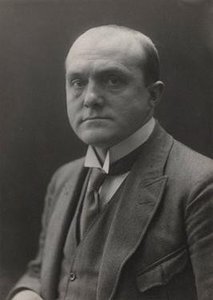
マックス・ベックマン
1884 - 1950 , ドイツ
基本情報
- Artistic Movement Or Style: 表現主義
- Artists Or Movements Influenced By This Artist:
- レンブラント
- ボッシュ
- Artists Who Influenced This Artist:
- セザンヌ
- ゴッホ
- Date Of Birth: 1884年2月12日
- Date Of Death: 1950年12月27日
- Full Name: マックス・カール・フリードリヒ・ベックマン
- Nationality: ドイツ人
- Notable Artworks (List Of Titles):
- 「樹皮」
- 自画像(タキシード)
- Place Of Birth (City And Country): ドイツ、ライプツィヒ
関連記事
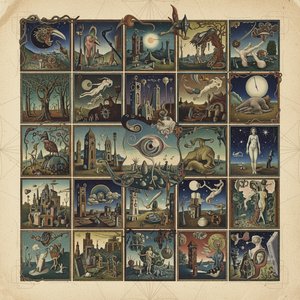
マックス・エルンスト傑作25選:シュルレアリスムの深淵と装飾への誘い
マックス・エルンストの傑作25選。シュルレアリスムを代表する画家、その夢と無意識の世界を描いた絵画や版画を紐解きます。リビングやオフィスに飾るモダンアート、インテリアに最適な作品を見つけませんか?ArtsDot.comで全コレクションをオンラインで探す。

葛飾北斎:25の傑作が語る浮世絵の世界 - ArtsDot
葛飾北斎の25選:『神奈川沖浪裏』や『富嶽三十六景』など、浮世絵の世界を深く探求。木版画の技法と日本美術の美をArtsDotで。高品質なアートプリントで空間に感動を。コレクションはこちら。

ロマン派ランドスケープ:時代を彩る巨匠の10選|アートとインテリアの世界
ロマン派絵画の時代を彩る10選。巨匠たちの風景が織りなす感動の世界へ。ターナー、ルーベンスなど、名作の裏話と高精細複製でアートをお部屋に。ArtsDot.comで至福のアート体験を。

Giclée Prints: Archival Quality & Aesthetic Nuances for the Discerning Collector
Explore the world of giclée prints with ArtsDot. Learn about archival quality, aesthetic nuances & investment potential. Expert guidance for discerning art collectors seeking museum-quality reproductions and lasting value.

Evocations of Place: A Historical Journey Through Landscape Art
Explore the rich history of landscape art with ArtsDot. Discover renowned artists, movements like Impressionism & Romanticism, and expert guidance for collecting timeless pieces. Find your perfect serene escape today!
![夜(プレート7)[Die Nacht (Blatt 7)] - 地獄(Die Hölle)より](/media/artworks/images-thumb/00/ef/00eff412211ea97065a3447811e4a94b.jpg)