 プレビュー
プレビュー
 シェアする
シェアする シェアする
シェアする
 詳細を見る
詳細を見る

 ダウンロード
 似ている作品
 X線調査
X線調査 スライドショー
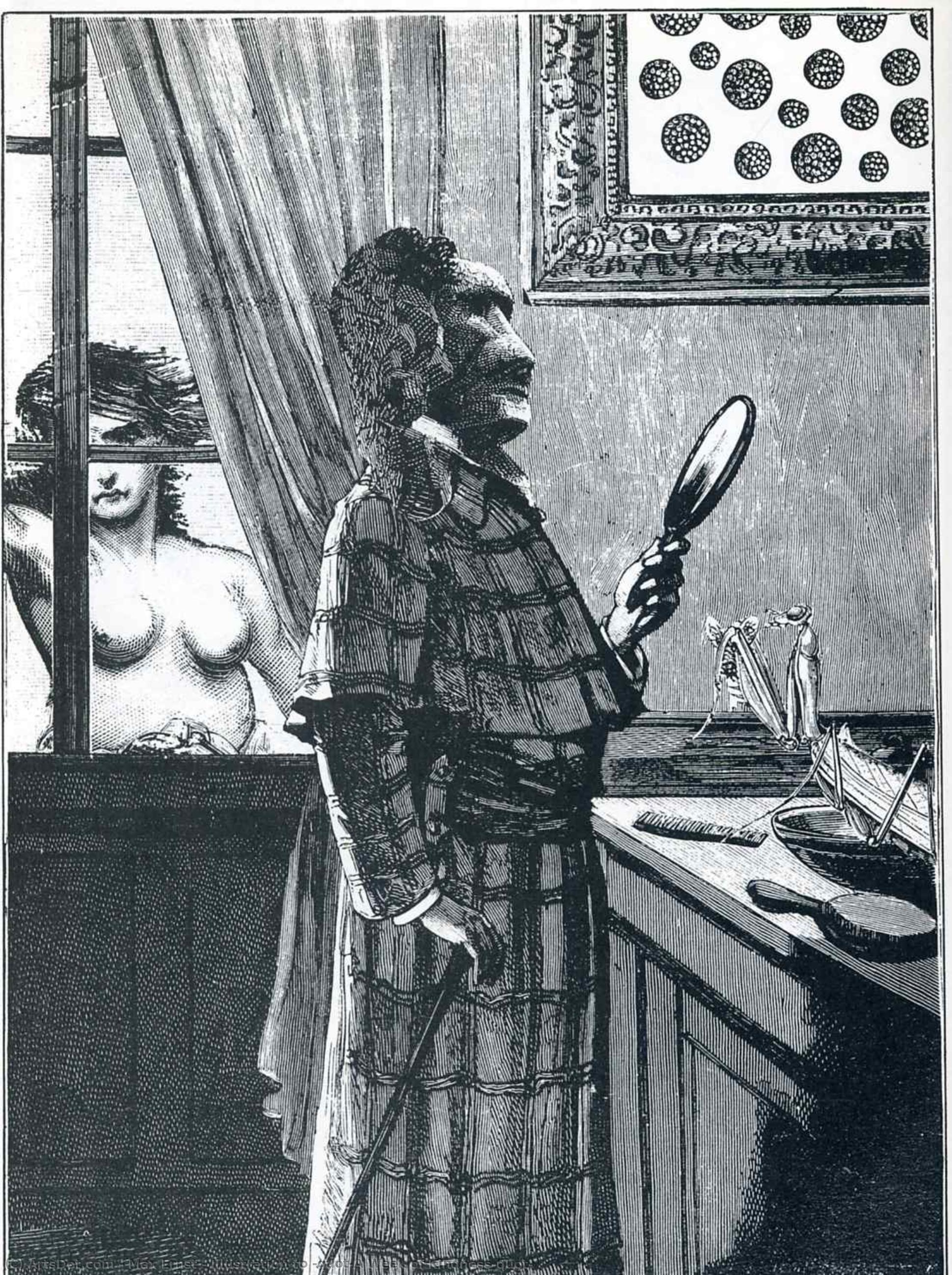
Illustration to "A Week of Kindness"
 Acrylic On Canvas
- WallArt
- Surrealist Exploration
 1934
1934 18.0 x 13.0 cm
 シュターツガレリー・シュトゥットガルト
 詳細を見る
詳細を見る
ジークレー/アートプリント
迅速な制作と多彩な仕上げオプションを備えた、ミュージアムクオリティのジークレーまたはキャンバスプリント。 ( 手描きの絵画を購入 画像を購入)




P118B $10

P118H $10

P118W $10

P438Z $10

P508JH $12

P508YH $12

P805H $10

P805Z $10

P919BZ $10

P919G $10

P919XJ $10

P959ZH $10

P968JZ $12

W106C $8

W218G $10

W218JH $8

W218Y $10

W307PJ $10

W316G $10

W316PJ $8

W316Y $10

W398PJ $8

W4111J $10

W500HY $15

W500JH $15

W692G $12

W849H $8

W940BG $15

W953PJ $8




作品のオリジナル比率に合わせた、当店の規定サイズからお選びください。

特定のフレームやスペースに合わせて、ご自身でサイズを指定することも可能です。選択されたサイズが元の画像の比率と一致しない場合、作品をトリミングするか、鏡面反射または単色での塗りつぶしによって画像を拡張いたします。制作を開始する前に、ご確認用のデジタルモックアップをお送りいたします。
画面上のプレビューには、実際のトリミングや拡張は反映されませんのでご注意ください。最終的な構図を正確に確認できるのは、モックアップのみとなります。
カスタムサイズも承っておりますが、元の比率を維持するためには、あらかじめ用意されたリストからサイズを選択することをお勧めいたします。


 ガラスオプションは、110cm未満のサイズでのみご利用いただけます。

Illustration to "A Week of Kindness"
ジークレー/アートプリント
複製画のサイズ
-


合計金額
$ 62
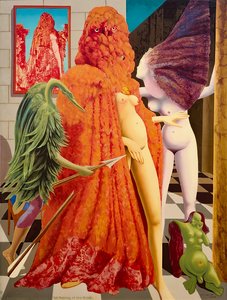
A Study in Shadow and Desire: Max Ernst’s “Illustration to ‘A Week of Kindness’”
This arresting black and white drawing, created by the visionary Max Ernst in 1934, offers a haunting glimpse into the complexities of human interaction and the unsettling power of perception. Measuring a modest 18 x 13 cm, it’s deceptively small – a contained world brimming with psychological depth and a palpable sense of unease. The image depicts a man, formally dressed in a tie, holding a mirror before his face as he scrutinizes two women positioned on either side of him. A simple dining table with a bowl sits to the right, suggesting a shared meal, yet the scene’s core is dominated by an unspoken tension and a veiled observation.
Ernst, a restless soul deeply immersed in philosophy, psychology, and art history – disciplines he pursued with relentless curiosity – was particularly fascinated by the subconscious mind and its influence on artistic creation. This intellectual framework profoundly shaped his work, moving beyond mere representation to explore the hidden currents of desire, fear, and memory. “A Week of Kindness,” likely an illustration for a publication exploring themes of morality and social interaction, becomes a potent meditation on the subjective nature of judgment and the potential for manipulation within seemingly benevolent acts.
Decoding the Composition: Form, Technique, and Visual Language
The drawing’s strength lies not in its literal depiction but in its masterful use of visual cues. Ernst's technique is characterized by a deliberate ambiguity – lines are sharp yet fluid, creating an unsettling blend of realism and abstraction. The man’s posture, rigid with focused attention, contrasts sharply with the passive stillness of the women. Notice how he holds the mirror not as a tool for self-reflection, but as an instrument of observation, transforming himself into a voyeur. The use of stark black and white amplifies this effect, stripping away any potential romanticism or warmth, leaving only the raw essence of the scene.
- Mirror as Symbol: The mirror is arguably the most crucial element. It’s not simply a reflective surface; it represents an external gaze, a judgment imposed upon the women by the man. It forces them to confront their own image through his eyes, highlighting the power dynamics at play.
- Spatial Arrangement: The positioning of the figures – the man centrally, flanked by the two women – establishes a clear hierarchy and reinforces his dominant role.
- Restrained Detail: Ernst’s economy of line is deliberate. He avoids unnecessary embellishment, focusing instead on conveying mood and psychological state through subtle gestures and carefully chosen details.
Historical Context and the Surrealist Impulse
Created in 1934, this drawing reflects the broader anxieties and intellectual currents of the time. The rise of psychoanalysis, spearheaded by Sigmund Freud, was profoundly influencing artistic thought, encouraging artists to delve into the hidden recesses of the human psyche. Ernst’s work aligns with the burgeoning Surrealist movement, though he resisted easy categorization. He sought to disrupt conventional modes of representation and tap into the realm of dreams, irrationality, and the unconscious – a pursuit evident in his exploration of memory, sexuality, and the unsettling juxtaposition of disparate images.
The political climate of Europe during this period also contributed to the atmosphere of unease present in the drawing. The looming threat of war and the rise of totalitarian ideologies fueled a sense of disillusionment and uncertainty, themes that frequently permeated Surrealist art. “A Week of Kindness,” therefore, can be interpreted as a subtle critique of societal expectations and the potential for deception beneath a veneer of civility.
Emotional Resonance and Artistic Legacy
“Illustration to ‘A Week of Kindness’” is more than just a drawing; it’s an invitation to contemplate the complexities of human relationships, the nature of judgment, and the power of perception. The image evokes a sense of discomfort, prompting viewers to question the motives behind seemingly kind actions and to consider the potential for hidden agendas. It's a testament to Ernst’s ability to distill profound psychological insights into a deceptively simple composition. A reproduction offers an intimate encounter with this enigmatic work, allowing its unsettling beauty and intellectual depth to resonate long after viewing.
関連作品
アーティストの略歴
マックス・エルンスト:シュルレアリスムの先駆者、夢と技法の探求
マックス・エルンストは、1891年4月2日にドイツのブリュールで生まれ、20世紀美術における最も重要な芸術家の一人として記憶されています。彼の人生は、哲学的な探究心、心理学への深い関心、そして社会規範に対する強い反抗心によって推進された、自己主導型の芸術的探求でした。エルンストの父親は耳の不自由な人々を教える教師であり、アマチュア画家でもありました。この環境が、彼に世界に対する感受性と権威に対する反逆心を植え付けたのです。幼少期から培われたこの二面性は、彼の芸術的ビジョンの根幹となりました。ボン大学での学業 – 哲学、美術史、文学、心理学、精神医学を網羅する – は単なる余興ではなく、その後の作品に深く影響を与える基盤となりました。彼は絵を描く方法だけでなく、「なぜ」描くのかという問いに向き合っていたのです。 1912年のケルンで開催されたゾンダーブント展でピカソ、ゴッホ、ゴーギャンの革新的な作品に出会い、彼の芸術的軌道は決定的に変化しました。第一次世界大戦の勃発は、エルンストにとって転換点となりました。東部および西部戦線での兵役経験は彼を深く傷つけ、確立された秩序に対する深い懐疑感と、新たな表現方法への渇望を生み出しました。この失望感が肥沃な土壌を見つけたのが、台頭してきたダダイスムでした。エルンストはこれを熱心に受け入れ、ハンス・アルプと共にケルンのダダイ集団の中核を担い、伝統的な芸術的慣習を拒否し、不条理、偶然性、非合理性を抱きしめました。しかし、ダダイズムは単なる通過点でした。1920年代初頭にパリに移住したエルンストは、アンドレ・ブルトン率いるシュルレアリスムの仲間入りを果たしました。これは、夢の世界、無意識、そして非合理を探求することへのシフトを意味しました。ジークムント・フロイトの精神分析理論の影響を受け、エルンストは芸術を通して人間の経験の深層にある心理的な力を明らかにするよう努めました。革新的な技法:フロッタージュ、グラタージュ、コラージュ
エルンストの芸術的革新は主題だけでなく、技法にも及びました。彼は既存の方法を単に採用するのではなく、新しいものを発明しました。おそらく最も有名な貢献はフロッタージュです。これは、様々な素材の表面の質感に鉛筆や木炭で擦り込むことで、予期せぬ表現力豊かなイメージを生み出すプロセスです。この技法は、退屈な瞬間から生まれたものであり、エルンストが無意識に触れ、意図的に制御できない形を生成することを可能にしました。密接に関連するものとしてグラタージュがあり、キャンバスに塗られた絵の具を掻き落とし、その下に置かれたオブジェクトの痕跡を現出させます。 彼はまた、雑誌からの切り抜き、科学的イラストレーション、写真など、様々な要素を組み合わせたシュールな構成を作り出すコラージュも巧みに使用しました。これらの技法は単なる様式的な選択ではなく、無意識を探求し、伝統的な芸術的境界線を破壊したいという彼の願望に不可欠でした。彼の絵画には、しばしば反復する象徴的なイメージが見られます。鳥(特に彼のもう一人の人格であるロプロップ)、荒涼とした風景、不穏な組み合わせ、そして蔓延する神秘主義です。影響と遺産
第二次世界大戦の勃発は、エルンストをヨーロッパからの亡命へと追い込みました。彼はアメリカ合衆国で避難し、亡くなるまで新しい技法を実験しながら絵を描き続けました。戦後、彼はフランスに戻り、1954年には第27回ヴェネツィア・ビエンナーレで芸術的業績全体に対してグランプリを受賞し、国際的な評価を得ました。彼の作品は、その後の世代のアーティストに計り知れない影響を与えました。 マックス・エルンストのダダイズムとシュルレアリスムへの貢献は、画期的でした。彼は芸術規範に挑戦し、人間の心の深淵を探求し、今日までアーティストにインスピレーションを与え続けている革新的な技術を発明しました。彼は単なる画家ではなく、探検家であり、挑発者であり、芸術そのものの境界線を拡大した先見の明を持った人物でした。彼の作品は、想像力への賛歌、非合理性の魅力、そして人間の精神の複雑さを理解するための永続的な探求の証です。- 主要な作品: 全都市、エウクリデス、このことを人は知るべきではない、森と鳩
- 影響を受けた芸術家: パブロ・ピカソ、フィンセント・ファン・ゴッホ、ポール・ゴーギャン、ジークムント・フロイト、ジョルジョ・デ・キリコ
- 運動: ダダイズム、シュルレアリスム
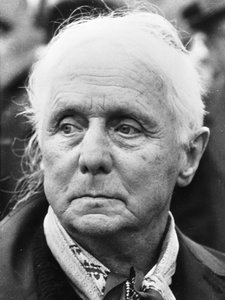
マックス・エルンスト
1891 - 1976 , ドイツ
基本情報
- フルネーム: マックス・エルンスト
- 主な作品:
- エウクリデス
- 完全都市
- 森と鳩
- この男達は知るな
- 出生地: ブリュール(ドイツ)
- 国籍: ドイツ系アメリカ人、フランス人
- 影響を与えたアーティストまたは運動:
- シュルレアリスム
- ダダ
- 影響を受けたアーティスト:
- パブロ・ピカソ
- フィンセント・ファン・ゴッホ
- ポール・ゴーギャン
- ジョルジョ・デ・キリコ
- 死亡年月日: 1976年4月1日
- 生年月日: 1891年4月2日
- 芸術運動またはスタイル: ダダ、シュルレアリスム
関連記事
マックス・エルンスト傑作25選:シュルレアリスムの深淵と装飾への誘い
マックス・エルンストの傑作25選。シュルレアリスムを代表する画家、その夢と無意識の世界を描いた絵画や版画を紐解きます。リビングやオフィスに飾るモダンアート、インテリアに最適な作品を見つけませんか?ArtsDot.comで全コレクションをオンラインで探す。

White on Canvas: 10 Masterpieces & Timeless Elegance for Your Home Decor
Explore 10 iconic white paintings by Monet, Whistler & Rothko! Discover the stories behind these serene masterpieces and their impact on art history. Find museum-quality reproductions for your home decor at .

Dark Masterpieces: 10 Iconic Paintings Dominated by Black Tones |
Explore 10 iconic paintings dominated by black tones, from Rembrandt’s chiaroscuro to Goya's dark expressions. Discover the stories behind these masterpieces & find museum-quality art reproductions for your home at .

Monochrome Visions: Exploring the Aesthetic & Historical Significance of Black & White Photography
Explore the rich history & artistic power of black and white photography. From early techniques to iconic masters like Ansel Adams, discover why monochrome continues to captivate art lovers today. Expert insights for collectors.

Kay Rasmus Nielsen: A Golden Age Illustrator's Enchanting Legacy of Symbolism & Narrative
Explore the captivating world of Kay Rasmus Nielsen, a celebrated Golden Age illustrator renowned for his Art Nouveau fairy tale art & Disney contributions. Discover his unique style, enduring legacy, and how to collect his enchanting works.