 プレビュー
プレビュー
 プリントを購入
 シェアする
シェアする シェアする
シェアする
 詳細を見る
詳細を見る

 ダウンロード
 似ている作品
 X線調査
X線調査 スライドショー
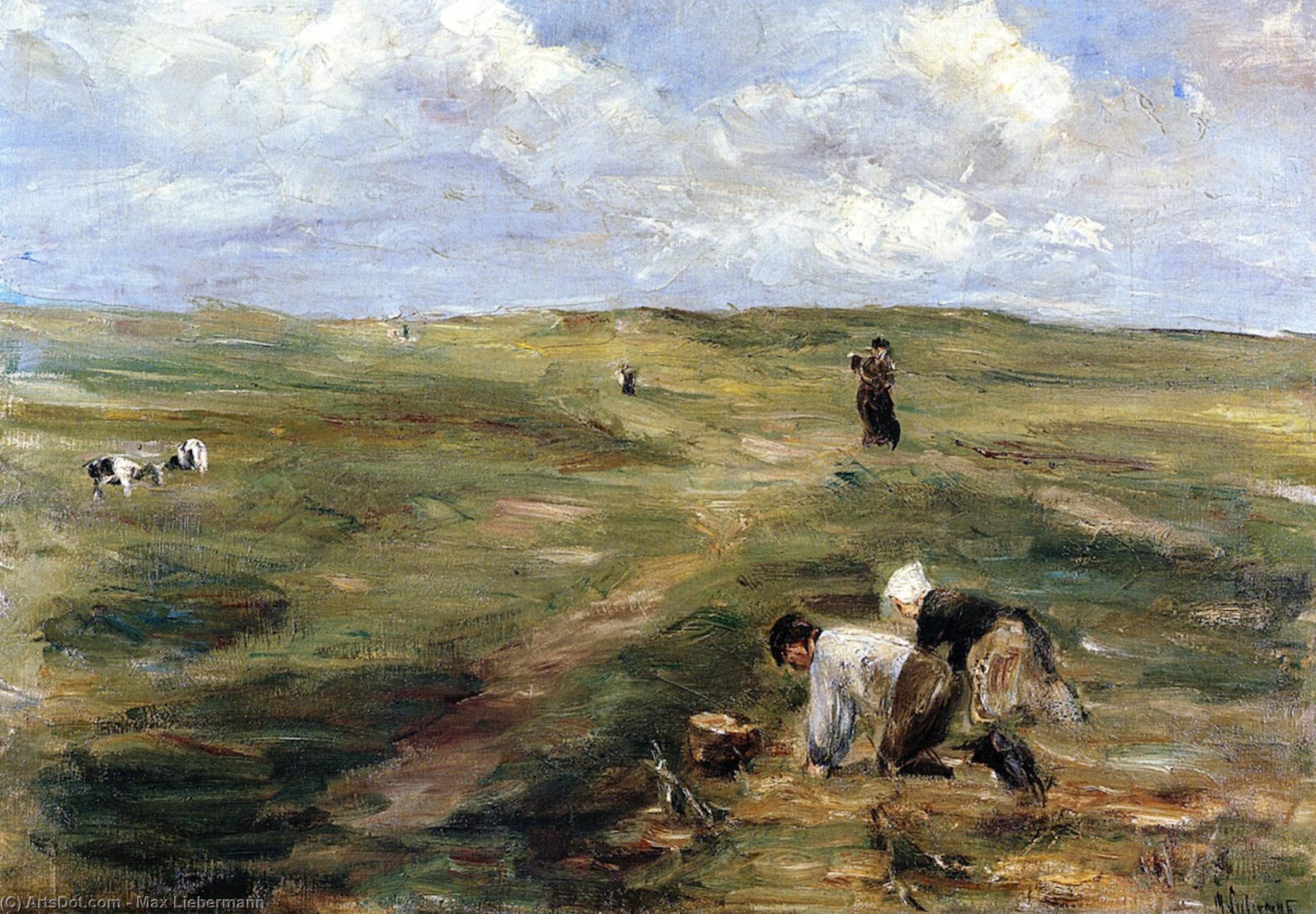
Digging for Potatoes in the Dunes at Zandvoort
 Oil On Canvas
- WallArt
- Impressionism
 1895
1895 75.0 x 105.0 cm
 Germanisches Nationalmuseum
 詳細を見る
詳細を見る




P118B $10

P118H $10

P118W $10

P438Z $10

P508JH $12

P508YH $12

P805H $10

P805Z $10

P919BZ $10

P919G $10

P919XJ $10

P959ZH $10

P968JZ $12

W106C $8

W218G $10

W218JH $8

W218Y $10

W307PJ $10

W316G $10

W316PJ $8

W316Y $10

W398PJ $8

W4111J $10

W500HY $15

W500JH $15

W692G $12

W849H $8

W940BG $15

W953PJ $8




作品のオリジナル比率に合わせた、当店の規定サイズからお選びください。

特定のフレームやスペースに合わせて、ご希望のサイズをご入力いただけます。選択されたサイズが元の画像の比率と異なる場合、アートワークをトリミングするか、手描きで要素を追加して絵画を拡張いたします。デジタルモックアップ を制作し、制作開始前にご確認(承認)をいただきます。
画面上のプレビューは、実際のトリミングや拡張を正確に反映しているものではありません。最終的な構図は、モックアップによってのみ正確にご確認いただけます。
カスタムサイズもご利用いただけますが、元の比率を維持するためには、あらかじめ用意されたリストからサイズを選択することをお勧めいたします。
ご注文後、ArtsDot.com チームより詳細な指示をお送りするとともに、仕上がりイメージ(モックアップ)をご提供いたします。


 ガラスオプションは、110cm未満のサイズでのみご利用いただけます。

Digging for Potatoes in the Dunes at Zandvoort
複製技法
複製画のサイズ
-


合計金額
$ 288
A Snapshot of Rural Life – The Enduring Appeal of Liebermann’s “Digging for Potatoes”
Max Liebermann's "Digging for Potatoes in the Dunes at Zandvoort," painted in 1895, isn’t merely a depiction of a rural scene; it’s a carefully constructed meditation on labor, community, and the quiet beauty of everyday existence. Created during a period when Impressionism was challenging academic traditions, Liebermann's work stands as a testament to his ability to capture not just appearances but also the underlying spirit of a time and place. The painting transports us to the windswept dunes near Zandvoort, a coastal town in the Netherlands, where a group of figures – men, women, and children – are diligently engaged in the arduous task of harvesting potatoes. It’s a scene both familiar and profoundly evocative, resonating with viewers across generations.
Liebermann's artistic style is immediately recognizable: bold brushstrokes, vibrant yet earthy colors, and a deliberate flattening of perspective. He wasn’t striving for photographic realism; instead, he employed a technique reminiscent of Impressionism, prioritizing the *impression* of light and atmosphere. Notice how he uses short, broken strokes to suggest the movement of the figures and the texture of the sand – a dynamic interplay that brings the scene to life. The composition is carefully balanced, drawing our eye across the canvas and inviting us into this intimate slice of rural life. The cloudy sky overhead adds a sense of drama and reinforces the feeling of being present in this particular moment.
Decoding Symbolism: Labor, Community, and the Dutch Landscape
Beyond its surface depiction, “Digging for Potatoes” is rich with symbolic meaning. The act of digging itself represents hard work, a fundamental aspect of rural life that Liebermann sought to celebrate. The collaborative effort of the figures – working together as a team – speaks volumes about the importance of community and shared purpose in this setting. Observe how they are not isolated individuals but part of a larger unit, united by their labor. The presence of dogs and horses further emphasizes the connection between humans and animals within this agricultural landscape, highlighting the symbiotic relationship that underpinned rural life.
Furthermore, the choice of Zandvoort as the setting is significant. This coastal region held a special place in Liebermann’s heart, and he frequently depicted its landscapes and people. The dunes themselves are iconic features of the Dutch coastline, representing both beauty and vulnerability – a constant reminder of the power of nature. The painting subtly evokes a sense of nostalgia for a simpler time, a connection to the land that is increasingly rare in modern society.
Technique and Materials: A Masterful Blend
Liebermann’s masterful use of oil paints is central to the painting's impact. He applied the paint with thick impasto – building up layers of color directly onto the canvas – creating a tactile surface that invites close examination. The colors are remarkably vibrant, yet grounded in natural tones: ochres, browns, greens, and blues dominate the palette, reflecting the earthy hues of the landscape. The artist’s brushwork is loose and expressive, conveying a sense of movement and spontaneity. It's important to note the scale of the work – measuring 75 x 105 cm – which allows for a great deal of detail while maintaining an overall feeling of spaciousness.
The painting’s current location in the Germanisches Nationalmuseum in Nuremberg, Germany, underscores its significance as a key example of late 19th-century art. It represents a pivotal moment in Liebermann's career and offers a valuable insight into his artistic vision and his engagement with contemporary social and cultural themes.
Bringing “Digging for Potatoes” Home: Reproductions and Legacy
High-quality reproductions of "Digging for Potatoes in the Dunes at Zandvoort" are now available through ArtsDot.com, offering art enthusiasts a chance to own a piece of this iconic artwork. Whether displayed in a home or office, this painting’s evocative imagery and timeless themes will undoubtedly spark conversation and inspire contemplation. It's more than just a beautiful image; it’s a window into the past, a celebration of human connection, and a testament to the enduring power of art.
関連作品
アーティストの略歴
光に魅せられた人生:マックス・リーベルマンの世界
1847年、裕福なユダヤ人家庭に生まれたマックス・リーベルマンは、必ずしも印象派の画家として名を馳せる道を選んだわけではありませんでした。当初は、ベルリン大学で法学や哲学を学ぶことが推奨されましたが、彼の真の天職は、裁判所よりもキャンバスから遥かに強く響き渡りました。しかし、この初期の知的な探求期間は、彼が周囲の世界を観察する鋭い眼差しと、それを表現するための思慮深いアプローチを培う上で重要な役割を果たしました。ヴァイマル、パリ、そしてオランダでの研究を通して、彼の芸術的才能が開花し、多様なスタイルに触れ、光と色彩への繊細な感性を特徴とするキャリアの基礎が築かれました。彼は単に目に見えるものを描いていたのではなく、経験そのものの本質をキャンバスに翻訳していたのです。リーベルマンの初期作品は、労働者階級の人々の日常生活を描いたものが多く、当時のロマン主義的な美学に挑戦する自然主義的な表現を用いていました。これらの絵画は社会批判を意図したものではなく、尊厳と敬意が込められた人間存在の正直な描写でした。ドイツにおける印象主義の受容
リーベルマンの芸術的発展は、フランスの写実主義との出会い、そして何よりも新興の印象派運動に深く影響を受けました。エドゥアール・マネの精神—その大胆さ、アカデミックな慣習への拒絶、現代生活への焦点—は、リーベルマンに強く共鳴しました。しかし彼は、パリで見たものを単純に模倣するのではなく、これらの原則をドイツ人の感性に適合させ、独自の印象主義を生み出しました。彼のパレットはより明るくなり、筆致はより自由奔放になり、そしてブルジョワ階級の余暇や、ヴァンゼー湖畔にある静かな庭園の風景へと主題が移り変わりました。特にこの庭園は、キャリアを通して繰り返し描かれるモチーフとなり、変化の激しい外部の世界から逃避できる聖域を提供し、光と大気の探求のための無限のインスピレーションを与えました。彼は単に花や葉を描いていたのではなく、夏の感情、太陽の暖かさ、葉の間をそよぐ穏やかな風を捉えていたのです。風景画の他に、リーベルマンは求められる肖像画家としても確立し、アルベルト・アインシュタインやパウル・フォン・ヒンデンブルクといった著名人の象徴的な作品を含む200点以上の依頼作品を完成させました。これらの肖像画は単なる似顔絵ではなく、微妙なジェスチャーと表情を通して被写体の内面を描き出す洞察力に富んだ性格研究でした。芸術的自由の擁護者
リーベルマンはただ絵を描くだけでなく、芸術的な革新と独立を積極的に支持しました。伝統的な美術界が課す制約を認識した彼は、1898年にベルリン分離派を結成し、10年以上にわたりこのアヴァンギャルドなグループを率いました。分離派は従来の規範に挑戦し、アカデミックな伝統の枠外で活動するアーティストのためのプラットフォームを提供しました。芸術的自由への彼のコミットメントは、彼自身の作品にとどまらず、アーティストは政治的またはイデオロギー的な圧力なしに自由にビジョンを探求できると強く信じていました。1909年にプロイセン美術アカデミーの会員に選出され、その後1920年には学長に就任したことは、彼のドイツ美術界における影響力の高まりを示す証でしたが、これらの地位はまた、彼が直面するであろう反ユダヤ主義とナショナリズムの高まりを目の当たりにする機会でもありました。変化する世界の影:遺産と不屈の精神
ナチズムの台頭は、リーベルマンの晩年にも暗い影を落としました。差別に対する彼の原則的な姿勢から、1933年にプロイセン美術アカデミーを辞任することになり、これは彼の価値観を妥協させることを拒否した勇気ある行為でした。迫害が激化する中も彼は絵を描き続け、芸術の中に安らぎと目的を見出しました。1935年、ベルリンで亡くなり、絵画や版画という豊かな遺産を残し、そして芸術的自由への深いコミットメントを後世に残しました。彼の妻マルタは、ホロコーストの悲劇を示すように、1943年に自ら命を絶ちました。戦後長年、リーベルマンの作品はやや見過ごされていましたが、近年ではドイツ印象主義と近代美術史における彼の貢献が再評価されています。今日、彼は優れた画家としてだけでなく、芸術的表現の勇敢な擁護者であり、暴政に対する抵抗の象徴として記憶されています。彼の絵画は、その輝かしい美しさ、洞察力に富んだ観察眼、そして永続する人間性によって、今もなお鑑賞者の心を魅了し続けています。主な功績と持続的な影響
- 「神殿の12歳のイエス」: この初期作品は、伝統的な宗教的図像に挑戦するセミティックな容姿をしたイエスの珍しい描写により、大きな議論を巻き起こしました。
- ベルリン分離派のリーダーシップ: アヴァンギャルドな運動を率いる彼の重要な役割は、芸術的規範に挑戦し、ドイツにおける近代美術への道を開きました。
- プロイセン美術アカデミーの学長: 彼の芸術的才能が認められた重要な出来事でしたが、最終的にはナチズムの台頭によって妥協されました。
- 卓越した肖像画: 200点以上の依頼作品を通して被写体の本質を捉える彼の能力は、主要な肖像画家としての彼の評判を確固たるものにしました。
- ドイツ印象主義への影響: リーベルマンは、印象主義の原則をユニークなドイツの文脈に適応させ、次世代のアーティストにインスピレーションを与えました。
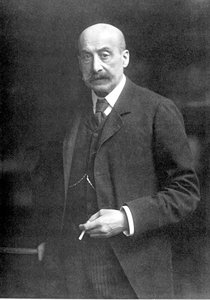
マックス・リーベルマン
1847 - 1935 , ドイツ
基本情報
- Artistic Movement Or Style: 印象派
- Artists Or Movements Influenced By This Artist: ['ドイツ印象派']
- Artists Who Influenced This Artist: ['エドゥアール・マネ']
- Date Of Birth: 1847年7月20日
- Date Of Death: 1935年2月8日
- Full Name: マックス・リーベルマン
- Nationality: ドイツ人
- Notable Artworks (List Of Titles):
- 「12歳のイエス…」
- 「オランダの農家」
- 「マックス・リンデ博士の肖像」
- Place Of Birth (City And Country): ドイツ、ベルリン
関連記事
マックス・エルンスト傑作25選:シュルレアリスムの深淵と装飾への誘い
マックス・エルンストの傑作25選。シュルレアリスムを代表する画家、その夢と無意識の世界を描いた絵画や版画を紐解きます。リビングやオフィスに飾るモダンアート、インテリアに最適な作品を見つけませんか?ArtsDot.comで全コレクションをオンラインで探す。

Impressionism's Masterpieces: 10 Paintings That Defined a Movement | ArtsDot
Journey through Impressionism's heart with 10 iconic paintings by Monet, Renoir & Degas. Explore light, color & the stories behind these masterpieces. Find museum-quality art reproductions and elevate your home decor on ArtsDot.com.

ポール・セザンヌ:至高の25選 - 傑作と革新の軌跡 | ArtsDot
ポール・セザンヌの至高の25選。ポスト印象派を代表する画家、セザンヌの傑作と革新的な技法を紐解きます。ArtsDotで高品質な複製画やインテリアアートを見つけ、芸術の世界をご自宅に。今すぐコレクションをご覧ください。
German Expressionism's 10 Defining Masterpieces | Art for Your Home
Explore 10 defining German Expressionism masterpieces – from Munch's 'The Scream' to Kandinsky’s abstracts. Discover the artists, stories & bold colors behind this powerful art movement. Find museum-quality reproductions at ArtsDot.com.
光と色彩の彼方:知的な収集家のための印象派とポスト印象派
印象派とポスト印象派の傑作を深く理解し、知的なコレクションを築くための情報を提供。ArtsDotでは、高品質な油絵複製やカスタムアートをご用意。専門家が最適な作品選びをお手伝いします。