 プレビュー
プレビュー
 プリントを購入
 シェアする
シェアする シェアする
シェアする
 詳細を見る
詳細を見る

 ダウンロード
 似ている作品
 X線調査
X線調査 スライドショー
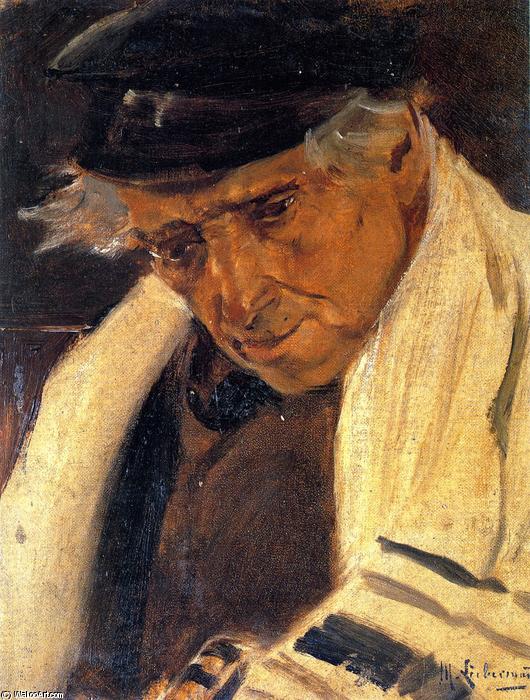
Study Head of a Man (also known as Sephardic Jew with a Prayer Shawl, Facing Left)


 詳細を見る
詳細を見る




































作品のオリジナル比率に合わせた、当店の規定サイズからお選びください。

特定のフレームやスペースに合わせて、ご希望のサイズをご入力いただけます。選択されたサイズが元の画像の比率と異なる場合、アートワークをトリミングするか、手描きで要素を追加して絵画を拡張いたします。デジタルモックアップ を制作し、制作開始前にご確認(承認)をいただきます。
画面上のプレビューは、実際のトリミングや拡張を正確に反映しているものではありません。最終的な構図は、モックアップによってのみ正確にご確認いただけます。
カスタムサイズもご利用いただけますが、元の比率を維持するためには、あらかじめ用意されたリストからサイズを選択することをお勧めいたします。
ご注文後、ArtsDot.com チームより詳細な指示をお送りするとともに、仕上がりイメージ(モックアップ)をご提供いたします。


 ガラスオプションは、110cm未満のサイズでのみご利用いただけます。

Study Head of a Man (also known as Sephardic Jew with a Prayer Shawl, Facing Left)
複製技法
複製画のサイズ
-


合計金額
$ 263
Study Head of a Man: A Glimpse into Liebermann's Artistic Soul
The "Study Head of a Man," also known as "Sephardic Jew with a Prayer Shawl, Facing Left," is an evocative oil on panel painting created by Max Liebermann in 1878. Currently residing at the Kunsthaus Zürich, this artwork offers a profound exploration of human character and introspection through Liebermann's masterful blend of realism and impressionism. The piece depicts an older man, his face etched with experience, wearing a hat and a scarf, conveying a sense of quiet contemplation that draws the viewer into his world.Artistic Style and Technique
Liebermann’s style in this painting is characterized by its delicate balance between realistic observation and impressionistic brushwork. He doesn't strive for photographic accuracy but rather captures the essence of the subject through loose, expressive strokes. The warm color palette—dominated by earthy tones and subtle highlights—creates an intimate atmosphere, enhancing the feeling of quiet reflection. Notice how Liebermann uses short, broken lines to define facial features and clothing, contributing to a textured surface that feels almost tangible. This technique is particularly evident in the rendering of the white cloth draped around the man's neck and the nuanced depiction of his skin. The lighting appears soft and diffused, originating from an unseen source above and slightly to the side, casting subtle shadows that enhance the three-dimensionality of the face. Liebermann’s skillful use of oil paints on panel allows for a rich layering of color and texture, creating a visually compelling and emotionally resonant image.Historical Context and Significance
Created during a period of significant artistic transition in Germany, "Study Head of a Man" reflects Liebermann's embrace of Impressionism while retaining elements of Realist tradition. Liebermann was a leading figure in the Berlin art scene and a key proponent of Impressionism in Germany, influenced by Édouard Manet’s spirit and approach to painting. This work is not merely a portrait; it represents a broader exploration of Jewish identity within German society during the late 19th century. The depiction of a Sephardic Jew wearing a prayer shawl suggests an interest in portraying diverse cultural experiences and traditions, reflecting Liebermann's own complex background as a Jewish artist navigating a changing social landscape.Symbolism and Emotional Impact
Beyond its technical merits, "Study Head of a Man" resonates with viewers on an emotional level. The man’s aged features and contemplative expression evoke feelings of wisdom, resilience, and perhaps even a touch of melancholy. His gaze seems to penetrate beyond the surface, inviting introspection and prompting reflection on themes of age, experience, and the passage of time. The worn appearance of his clothing and the simplicity of the composition contribute to a sense of quiet dignity and understated strength. The painting’s power lies in its ability to capture a fleeting moment of human existence, transforming it into a timeless exploration of character and emotion.Related Works and Artistic Exploration
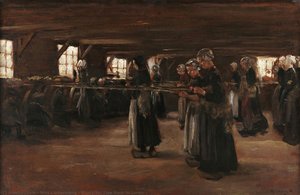
For those interested in exploring Liebermann's broader artistic vision, "Spinner" offers another compelling example of his ability to capture the essence of everyday life. Additionally, works by artists such as John Irvine and Charles François Daubigny provide further context for understanding the artistic trends and influences that shaped Liebermann’s style. ArtsDot.com provides a diverse range of artworks from various periods and styles, allowing art enthusiasts to discover new favorites and deepen their appreciation for the world of art. Handmade oil painting reproductions of "Study Head of a Man" are available, offering an opportunity to bring this masterpiece into your own home and experience its beauty firsthand.関連作品
アーティストの略歴
光に魅せられた人生:マックス・リーベルマンの世界
1847年、裕福なユダヤ人家庭に生まれたマックス・リーベルマンは、必ずしも印象派の画家として名を馳せる道を選んだわけではありませんでした。当初は、ベルリン大学で法学や哲学を学ぶことが推奨されましたが、彼の真の天職は、裁判所よりもキャンバスから遥かに強く響き渡りました。しかし、この初期の知的な探求期間は、彼が周囲の世界を観察する鋭い眼差しと、それを表現するための思慮深いアプローチを培う上で重要な役割を果たしました。ヴァイマル、パリ、そしてオランダでの研究を通して、彼の芸術的才能が開花し、多様なスタイルに触れ、光と色彩への繊細な感性を特徴とするキャリアの基礎が築かれました。彼は単に目に見えるものを描いていたのではなく、経験そのものの本質をキャンバスに翻訳していたのです。リーベルマンの初期作品は、労働者階級の人々の日常生活を描いたものが多く、当時のロマン主義的な美学に挑戦する自然主義的な表現を用いていました。これらの絵画は社会批判を意図したものではなく、尊厳と敬意が込められた人間存在の正直な描写でした。ドイツにおける印象主義の受容
リーベルマンの芸術的発展は、フランスの写実主義との出会い、そして何よりも新興の印象派運動に深く影響を受けました。エドゥアール・マネの精神—その大胆さ、アカデミックな慣習への拒絶、現代生活への焦点—は、リーベルマンに強く共鳴しました。しかし彼は、パリで見たものを単純に模倣するのではなく、これらの原則をドイツ人の感性に適合させ、独自の印象主義を生み出しました。彼のパレットはより明るくなり、筆致はより自由奔放になり、そしてブルジョワ階級の余暇や、ヴァンゼー湖畔にある静かな庭園の風景へと主題が移り変わりました。特にこの庭園は、キャリアを通して繰り返し描かれるモチーフとなり、変化の激しい外部の世界から逃避できる聖域を提供し、光と大気の探求のための無限のインスピレーションを与えました。彼は単に花や葉を描いていたのではなく、夏の感情、太陽の暖かさ、葉の間をそよぐ穏やかな風を捉えていたのです。風景画の他に、リーベルマンは求められる肖像画家としても確立し、アルベルト・アインシュタインやパウル・フォン・ヒンデンブルクといった著名人の象徴的な作品を含む200点以上の依頼作品を完成させました。これらの肖像画は単なる似顔絵ではなく、微妙なジェスチャーと表情を通して被写体の内面を描き出す洞察力に富んだ性格研究でした。芸術的自由の擁護者
リーベルマンはただ絵を描くだけでなく、芸術的な革新と独立を積極的に支持しました。伝統的な美術界が課す制約を認識した彼は、1898年にベルリン分離派を結成し、10年以上にわたりこのアヴァンギャルドなグループを率いました。分離派は従来の規範に挑戦し、アカデミックな伝統の枠外で活動するアーティストのためのプラットフォームを提供しました。芸術的自由への彼のコミットメントは、彼自身の作品にとどまらず、アーティストは政治的またはイデオロギー的な圧力なしに自由にビジョンを探求できると強く信じていました。1909年にプロイセン美術アカデミーの会員に選出され、その後1920年には学長に就任したことは、彼のドイツ美術界における影響力の高まりを示す証でしたが、これらの地位はまた、彼が直面するであろう反ユダヤ主義とナショナリズムの高まりを目の当たりにする機会でもありました。変化する世界の影:遺産と不屈の精神
ナチズムの台頭は、リーベルマンの晩年にも暗い影を落としました。差別に対する彼の原則的な姿勢から、1933年にプロイセン美術アカデミーを辞任することになり、これは彼の価値観を妥協させることを拒否した勇気ある行為でした。迫害が激化する中も彼は絵を描き続け、芸術の中に安らぎと目的を見出しました。1935年、ベルリンで亡くなり、絵画や版画という豊かな遺産を残し、そして芸術的自由への深いコミットメントを後世に残しました。彼の妻マルタは、ホロコーストの悲劇を示すように、1943年に自ら命を絶ちました。戦後長年、リーベルマンの作品はやや見過ごされていましたが、近年ではドイツ印象主義と近代美術史における彼の貢献が再評価されています。今日、彼は優れた画家としてだけでなく、芸術的表現の勇敢な擁護者であり、暴政に対する抵抗の象徴として記憶されています。彼の絵画は、その輝かしい美しさ、洞察力に富んだ観察眼、そして永続する人間性によって、今もなお鑑賞者の心を魅了し続けています。主な功績と持続的な影響
- 「神殿の12歳のイエス」: この初期作品は、伝統的な宗教的図像に挑戦するセミティックな容姿をしたイエスの珍しい描写により、大きな議論を巻き起こしました。
- ベルリン分離派のリーダーシップ: アヴァンギャルドな運動を率いる彼の重要な役割は、芸術的規範に挑戦し、ドイツにおける近代美術への道を開きました。
- プロイセン美術アカデミーの学長: 彼の芸術的才能が認められた重要な出来事でしたが、最終的にはナチズムの台頭によって妥協されました。
- 卓越した肖像画: 200点以上の依頼作品を通して被写体の本質を捉える彼の能力は、主要な肖像画家としての彼の評判を確固たるものにしました。
- ドイツ印象主義への影響: リーベルマンは、印象主義の原則をユニークなドイツの文脈に適応させ、次世代のアーティストにインスピレーションを与えました。
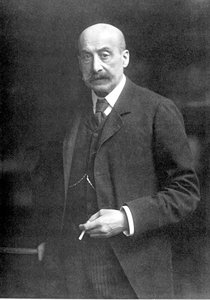
マックス・リーベルマン
1847 - 1935 , ドイツ
基本情報
- Artistic Movement Or Style: 印象派
- Artists Or Movements Influenced By This Artist: ['ドイツ印象派']
- Artists Who Influenced This Artist: ['エドゥアール・マネ']
- Date Of Birth: 1847年7月20日
- Date Of Death: 1935年2月8日
- Full Name: マックス・リーベルマン
- Nationality: ドイツ人
- Notable Artworks (List Of Titles):
- 「12歳のイエス…」
- 「オランダの農家」
- 「マックス・リンデ博士の肖像」
- Place Of Birth (City And Country): ドイツ、ベルリン
関連記事
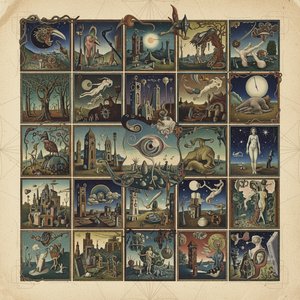
マックス・エルンスト傑作25選:シュルレアリスムの深淵と装飾への誘い
マックス・エルンストの傑作25選。シュルレアリスムを代表する画家、その夢と無意識の世界を描いた絵画や版画を紐解きます。リビングやオフィスに飾るモダンアート、インテリアに最適な作品を見つけませんか?ArtsDot.comで全コレクションをオンラインで探す。
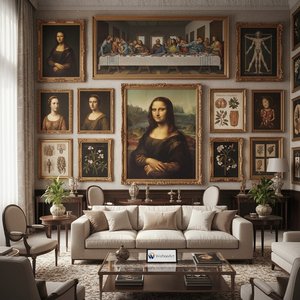
レオナルド・ダ・ヴィンチ:至高の25選 - 芸術、科学、そして不朽の名作の世界
レオナルド・ダ・ヴィンチの至宝25選。モナリザ、最後の晩餐…ルネサンス美術を代表する名画の世界へ。芸術史、技法、そして感動の物語を紐解き、お部屋に飾る高級複製画で特別な空間を。ArtsDot.comで全コレクションをご覧ください。

Martin Johnson Heade: Luminism, American Identity & the Poetic Still Life
Explore the captivating world of Martin Johnson Heade, a master of Luminism. Discover his serene landscapes, vibrant still lifes & profound connection to American identity. Learn about his techniques and legacy.

The Intimate Gaze: Study & Intellectual Pursuit in Western Art
Explore the fascinating history of study and intellectual pursuit in Western art! Discover Renaissance scholars, iconic portraits like Holbein's Erasmus, and Leonardo’s studies – a journey through humanist ideals & artistic mastery. Learn more at ArtsDot.
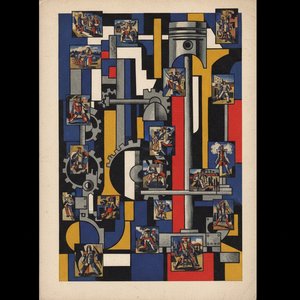
フェルナン・レジェ傑作25選:機械美と色彩の革新 | ArtsDot
フェルナン・レジェの傑作25選。機械美と色彩が織りなすキュビズムの世界を紐解きます。ArtsDotで、フランス絵画の巨匠レジェの作品を高精細プリントで。インテリアアートやギフトにも最適です。全コレクションはこちら: ArtsDot.com