

 プレビュー
プレビュー
 シェアする
シェアする シェアする
シェアする
 詳細を見る
詳細を見る

 ダウンロード
 似ている作品
 X線調査
X線調査 スライドショー
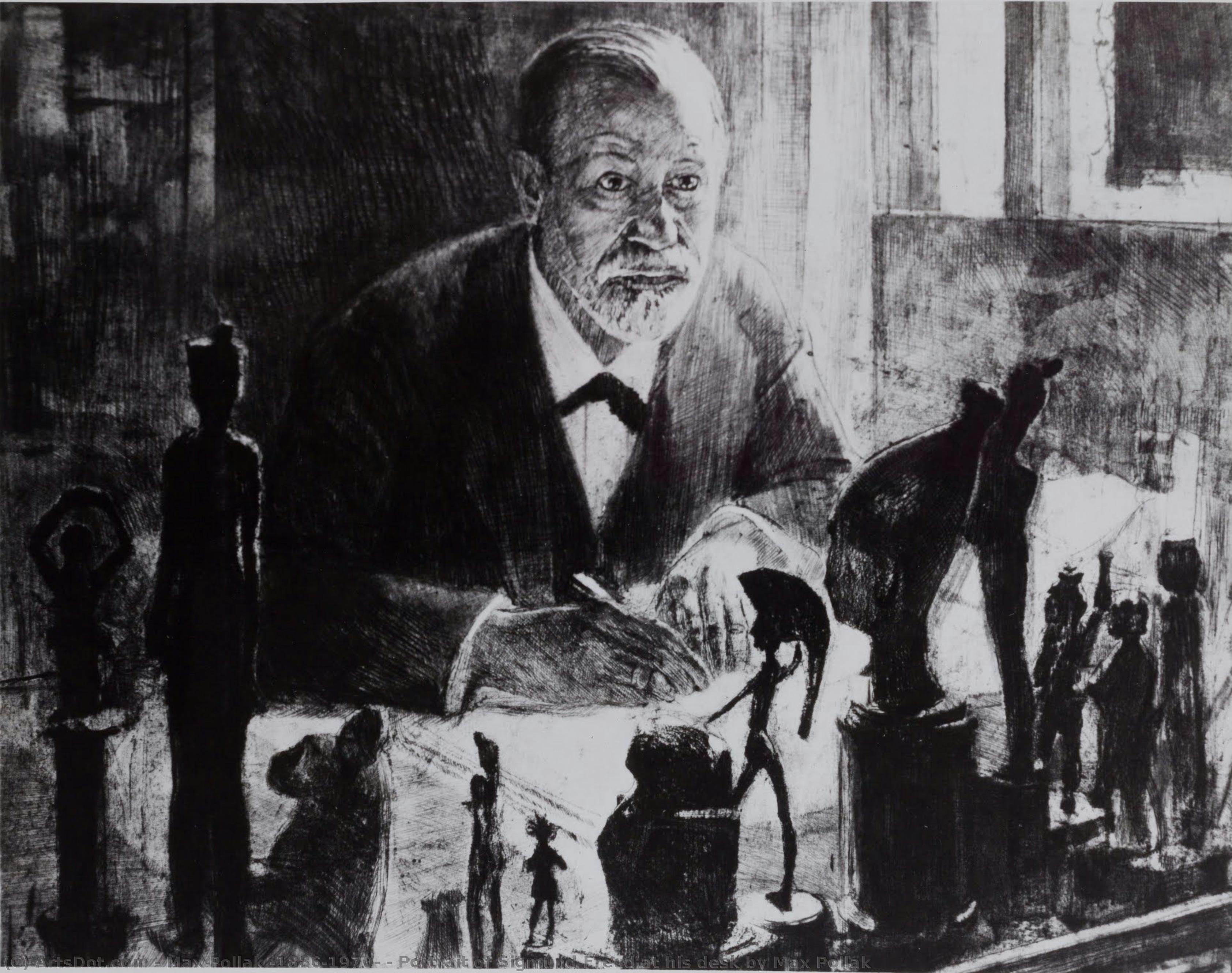
Portrait of Sigmund Freud at his desk by Max Pollak
 Etching
- Art Nouveau
 1914
1914 47.0 x 47.0 cm
 Freud Museum London
 詳細を見る
詳細を見る
ジークレー/アートプリント
迅速な制作と多彩な仕上げオプションを備えた、ミュージアムクオリティのジークレーまたはキャンバスプリント。 ( 手描きの絵画を購入 画像を購入)




P118B $10

P118H $10

P118W $10

P438Z $10

P508JH $12

P508YH $12

P805H $10

P805Z $10

P919BZ $10

P919G $10

P919XJ $10

P959ZH $10

P968JZ $12

W106C $8

W218G $10

W218JH $8

W218Y $10

W307PJ $10

W316G $10

W316PJ $8

W316Y $10

W398PJ $8

W4111J $10

W500HY $15

W500JH $15

W692G $12

W849H $8

W940BG $15

W953PJ $8




作品のオリジナル比率に合わせた、当店の規定サイズからお選びください。

特定のフレームやスペースに合わせて、ご自身でサイズを指定することも可能です。選択されたサイズが元の画像の比率と一致しない場合、作品をトリミングするか、鏡面反射または単色での塗りつぶしによって画像を拡張いたします。制作を開始する前に、ご確認用のデジタルモックアップをお送りいたします。
画面上のプレビューには、実際のトリミングや拡張は反映されませんのでご注意ください。最終的な構図を正確に確認できるのは、モックアップのみとなります。
カスタムサイズも承っておりますが、元の比率を維持するためには、あらかじめ用意されたリストからサイズを選択することをお勧めいたします。


 ガラスオプションは、110cm未満のサイズでのみご利用いただけます。

Portrait of Sigmund Freud at his desk by Max Pollak
ジークレー/アートプリント
複製画のサイズ
-


合計金額
$ 62
Portrait of Sigmund Freud at his desk by Max Pollak – A Study in Precision and Psychological Depth
Max Pollak’s 1914 etching, “Portrait of Sigmund Freud at his desk,” is more than a simple likeness; it's a meticulously crafted meditation on intellect, strategy, and the enigmatic nature of the human psyche. Executed with the characteristic precision that defined Pollak’s oeuvre, this monochrome work offers a compelling glimpse into the artistic sensibilities of early 20th-century Vienna – a period marked by both artistic innovation and profound intellectual ferment.
- The Subject: The central figure is, of course, Sigmund Freud himself, rendered with remarkable detail. Pollak’s ability to capture not just the physical appearance but also the perceived intensity of Freud's gaze is a testament to his skill as a portraitist.
- Technique and Materials: As an etching, the artwork relies on the skillful manipulation of lines – hatching and cross-hatching – to build up tonal values and create texture. Pollak employed a metal plate (likely copper or zinc), meticulously scratching away areas to reveal the white paper beneath, then applying ink with precision before transferring the image onto paper. This process demanded immense patience and control, resulting in a surface of intricate lines that shimmer with subtle variations.
- Historical Context: Created during a period of significant psychological exploration, the portrait reflects the burgeoning interest in psychoanalysis spearheaded by Freud himself. Pollak’s work aligns with the broader artistic currents of Art Nouveau and early Expressionism, characterized by simplified forms and an emphasis on line as a primary expressive tool.
A Symphony of Lines: Analyzing Pollak's Composition
Pollak’s compositional choices are deliberately layered, adding to the artwork’s symbolic richness. The central placement of Freud behind his desk immediately establishes a sense of authority and intellectual focus. However, it is the surrounding elements – the scattered chess pieces and stylized figures – that truly elevate the work. These aren't merely decorative additions; they function as potent symbols.
- Chess Pieces: The inclusion of chess pieces speaks to themes of strategy, analysis, and perhaps even the complexities of human relationships—all central concerns within Freud’s psychoanalytic theories.
- Stylized Figures: The obscured figure in the background could represent the unconscious mind, a recurring motif in Freud's work, or perhaps patients undergoing treatment – hinting at the therapeutic process itself.
- Line Work and Depth: Notice how Pollak uses parallel lines to create a sense of depth, drawing the viewer’s eye into the scene while simultaneously emphasizing the formal qualities of the composition. The contrast between thick outlines defining Freud's form and finer lines detailing his features adds another layer of visual interest.
Symbolism and Emotional Resonance
“Portrait of Sigmund Freud at his desk” transcends a simple portrait; it’s an evocative exploration of intellectual power, psychological complexity, and the human condition. The monochromatic palette – shades of gray ranging from near-black to white – contributes significantly to the artwork's mood, creating a sense of solemnity and introspection.
- Lighting: The directional lighting, originating from the left side, casts dramatic shadows across Freud’s face and desk, intensifying the scene’s emotional impact.
- Emotional Impact: The overall effect is one of quiet contemplation – inviting viewers to ponder the mysteries of the mind and the enduring legacy of Sigmund Freud's work.
Dimensions & Details
Size: 47 x 47 cmDate: 1914
Artist: max pollak (1886-1970) – A master of precision, Pollak’s work continues to resonate with its intellectual depth and artistic skill. This reproduction offers a unique opportunity to own a piece of art history, capturing the essence of a pivotal figure in psychology and the remarkable talent of one of Vienna's most accomplished printmakers.
関連作品
アーティストの略歴
a life of art and precision
max pollak, a painter and printmaker, was born on february 2, 1886, in prague, czechoslovakia. his life's journey took him to vienna, austria, where he spent his formative years, eventually entering the viena academy of art at the age of sixteen in 1902.the making of a master
pollak's early work already showed a promising skill in etching, which would later become one of his defining characteristics. as he honed his craft in vienna, austria, he developed a unique style that set him apart from his contemporaries. his singular and penetrating portraits, particularly the one of sigmund freud, are a testament to his profound understanding of capturing human essence.artistic legacy
- key works: max pollak's etchings stand out for their precision and depth, offering a glimpse into the early 20th-century art scene in vienna.
- notable art movement: his work is often associated with the early stages of art nouveau, reflecting the era's fascination with natural forms and curved lines.
- museums and collections: while his works are scattered across various private collections, some notable pieces can be found in the ArtsDot.com database, offering a digital glimpse into his artistic world.
enduring impact
max pollak's passing in 1970 marked the end of an era, but his art continues to inspire. for those interested in delving deeper into his work and the context in which it was created, ArtsDot.com's extensive database provides a comprehensive resource.- explore more: visit max pollak (1886-1970) on ArtsDot to view his artworks and learn more about his life.
- discover similar artists: browse through the greatest artists section for a curated list of renowned painters and printmakers.
remembering max pollak's artistic footprint
as we reflect on max pollak's life and work, it becomes clear that his legacy extends beyond the boundaries of time. his art, now a part of our shared cultural heritage, continues to captivate audiences worldwide.- share your thoughts: engage with the ArtsDot community by sharing your insights on max pollak's work and its significance in the broader context of early 20th-century art.
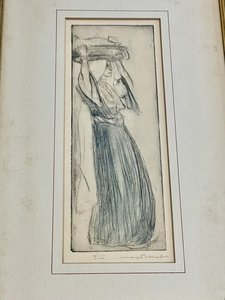
max pollak (1886-1970)
1886 - 1970 , Czechia
基本情報
- Artistic Movement Or Style: Post-Impressionism
- Artists Or Movements Influenced By This Artist: ['Expressionism']
- Artists Who Influenced This Artist:
- Monet
- Degas
- Date Of Birth: March 30, 1853
- Date Of Death: July 29, 1890
- Full Name: Vincent Willem van Gogh
- Nationality: Dutch
- Notable Artworks:
- Sunflowers
- Bedroom in Arles
- The Starry Night
- Wheatfield with Crows
- Place Of Birth: Ghent, Belgium
関連記事

White on Canvas: 10 Masterpieces & Timeless Elegance for Your Home Decor
Explore 10 iconic white paintings by Monet, Whistler & Rothko! Discover the stories behind these serene masterpieces and their impact on art history. Find museum-quality reproductions for your home decor at .
Etching: A Historical Survey of Technique, Aesthetic Qualities & Enduring Artistic Significance
Explore the rich history of etching, from its origins to Rembrandt's masterful innovations. Discover the technique, aesthetic qualities & enduring legacy of this captivating art form. Expert insights for collectors and enthusiasts.
Etching Masters: 10 Legendary Prints That Revolutionized Art | ArtsDot
Journey through 10 legendary etching masterpieces by Rembrandt, Dürer & Goya. Explore the history of printmaking and discover timeless art for your home. Find museum-quality reproductions at ArtsDot.com.
The Intricate World of Etching: A Historical Survey of Technique, Aesthetic Evolution, and Enduring Artistic Impact
Explore the rich history of etching, from its origins to modern practice. Discover techniques, key artists like Rembrandt, and insights for collectors. A comprehensive guide by ArtsDot.

Dark Masterpieces: 10 Iconic Paintings Dominated by Black Tones |
Explore 10 iconic paintings dominated by black tones, from Rembrandt’s chiaroscuro to Goya's dark expressions. Discover the stories behind these masterpieces & find museum-quality art reproductions for your home at .

