

 プレビュー
プレビュー
 プリントを購入
 シェアする
シェアする シェアする
シェアする
 詳細を見る
詳細を見る

 ダウンロード
 似ている作品
 X線調査
X線調査 スライドショー
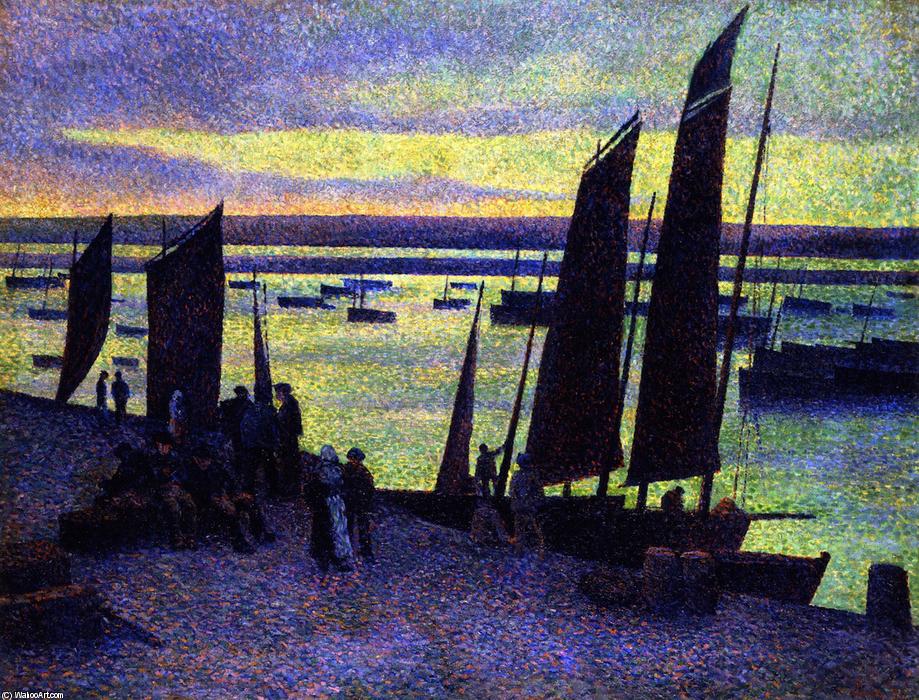
Quay at Camaret, Finistère


 詳細を見る
詳細を見る




P118B $10

P118H $10

P118W $10

P438Z $10

P508JH $12

P508YH $12

P805H $10

P805Z $10

P919BZ $10

P919G $10

P919XJ $10

P959ZH $10

P968JZ $12

W106C $8

W218G $10

W218JH $8

W218Y $10

W307PJ $10

W316G $10

W316PJ $8

W316Y $10

W398PJ $8

W4111J $10

W500HY $15

W500JH $15

W692G $12

W849H $8

W940BG $15

W953PJ $8




作品のオリジナル比率に合わせた、当店の規定サイズからお選びください。

特定のフレームやスペースに合わせて、ご希望のサイズをご入力いただけます。選択されたサイズが元の画像の比率と異なる場合、アートワークをトリミングするか、手描きで要素を追加して絵画を拡張いたします。デジタルモックアップ を制作し、制作開始前にご確認(承認)をいただきます。
画面上のプレビューは、実際のトリミングや拡張を正確に反映しているものではありません。最終的な構図は、モックアップによってのみ正確にご確認いただけます。
カスタムサイズもご利用いただけますが、元の比率を維持するためには、あらかじめ用意されたリストからサイズを選択することをお勧めいたします。
ご注文後、ArtsDot.com チームより詳細な指示をお送りするとともに、仕上がりイメージ(モックアップ)をご提供いたします。


 ガラスオプションは、110cm未満のサイズでのみご利用いただけます。

Quay at Camaret, Finistère
複製技法
複製画のサイズ
-


合計金額
$ 263
Quay at Camaret, Finistère: A Dance of Light and Breton Soul
Maximilien Luce’s “Quay at Camaret, Finistère” isn't merely a depiction of a harbor scene; it’s an immersion into the very essence of Brittany. Painted in 1894, this vibrant canvas captures a fleeting moment on the rugged coastline of the Finistère region – a place steeped in myth, tradition, and a profound connection to the sea. Luce, a key figure within the Neo-Impressionist movement, masterfully employed his signature Pointillism technique, transforming a simple harbor view into an explosion of color and light that seems to shimmer with life.
The scene unfolds before us: a bustling quay teeming with sailboats of varying sizes, each reflecting the play of sunlight on the water. Fishermen mend their nets, children chase pigeons along the stone walls, and figures gather around boats, creating a dynamic tableau of everyday activity. Luce’s genius lies not just in his meticulous observation but in his ability to translate that observation into an intensely emotional experience. The painting isn't static; it feels alive with movement, as if you could almost hear the cries of the gulls and the murmur of conversation.
The Language of Pointillism: Luce’s Revolutionary Technique
Luce’s masterful use of Pointillism is central to the painting's allure. Rather than blending colors directly, he meticulously applied tiny dots of pure color – predominantly blues, greens, yellows, and ochres – to create an overall impression of tone and hue. This technique, championed by artists like Seurat and Signac, allowed Luce to capture the fleeting effects of light with remarkable precision. The individual dots, when viewed from a distance, coalesce into a luminous surface, mimicking the way our eyes perceive color in nature. It’s a remarkably sophisticated approach that demands close attention, rewarding the viewer with an astonishing depth and vibrancy.
Notice how Luce uses contrasting colors to define shapes – the deep blues of the water against the warm yellows of the boats, the muted greens of the harbor walls against the bright whites of the sails. This careful orchestration of color creates a sense of visual harmony while simultaneously conveying the energy and dynamism of the scene. The technique isn’t simply about replicating what he saw; it's about capturing *how* he saw it – with an acute awareness of light, color, and their interplay.
A Breton Tapestry: History and Symbolism
The setting itself—Camaret-sur-Fin is a small fishing port on the tip of Brittany—holds deep historical significance. Brittany, with its ancient Celtic roots, has long been associated with maritime traditions, seafaring legends, and a strong connection to nature. The rugged coastline, the unpredictable weather, and the vital role of the sea in the region’s economy have shaped the culture and identity of the Breton people for centuries. Luce's painting is therefore not just a depiction of a place; it’s a celebration of this rich heritage.
The boats themselves are symbolic of livelihood and connection to the sea, while the figures engaged in various activities represent the daily rhythms of life in a coastal community. The light, so crucial to Luce's technique, can be interpreted as a symbol of hope, vitality, and the enduring spirit of the Breton people. It’s a scene that resonates with a timeless quality, evoking a sense of nostalgia for a simpler way of life.
Bringing “Quay at Camaret, Finistère” to Your Space
Reproductions of Luce's "Quay at Camaret, Finistère" offer a remarkable opportunity to bring this captivating artwork into your home or office. Hand-painted reproductions meticulously recreate the artist’s vibrant palette and intricate Pointillism technique, capturing the essence of the original painting with stunning accuracy. Whether you are an art enthusiast, a collector seeking a unique addition to your collection, or simply someone who appreciates beautiful design, this reproduction is sure to be a conversation starter.
Consider how the painting’s luminous colors and dynamic composition will complement your existing décor. The vibrant hues of the harbor scene can inject energy into a room, while the sense of movement and activity will create a lively atmosphere.
- Size Options: Available in a range of sizes to suit any space.
- High-Quality Materials: Printed on archival canvas with vibrant, fade-resistant pigments.
- Hand-Painted Detail: Each reproduction is meticulously hand-painted by skilled artists, ensuring the highest level of quality and authenticity.
Explore our collection today and discover a piece of Breton artistry that will enrich your life for years to come.
関連作品
アーティストの略歴
パリの魂:マキシミリアン・リュスの生涯と芸術
1858年にパリで生まれたマキシミリアン・リュスは、その時代の社会情勢や芸術的潮流と深く結びついた画家でした。モンパルナスの労働者階級の地域で過ごした彼の幼少期は、都市生活の現実に対する感受性を育み、それが彼の多作なキャリアを通して響き続けるテーマとなりました。1872年に木彫師として見習いを始めたリュスは、細部への注意と線や形の理解を磨きました。これらの基礎的な訓練は単なる技術的なものではなく、社会批評に深く関わってきた版画の伝統との繋がりを与え、彼自身の政治的に強い芸術的旅路の舞台を設定しました。彼は夜間の授業を通して教育を続け、絵画への移行のための基礎を築きました。1871年のパリ・コミューンは彼の若年期に目撃され、生涯を通じて無政府主義的な理想と社会正義への献身を育み、それが彼の芸術的選択に一貫して現れました。印象派から新印象派へ、そしてその先へ
リュスの芸術的進化は、落ち着きのない実験と新しいアプローチを受け入れる意欲によって特徴づけられました。彼は光と大気の移ろい効果に魅了されて印象派として始めましたが、すぐに新印象派のより科学的な厳密さに傾倒しました。ジョルジュ・スーラとポール・シニャックの影響は決定的なものでした。彼は1895年の『ポワシーのセーヌ川岸にて』のような作品で、純粋な色の小さな点を丁寧に適用する点描法を採用しました。この時期、彼は光と色を細かく分析し、視覚的な混合を通して調和のとれた視覚体験を実現しようと努めました。しかし、リュスは単なる追随者ではありませんでした。彼は新印象派に独自の感性を吹き込み、しばしば同時代の人々がほとんど探求していなかった産業労働や都市生活の場面に焦点を当てました。彼は現代の存在の厳しい現実から目を背けず、他の仲間が好んだ牧歌的な風景とは対照的に、鮮やかな色彩とダイナミックな構図を用いて、都市の喧騒と労働者の苦悩を描き出しました。キャリア後半には、厳格な点描法から離れ、より自由で表現力豊かなスタイルを受け入れました。このスタイルは色の鮮やかさを維持しながらも、より大きな感情的な強度を許容しました。この絶え間ない進化は、リュスの芸術的探求への献身と、単一の美的教義に縛られることを拒否する姿勢を示しています。近代社会の証人:テーマと技法
リュスの作品群は、19世紀後半から20世紀初頭のフランスの説得力のある年代記です。彼は産業化の変革力を魅了され、工場、建設現場、賑やかな都市景観を容赦ない目で描きました。彼の絵画は単なるこれらの場面の表現ではありません。それらはダイナミズムとエネルギーに満ちており、現代生活のリズムをとらえています。パリとその周辺の田園地帯を蛇行するセーヌ川は、彼の作品の中で繰り返し登場するモチーフとなり、自然の美しさと人間の活動の両方を象徴しました。彼は点描法を用いて光と水の相互作用を巧みに捉え、きらめく表面と大気効果を生み出しました。風景や都市景観に加えて、リュスは社会的なテーマも探求し、しばしば労働者や労働者を尊厳と敬意をもって描きました。彼の無政府主義的な原則への献身は、社会から疎外された人々の同情的描写に明らかです。たとえば、『マルシエンヌの風景』(1896)は、フランス北部の工業地帯の力強い描写であり、その美しさと厳しい現実の両方を強調しています。彼はカフェ、サーカス、公衆集会など、パリの生活を描いた作品でも知られていました。遺産と評価
マキシミリアン・リュスの芸術界への貢献は、彼の個々の絵画を超えています。彼は Société des Artistes Indépendants の献身的なメンバーとして、1909年に副会長を務め、1935年には会長を務め、芸術の自由を擁護し、新進アーティストのためのプラットフォームを提供しました。彼の進歩主義的な原則への献身は、アバンギャルドコミュニティにおける尊敬される人物としての地位を確立しました。比較的目立たない時期も経験しましたが、近年、彼の作品は美的革新と社会的意識のユニークなブレンドでますます評価されています。今日、リュスの絵画は世界中の権威ある美術館コレクションに収蔵されており、彼の永続する芸術的ビジョンを証明しています。急速に変化する時代の精神をとらえ、技術的な習熟と揺るぎない信念を組み合わせた彼の能力は、近代美術の歴史における重要な人物としての地位を確固たるものにしました。彼は現代の複雑さについての洞察を提供し、芸術表現の永続的な力を示唆する作品を生み出し続けました。さらなる探求
- 美術館コレクション: ミュゼ・ドールセやその他の主要な機関でリュスの作品を探索してください。
- オンラインリソース: Wikipediaや専用のアーティストデータベースなどのリソースを通じて、彼の生涯と芸術について詳しく調べてください。
- 主なテーマ: 産業化、都市生活、社会正義など、彼が描いた繰り返し登場するテーマを絵画を見る際に考慮してください。
- 技術革新: 点描法の使用や、より表現力豊かな筆致への後の実験に注意してください。
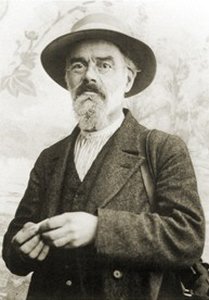
マキシミリアン・リュース
1858 - 1941
基本情報
- Artistic Movement Or Style: 新印象派、点描主義
- Artists Who Influenced This Artist:
- カミーユ・ピサロ
- ジョルジュ・スーラ
- ポール・シニャック
- Date Of Birth: 1858年3月13日
- Date Of Death: 1941年2月6日
- Full Name: マキシミリアン・リュース
- Nationality: フランス人
- Notable Artworks:
- セーヌ川の畔、ポワシー
- パリのチュイリエリ庭園
- Place Of Birth (City And Country): フランス、パリ
関連記事
Chromatic Islands: Exploring the Theory & Legacy of Pointillism in 19th-Century Art
Explore the revolutionary world of Pointillism! Discover Georges Seurat's color theory, techniques & lasting impact on art history. Learn about Signac, Luce & Neo-Impressionism’s scientific approach to painting.

Impressionism's Masterpieces: 10 Paintings That Defined a Movement | ArtsDot
Journey through Impressionism's heart with 10 iconic paintings by Monet, Renoir & Degas. Explore light, color & the stories behind these masterpieces. Find museum-quality art reproductions and elevate your home decor on ArtsDot.com.
光と色彩の彼方:知的な収集家のための印象派とポスト印象派
印象派とポスト印象派の傑作を深く理解し、知的なコレクションを築くための情報を提供。ArtsDotでは、高品質な油絵複製やカスタムアートをご用意。専門家が最適な作品選びをお手伝いします。
Camille Pissarro: Pioneer of Impressionism & Father of Modern Art – A Legacy Explored
Explore the life & art of Camille Pissarro, a pivotal figure in Impressionism and Post-Impressionism. Discover his techniques, influences, and lasting legacy on modern painting. Learn more at ArtsDot.

ポール・セザンヌ:至高の25選 - 傑作と革新の軌跡 | ArtsDot
ポール・セザンヌの至高の25選。ポスト印象派を代表する画家、セザンヌの傑作と革新的な技法を紐解きます。ArtsDotで高品質な複製画やインテリアアートを見つけ、芸術の世界をご自宅に。今すぐコレクションをご覧ください。

