

 プレビュー
プレビュー
 プリントを購入
 シェアする
シェアする シェアする
シェアする
 詳細を見る
詳細を見る

 ダウンロード
 似ている作品
 X線調査
X線調査 スライドショー
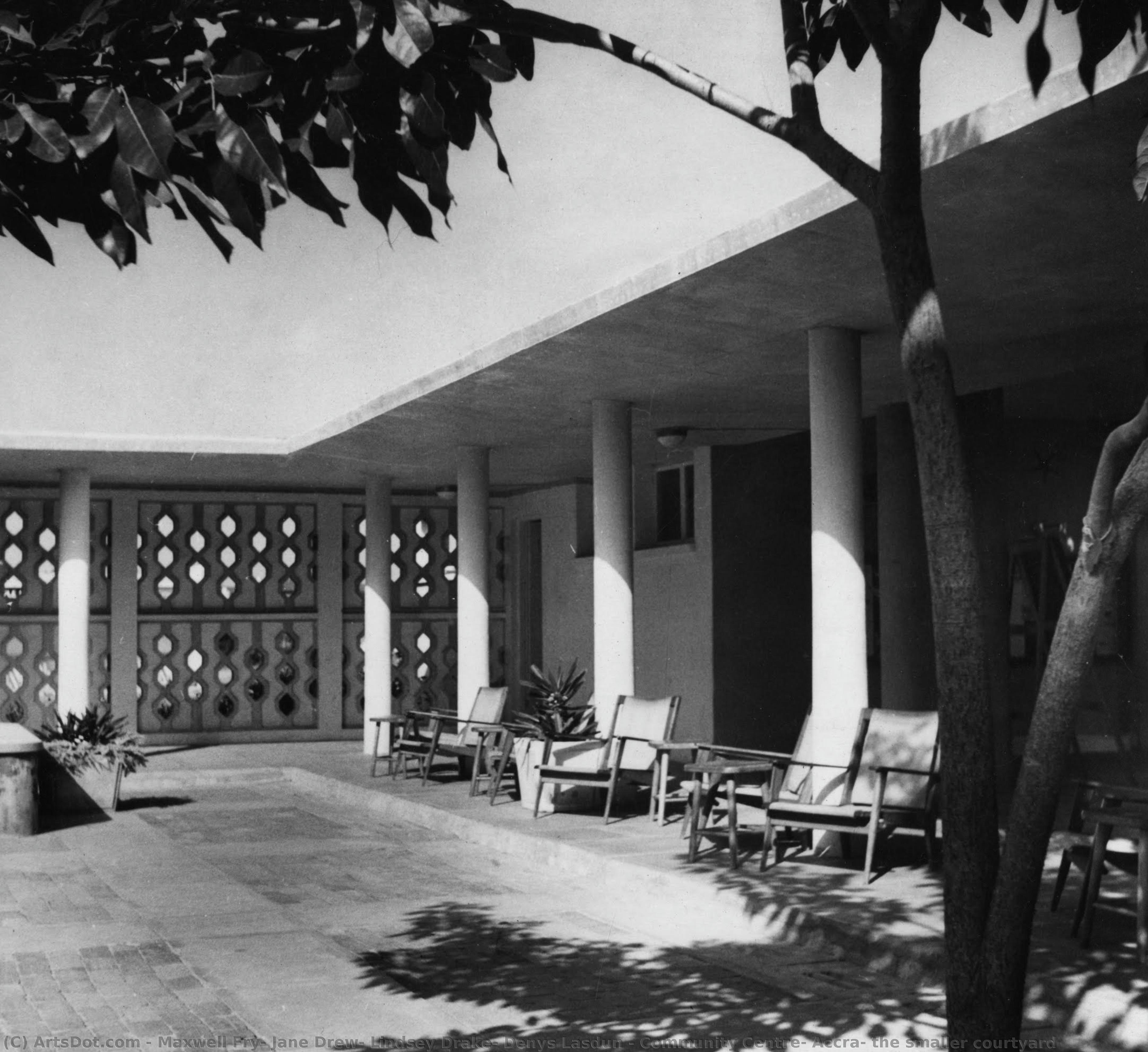
Community Centre, Accra: the smaller courtyard


 詳細を見る
詳細を見る




































作品のオリジナル比率に合わせた、当店の規定サイズからお選びください。

特定のフレームやスペースに合わせて、ご希望のサイズをご入力いただけます。選択されたサイズが元の画像の比率と異なる場合、アートワークをトリミングするか、手描きで要素を追加して絵画を拡張いたします。デジタルモックアップ を制作し、制作開始前にご確認(承認)をいただきます。
画面上のプレビューは、実際のトリミングや拡張を正確に反映しているものではありません。最終的な構図は、モックアップによってのみ正確にご確認いただけます。
カスタムサイズもご利用いただけますが、元の比率を維持するためには、あらかじめ用意されたリストからサイズを選択することをお勧めいたします。
ご注文後、ArtsDot.com チームより詳細な指示をお送りするとともに、仕上がりイメージ(モックアップ)をご提供いたします。


 ガラスオプションは、110cm未満のサイズでのみご利用いただけます。

Community Centre, Accra: the smaller courtyard
複製技法
複製画のサイズ
-


合計金額
$ 263
関連作品







アーティストの略歴
The Pioneering Partnership: Maxwell Fry, Jane Drew, and the Shaping of Modern Britain
Maxwell Fry, Jane Drew, Lindsey Drake, and Denys Lasdun – collectively known as Fry, Drew & Partners – represent a pivotal moment in British architectural history. Established in 1950, this partnership wasn’t merely a collection of talented architects; it was a dynamic collaboration that fundamentally reshaped the landscape of post-war Britain and beyond. Their work, characterized by a unique blend of modernist principles, tropical design sensibilities, and an acute awareness of local context, continues to resonate today. The firm's story is one of innovation, social responsibility, and a profound engagement with the challenges and opportunities presented by a rapidly changing world.Early Years and the Rise of Modernism
Maxwell Fry’s journey began in Liverpool, where he honed his skills at the prestigious Liverpool Institute High School. Initially trained in neo-classical styles, Fry underwent a significant shift towards modernism during his time at university, influenced by figures like Walter Gropius and Le Corbusier. This transition wasn't simply aesthetic; it reflected a deep desire to address social issues through design – a core tenet of the movement. Jane Drew, born Iris Radcliffe Drew in Croydon, also possessed a strong artistic background, studying architecture at the Architectural Association School in London. Her early career was marked by collaboration with her husband, James Alliston, and she quickly established herself as a skilled designer and planner. The partnership between Fry and Drew began in 1942, solidifying their shared vision for a new era of British architecture.Chandigarh: A Masterpiece of Tropical Modernism
Perhaps the firm’s most enduring legacy is its role in designing Chandigarh, the planned capital city of Punjab, India. Commissioned in 1950, this ambitious project involved collaboration with Le Corbusier and Pierre Jeanneret. Fry, Drew, Drake, and Lasdun were instrumental in translating Le Corbusier's visionary plans into a tangible reality, adapting modernist principles to the specific climatic conditions and cultural context of India. The resulting city – characterized by its geometric forms, open spaces, and use of local materials – is widely considered a landmark achievement in tropical architecture and a testament to the firm’s ability to create functional, beautiful, and socially conscious urban environments. The community centre at Accra, Ghana, showcases their approach to creating spaces that foster social interaction within a tropical climate, demonstrating a thoughtful consideration of light, ventilation, and local materials.Expanding Horizons: Tropical Design and Global Influence
Following Chandigarh, Fry, Drew & Partners continued to expand their reach, undertaking projects across Africa, the Middle East, and India. They were particularly adept at adapting modernist principles to tropical climates, pioneering innovative solutions for ventilation, shading, and material selection. Their work in West Africa, including schools and universities, demonstrated a commitment to improving educational facilities while respecting local traditions and resources. The firm’s influence extended beyond individual buildings; they played a key role in shaping urban planning strategies and promoting sustainable design practices. The partnership's willingness to embrace diverse cultural contexts—from the bustling streets of Accra to the vast landscapes of India—established them as global architects with a unique perspective.Denys Lasdun and the Legacy of Collaboration
While Maxwell Fry and Jane Drew formed the core of the firm, the addition of Lindsey Drake and Denys Lasdun in 1952 broadened their scope and expertise. Lasdun, a prominent figure in Brutalist architecture, brought a distinct aesthetic sensibility to the partnership. Drake’s contributions were equally significant, particularly in the early years of the firm. The collaboration between these four architects resulted in a diverse portfolio of projects that showcased their collective creativity and commitment to innovation. Though Drake left the firm in 1963, his influence remained integral to its continued success. Fry's later work, including his autobiographical sketches, provides valuable insight into the collaborative dynamics within the partnership and the evolution of his architectural philosophy. The legacy of Fry, Drew & Partners endures not only through their iconic buildings but also as a model for collaborative design and social responsibility in architecture.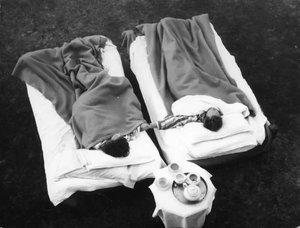
maxwell fry, jane drew, lindsey drake, denys lasdun
1950 - , United Kingdom
基本情報
- Artistic Movement Or Style: Tropical Modernism, British Postmodernism
- Artists Or Movements Influenced By This Artist:
- Jane Drew
- Denys Lasdun
- Artists Who Influenced This Artist:
- Le Corbusier
- Walter Gropius
- Pierre Jeanneret
- Date Of Birth: 1950 (London, UK)
- Date Of Death: Living
- Full Name: Maxwell Fry, Jane Drew, Lindsey Drake, Denys Lasdun
- Nationality: British
- Notable Artworks:
- Community Centre, Accra
- Chandigarh Complex
- Place Of Birth: London, United Kingdom

