

 プレビュー
プレビュー
 プリントを購入
 シェアする
シェアする シェアする
シェアする
 詳細を見る
詳細を見る

 ダウンロード
 似ている作品
 X線調査
X線調査 スライドショー
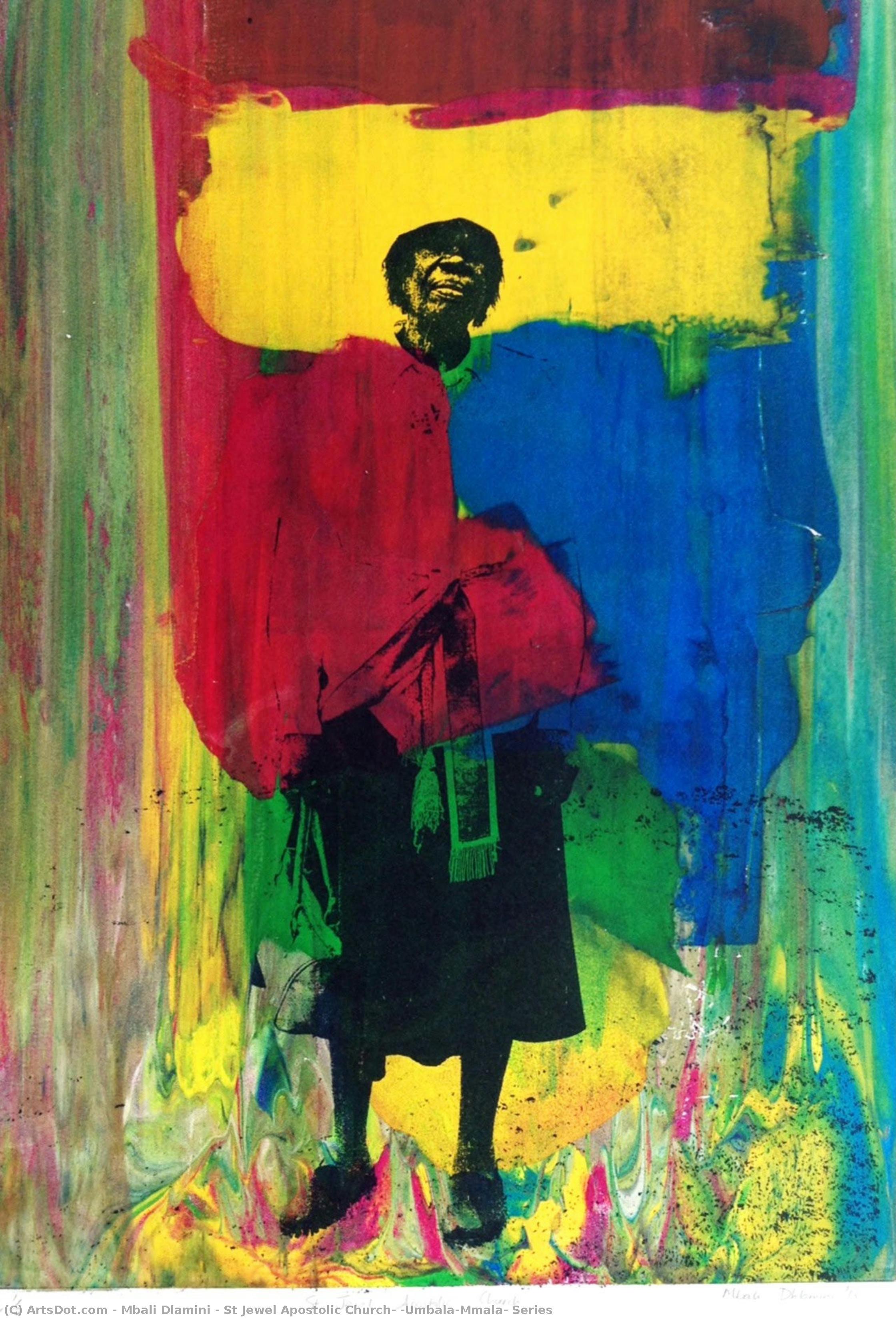
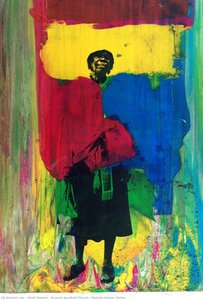
St Jewel Apostolic Church, ‘Umbala/Mmala’ Series


 詳細を見る
詳細を見る
オンラインプレビューをはるかに凌ぐ、高解像度で鮮明なデジタル画像をご購入いただけます。
各ファイルは、社内の専門家が高度なツールと熟練した手作業によるレタッチを用いて、細心の注意を払って準備されています。すべての画像において、卓越した鮮明度、正確な色彩再現性、そして繊細なディテールを保証いたします。
最終ファイルは、プロフェッショナルな編集・印刷環境ですぐにご利用いただけるよう最適化された状態で、72時間以内にメールにてお届けいたします。これは、一流のデザインスタジオ、出版社、ギャラリーから信頼されているものと同等の品質です。
デジタル画像のご注文に付随する特典
高品質なデジタル画像配信を、確かな品質で。
ArtsDot.com を選ぶことは、単に画像を手に入れることではありません。それは、プロの手によって精密に仕上げられ、満足保証が付いた高品質なデジタルアートワークを受け取ることを意味します。ご注文いただいた際に自動的に付随する内容は、以下の通りです:

メールですぐにお届け
ご注文から72時間以内に、高解像度のデジタル画像ファイルがメールでお手元に届きます。すぐにそのままご利用いただけます。

AI技術で最適化されたデジタルファイル
お客様の作品は、高度なAIツールと専門家による手作業の編集を組み合わせてプロフェッショナルに最適化されており、細部のディテール、鮮明さ、そして正確な色再現性を最大限に引き出しています。

一生涯無料の再送サービス
ファイルを誤って削除したり、紛失してしまったりしましたか?ご安心ください。いつでも無料で再送いたします。

輸入手数料は一切かかりません
関税や手数料、配送料を気にすることなく、お気に入りのアートワークをすぐにお楽しみいただけます。デジタルダウンロードは常に免税です。

色彩再現の保証
プロ仕様のツールとカラーマネジメント技術を用いることで、デジタル画像が元の色を最大限に忠実に再現することを保証いたします。

60日間満足保証
ご購入いただいたデジタル画像にご満足いただけない場合は、60日以内であれば、修正または100%の返金(理由を問う必要はありません)をさせていただきます。

100% 返金保証
ご満足いただけない場合は、デジタルファイルを受け取ってから60日以内であれば、理由を問わず全額返金いたします。

まとめ買い割引
3枚購入で10%OFF - 5枚購入で15%OFF - 10枚以上購入で20%OFF。クリエイティブなプロジェクト、ギャラリー、エージェンシーに最適です。
A Tapestry of Spirit and Streetscape
In the evocative painting St Jewel Apostolic Church, ‘Umbala/Mmala’ Series, artist Mbali Dlamini invites the viewer into a vibrant, living moment that transcends the boundaries between the mundane and the divine. The composition centers on a woman whose presence is both grounded and strikingly luminous. Draped in a bold red coat that rests upon her shoulders, she carries a deep blue bag, an element of color that anchors the visual weight of the piece. As she moves through the scene, there is a sense of purposeful motion, as if she is navigating not just a physical street, but a spiritual landscape. The background, populated by the blurred silhouettes of others, suggests a bustling community life where individual journeys intersect with collective existence, creating a dynamic visual experience that feels both intimate and expansive.
Dlamini’s technique serves as a bridge between her foundational training in printmaking and her profound interest in cultural memory. The painting utilizes a rich palette of colors and intricate patterns to build a sense of texture and life. This approach allows the artist to weave together the tactile reality of South African street life with the ethereal themes of faith and identity that define her oeuvre. The interplay of light and shadow, combined with the rhythmic application of color, creates a sense of movement that mimics the pulse of a living city. For the collector or interior designer, this piece offers a sophisticated layering of detail that rewards prolonged observation, making it a centerpiece capable of injecting energy and warmth into any curated space.
Beyond its aesthetic brilliance, the work is steeped in the symbolic language of the ‘Umbala/Mmala’ series. Dlamini, born in Mkhondo, Mpumalanga, draws deeply from the spiritual tapestries of her South African heritage. The red of the woman's coat can be interpreted as a symbol of vitality, passion, or even the sacred bloodlines of faith, while the blue of her bag provides a cooling, contemplative contrast. The painting functions as a visual narrative of resilience and continuity; it captures the way tradition persists within the modern, post-apartheid landscape. It is an invitation to contemplate how memory and spirit are carried through the streets of our daily lives, making this artwork not merely a decoration, but a profound meditation on the enduring strength of cultural identity.
関連作品
作家の略歴
Mbali Dlamini: Weaver of Memory and Spirit
Born in Mkhondo, Mpumalanga, South Africa, in 1990, Mbali Dlamini’s artistic journey is inextricably linked to her roots – a landscape steeped in both the vibrant traditions of Southern African indigenous cultures and the complex realities of post-apartheid South Africa. From an early age, she demonstrated a profound engagement with visual storytelling, initially drawn to the tactile world of printmaking at Artist Proof Studio in Johannesburg. This foundational training instilled within her a deep appreciation for process, materiality, and the inherent power of image creation – principles that would become central to her distinctive artistic voice.
Dlamini’s work quickly evolved beyond mere technical proficiency, however, demonstrating an urgent desire to explore themes of identity, spirituality, and cultural memory. Her early explorations were deeply influenced by the rich tapestry of faith practices within her community – particularly the Apostolic and Zionist traditions – a world where color held profound symbolic weight and ritualistic performance was interwoven with daily life. This initial focus culminated in her 2015 exhibition, “Non-Promised Land: Bana Ba Thari Entsho,” a powerful series of prints that sought to capture the essence of these spiritual movements through a deliberate investigation of color theory and its connection to belief systems. The title itself – "Bana Ba Thari Entsho" (Children of God’s Promise) – speaks volumes about her project's core intention: to illuminate the enduring strength and resilience of cultural heritage in the face of historical adversity.
The Indigo Thread: Research and International Recognition
A pivotal moment in Dlamini’s artistic development occurred during a research fellowship at Black Rock Senegal, a collaborative art space dedicated to fostering intercultural dialogue. This immersive experience provided her with an opportunity to delve into the ancient tradition of indigo dyeing – a practice deeply rooted in West African cultures and historically associated with knowledge transmission, social cohesion, and spiritual connection. Through meticulous observation and experimentation, Dlamini began to unravel the complex symbolism embedded within this seemingly simple craft, recognizing it as a potent metaphor for decolonization and the reclamation of indigenous knowledge systems.
This research extended beyond Senegal, culminating in a residency at RAW Material Company in Dakar, where she continued her exploration of indigo’s cultural significance. Her work during this period was showcased internationally, including at the Beijing International Art Biennale in 2015 and the European Cultural Center in Venice in 2019. Notably, in 2021, her photographs documenting West African women engaged in traditional indigo dyeing were acquired by the Mercedes Benz Art Collection, a testament to the profound impact of her work on contemporary art discourse.
Political Activism and Contemporary Relevance
While Dlamini’s artistic practice has consistently centered on themes of cultural identity and spiritual exploration, she has also become increasingly involved in South African politics. Joining the Economic Freedom Fighters (EFF) in 2014 – a party committed to radical social transformation – solidified her commitment to using her platform as an artist to advocate for systemic change. Since 2022, she has served as a Member of the National Council of Provinces representing Mpumalanga, bringing a unique perspective shaped by both her artistic sensibilities and her political convictions.
Her engagement with politics is not viewed in isolation from her art; rather, it’s an extension of her broader project to challenge dominant narratives and amplify marginalized voices. Dlamini's work continues to resonate powerfully within the context of contemporary South Africa, offering a nuanced and evocative portrayal of its complex social, cultural, and political landscape. Her commitment to decolonization—both in her artistic practice and her political activism—positions her as a significant voice in shaping the future of the nation.
Key Artistic Elements & Techniques
Dlamini’s visual language is characterized by a deliberate layering of techniques, often blending traditional methods with contemporary approaches. She frequently employs printmaking processes – including screen printing and monotyping – to create richly textured surfaces that evoke both the tactile qualities of indigenous crafts and the immediacy of photographic imagery. Her use of color is particularly striking, drawing heavily on the symbolism associated with the spiritual traditions she explores, while simultaneously referencing the vibrant hues of South African landscapes.
Beyond technique, Dlamini’s work is defined by a profound sensitivity to detail and an unwavering commitment to authenticity. She meticulously researches the cultural contexts surrounding her subjects, ensuring that her representations are both respectful and insightful. Her photographs, in particular, capture not only the outward appearance of individuals but also their inner lives – conveying a sense of dignity, resilience, and quiet strength.
Legacy & Future Directions
Mbali Dlamini’s artistic legacy is still unfolding, yet her work has already established her as one of South Africa's most compelling contemporary artists. Her exploration of cultural memory, spiritual traditions, and political activism offers a powerful lens through which to understand the complexities of post-apartheid South Africa. As she continues to develop her practice, Dlamini’s commitment to decolonization—both within art and society—promises to yield further innovative and impactful work in the years to come.
mbali dlamini
South Africa
プロフィール概要
- Artistic Movement Or Style: Political art
- Artists Or Movements Influenced By This Artist: ['None specified']
- Artists Who Influenced This Artist: ['None specified']
- Date Of Birth: 1990
- Full Name: Mbali Dhlamini
- Nationality: South African
- Notable Artworks: ['Umbala/Mmala Series']
- Place Of Birth: Mkhondo, Mpumalanga

