

 プレビュー
プレビュー
 プリントを購入
 シェアする
シェアする シェアする
シェアする
 詳細を見る
詳細を見る

 ダウンロード
 似ている作品
 X線調査
X線調査 スライドショー
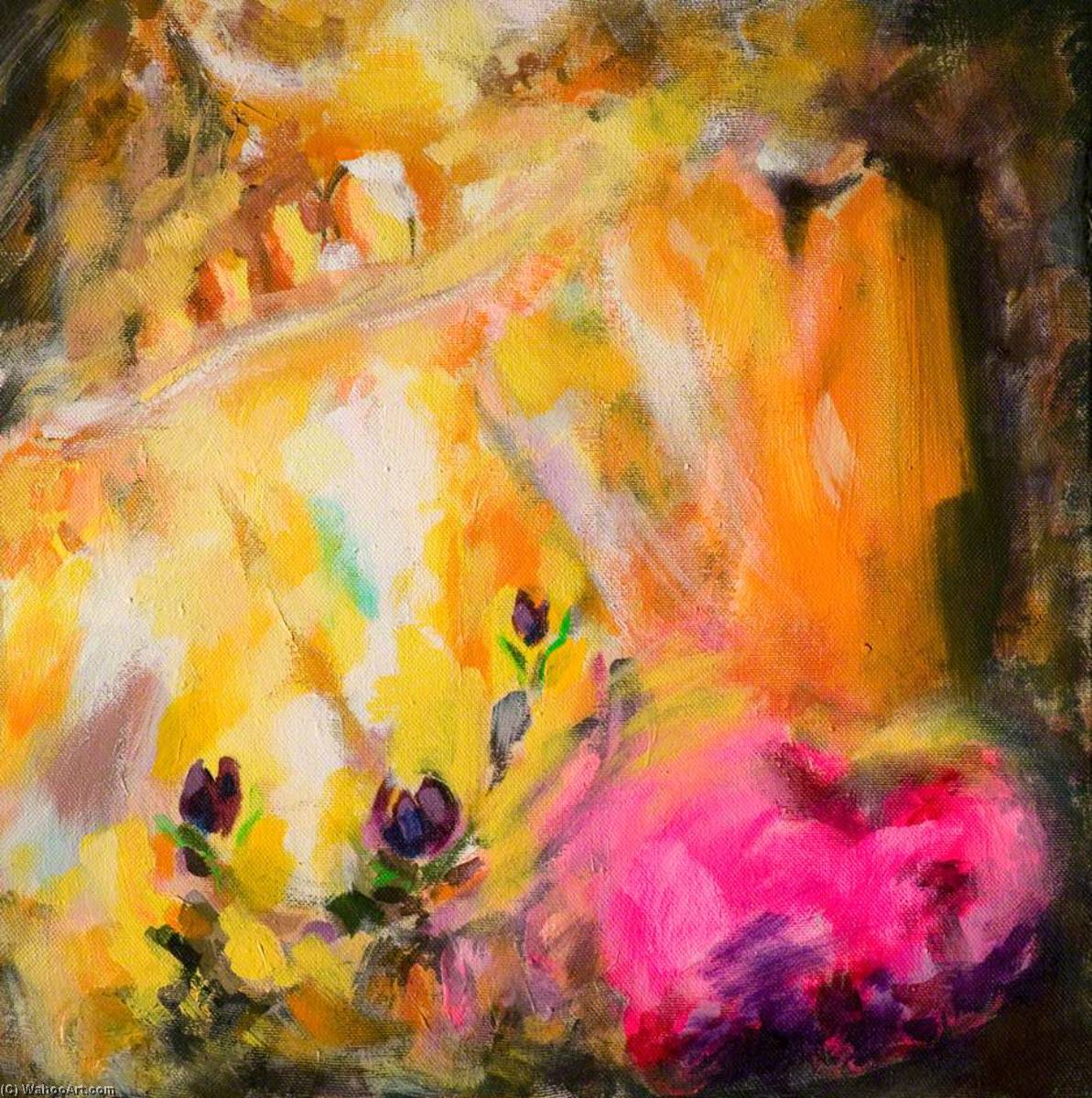
Father's Robe, Fountain Lamp and Satin Cushion
 Oil On Canvas
- WallArt
- Impressionism
 1991
1991- Contemporary
 36.0 x 36.0 cm
 Usher Gallery
 詳細を見る
詳細を見る




P118B $10

P118H $10

P118W $10

P438Z $10

P508JH $12

P508YH $12

P805H $10

P805Z $10

P919BZ $10

P919G $10

P919XJ $10

P959ZH $10

P968JZ $12

W106C $8

W218G $10

W218JH $8

W218Y $10

W307PJ $10

W316G $10

W316PJ $8

W316Y $10

W398PJ $8

W4111J $10

W500HY $15

W500JH $15

W692G $12

W849H $8

W940BG $15

W953PJ $8




作品のオリジナル比率に合わせた、当店の規定サイズからお選びください。

特定のフレームやスペースに合わせて、ご希望のサイズをご入力いただけます。選択されたサイズが元の画像の比率と異なる場合、アートワークをトリミングするか、手描きで要素を追加して絵画を拡張いたします。デジタルモックアップ を制作し、制作開始前にご確認(承認)をいただきます。
画面上のプレビューは、実際のトリミングや拡張を正確に反映しているものではありません。最終的な構図は、モックアップによってのみ正確にご確認いただけます。
カスタムサイズもご利用いただけますが、元の比率を維持するためには、あらかじめ用意されたリストからサイズを選択することをお勧めいたします。
ご注文後、ArtsDot.com チームより詳細な指示をお送りするとともに、仕上がりイメージ(モックアップ)をご提供いたします。


 ガラスオプションは、110cm未満のサイズでのみご利用いただけます。

Father's Robe, Fountain Lamp and Satin Cushion
複製技法
複製画のサイズ
-


合計金額
$ 263
A Dreamscape of Light and Memory
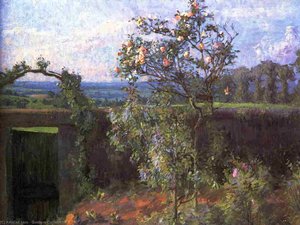
In the evocative oil painting "Father's Robe, Fountain Lamp and Satin Cushion," Medina Ann Hammad invites the viewer into a realm where the boundaries between reality and memory dissolve. Created in 1991, this piece serves as a profound exploration of atmosphere, utilizing an impressionistic lens to capture a moment that feels both fleeting and eternal. The canvas is dominated by a radiant palette of warm yellows, glowing oranges, and soft pinks, which coalesce to create a sense of sun-drenched nostalgia. Rather than presenting a literal landscape, Hammad offers a dreamlike vision of foliage and architectural whispers, where the subject matter is less about a specific place and more about the emotional resonance of a cherished memory.
The technique employed in this work is nothing short of visceral. Through the masterful use of the impasto technique, Hammad applies thick, textured layers of oil paint that lend the surface a tactile, sculptural quality. These heavy brushstrokes do more than just depict form; they imbue the painting with an energetic, rhythmic movement. As light interacts with the raised ridges of the pigment, the artwork appears to shift and breathe, mirroring the way sunlight filters through a garden or how memories flicker in the mind's eye. This deliberate lack of precise detail allows the viewer’s imagination to fill the gaps, transforming organic shapes into a lush, pulsating environment of color and light.
Symbolism and the Ethereal Connection
Beyond its visual splendor, the painting is deeply rooted in the artist's unique ability to weave together the tangible and the spiritual. Drawing from her heritage and a life shaped by the interplay of faith and family, Hammad utilizes color and light as symbolic language. The warmth radiating from the center of the composition suggests a sanctuary—a space of comfort and protection. The title itself, referencing objects like a father's robe and a satin cushion, hints at an intimacy and a reverence for the domestic and the ancestral. Even in this abstract, impressionistic rendering, there is a palpable sense of presence, as if the unseen elements of history and identity are woven into the very fabric of the landscape.
For the discerning collector or interior designer, this artwork offers much more than mere decoration; it provides an emotional anchor. Its flattened perspective and vibrant, gestural lines make it a commanding focal point that can breathe life into a contemporary space, adding warmth and a sense of sophisticated mystery. Whether placed in a quiet study to inspire contemplation or in a grand living area to evoke a sense of movement, "Father's Robe, Fountain Lamp and Satin Cushion" stands as a testament to the power of impressionism to capture the soul of a moment. It is a piece that does not just sit upon a wall, but rather transforms the atmosphere of any room it inhabits.
関連作品


アーティストの略歴
Medina Ann Hammad: A Tapestry of Faith, Family, and the Unseen
Medina Ann Hammad’s art isn't merely a visual representation; it’s an immersive experience, a delicate dance between the tangible and the ethereal. Born in Saudi Arabia in 1963, her journey as an artist began not with formal training but with a profound connection to her faith – Islam – and a deeply personal exploration of family history and memory. Hammad's work is characterized by a haunting beauty, often imbued with a sense of mystery and quiet contemplation, drawing heavily on the rich symbolism of Islamic art while simultaneously forging a distinctly modern voice.
Her early life in Saudi Arabia profoundly shaped her artistic sensibilities. Growing up within a traditional Muslim household instilled in her a reverence for spirituality and an acute awareness of the interplay between the visible and invisible realms. This foundational experience is evident in her recurring motifs – geometric patterns, calligraphic elements, and references to Islamic history and mythology—but she doesn’t simply replicate these forms; instead, she imbues them with new meaning through her unique style and emotional depth. Hammad's work frequently explores themes of faith, family, and the passage of time, often depicting intimate portraits alongside symbolic landscapes that evoke a sense of longing and remembrance.
The Language of Color: A Unique Technique
What immediately distinguishes Hammad’s art is her distinctive technique. Primarily utilizing colored pencil on paper, she builds up layers of delicate washes to create luminous surfaces and subtle gradations of tone. This painstaking process results in images that possess a remarkable depth and texture—a tactile quality that invites the viewer to linger and contemplate. She often employs a limited palette – predominantly blues, yellows, and browns – creating a sense of harmony and restraint. However, within this restrained framework, she masterfully manipulates color to evoke specific moods and emotions. The use of yellow, in particular, is frequently associated with light, divinity, and the sun—a recurring element in many of her works.
Her technique isn’t simply about achieving a realistic depiction; it's about capturing an *impression*, a feeling. Hammad often describes her process as “drawing with color,” emphasizing that she is not merely outlining forms but rather building them up through layers of pigment, allowing the colors to bleed and blend organically. This approach results in images that are both precise and fluid, retaining a sense of spontaneity and vulnerability.
Key Works and Recurring Themes
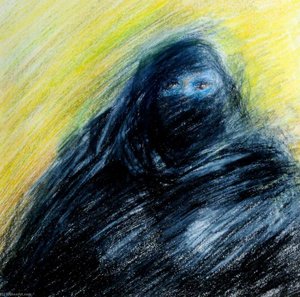
Several of Hammad’s most celebrated works offer compelling insights into her artistic vision. “Gulf Woman against Yellow Wall Prayer” (2007), for example, is a deeply moving colored pencil portrait that captures the solemnity and quiet dignity of an unnamed woman facing a yellow wall—a powerful symbol of faith and devotion. The image evokes a sense of introspection and spiritual yearning, prompting viewers to consider the complexities of belief and identity. “Yellow Corridor (study)” showcases her early experimentation with layering techniques and color palettes, while "Yellow Table" presents a surreal scene featuring a beetle-like creature, hinting at themes of transformation and hidden meanings.
Throughout her career, Hammad has consistently explored the relationship between family history and personal identity. Many of her portraits depict members of her extended family—grandparents, aunts, uncles, and cousins—often rendered in intimate detail against evocative backgrounds. These works are not simply biographical representations; they’re meditations on memory, lineage, and the enduring bonds that connect generations.
Legacy and Influence
Medina Ann Hammad's work has garnered international recognition, exhibited in galleries and museums around the world. Her distinctive style—a fusion of Islamic symbolism, personal narrative, and a unique technique—has resonated with audiences across diverse cultural backgrounds. She’s been praised for her ability to evoke profound emotions through seemingly simple imagery, inviting viewers to engage with complex themes of faith, family, and identity. Hammad's art stands as a testament to the power of individual expression within a rich artistic tradition, solidifying her place as a significant contemporary artist.
medina ann hammad
1963 -
基本情報
- Artistic Movement Or Style: Islamic Art, Portraiture
- Artists Or Movements Influenced By This Artist: ['Contemporary Art']
- Artists Who Influenced This Artist: ['William Bradford']
- Date Of Birth: 1963
- Full Name: Medina Ann Hammad
- Nationality: Saudi Arabian
- Notable Artworks:
- Gulf Woman against Yellow Wall Prayer
- Yellow Corridor (study)
- Yellow Table
- Place Of Birth: Saudi Arabia
関連記事

Impressionistic Landscapes: 10 Masterpieces That Changed Art & Decor
Journey into the heart of Impressionism! Explore 10 masterpieces by Monet, Renoir & Degas that revolutionized landscape art. Discover their stories, techniques & find museum-quality reproductions to elevate your home decor on ArtsDot.com.

印象派風景を彩った至宝:アート史に名を刻む10選
印象派風景の革新を彩った10選。モネ、ルノワールら巨匠の名作を紐解き、色彩と光が生み出す感動の世界へ。アートの歴史とインテリアのインスピレーションをArtsDot.comで。高品質な複製画で、あなただけの空間を創造しましょう。

ルノワール傑作25選:光と色彩が織りなす印象派の華麗なる世界 | ArtsDot
ルノワールの傑作25選🎨 印象派の光と色彩が輝く世界へ。絵画の背景、技法、そして時代を超えて愛される理由を紐解きます。ArtsDotで高品質な複製画やインテリアアートを見つけ、お部屋に芸術的な彩りを✨ Explore the full collection online!

Evocations of Place: A Historical Journey Through Landscape Art
Explore the rich history of landscape art with ArtsDot. Discover renowned artists, movements like Impressionism & Romanticism, and expert guidance for collecting timeless pieces. Find your perfect serene escape today!
クロード・モネ傑作25選:光と色彩の印象派を彩る名画の世界 | ArtsDot
クロード・モネの傑作25選。印象派を代表する光の画家、モネの世界を旅しませんか?睡蓮や風景画など、名画の背景にある物語と芸術技法をご紹介。ArtsDotで高品質な複製画とインテリアアートを見つけましょう。全コレクションはこちら。