

 プレビュー
プレビュー
 プリントを購入
 シェアする
シェアする シェアする
シェアする
 詳細を見る
詳細を見る

 ダウンロード
 似ている作品
 X線調査
X線調査 スライドショー
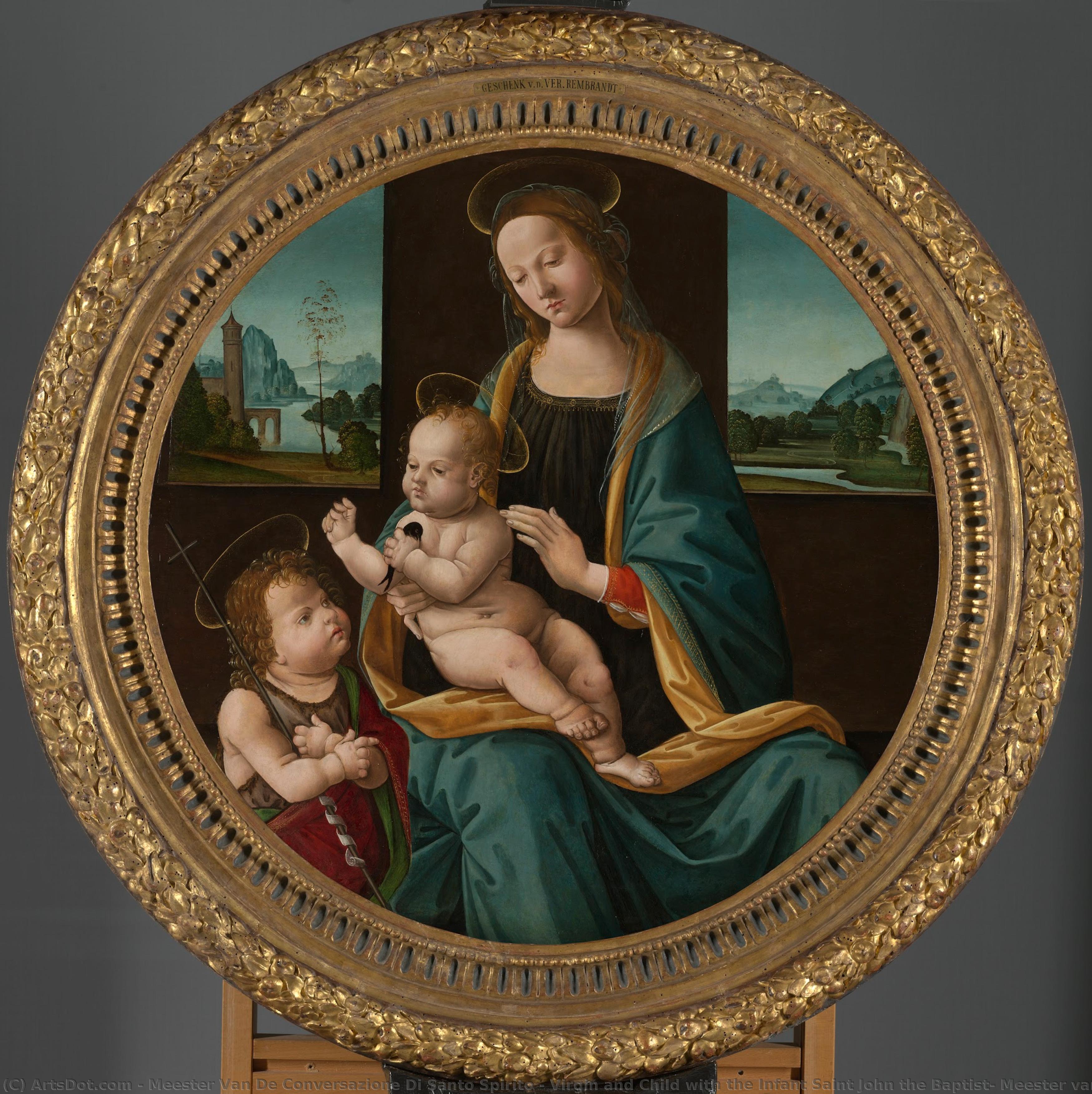
Virgin and Child with the Infant Saint John the Baptist, Meester van de Conversazione di Santo Spirito, c. 1490 - c. 1515
 1515
1515 82.0 x 9.0 cm
 詳細を見る
詳細を見る




































作品のオリジナル比率に合わせた、当店の規定サイズからお選びください。

特定のフレームやスペースに合わせて、ご希望のサイズをご入力いただけます。選択されたサイズが元の画像の比率と異なる場合、アートワークをトリミングするか、手描きで要素を追加して絵画を拡張いたします。デジタルモックアップ を制作し、制作開始前にご確認(承認)をいただきます。
画面上のプレビューは、実際のトリミングや拡張を正確に反映しているものではありません。最終的な構図は、モックアップによってのみ正確にご確認いただけます。
カスタムサイズもご利用いただけますが、元の比率を維持するためには、あらかじめ用意されたリストからサイズを選択することをお勧めいたします。
ご注文後、ArtsDot.com チームより詳細な指示をお送りするとともに、仕上がりイメージ(モックアップ)をご提供いたします。


 ガラスオプションは、110cm未満のサイズでのみご利用いただけます。

Virgin and Child with the Infant Saint John the Baptist, Meester van de Conversazione di Santo Spirito, c. 1490 - c. 1515
複製技法
複製画のサイズ
-


合計金額
$ 263
関連作品










アーティストの略歴
A Florentine Master of Intimate Devotion: The Life and Art of Agnolo di Domenico del Mazziere, Known as the Master of Santo Spirito
The early years of the 16th century in Florence witnessed a flourishing of artistic talent, yet many names remain shrouded in mystery. Among these is Agnolo di Domenico del Mazziere, more widely recognized by his *appellatif*, the Master of Santo Spirito. Born around 1490 in Rome, this Italian painter carved a niche for himself not through grand altarpieces or monumental frescoes, but through exquisitely rendered tondi – circular paintings that brought intimate religious scenes into the homes of Florentine citizens. His brief career, ending with his death in 1515, left behind a small yet compelling body of work characterized by delicate beauty and a profound sense of piety. For years, his authorship was obscured, works attributed to Lorenzo di Credi or remaining anonymous; however, diligent scholarship has firmly established him as a significant figure within the Florentine artistic landscape.The Workshop and Early Influences
Agnolo di Domenico del Mazziere did not work in isolation. He headed a workshop alongside his brother Donnino, and their collaborative efforts are often difficult to disentangle. The brothers’ style emerged from the rich tradition of Florentine painting, deeply influenced by masters like Leonardo da Vinci and particularly Lorenzo di Credi. Di Credi's emphasis on graceful figures, soft modeling, and atmospheric landscapes is readily apparent in the Master of Santo Spirito’s early works. However, he wasn’t merely an imitator. A keen awareness of contemporary Netherlandish painting – specifically the meticulous detail and oil techniques being imported from Northern Europe – infused his paintings with a unique quality. This fusion of Italian grace and Flemish precision resulted in a distinctive aesthetic that appealed to a burgeoning middle class eager to adorn their homes with devotional images. The workshop’s focus on tondi was particularly astute, catering to a growing demand for smaller-scale works suitable for private chapels and domestic settings.Themes and Techniques: A Celebration of the Virgin Mary
The Master of Santo Spirito's oeuvre is dominated by depictions of the *Madonna and Child*. These are not grand theological statements, but rather tender portrayals of maternal love and divine grace. The figures possess a gentle humanity, their expressions conveying both serenity and quiet contemplation. Angels often accompany the Virgin, adding to the sense of celestial harmony. A hallmark of his style is the inclusion of detailed landscapes in the background – views of rolling hills, distant churches, and meticulously rendered castles. These backgrounds are not merely decorative; they serve to locate the sacred scene within a recognizable world, grounding it in the everyday experience of the viewer. Technically, he employed oil paint with remarkable skill, achieving subtle gradations of light and shadow and creating a luminous quality that enhances the emotional impact of his work. The use of *grotesques* – decorative motifs inspired by ancient Roman frescoes discovered in subterranean chambers – further enriches the visual complexity of his compositions.Rediscovery and Historical Significance
For centuries, the Master of Santo Spirito remained an enigmatic figure. His paintings were often misattributed or simply labeled as “follower of Lorenzo di Credi.” It wasn’t until the 20th century that art historians began to recognize his distinct style and establish his authorship. The rediscovery of workshop documents and a careful analysis of stylistic characteristics allowed for a more accurate understanding of his artistic development and contribution. While he may not have achieved the fame of Leonardo or Michelangelo, the Master of Santo Spirito played a vital role in shaping the devotional art of early 16th-century Florence. His paintings offer a glimpse into the religious sensibilities of the period – a desire for personal piety expressed through intimate images of the Virgin Mary and her Child. He represents a fascinating intersection of artistic influences, blending Italian grace with Northern realism to create works that continue to captivate viewers today.Major Works
- Madonna and Child with Two Angels (c. 1500): Now housed in the Walters Art Museum, this tondo exemplifies his signature style – delicate figures, a luminous palette, and a detailed landscape background.
- Virgin and Child with the Infant Saint John the Baptist: A beautiful example of his ability to convey tenderness and devotion through subtle gestures and expressions.
- Other Tondi: Numerous other circular paintings attributed to the Master of Santo Spirito are scattered in collections worldwide, each showcasing his unique artistic vision. These works demonstrate a consistent style and quality, solidifying his place as an important figure in Florentine Renaissance art.
meester van de conversazione di santo spirito
1490 - 1515 , Italy
基本情報
- Artistic Movement Or Style: Renaissance painting
- Artists Who Influenced This Artist: ['Lorenzo di Credi']
- Date Of Birth: 1490
- Date Of Death: 1515
- Full Name: Meester van de Conversazione di Santo Spirito
- Nationality: Italian
- Notable Artworks: ['Tondi depicting the Virgin Mary']
- Place Of Birth: Rome, Italy