 プレビュー
プレビュー
 シェアする
シェアする シェアする
シェアする
 詳細を見る
詳細を見る

 ダウンロード
 似ている作品
 X線調査
X線調査 スライドショー
 統計情報
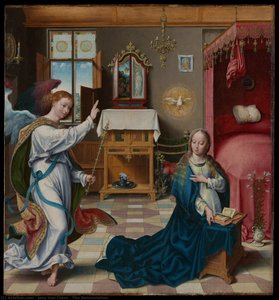
統計情報Annunciation to the Virgin, Meester van het Salemer Altaar, 1490 - 1510
 1510
1510 103.0 x 93.0 cm
 詳細を見る
詳細を見る
ジークレー/アートプリント
迅速な制作と多彩な仕上げオプションを備えた、ミュージアムクオリティのジークレーまたはキャンバスプリント。 ( 手描きの絵画を購入 デジタル画像販売へ切り替え)




































標準サイズ
オーダーメイド
CM
INCH
作品のオリジナル比率に合わせた、当店の規定サイズからお選びください。
Loading sizes...

幅
高さ
特定のフレームやスペースに合わせて、ご自身でサイズを指定することも可能です。選択されたサイズが元の画像の比率と一致しない場合、作品をトリミングするか、鏡面反射または単色での塗りつぶしによって画像を拡張いたします。制作を開始する前に、ご確認用のデジタルモックアップをお送りいたします。
画面上のプレビューには、実際のトリミングや拡張は反映されませんのでご注意ください。最終的な構図を正確に確認できるのは、モックアップのみとなります。
カスタムサイズも承っておりますが、元の比率を維持するためには、あらかじめ用意されたリストからサイズを選択することをお勧めいたします。


 ガラスオプションは、110cm未満のサイズでのみご利用いただけます。

Annunciation to the Virgin, Meester van het Salemer Altaar, 1490 - 1510
ジークレー/アートプリント
複製画のサイズ
-


合計金額
$ 62
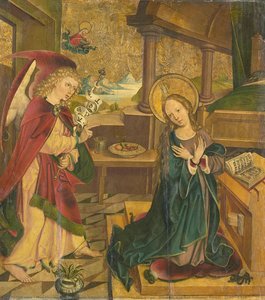
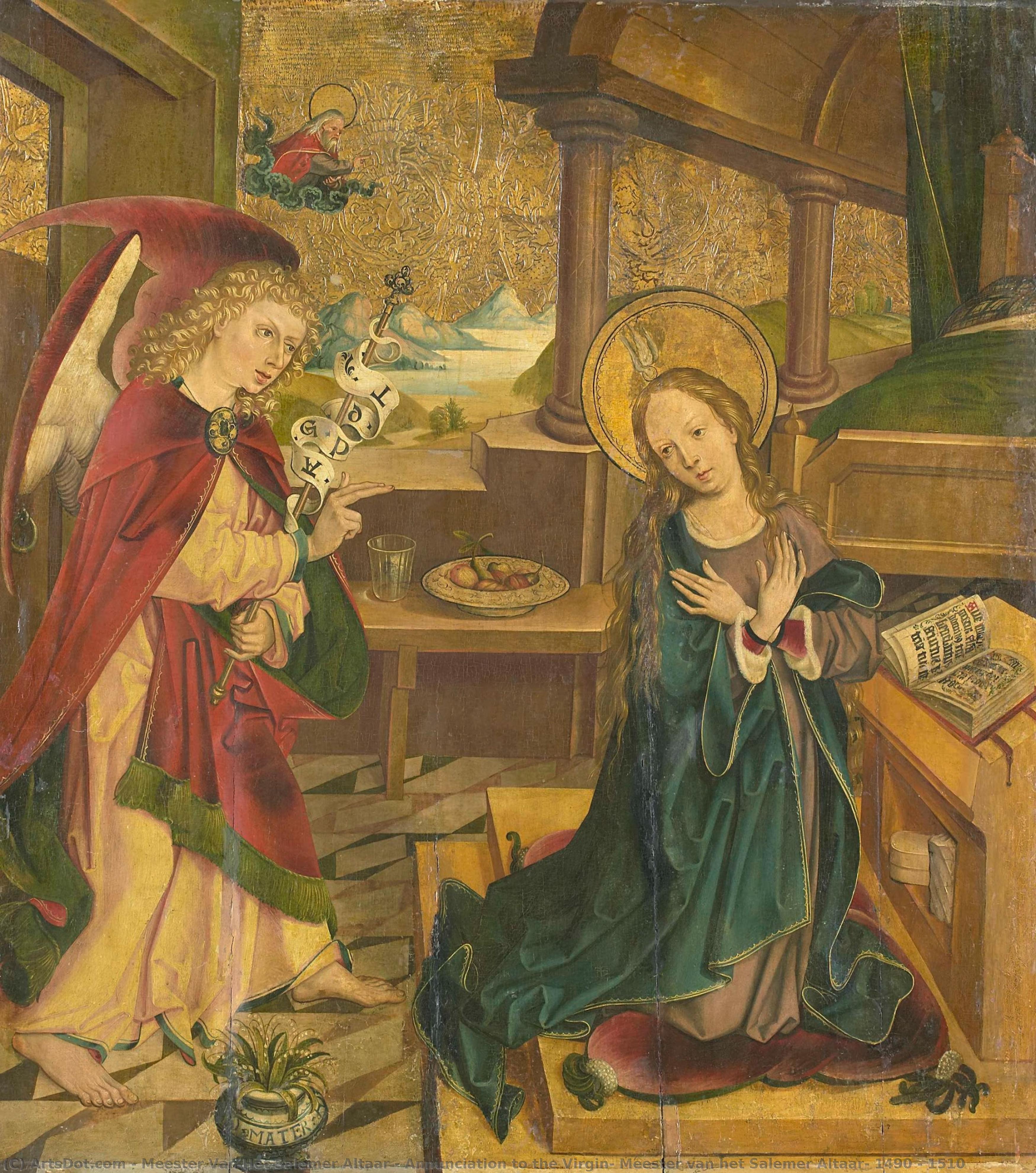
The proclamation to Mary. Maria kneeling before a reader in her bedroom looks up from the book that lies in front of her. In the background her bed. On the left is the angel, in heaven God the Father. Probably part of an altarpiece with scenes from the life of the Blessed Virgin.
関連作品

アーティストの略歴
The Enigmatic Master of the Salem Altar
The Master of the Salem Altar remains one of the most compelling and elusive figures in Early Netherlandish painting. Active during the late 15th and early 16th centuries – roughly between 1490 and 1510 – this anonymous artist left behind a remarkably cohesive body of work, primarily centered around the magnificent altarpiece that gives him his name. Despite the lack of concrete biographical details, scholars have pieced together a fascinating portrait of an individual deeply immersed in the religious fervor and artistic innovations of his time. The very mystery surrounding his identity only adds to the allure of his paintings, inviting speculation about his training, patrons, and place within the broader art historical landscape. He was likely based in or around Bruges, given stylistic similarities to artists working in that city, but definitive proof remains elusive.A Vision in Miniature: Style and Technique
The Master of the Salem Altar’s style is characterized by a delicate precision and an almost jewel-like quality. His paintings are small in scale, often intended for private devotion rather than large public displays. He possessed an extraordinary talent for rendering textures – the shimmering folds of drapery, the gleam of metal, the softness of skin – with meticulous detail. His use of color is particularly striking, employing a rich palette and subtle gradations to create a sense of depth and luminosity. The compositions are typically organized around central narrative scenes, framed by intricate architectural settings and populated with figures whose expressions convey profound emotion. A hallmark of his work is the inclusion of symbolic details – flowers, animals, objects – that add layers of meaning to the religious narratives depicted. He was not a prolific artist; only a handful of works are confidently attributed to him, but these pieces demonstrate an exceptional mastery of oil painting techniques, indicative of training within a highly skilled workshop.The Salem Altar: A Masterpiece of Devotional Art
The altarpiece itself – now housed in the Groeningemuseum in Bruges – is a complex and multi-paneled work depicting scenes from the life of the Virgin Mary and the infancy of Christ. It’s considered his most important achievement, and it's through this single, breathtaking creation that he has earned his enduring reputation. The central panels showcase the Annunciation, Visitation, and Nativity, each scene rendered with a remarkable sense of intimacy and spiritual depth. Surrounding these core images are smaller panels depicting saints and prophets, further enriching the altarpiece’s theological significance. What sets the Salem Altar apart is not merely its technical brilliance but also its profound emotional resonance. The figures appear deeply engaged in prayer and contemplation, inviting viewers to share in their devotion.Influences and Artistic Context
Pinpointing the Master of the Salem Altar’s specific influences is a challenging task, given his anonymity. However, scholars have identified connections to several prominent artists working in Bruges during the late 15th century. The influence of Hans Memling is evident in his delicate rendering of figures and landscapes, while similarities to the work of Gerard David can be seen in his architectural settings and use of color. It’s likely that he was familiar with the paintings of Jan van Eyck and Rogier van der Weyden, whose innovations in oil painting techniques had a profound impact on the development of Early Netherlandish art.- The emphasis on realism and detail reflects the broader artistic trends of the period.
- His focus on religious themes aligns with the devotional practices of his time.
- The small scale of his paintings suggests they were intended for private patrons, likely wealthy merchants or members of the clergy.