

 プレビュー
プレビュー
 プリントを購入
 シェアする
シェアする シェアする
シェアする
 詳細を見る
詳細を見る

 ダウンロード
 似ている作品
 X線調査
X線調査 スライドショー
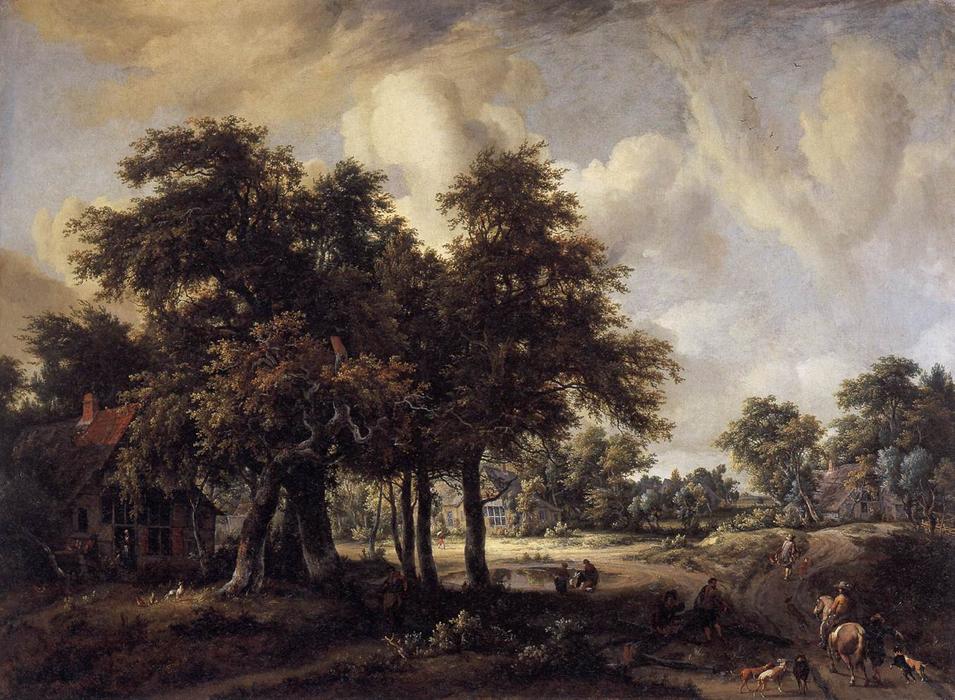
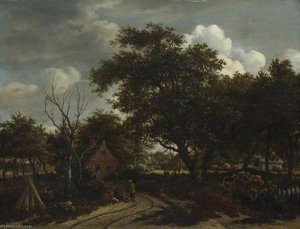
Wooded Landscape with Cottages

 詳細を見る
詳細を見る




P118B $10

P118H $10

P118W $10

P438Z $10

P508JH $12

P508YH $12

P805H $10

P805Z $10

P919BZ $10

P919G $10

P919XJ $10

P959ZH $10

P968JZ $12

W106C $8

W218G $10

W218JH $8

W218Y $10

W307PJ $10

W316G $10

W316PJ $8

W316Y $10

W398PJ $8

W4111J $10

W500HY $15

W500JH $15

W692G $12

W849H $8

W940BG $15

W953PJ $8




作品のオリジナル比率に合わせた、当店の規定サイズからお選びください。

特定のフレームやスペースに合わせて、ご希望のサイズをご入力いただけます。選択されたサイズが元の画像の比率と異なる場合、アートワークをトリミングするか、手描きで要素を追加して絵画を拡張いたします。デジタルモックアップ を制作し、制作開始前にご確認(承認)をいただきます。
画面上のプレビューは、実際のトリミングや拡張を正確に反映しているものではありません。最終的な構図は、モックアップによってのみ正確にご確認いただけます。
カスタムサイズもご利用いただけますが、元の比率を維持するためには、あらかじめ用意されたリストからサイズを選択することをお勧めいたします。
ご注文後、ArtsDot.com チームより詳細な指示をお送りするとともに、仕上がりイメージ(モックアップ)をご提供いたします。


 ガラスオプションは、110cm未満のサイズでのみご利用いただけます。

Wooded Landscape with Cottages
複製技法
複製画のサイズ
-


合計金額
$ 288
関連作品

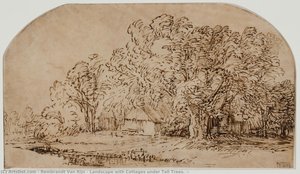
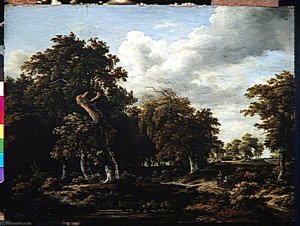

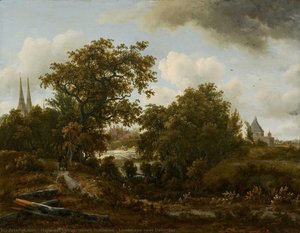
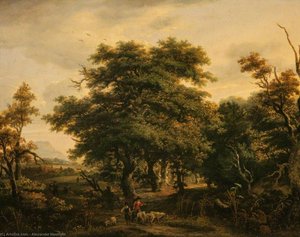
アーティストの略歴
The Quiet Master of Dutch Landscape
Meindert Lubbertszoon Hobbema remains a figure shrouded in relative obscurity compared to his contemporaries like Rembrandt and Vermeer, yet he stands as one of the most distinctive voices within the Golden Age of Dutch art. His landscapes—characterized by an exquisite level of detail and imbued with a palpable sense of atmosphere—capture the serene beauty of rural Holland with remarkable precision. While biographical documentation remains somewhat elusive, scholars have pieced together a portrait of an artist deeply rooted in his era, profoundly influenced by the masters of his time and committed to capturing the subtle nuances of light, texture, and the natural world. Born in Amsterdam around 1638, Hobbema’s early life was shaped by the vibrant artistic energy of the Dutch Golden Age. He entered the professional sphere through a formal apprenticeship under Jacob van Ruysdael beginning approximately 1657. This formative period was essential, as it allowed him to absorb Ruysdael's masterful technique for rendering landscapes with luminous color palettes and meticulous observation. Through this lineage, Hobbema inherited a tradition of storytelling through scenery, where the placement of a tree or the bend of a path served to guide the viewer’s eye through a carefully composed natural drama.Evolution of Style and Technique
The partnership with Ruysdael was far more than a mere educational period; it fostered an intellectual and stylistic exchange that propelled Hobbema’s artistic evolution. While his early works often mirrored the river scenes and compositions of his mentor, Hobbema gradually developed a distinctive vision marked by a heightened sensitivity to light and color. By around 1662, the influence of Ruysdael had solidified into a style that was uniquely his own—one characterized by a preference for muted tones, textured brushstrokes, and an unwavering focus on capturing the natural world as it appeared to the eye. His mature works are celebrated for their ability to capture the subtle interplay of sunlight filtering through dense foliage and the way light dances across woodland paths. Unlike the more dramatic or stormy landscapes found in other Dutch traditions, Hobbema’s oeuvre often leans toward a peaceful, structured realism. He possessed an unparalleled ability to render:- The intricate textures of bark and moss on ancient trees.
- The atmospheric depth created by receding woodland vistas.
- The quiet, rhythmic movement of sunlight through leafy canopies.
- The humble beauty of rural roads, canals, and rustic buildings.
Legacy and Historical Significance
Hobbema’s contribution to the Dutch landscape tradition lies in his ability to elevate the mundane aspects of the countryside into subjects of profound contemplative beauty. His paintings do not merely document the topography of 17th-century Holland; they evoke a sense of stillness and permanence. Through his mastery of light and composition, he transformed simple wooded scenes into complex studies of nature's quiet grandeur. Though he may not have achieved the global celebrity of the era's portraitists, his historical significance is cemented by his role in perfecting the landscape genre. His work serves as a vital link in the evolution of Dutch realism, providing a window into a period where the mastery of light and the observation of nature became the ultimate expressions of artistic truth. Today, his paintings remain cherished for their ability to transport the viewer to a tranquil, sun-dappled world that feels both intimately real and timelessly poetic.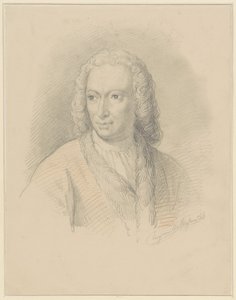
Meindert Hobbema
1638 - 1709 , Netherlands
基本情報
- Artistic Movement Or Style: Golden Age Dutch Landscape Art
- Artists Or Movements Influenced By This Artist: Rembrandt
- Artists Who Influenced This Artist: Jacob van Ruysdael
- Date Of Birth: Amsterdam, Netherlands (1638)
- Date Of Death: December 1709
- Full Name: Meindert Lubbertszoon Hobbema
- Nationality: Dutch
- Notable Artworks:
- A Watermill 1
- Wooded Landscape with Cottages
- Cottages in a Wood
- Place Of Birth: Amsterdam
関連記事

黄金世紀の巨匠たち:バロック絵画が彩る10選|ArtsDot
オランダ黄金時代の10大傑作を紐解く!レンブラント、フェルメール…バロック絵画の魅力と時代背景を深く探求。ArtsDotで、至高のアートコレクションと空間演出のヒントを見つけよう。高品質なアートプリントで、お部屋を華やかに。
Golden Light & Dutch Skies: Bringing the Magic of Dutch Golden Age Landscapes into Your Home
Transform your home with the breathtaking light of Dutch Golden Age landscapes. Discover how hand-painted oil reproductions of masterworks like Ruisdael and Vermeer bring timeless elegance, atmosphere, and soulful texture to modern interiors. Elevate your space with museum-quality art.
Charles Leickert: Capturing the Dutch Golden Age Light – A Comprehensive Study of Technique, Context, and Legacy
Explore the captivating winter landscapes of Charles Leickert, a master of Dutch Golden Age light & atmosphere. Discover his techniques, symbolism, and lasting legacy – a comprehensive study for art enthusiasts and collectors.
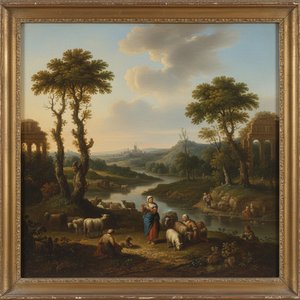
Nicolaes Berchem: Dutch Golden Age Pastoralism & the Evolution of Landscape Painting
Explore the captivating world of Nicolaes Berchem, a leading Dutch Golden Age painter. Discover his idyllic landscapes, masterful technique & lasting influence on art history. Learn more at ArtsDot.

Golden Age Reflections: Dutch Baroque Painting & Cultural Innovation
Explore the Dutch Golden Age of painting! Discover key artists like Vermeer & ter Borch, their innovative techniques, and the rich cultural context behind these Baroque masterpieces. Learn about collecting & appreciating this iconic art period.

