

 プレビュー
プレビュー
 シェアする
シェアする シェアする
シェアする
 詳細を見る
詳細を見る

 ダウンロード
 似ている作品
 X線調査
X線調査 スライドショー
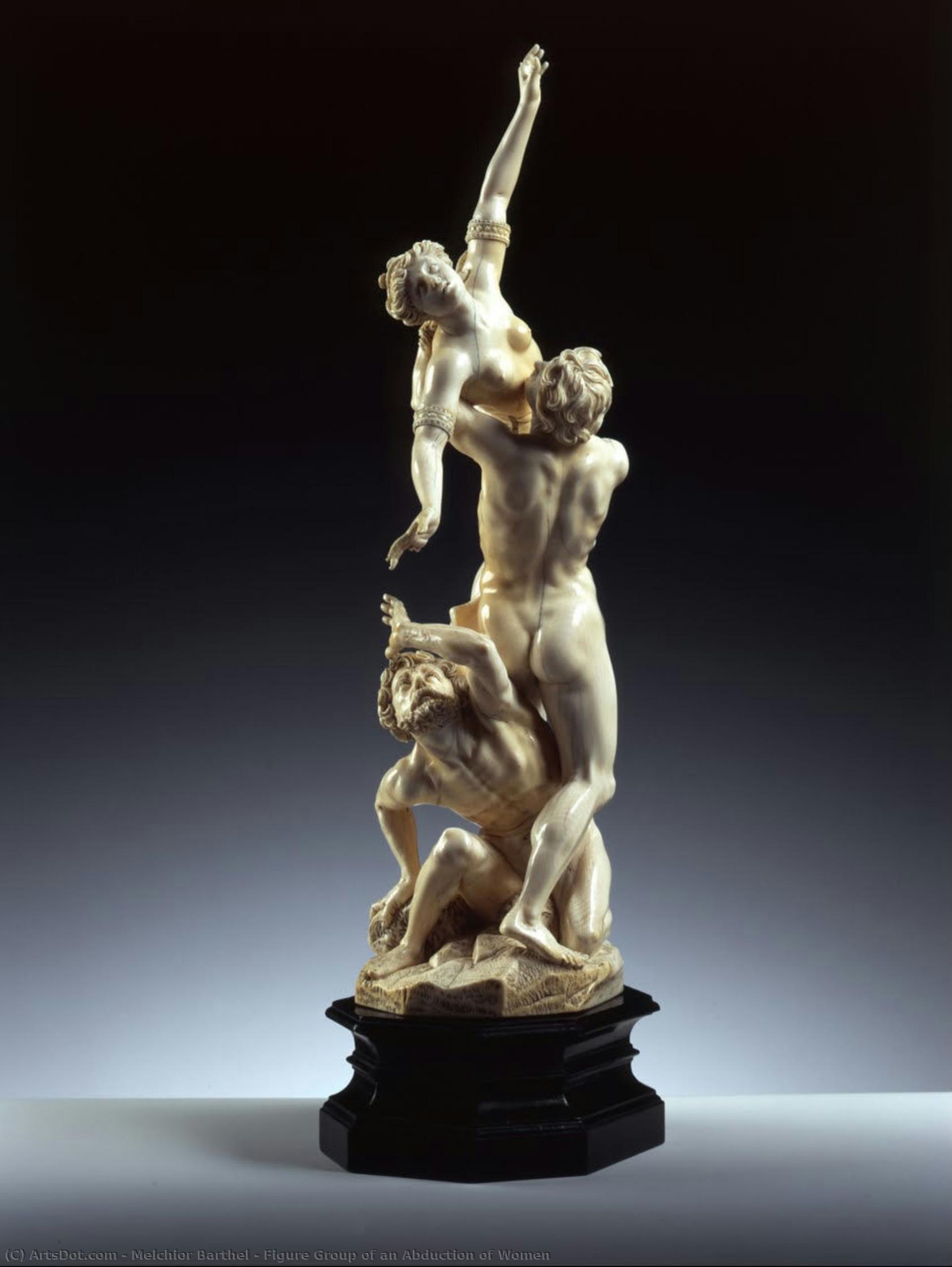
Figure Group of an Abduction of Women


 詳細を見る
詳細を見る
ジークレー/アートプリント
迅速な制作と多彩な仕上げオプションを備えた、ミュージアムクオリティのジークレーまたはキャンバスプリント。 ( 手描きの絵画を購入 画像を購入)




































作品のオリジナル比率に合わせた、当店の規定サイズからお選びください。

特定のフレームやスペースに合わせて、ご自身でサイズを指定することも可能です。選択されたサイズが元の画像の比率と一致しない場合、作品をトリミングするか、鏡面反射または単色での塗りつぶしによって画像を拡張いたします。制作を開始する前に、ご確認用のデジタルモックアップをお送りいたします。
画面上のプレビューには、実際のトリミングや拡張は反映されませんのでご注意ください。最終的な構図を正確に確認できるのは、モックアップのみとなります。
カスタムサイズも承っておりますが、元の比率を維持するためには、あらかじめ用意されたリストからサイズを選択することをお勧めいたします。


 ガラスオプションは、110cm未満のサイズでのみご利用いただけます。

Figure Group of an Abduction of Women
ジークレー/アートプリント
複製画のサイズ
-


合計金額
$ 62
関連作品







アーティストの略歴
A Dresden Sculptor in Venetian Splendor: The Life and Art of Melchior Barthel
Melchior Barthel, born in Dresden on December 10th, 1625, emerged from a family steeped in artistic tradition. His father, Hieronymus Barthel, was a sculptor active in the city during the tumultuous years of the Thirty Years’ War, providing young Melchior with his earliest training. This foundational education was soon augmented by an apprenticeship under Johann Boehme of Schneeberg between 1640 and 1645. While details of these formative years remain scarce, it is clear that Barthel benefited from a solid grounding in the sculptural arts before embarking on a journey that would lead him to become a prominent figure in the vibrant artistic landscape of Venice. The early 17th century was a period of significant upheaval across Europe, and the religious tensions of the time undoubtedly shaped the cultural climate within which Barthel developed his sensibilities. His native Saxony, under the rule of Elector John George I, fostered a strong Lutheran identity, an environment that likely influenced the devotional nature of some of his later works.From Dresden Court to Venetian Commissions
Barthel’s trajectory took a decisive turn when he settled in Dresden and secured a position as sculptor to the court. However, it was not long before the allure of Italy beckoned. He undertook travels to Augsburg, Ulm, Rome, and most importantly, Venice – a city that would profoundly impact his artistic style and career. For seventeen years, Barthel established himself within the Venetian art world, securing significant commissions that showcased his burgeoning talent. This period proved pivotal in shaping his aesthetic, moving him away from the more restrained traditions of German sculpture towards the dramatic flair and opulent detail characteristic of the Italian Baroque. In 1670, he returned to Dresden and was officially appointed court sculptor, yet his most celebrated achievements lay firmly rooted in his Venetian experience.Masterpieces in Marble and Ivory: A Legacy of Skill
Barthel’s reputation rests primarily on three monumental works completed during his time in Venice. The colossal tomb of Doge Giovanni Pesaro within the Santa Maria dei Frari stands as a testament to his ability to handle large-scale sculptural projects with both technical precision and emotional depth. Designed by Baldassare Longhena, the tomb features striking African caryatids carved in contrasting black and white marble – figures that exemplify Barthel’s mastery of dramatic figural representation and bold material contrasts. Further commissions included a statue of John the Baptist for the chapel of Santa Maria in Nazareth and another elaborate tomb within San Giovanni e Paolo. However, it is perhaps his numerous ivory carvings housed within the Green Vault at Dresden that reveal the full extent of his artistic virtuosity. These delicate reproductions of classical antiquity are considered by many to surpass even his more ambitious marble sculptures in their exquisite detail and refined craftsmanship.A Synthesis of Influences: Baroque Drama and Classical Restraint
Barthel’s art represents a fascinating synthesis of diverse influences. The solid training he received from his father and Boehme provided him with a strong foundation in traditional sculptural techniques, while his travels to Italy exposed him to the dynamism and theatricality of the Baroque style. His Venetian works demonstrate a clear understanding of Longhena's architectural vision, seamlessly integrating sculpture into the broader decorative schemes of the churches he adorned. Yet, even amidst this embrace of Baroque exuberance, Barthel retained a certain degree of classical restraint – evident in the elegant proportions and refined detailing of his figures. This unique blend of influences allowed him to create works that were both visually striking and intellectually engaging.Historical Significance: A Transnational Artist
Melchior Barthel’s career exemplifies the transnational nature of artistic exchange during the 17th century. He was not simply a German sculptor working in Italy; he was an artist who absorbed, adapted, and ultimately transformed the aesthetic traditions of different cultures. His contributions to Venetian ecclesiastical monuments helped shape the city's visual identity, while his ivory carvings continue to captivate audiences with their delicate beauty and technical brilliance. Though his later years in Dresden yielded few large-scale works, his legacy endures through the masterpieces he created during his time in Venice – a testament to his skill, vision, and enduring artistic impact. He died in Dresden on November 12th, 1672, leaving behind a body of work that continues to be celebrated for its unique blend of Baroque drama and classical refinement.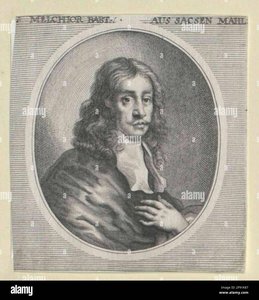
melchior barthel
1625 - 1672 , Germany
基本情報
- Artistic Movement Or Style: Baroque sculpture
- Artists Who Influenced This Artist:
- Hieronymus Barthel
- Johann Boehme
- Date Of Birth: 1625
- Date Of Death: 1672
- Full Name: Melchior Barthel
- Nationality: German
- Notable Artworks:
- Tomb of Doge Pesaro
- Statue of John the Baptist
- Green Vault carvings
- Place Of Birth: Dresden, Germany

