

 プレビュー
プレビュー
 プリントを購入
 シェアする
シェアする シェアする
シェアする
 詳細を見る
詳細を見る

 ダウンロード
 似ている作品
 X線調査
X線調査 スライドショー
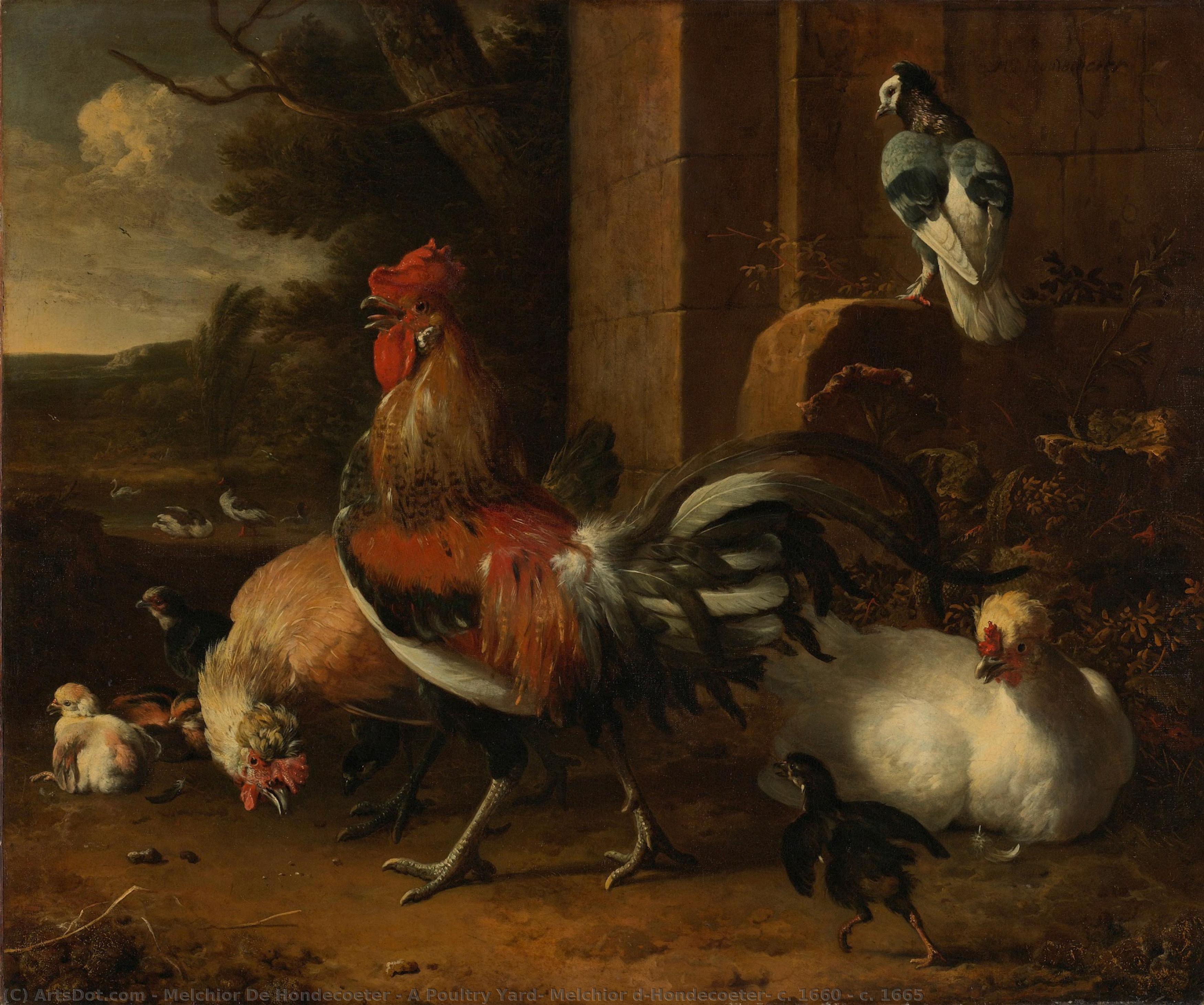
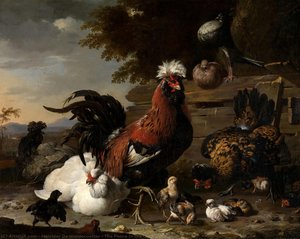
A Poultry Yard, Melchior d"Hondecoeter, c. 1660 - c. 1665
 Dutch Golden Age
 1665
1665 92.0 x 109.0 cm
 詳細を見る
詳細を見る




































作品のオリジナル比率に合わせた、当店の規定サイズからお選びください。

特定のフレームやスペースに合わせて、ご希望のサイズをご入力いただけます。選択されたサイズが元の画像の比率と異なる場合、アートワークをトリミングするか、手描きで要素を追加して絵画を拡張いたします。デジタルモックアップ を制作し、制作開始前にご確認(承認)をいただきます。
画面上のプレビューは、実際のトリミングや拡張を正確に反映しているものではありません。最終的な構図は、モックアップによってのみ正確にご確認いただけます。
カスタムサイズもご利用いただけますが、元の比率を維持するためには、あらかじめ用意されたリストからサイズを選択することをお勧めいたします。
ご注文後、ArtsDot.com チームより詳細な指示をお送りするとともに、仕上がりイメージ(モックアップ)をご提供いたします。


 ガラスオプションは、110cm未満のサイズでのみご利用いただけます。

A Poultry Yard, Melchior d"Hondecoeter, c. 1660 - c. 1665
複製技法
複製画のサイズ
-


合計金額
$ 263
作品解説
関連作品

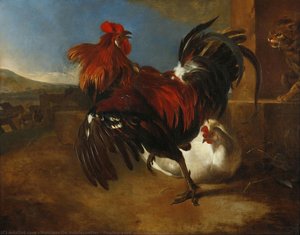
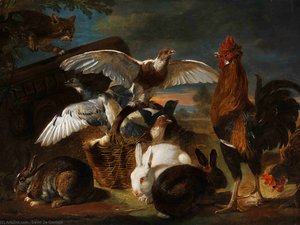
アーティストの略歴
A Flourishing of Feathers: The World of Melchior de Hondecoeter
Melchior de Hondecoeter, a name synonymous with the vibrant depiction of birds and still life in 17th-century Dutch painting, occupied a unique position within the Golden Age artistic landscape. Born into a family deeply rooted in artistry – his father, Gillebert de Hondecoeter, was also a celebrated painter specializing in animal subjects – Melchior inherited not only a lineage of skill but also a predisposition for observing and rendering the natural world with meticulous detail. While precise dates surrounding his birth remain elusive, it is generally accepted he entered the artistic sphere around the mid-17th century, flourishing particularly during the latter half of the period. Unlike many artists who diversified their subject matter, de Hondecoeter dedicated himself almost exclusively to birds, elevating them from mere decorative elements within larger compositions to become the central focus of his work. This specialization, coupled with a distinctive and increasingly refined style, established him as a leading figure in the burgeoning genre of bird painting.From Family Tradition to Individual Style
The influence of Gillebert de Hondecoeter is undeniable in Melchior’s early works. Both father and son shared a penchant for depicting birds within architectural settings, often incorporating elements of fantasy and exoticism. However, Melchior quickly distinguished himself through his bolder palette, more dynamic compositions, and an increasing emphasis on the individual character of each bird. Where Gillebert's paintings sometimes feel restrained, Melchior’s burst with life and movement. He moved away from simply replicating observed nature towards a more imaginative interpretation, populating his canvases with a diverse array of species – peacocks, parrots, pheasants, ducks, finches – often arranged in elaborate groupings around overflowing tables laden with fruit, flowers, and gleaming silver vessels. This combination of naturalistic detail and theatrical presentation became his hallmark. He wasn’t merely painting birds; he was creating opulent displays, miniature celebrations of abundance and the exotic allure of distant lands.Techniques and Symbolism: A Language of Birds
De Hondecoeter's technical mastery lay in his ability to capture the iridescent sheen of feathers, the delicate texture of plumage, and the lively alertness of avian eyes. He employed a meticulous layering technique, building up color and form with subtle gradations and precise brushwork. His use of light is particularly noteworthy, illuminating his subjects and creating a sense of depth and volume. Beyond technical skill, however, de Hondecoeter’s paintings are imbued with symbolic meaning. Birds, throughout art history, have been associated with various concepts – love, fidelity, resurrection, wealth, and the fleeting nature of time. While the precise interpretations within de Hondecoeter's work remain open to debate, it is clear that he was not simply creating decorative pieces. The inclusion of specific fruits or flowers alongside the birds often added layers of meaning, referencing themes of prosperity, sensuality, or mortality. The overflowing abundance depicted in many of his still lifes can be seen as a vanitas motif, reminding viewers of the transience of earthly pleasures.Legacy and Historical Significance
Melchior de Hondecoeter’s influence extended far beyond his own lifetime. His distinctive style was widely imitated by other Dutch bird painters, and his works were highly sought after by collectors both during his life and in subsequent centuries. He became a member of the prestigious Guild of St. Luke in Amsterdam in 1656, solidifying his position within the artistic establishment. His paintings found their way into prominent collections across Europe, demonstrating the widespread appeal of his subject matter and aesthetic sensibility. While the exact details of his later life remain somewhat obscure, it is known that he continued to paint prolifically until his death. Today, de Hondecoeter’s works are celebrated for their exquisite beauty, technical brilliance, and insightful portrayal of the natural world. He stands as a testament to the power of specialization within the Golden Age artistic tradition, transforming a seemingly niche genre into a vibrant and enduring form of expression. His paintings offer a glimpse into a world of opulence, exoticism, and the delicate balance between observation and imagination – a flourishing of feathers that continues to captivate audiences centuries later.Key Characteristics of his Work
- Specialization in bird painting.
- Dynamic compositions with elaborate groupings of birds.
- Bold and vibrant palette.
- Meticulous detail in rendering feathers and plumage.
- Combination of naturalistic observation and imaginative interpretation.
- Inclusion of symbolic elements within still life arrangements.
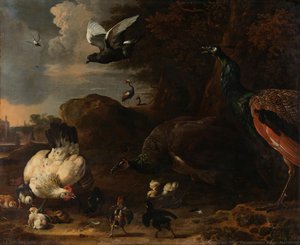
基本情報
- Artistic Movement Or Style: Still Life, Baroque
- Date Of Death: Living
- Full Name: Melchior De Hondecoeter
- Nationality: Dutch
- Notable Artworks:
- Feast at the House of a Brewer
- Still Life with Fruit and Wine
関連記事

黄金世紀の巨匠たち:バロック絵画が彩る10選|ArtsDot
オランダ黄金時代の10大傑作を紐解く!レンブラント、フェルメール…バロック絵画の魅力と時代背景を深く探求。ArtsDotで、至高のアートコレクションと空間演出のヒントを見つけよう。高品質なアートプリントで、お部屋を華やかに。
Pieter de Hooch: Illuminating Dutch Domestic Life & Golden Age Charm
Explore the captivating world of Pieter de Hooch, a master of Dutch Golden Age painting. Discover his innovative use of light, intimate domestic scenes, and lasting influence on art history. Learn more at ArtsDot.
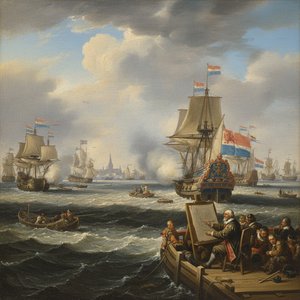
Willem van de Velde the Elder: Master of Maritime Painting & Chronicler of the Dutch Golden Age
Discover the captivating maritime paintings of Willem van de Velde the Elder, a master chronicler of the Dutch Golden Age. Explore his unparalleled realism and lasting influence on naval art history.

Golden Age Reflections: Dutch Baroque Painting & Cultural Innovation
Explore the Dutch Golden Age of painting! Discover key artists like Vermeer & ter Borch, their innovative techniques, and the rich cultural context behind these Baroque masterpieces. Learn about collecting & appreciating this iconic art period.

Illuminating Innovation: Exploring the Dutch Golden Age of Painting
Explore the Dutch Golden Age of painting with ArtsDot. Discover Rembrandt, Vermeer & other Masters. Learn about key characteristics, iconic artworks, and lasting influence. Expert insights for collectors & enthusiasts.

