

 プレビュー
プレビュー
 プリントを購入
 シェアする
シェアする シェアする
シェアする
 詳細を見る
詳細を見る

 ダウンロード
 似ている作品
 X線調査
X線調査 スライドショー
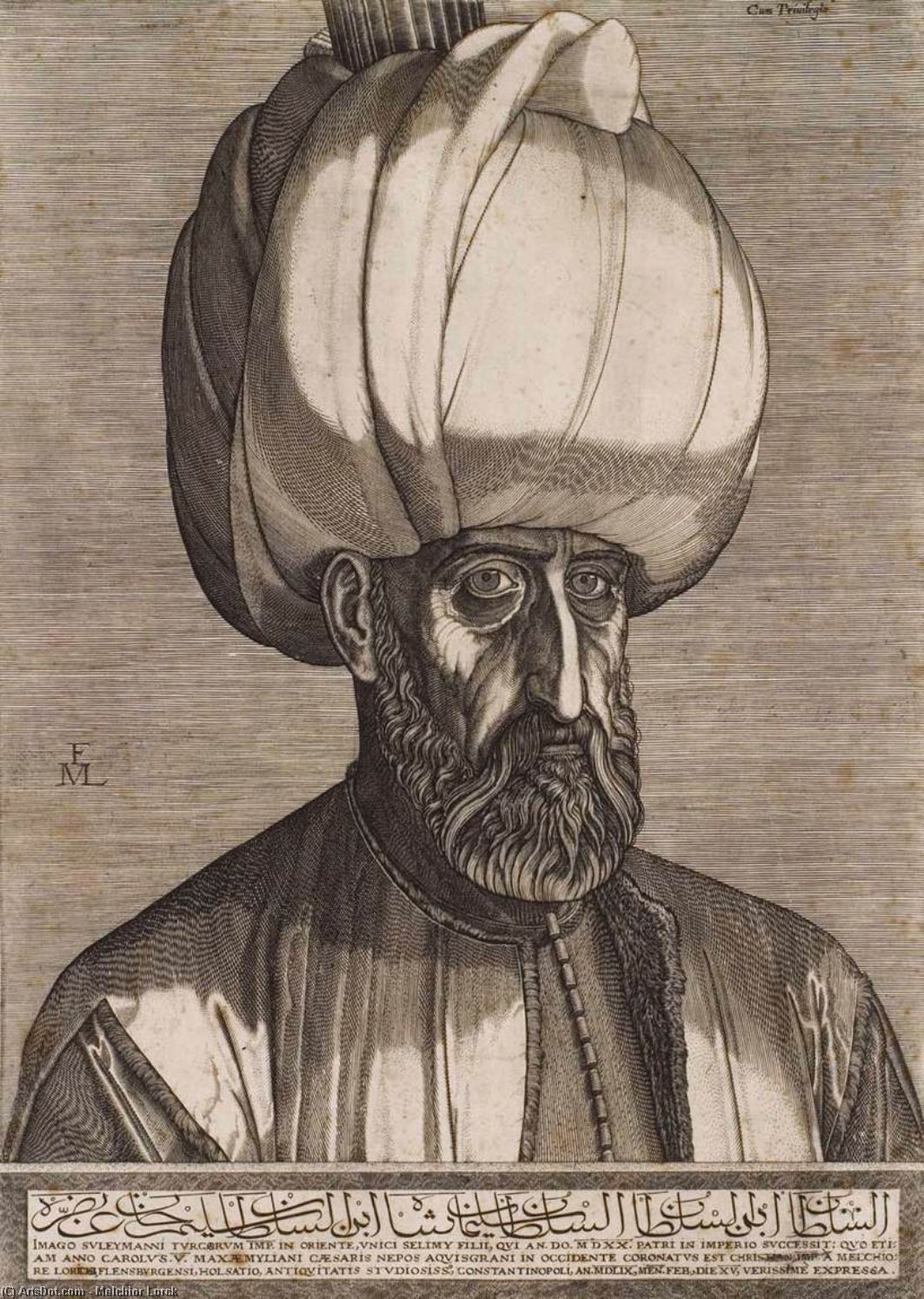
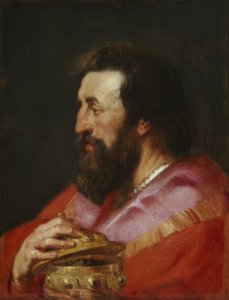
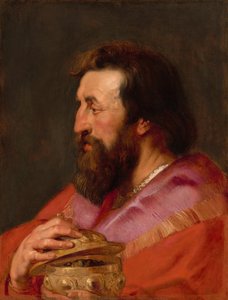
Portrait of Sultan Suleyman the Magnificent


 詳細を見る
詳細を見る
オンラインプレビューをはるかに凌ぐ、高解像度で鮮明なデジタル画像をご購入いただけます。
各ファイルは、社内の専門家が高度なツールと熟練した手作業によるレタッチを用いて、細心の注意を払って準備されています。すべての画像において、卓越した鮮明度、正確な色彩再現性、そして繊細なディテールを保証いたします。
最終ファイルは、プロフェッショナルな編集・印刷環境ですぐにご利用いただけるよう最適化された状態で、72時間以内にメールにてお届けいたします。これは、一流のデザインスタジオ、出版社、ギャラリーから信頼されているものと同等の品質です。
デジタル画像のご注文に付随する特典
高品質なデジタル画像配信を、確かな品質で。
ArtsDot.com を選ぶことは、単に画像を手に入れることではありません。それは、プロの手によって精密に仕上げられ、満足保証が付いた高品質なデジタルアートワークを受け取ることを意味します。ご注文いただいた際に自動的に付随する内容は、以下の通りです:

メールですぐにお届け
ご注文から72時間以内に、高解像度のデジタル画像ファイルがメールでお手元に届きます。すぐにそのままご利用いただけます。

AI技術で最適化されたデジタルファイル
お客様の作品は、高度なAIツールと専門家による手作業の編集を組み合わせてプロフェッショナルに最適化されており、細部のディテール、鮮明さ、そして正確な色再現性を最大限に引き出しています。

一生涯無料の再送サービス
ファイルを誤って削除したり、紛失してしまったりしましたか?ご安心ください。いつでも無料で再送いたします。

輸入手数料は一切かかりません
関税や手数料、配送料を気にすることなく、お気に入りのアートワークをすぐにお楽しみいただけます。デジタルダウンロードは常に免税です。

色彩再現の保証
プロ仕様のツールとカラーマネジメント技術を用いることで、デジタル画像が元の色を最大限に忠実に再現することを保証いたします。

60日間満足保証
ご購入いただいたデジタル画像にご満足いただけない場合は、60日以内であれば、修正または100%の返金(理由を問う必要はありません)をさせていただきます。

100% 返金保証
ご満足いただけない場合は、デジタルファイルを受け取ってから60日以内であれば、理由を問わず全額返金いたします。

まとめ買い割引
3枚購入で10%OFF - 5枚購入で15%OFF - 10枚以上購入で20%OFF。クリエイティブなプロジェクト、ギャラリー、エージェンシーに最適です。
作品の詳細
Portrait of Sultan Suleyman the Magnificent: A Window Into Ottoman Grandeur
Melchior Lorck’s “Portrait of Sultan Suleyman the Magnificent” stands as an extraordinary testament to Renaissance artistry intertwined with the burgeoning fascination for Eastern cultures during the mid-16th century. More than just a depiction of a ruler, it's a meticulously crafted visual record—a snapshot frozen in time—that offers invaluable insight into Ottoman imperial life and artistic sensibilities. Lorck’s journey to Constantinople aboard King Christian III’s diplomatic mission cemented his place as one of the first Danish artists with a reconstructable biography, marking him as an innovator who dared to venture beyond European borders for creative exploration.The Artist's Vision: Detail and Technique
Lorck’s skill lay in capturing not merely likeness but also character—a feat achieved through masterful observation and painstaking execution. The portrait utilizes chiaroscuro – the dramatic interplay of light and shadow – skillfully employed to sculpt Suleyman’s face, emphasizing musculature and conveying a sense of regal dignity. His gaze is direct, unflinching, projecting confidence and authority. Lorck's technique involved etching on zinc plates, utilizing precise lines and tonal gradations to achieve remarkable realism. This method allowed for nuanced shading and texture, mirroring the intricate patterns found in Ottoman textiles and architecture – elements that would have resonated deeply with Lorck’s contemporaries.A Journey Into Ottoman Culture
Lorck's expedition to Constantinople wasn't merely a diplomatic mission; it was an immersive experience designed to document Ottoman customs and traditions for Western audiences. The resulting engravings, collectively known as “The Turkish Publication,” represent the first comprehensive visual record of Ottoman life outside Europe. Lorck’s sketches captured scenes from daily life – bustling marketplaces, opulent palaces, ceremonial processions – providing invaluable information about Ottoman society and artistic patronage. He sought to portray Suleyman not just as a monarch but as a man embodying the ideals of his era: piety, strength, and wisdom.Symbolism and Emotional Resonance
The portrait’s symbolism speaks volumes about Lorck's understanding of Ottoman culture. The turban—a symbol of sovereignty—dominates Suleyman’s headwear, signifying his supreme authority. The robe draped over his shoulder is adorned with elaborate embroidery, reflecting the lavish ornamentation characteristic of Ottoman royal attire. Furthermore, the chain around his waist symbolizes power and prestige – a visual reminder of Suleyman's dominion over vast territories. Lorck’s portrayal aims to inspire awe and admiration, conveying the grandeur and majesty associated with the Ottoman Empire.Legacy: A Bridge Between Worlds
“Portrait of Sultan Suleyman the Magnificent” remains an enduring masterpiece, bridging the gap between Renaissance artistic conventions and Eastern cultural influences. Lorck's meticulous attention to detail and his innovative use of etching technique established him as a pioneer in visual documentation—a legacy that continues to fascinate art historians and collectors alike. It serves as a poignant reminder of the transformative power of artistic curiosity and the ability to capture not just appearances but also the spirit of an era.関連作品


作家の略歴
Melchior Lorck: A Life Bridging Renaissance Art and Ottoman Encounters
- Born: Flensburg, Germany (1526/27)
- Died: Copenhagen, Denmark (1583)
- Nationality: Danish-German
- Known For: Renaissance painter, draughtsman, and printmaker; detailed visual record of 16th-century Turkey.
Early Life and Training
- Born in Flensburg, Schleswig (present-day Germany), Lorck came from a family with ties to the Reformation movement.
- Around 1549, he received a four-year travel stipend from King Christian III of Denmark, enabling him to study art across Europe.
- Early training likely involved apprenticeship with a goldsmith in Lübeck.
- During his travels, Lorck demonstrated early artistic skill, producing engravings influenced by artists like Heinrich Aldegrever and paying homage to Albrecht Dürer.
The Ottoman Experience: A Unique Visual Record
- In 1555, Lorck joined the Imperial embassy led by Ogier Gheselin Busbecq to the court of Sultan Suleiman the Magnificent in Constantinople (Istanbul).
- This pivotal experience shaped his career and legacy. He spent approximately one and a half years within the Ottoman capital.
- Lorck meticulously documented Turkish life, customs, architecture, military practices, and portraits of key figures like Sultan Suleiman and Isma'il, the Persian envoy.
- His drawings and engravings provide an unparalleled visual record of 16th-century Ottoman society, a unique source for historians and art scholars.
- Notable works from this period include the monumental "Prospect of Constantinople," a detailed panoramic view of the city, and the series of prints known as “The Turkish Publication.”
Artistic Style and Influences
- Lorck's style reflects the influence of the Northern Renaissance, particularly German masters like Dürer.
- His work demonstrates a keen observational skill and attention to detail, evident in his precise renderings of architecture, costumes, and portraits.
- He skillfully employed engraving techniques, creating intricate and expressive prints.
- Lorck's topographic drawings, such as the "Prospect of Constantinople," foreshadowed later developments in landscape art and cartography.
Later Career and Legacy
- After returning to Europe in 1559, Lorck worked in Vienna, producing engravings of antique monuments and portraits.
- He served briefly as a cartographer for the Hamburg city council, creating a large-scale map of the Elbe River.
- Lorck's "Turkish Publication," though not published during his lifetime, was eventually released in 1626, showcasing his extensive documentation of Ottoman life.
- He is considered the first Danish artist with a substantial biography and body of work attributable to him.
- His detailed visual record of Turkey remains invaluable for understanding 16th-century Ottoman culture and represents a significant contribution to Renaissance art and cartography. He is recognized as a precursor to later traveling artists and visual reporters.
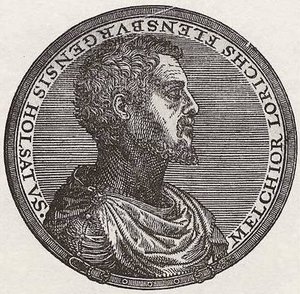
Melchior Lorck
1527 - 1564 , Germany
プロフィール概要
- Artistic Movement Or Style: Renaissance
- Artists Or Movements Influenced By This Artist:
- Wenzel Hollar
- Cornelis de Bruijn
- Artists Who Influenced This Artist:
- Heinrich Aldegrever
- Albrecht Dürer
- Date Of Birth: 1526/27
- Date Of Death: 1583
- Full Name: Melchior Lorck
- Nationality: Danish-German
- Notable Artworks:
- Constantinople Prospect
- The Turkish Publication
- Place Of Birth: Flensburg, Germany

