 プレビュー
プレビュー
 シェアする
シェアする シェアする
シェアする
 詳細を見る
詳細を見る

 ダウンロード
 似ている作品
 X線調査
X線調査 スライドショー
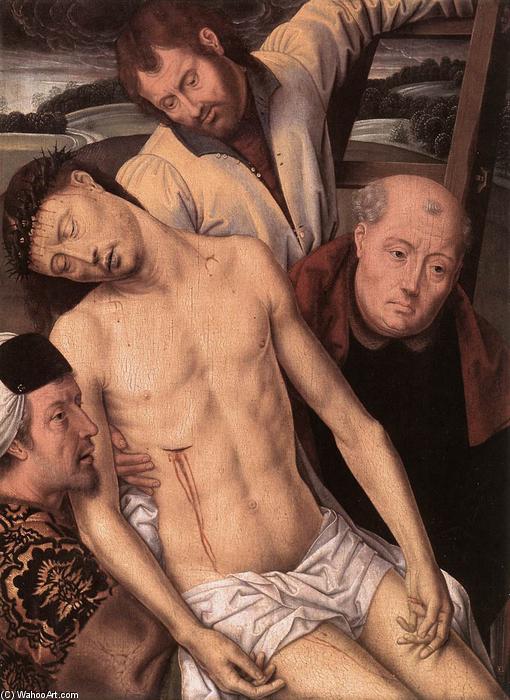
Deposition (left wing of a diptych)
 Acrylic On Canvas
- WallArt
- Early Netherlandish Painting
 1490
1490 53.0 x 39.0 cm
 Groeninge Museum
 詳細を見る
詳細を見る
ジークレー/アートプリント
迅速な制作と多彩な仕上げオプションを備えた、ミュージアムクオリティのジークレーまたはキャンバスプリント。 ( 手描きの絵画を購入 画像を購入)




P118B $10

P118H $10

P118W $10

P438Z $10

P508JH $12

P508YH $12

P805H $10

P805Z $10

P919BZ $10

P919G $10

P919XJ $10

P959ZH $10

P968JZ $12

W106C $8

W218G $10

W218JH $8

W218Y $10

W307PJ $10

W316G $10

W316PJ $8

W316Y $10

W398PJ $8

W4111J $10

W500HY $15

W500JH $15

W692G $12

W849H $8

W940BG $15

W953PJ $8




作品のオリジナル比率に合わせた、当店の規定サイズからお選びください。

特定のフレームやスペースに合わせて、ご自身でサイズを指定することも可能です。選択されたサイズが元の画像の比率と一致しない場合、作品をトリミングするか、鏡面反射または単色での塗りつぶしによって画像を拡張いたします。制作を開始する前に、ご確認用のデジタルモックアップをお送りいたします。
画面上のプレビューには、実際のトリミングや拡張は反映されませんのでご注意ください。最終的な構図を正確に確認できるのは、モックアップのみとなります。
カスタムサイズも承っておりますが、元の比率を維持するためには、あらかじめ用意されたリストからサイズを選択することをお勧めいたします。


 ガラスオプションは、110cm未満のサイズでのみご利用いただけます。

Deposition (left wing of a diptych)
ジークレー/アートプリント
複製画のサイズ
-


合計金額
$ 62
作品詳細説明
The Deposition: A Window into Grief and Grace
Hans Memling’s “Deposition,” a cornerstone of Early Netherlandish painting, isn't merely a depiction of a biblical scene; it’s an exquisitely rendered meditation on loss, faith, and the profound human experience of grief. Completed around 1490 in Bruges, during the artist’s most prolific period, this triptych panel – specifically, the left wing – offers a startlingly intimate portrayal of Christ's removal from the cross, capturing a moment suspended between agony and acceptance. The painting immediately draws the viewer in with its meticulous detail: the folds of Joseph of Arimathea’s cloak, the delicate texture of Christ’s lifeless body, the subtle variations in color that suggest both the chill of death and the warmth of compassion. It's a testament to Memling’s mastery of oil paint, allowing him to achieve an unprecedented level of realism and luminosity rarely seen at the time.
Memling’s Bruges workshop was renowned for its dedication to naturalism and its ability to seamlessly blend religious iconography with portraiture – a hallmark of the era. This is evident in the figures themselves; they are not idealized saints but individuals imbued with palpable emotion. The faces, particularly those of Nicodemus and Joseph of Arimathea, betray sorrow, concern, and a deep sense of responsibility. The artist’s careful observation of human anatomy, combined with his understanding of light and shadow, creates an atmosphere of profound realism that transcends the purely religious subject matter. Notice how the subtle shading around Christ's face conveys both vulnerability and dignity – a poignant reminder of his sacrifice.
A Masterclass in Composition and Symbolism
The composition itself is remarkably balanced, despite the inherent drama of the scene. The figures are arranged within a shallow space, creating a sense of immediacy and drawing the viewer into the heart of the event. The diagonal line formed by Christ’s body and the outstretched arms of Nicodemus anchors the painting, while the carefully positioned figures – Joseph of Arimathea, Mary Magdalene, and the other assistants – contribute to the overall harmony. The architectural elements—the arched window framing the scene—add depth and a sense of spatial realism, reflecting the influence of Italian Renaissance perspective.
Symbolism permeates every aspect of the painting. The placement of the figures is deliberate, each contributing to the narrative’s emotional weight. Nicodemus, identified by his distinctive turban, represents the repentant sinner who has come forward in secret to claim Christ's body. Joseph of Arimathea embodies piety and leadership, acting as a witness to the event. Mary Magdalene, often depicted with a veil covering her face, symbolizes mourning and grief – a universal emotion resonating deeply within the viewer. The inclusion of the shield bearing the coat-of-arms of the della Costa family suggests that this was a commissioned work for a wealthy patron, highlighting the intersection of art and social status during the period.
The Legacy of a Bruges Master
Hans Memling’s “Deposition” stands as a pivotal work in the development of Early Netherlandish painting. It exemplifies the artistic innovations of the era – meticulous realism, atmospheric perspective, and a profound understanding of human emotion—while simultaneously reflecting the religious beliefs and cultural values of 15th-century Bruges. His workshop produced an astonishing volume of work, influencing numerous artists across Europe, and his legacy continues to inspire admiration for its technical brilliance and emotional depth.
Reproductions of this iconic painting offer a remarkable opportunity to experience Memling’s artistry firsthand. ArtsDot.com provides high-quality hand-painted reproductions that capture the essence of the original while retaining the intricate details and vibrant colors. Whether adorning a grand salon or a smaller study, a “Deposition” reproduction is not just a decorative piece; it's a window into a world of faith, grief, and artistic genius – a timeless testament to the enduring power of art.
Further Exploration & Resources
- Original Artwork Details: Title: Deposition (left wing of a diptych); Artist: Hans Memling; Date: 1490s; Size: 53 x 39 cm
- Web Gallery of Art - Deposition (left wing of a diptych): A detailed online resource with high-resolution images and historical context.
- Hans Memling Official Website: Explore the life, work, and legacy of Hans Memling through scholarly articles and resources.
- Wikipedia - Hans Memling: A comprehensive overview of the artist’s life, career, and artistic style.
Discover more stunning reproductions of Masterpieces at ArtsDot.com.
関連作品

アーティストの略歴
ハンス・メンメルリン:ブルージュの細密描写の名手とパトロンの関係
ハンス・メンメルリン(約1430年 – 15世紀8月11日)は、ドイツのゼリゲンシュタットに生まれ、初期ネーデルラント絵画における重要な人物として知られています。この運動は、洗練された写実性、自然に対する細心の観察力、そして深い精神的な熟考を特徴とします。彼の形成期は主にライン地方の芸術環境で過ごされましたが、最終的にはベルギーのブルージュに定住し、その時代の最も優れた芸術家の一人として確立しました。メンメルリンは、ヨーロッパ全土に彼の独特なスタイルを広めた多忙な工房を開設しました。初期の生活と修行
メンメルリンの生い立ちに関する正確な伝記的詳細は不明ですが、学者の間では彼が約1430年頃にマインツで生まれたという共通認識があります。彼の芸術教育は、フランドルの絵画の巨匠であるロヒール・ファン・デル・ウェイデンの下で始まりました。ファン・デル・ウェイデンは油彩と彫刻的なモデリングの技術を極め、メンメルリンの技法に大きな影響を与えました。この修行期間を通して、彼は細部への揺るぎない献身を培いました。これは彼の作品全体を特徴づける重要な要素となりました。ブルージュと工房
1465年までに、メンメルリンはブルージュの市民権を取得しました。ブルージュは、活気ある商業の中心地であり、芸術の中心地でもありました。彼は共同作業の可能性を認識し、多くの助手スタッフを擁する工房を開設しました。この工房は、革新とスタイルの一貫性を育む環境となり、メンメルリン自身の作品だけでなく、傑作の素晴らしい複製を生み出しました。これは、メンメルリンが芸術家であると同時に教育者としての才能を示した証です。精密さとパトロンによって定義されたスタイル
メンメルリンの芸術的スタイルは一目でそれとわかる特徴を持っています。それは、鮮やかな色彩、繊細に表現されたドレープの折り目、そして驚くべき解剖学的精度によって特徴づけられます。彼は古典彫刻からインスピレーションを得て、人間の解剖学を徹底的に研究し、彼の肖像画や宗教的な場面において比類のない写実性を達成しました。同時代の多くの芸術家が表現力豊かな筆致を好んだのに対し、メンメルリンは綿密な観察と根気強い実行を優先しました。その結果、静謐な美しさと深い精神的な深みを持つイメージが生み出されました。宗教的依頼と肖像画
メンメルリンの名声は、主に聖職者や貴族の裕福なパトロンからの有利な依頼によって高まりました。彼らは信心と威信を反映した聖人や聖書の物語を描写することを求めました。ブルージュの聖ヨハネ病院にある「最後の審判」はその代表的な例です。これは、メンメルリンの見事な構成力と劇的な色彩の使い方を示す壮大なフレスコ画です。 メンメルリンは肖像画家としても優れており、著名な人物の容姿を卓越した感性と心理的洞察力で捉えました。「矢を持つ男の肖像」のような彼の肖像画は、微妙なジェスチャーや表情を通してキャラクターを描写する能力を示しています。この才能が、彼を同時代の最も偉大な芸術家の一人としての地位を確立しました。影響と遺産
メンメルリンの芸術的遺産は、彼の生涯を超えて広がっています。彼の工房は膨大な数の絵画を生み出しました。その多くは、彼のオリジナル作品にスタイル的な類似性を示し、フランドルとその先でメンメルリン独特の美学を広めました。さらに、メンメルリンの綿密な技法は、後世の芸術家たち、特にアントワープ派を確立したクエンティン・マシスにとってインスピレーションの源となり、メンメルリンをフランドル・ルネサンス美術の礎として確固たる地位を築きました。再発見と永続的な人気
メンメルリンの芸術的業績は19世紀までほとんど忘れられていましたが、その絵画が再発見され、彼の天才が称賛されるようになりました。「最後の審判」をはじめとする彼の作品は、今日でも世界中の観客を魅了し続けています。それは、芸術的卓越性と精神的な熟考の永続的な象徴として存在しています。細部への注意と人間の心理に対する深い理解は、現代における美術史の評価においても依然として重要な意味を持っています。
ハンス・メムリンク
ドイツ
基本情報
- Artistic Movement Or Style: 初期ネーデルラント絵画
- Artists Or Movements Influenced By This Artist: ['フランドル絵画']
- Artists Who Influenced This Artist: ['ロヒール・ファン・デル・ウェイデン']
- Date Of Birth: 1430年頃
- Date Of Death: 1494年8月11日
- Full Name: ハンス・メンメルリンク
- Nationality: ドイツ・フランドル人
- Notable Artworks (List Of Titles):
- 聖ヨハネ病院祭壇画
- 最後の審判
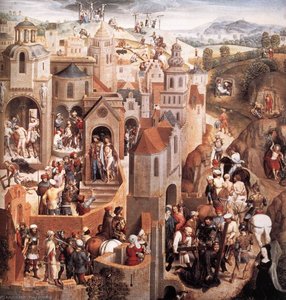
- 受難の場面
- Place Of Birth (City And Country): ドイツ、ゼリゲンシュタット
関連記事

Oil on Canvas: A Historical & Technical Exploration of a Timeless Artistic Medium
Explore the rich history & enduring techniques of oil painting on canvas. Discover the science behind its longevity, conservation practices, and contemporary relevance. Expert insights for art enthusiasts.

The Enduring Legacy of Oil on Canvas: Technique, History & Aesthetic Impact
Explore the rich history & techniques of oil painting – from Renaissance masters to Impressionism. Discover pigments, layering methods, and why this timeless medium endures. Expert insights for artists & art enthusiasts.

The Enduring Power of Painting: A Historical & Contemporary Exploration of Form and Emotion
Explore the rich history & enduring techniques of oil painting with ArtsDot. Discover masterpieces, learn about art collecting, and find authentic handmade reproductions crafted by skilled artists.

Early Netherlandish Masters: 10 Paintings That Revolutionized Art & Decor
Journey into the world of Early Netherlandish painting! Explore 10 masterpieces by Jan van Eyck, Rogier van der Weyden & more. Discover stunning detail, symbolism & Renaissance art for your home decor. Find museum-quality reproductions on ArtsDot.com
Illuminating Realism: Early Netherlandish Painting (15th-16th Centuries)
Explore the captivating world of Early Netherlandish painting! Discover Jan van Eyck, Hans Memling & more. Uncover symbolism, techniques & the legacy of these Flemish masters. A comprehensive guide for art enthusiasts.