 プレビュー
プレビュー
 シェアする
シェアする シェアする
シェアする
 詳細を見る
詳細を見る

 ダウンロード
 似ている作品
 X線調査
X線調査 スライドショー
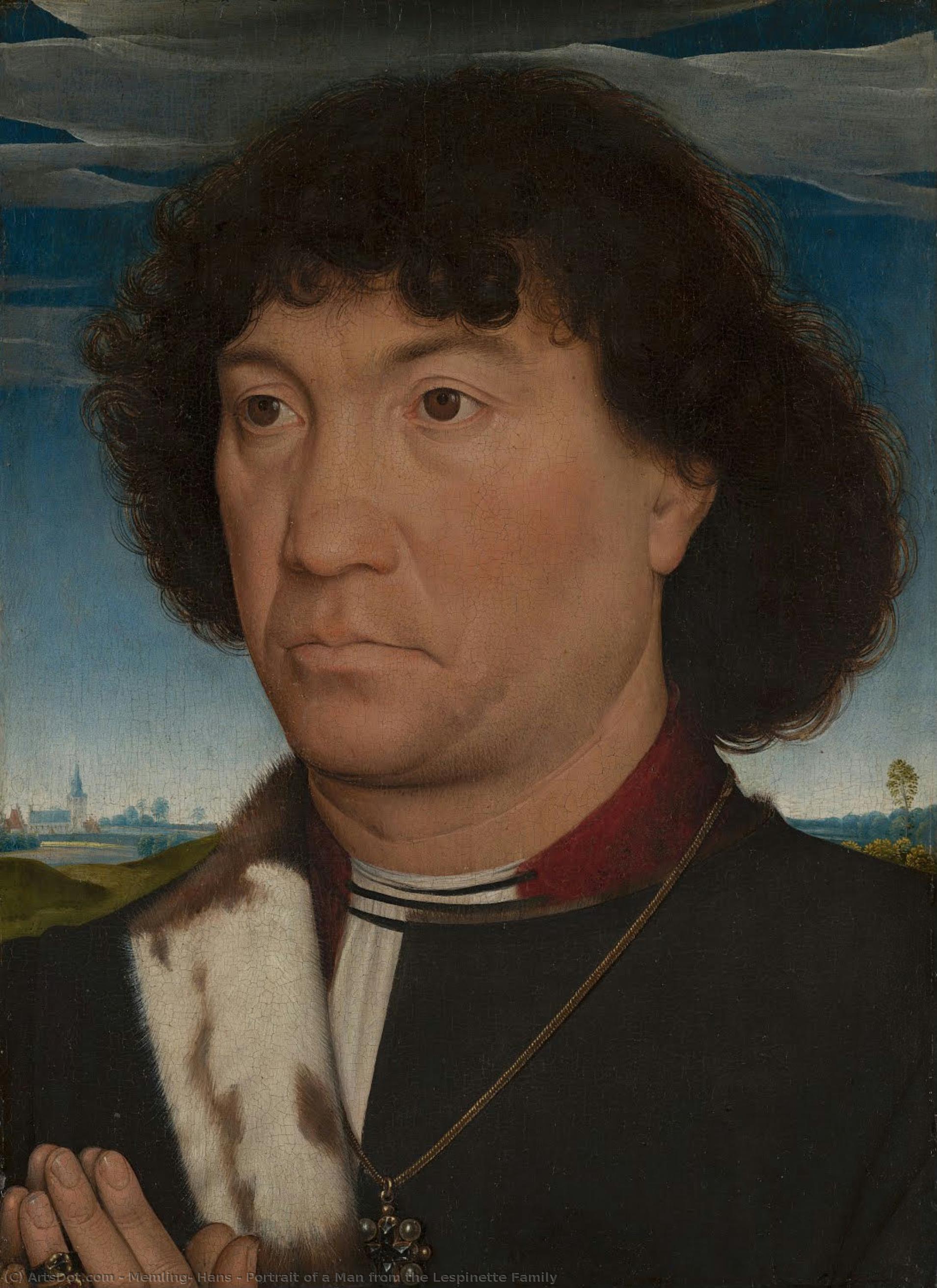
Portrait of a Man from the Lespinette Family
 Oil On Canvas
- WallArt
- Early Netherlandish Painting
 1490
1490- Late Medieval
 30.0 x 22.0 cm
 モウリツハウイス
 詳細を見る
詳細を見る
ジークレー/アートプリント
迅速な制作と多彩な仕上げオプションを備えた、ミュージアムクオリティのジークレーまたはキャンバスプリント。 ( 手描きの絵画を購入 画像を購入)




P118B $10

P118H $10

P118W $10

P438Z $10

P508JH $12

P508YH $12

P805H $10

P805Z $10

P919BZ $10

P919G $10

P919XJ $10

P959ZH $10

P968JZ $12

W106C $8

W218G $10

W218JH $8

W218Y $10

W307PJ $10

W316G $10

W316PJ $8

W316Y $10

W398PJ $8

W4111J $10

W500HY $15

W500JH $15

W692G $12

W849H $8

W940BG $15

W953PJ $8




作品のオリジナル比率に合わせた、当店の規定サイズからお選びください。

特定のフレームやスペースに合わせて、ご自身でサイズを指定することも可能です。選択されたサイズが元の画像の比率と一致しない場合、作品をトリミングするか、鏡面反射または単色での塗りつぶしによって画像を拡張いたします。制作を開始する前に、ご確認用のデジタルモックアップをお送りいたします。
画面上のプレビューには、実際のトリミングや拡張は反映されませんのでご注意ください。最終的な構図を正確に確認できるのは、モックアップのみとなります。
カスタムサイズも承っておりますが、元の比率を維持するためには、あらかじめ用意されたリストからサイズを選択することをお勧めいたします。


 ガラスオプションは、110cm未満のサイズでのみご利用いただけます。

Portrait of a Man from the Lespinette Family
ジークレー/アートプリント
複製画のサイズ
-


合計金額
$ 62
Portrait of a Man from the Lespinette Family: A Glimpse into Burgundian Society
The year is 1490. Bruges, at the heart of the prosperous Burgundian Netherlands, pulses with artistic energy and burgeoning wealth. Within the walls of Hans Memling’s workshop, a master craftsman meticulously renders a portrait – not merely of a man, but of an era. “Portrait of a Man from the Lespinette Family” is more than just paint on panel; it's a window into the refined world of 15th-century France and Flanders, a testament to Memling’s unparalleled skill in capturing both physical likeness and inner character. The painting immediately draws the eye with its striking realism – the dark, meticulously arranged curls framing a face etched with quiet dignity, the subtle scar adorning his nose hinting at a life lived with experience. Yet, it's not simply a likeness; Memling imbues the subject with an aura of thoughtful contemplation, inviting us to ponder his identity and story.The Art of Detail: Memling’s Technique
Hans Memling was renowned for his painstaking attention to detail, a hallmark inherited from his apprenticeship under Rogier van der Weyden. This portrait exemplifies that dedication. Observe the incredibly fine rendering of the fur-lined doublet, each thread painstakingly depicted; the subtle variations in tone suggesting texture and depth. The artist’s mastery of oil paint allows for an astonishing level of luminosity – the light catches the sheen of the fabrics, illuminating the man's features with a gentle radiance. Memling was one of the first Northern European painters to incorporate landscapes into his portraits, a revolutionary technique at the time. In this piece, a muted background hints at a distant vista, adding depth and spatial complexity to the composition – a deliberate move that elevates the portrait beyond a simple likeness, transforming it into a more immersive experience. The use of aerial perspective, subtly blurring details in the distance, further enhances this effect, creating a sense of atmospheric realism rarely seen in portraits of this period.A Man of His Time: Context and Symbolism
The inclusion of the Lespinette family coat of arms on the panel’s reverse firmly establishes the subject's identity – a member of a prominent French noble family. This detail speaks volumes about the importance of lineage, status, and patronage in 15th-century society. The man’s attire—the rich fabrics, the carefully chosen accessories—reflects his wealth and position. The book he holds is not merely an object; it's a symbol of learning, intellect, and perhaps even spiritual contemplation – qualities highly valued within the humanist circles of the time. The scar on his nose, often interpreted as a mark of honor or a reminder of past battles, adds another layer of intrigue to his character, suggesting a life filled with both challenges and triumphs. The overall composition—the direct gaze, the controlled posture—conveys an air of self-assurance and dignity, indicative of a man accustomed to command and respect.A Legacy Preserved: The Mauritshuis and Beyond
Currently residing at the Mauritshuis in The Hague, Netherlands, “Portrait of a Man from the Lespinette Family” stands as a cornerstone of Early Netherlandish painting. Its journey through history—from its creation to its eventual placement within this prestigious museum—testifies to its enduring artistic value. Numerous articles and online resources delve deeper into Memling’s life, his workshop, and the broader context of Flemish art during the late 15th century (links provided below). Reproductions of this captivating portrait offer a remarkable opportunity to bring this glimpse into Burgundian society into your own home or office – a timeless piece that speaks volumes about human character, artistic skill, and the enduring power of portraiture.- Useful Links:
- Artworks Database: Portrait of a Man from the Lespinette Family
- Artists Database: memling, hans
- Articles Database:
- From Snapshot to Legacy: Reimagining Family Portraits Through the Lens of Old Master Techniques: https://example.com/article1
- Preserving Generations: The Enduring Significance of Family Portraits as Legacy: https://example.com/article2
- Evolving Portraits: Personalized Art as a Chronicle of Family Life Across Generations: https://example.com/article3
- Internet Search:
- Portrait of a Man from the Lespinette Family - Memling, Hans: https://artsandculture.google.com/asset/portrait-of-a-man-from-the-lespinette-family-memling-hans/CAHZ_hF1eVAksQ?hl=en
- Hans Memling: https://en.wikipedia.org/wiki/Hans_Memling
関連作品
アーティストの略歴
ハンス・メンメルリン:ブルージュの細密描写の名手とパトロンの関係
ハンス・メンメルリン(約1430年 – 15世紀8月11日)は、ドイツのゼリゲンシュタットに生まれ、初期ネーデルラント絵画における重要な人物として知られています。この運動は、洗練された写実性、自然に対する細心の観察力、そして深い精神的な熟考を特徴とします。彼の形成期は主にライン地方の芸術環境で過ごされましたが、最終的にはベルギーのブルージュに定住し、その時代の最も優れた芸術家の一人として確立しました。メンメルリンは、ヨーロッパ全土に彼の独特なスタイルを広めた多忙な工房を開設しました。初期の生活と修行
メンメルリンの生い立ちに関する正確な伝記的詳細は不明ですが、学者の間では彼が約1430年頃にマインツで生まれたという共通認識があります。彼の芸術教育は、フランドルの絵画の巨匠であるロヒール・ファン・デル・ウェイデンの下で始まりました。ファン・デル・ウェイデンは油彩と彫刻的なモデリングの技術を極め、メンメルリンの技法に大きな影響を与えました。この修行期間を通して、彼は細部への揺るぎない献身を培いました。これは彼の作品全体を特徴づける重要な要素となりました。ブルージュと工房
1465年までに、メンメルリンはブルージュの市民権を取得しました。ブルージュは、活気ある商業の中心地であり、芸術の中心地でもありました。彼は共同作業の可能性を認識し、多くの助手スタッフを擁する工房を開設しました。この工房は、革新とスタイルの一貫性を育む環境となり、メンメルリン自身の作品だけでなく、傑作の素晴らしい複製を生み出しました。これは、メンメルリンが芸術家であると同時に教育者としての才能を示した証です。精密さとパトロンによって定義されたスタイル
メンメルリンの芸術的スタイルは一目でそれとわかる特徴を持っています。それは、鮮やかな色彩、繊細に表現されたドレープの折り目、そして驚くべき解剖学的精度によって特徴づけられます。彼は古典彫刻からインスピレーションを得て、人間の解剖学を徹底的に研究し、彼の肖像画や宗教的な場面において比類のない写実性を達成しました。同時代の多くの芸術家が表現力豊かな筆致を好んだのに対し、メンメルリンは綿密な観察と根気強い実行を優先しました。その結果、静謐な美しさと深い精神的な深みを持つイメージが生み出されました。宗教的依頼と肖像画
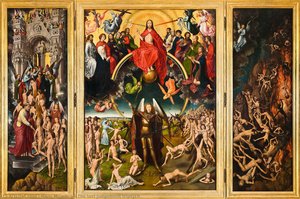
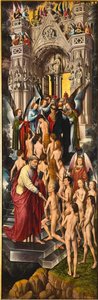
メンメルリンの名声は、主に聖職者や貴族の裕福なパトロンからの有利な依頼によって高まりました。彼らは信心と威信を反映した聖人や聖書の物語を描写することを求めました。ブルージュの聖ヨハネ病院にある「最後の審判」はその代表的な例です。これは、メンメルリンの見事な構成力と劇的な色彩の使い方を示す壮大なフレスコ画です。 メンメルリンは肖像画家としても優れており、著名な人物の容姿を卓越した感性と心理的洞察力で捉えました。「矢を持つ男の肖像」のような彼の肖像画は、微妙なジェスチャーや表情を通してキャラクターを描写する能力を示しています。この才能が、彼を同時代の最も偉大な芸術家の一人としての地位を確立しました。影響と遺産
メンメルリンの芸術的遺産は、彼の生涯を超えて広がっています。彼の工房は膨大な数の絵画を生み出しました。その多くは、彼のオリジナル作品にスタイル的な類似性を示し、フランドルとその先でメンメルリン独特の美学を広めました。さらに、メンメルリンの綿密な技法は、後世の芸術家たち、特にアントワープ派を確立したクエンティン・マシスにとってインスピレーションの源となり、メンメルリンをフランドル・ルネサンス美術の礎として確固たる地位を築きました。再発見と永続的な人気
メンメルリンの芸術的業績は19世紀までほとんど忘れられていましたが、その絵画が再発見され、彼の天才が称賛されるようになりました。「最後の審判」をはじめとする彼の作品は、今日でも世界中の観客を魅了し続けています。それは、芸術的卓越性と精神的な熟考の永続的な象徴として存在しています。細部への注意と人間の心理に対する深い理解は、現代における美術史の評価においても依然として重要な意味を持っています。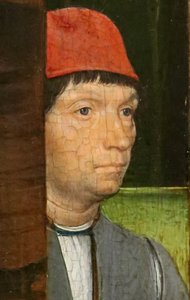
ハンス・メムリンク
ドイツ
基本情報
- Artistic Movement Or Style: 初期ネーデルラント絵画
- Artists Or Movements Influenced By This Artist: ['フランドル絵画']
- Artists Who Influenced This Artist: ['ロヒール・ファン・デル・ウェイデン']
- Date Of Birth: 1430年頃
- Date Of Death: 1494年8月11日
- Full Name: ハンス・メンメルリンク
- Nationality: ドイツ・フランドル人
- Notable Artworks (List Of Titles):
- 聖ヨハネ病院祭壇画
- 最後の審判
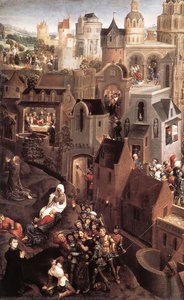
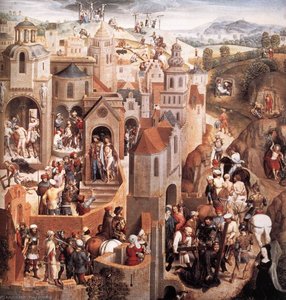
- 受難の場面
- Place Of Birth (City And Country): ドイツ、ゼリゲンシュタット
関連記事

Oil on Canvas: A Historical & Technical Exploration of a Timeless Artistic Medium
Explore the rich history & enduring techniques of oil painting on canvas. Discover the science behind its longevity, conservation practices, and contemporary relevance. Expert insights for art enthusiasts.

The Enduring Legacy of Oil on Canvas: Technique, History & Aesthetic Impact
Explore the rich history & techniques of oil painting – from Renaissance masters to Impressionism. Discover pigments, layering methods, and why this timeless medium endures. Expert insights for artists & art enthusiasts.

The Enduring Power of Painting: A Historical & Contemporary Exploration of Form and Emotion
Explore the rich history & enduring techniques of oil painting with ArtsDot. Discover masterpieces, learn about art collecting, and find authentic handmade reproductions crafted by skilled artists.
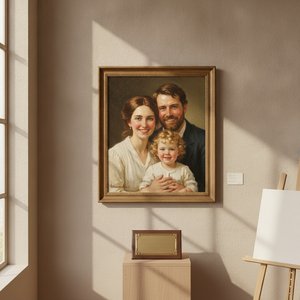
家族の絆を永遠に:手描きの油絵肖像画が世代を超えて紡ぐ、愛と記憶の遺産
ArtsDotで、大切な家族の写真を美しい油絵肖像画へ。熟練アーティストが丁寧に手描きし、世代を超えて語り継ぐ特別な遺産を制作します。高品質・安心保証。今すぐオーダーメイド портретをお見積もりください。

油彩のキャンバス:技法、歴史、そして現代の実践 - 古典美術愛好家へ
油彩の技法、歴史、巨匠たちの秘密を徹底解説。古典美術愛好家向けに、初期フランドル絵画から現代の実践まで深く掘り下げます。ArtsDotで高品質な複製画やカスタムオーダーも承ります。