

 シェアする
シェアする シェアする
シェアする
 詳細を見る
詳細を見る

 ダウンロード
 似ている作品
 スライドショー
 統計情報
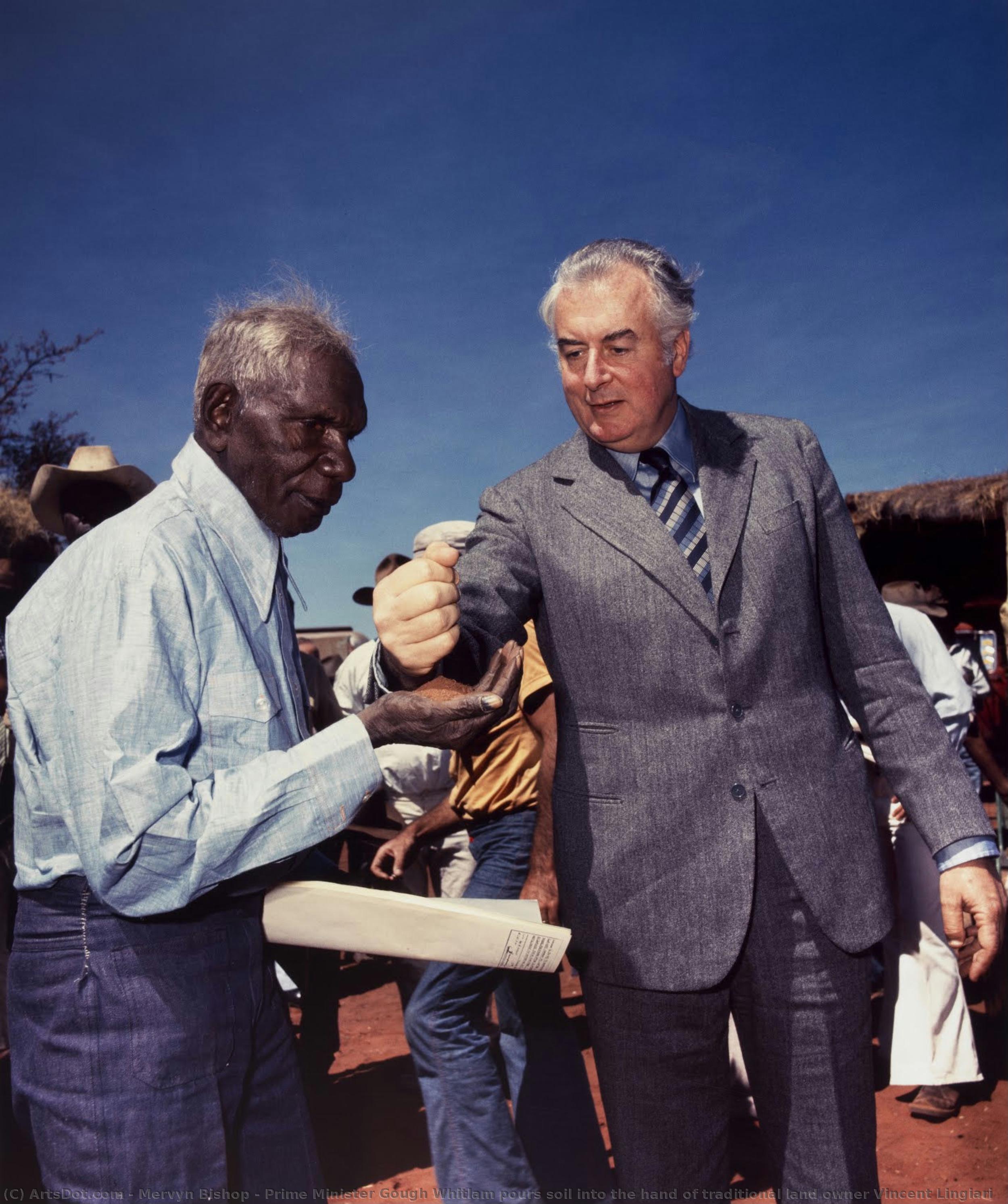
統計情報Prime Minister Gough Whitlam pours soil into the hand of traditional land owner Vincent Lingiari
 Black and White Photography
- Photo
- Photojournalism
 1975
1975- Modern
 60.0 x 50.0 cm
 National Portrait Gallery
 詳細を見る
詳細を見る
ジークレー/アートプリント
迅速な制作と多彩な仕上げオプションを備えた、ミュージアムクオリティのジークレーまたはキャンバスプリント。 ( 手描きの絵画を購入 デジタル画像販売へ切り替え)




































作品のオリジナル比率に合わせた、当店の規定サイズからお選びください。

特定のフレームやスペースに合わせて、ご自身でサイズを指定することも可能です。選択されたサイズが元の画像の比率と一致しない場合、作品をトリミングするか、鏡面反射または単色での塗りつぶしによって画像を拡張いたします。制作を開始する前に、ご確認用のデジタルモックアップをお送りいたします。
画面上のプレビューには、実際のトリミングや拡張は反映されませんのでご注意ください。最終的な構図を正確に確認できるのは、モックアップのみとなります。
カスタムサイズも承っておりますが、元の比率を維持するためには、あらかじめ用意されたリストからサイズを選択することをお勧めいたします。


 ガラスオプションは、110cm未満のサイズでのみご利用いただけます。

Prime Minister Gough Whitlam pours soil into the hand of traditional land owner Vincent Lingiari
ジークレー/アートプリント
複製画のサイズ
-


合計金額
$ 62
A Moment Frozen in Justice
In the quiet, grainy texture of Mervyn Bishop’s 1975 photograph, we witness more than just a political ceremony; we encounter a profound reclamation of identity and sovereignty. The image captures the historic moment when Prime Minister Gough Whitlam pours soil into the hand of Vincent Lingiari, an Elder of the Gurindji people. This is not merely a gesture of administrative procedure, but a visceral, tactile symbol of land rights being returned to their traditional custodians. Through Bishop’s lens, the act of pouring earth becomes a sacred ritual, bridging the gap between the colonial structures of the Australian government and the ancient, unyielding connection of the Gurindji people to their ancestral country.
The composition carries an immense weight, anchored by the physical contact between the two men. As the soil slips through fingers, it represents the literal and metaphorical return of the earth. For collectors and lovers of historical photography, this piece serves as a window into a transformative era of Australian history, capturing the culmination of the Wave Hill walk-off—a struggle for dignity and equity that lasted seven arduous years. The photograph does not just document an event; it breathes life into the spirit of resistance and the eventual triumph of justice.
The Mastery of the Monochrome Lens
Mervyn Bishop, a pioneer who shattered racial barriers as the first Aboriginal photographer for a metropolitan daily newspaper, utilizes the black-and-white medium to strip away distractions, leaving only the raw essence of the encounter. The absence of color forces the viewer to focus on the interplay of light and shadow, the weathered texture of Lingiari’s skin, and the formal, almost stark silhouette of Whitlam. This monochromatic approach lends the photograph a timeless, monumental quality, elevating a news event into the realm of fine art.
The technique employed here is characteristic of high-caliber documentary photography, where the ability to capture "the decisive moment" is paramount. There is a palpable tension in the frame—a sense of gravity that demands silence from the observer. The contrast between the formal attire of the political figure and the grounded, earthy presence of the Elder creates a visual dialogue about power, responsibility, and the weight of history. For those looking to adorn a space with art that provokes thought, this reproduction offers a sophisticated interplay of tonal depth and historical significance.
A Legacy for the Modern Collector
Integrating such a powerful work into an interior space provides more than just aesthetic value; it introduces a narrative of resilience and social evolution. Whether placed in a curated gallery setting or a thoughtful residential study, this photograph acts as a conversation piece that honors the struggle for Indigenous land rights. It is a work that resonates with anyone moved by themes of human rights, social justice, and the enduring strength of cultural heritage.
For interior designers seeking to add depth and intellectual substance to a project, Bishop’s work offers an unparalleled opportunity to blend historical gravity with classic photographic elegance. This reproduction allows the profound emotional impact of the Gurindji struggle to remain present, serving as a constant reminder of the transformative power of truth and the indelible bond between a people and their land.
関連作品
アーティストの略歴
先駆的なレンズ:マーヴィン・ビショップの生涯と作品
マーヴィン・ビショップが写真家として歩んだ道のりは、単なるキャリアの記録ではありません。それは、障壁を打ち破り、歴史を刻み、先住民であるオーストラリアの人々の声を世界に届けるための、たゆまぬ闘いの証なのです。1945年、ニューサウスウェールズ州ブリワリーナに生まれた彼の幼少期は、戦後オーストラリアの複雑な情勢と、アボリジニ・コミュニティを縛り付ける制限的な政策に深く影響されていました。退役軍人であり羊毛刈りでもあった父「ミンティ」・ビショップは、国家に尽くした者に対してさえ同化を強いる社会制度の中で、懸命に生きていました。文化の抹消に静かに抗いながら、家族としての平穏を求めたその背景は、ビショップの視点、そして最終的には彼の芸術の本質へと深く刻み込まれることになります。彼の中に灯った情熱の火種は、母が所有していたコダック620カメラでした。日常の風景をかけがえのない記憶へと変えるその魔法は、生涯続く情熱の礎となったのです。彼は独学で技術を磨き、ダボ高校での正規の学びに入る前、ブリワリーナ周辺の家族の営みの真髄を、レンズを通して捉え続けていました。新たな地平を切り拓く:ジャーナリズムの中で鍛えられたキャリア
1962年、ビショップは「シドニー・モーニング・ヘラルド」誌に、アボリニジ系オーストラリア人として初めて見習い写真家として採用されるという、当時の常識を覆す快挙を成し遂げました。これは単なる個人的な成功にとどまらず、主流メディアにおける構造的な排除を象徴的に打ち砕く出来事でもありました。それから17年もの間、彼はニュース写真の世界に身を置き、地域社会の行事からスポーツの勝利の瞬間まで、あらゆる場面を追い続けました。その間、シドニー技術大学で写真の修了コースを修了し、技術的な専門性を確固たるものにしていきました。ビショップの献身的な姿勢と鋭い眼差しは、瞬く間に高い評価を得ることとなります。1971年には、作品『Life and Death Dash(生と死の疾走)』によって、権威あるニコン・ウォークリー・オーストラリア・プレス・フォトグラファー・オブ・ザ・イヤーを受賞しました。修道女がアボリジニの子供を助けようと駆け寄るこの力強い一枚は、単なる報道写真ではありませんでした。それは社会的不平等、そして先住民コミュニティとキリスト教伝道所の間に存在する、しばしば緊張を孕んだ関係性を突きつける、痛烈な社会的メッセージだったのです。構図、コントラスト、そして剥き出しの感情が共鳴するその作品は、後に彼がオーストラリア社会に与えることになる多大な影響を予感させるものでした。彼は在籍期間中、ヘラルド誌に雇用された唯一の先住民写真家として、次世代のアボリジニ・ビジュアル・ストーリーテラーたちの道を切り拓いたのです。国家の記録者:アボリジニ事務局時代
1974年、ビショップがアボリプリニ事務局へと移ったことは、彼のキャリアにおける決定的な転換点となりました。この役割は、大きな変革期にあり、自己決定権が芽生えつつあった時代において、彼にオーストラリア全土の先住民コミュニティへの前例のないアクセスを可能にしました。彼は「希望の記録者」となり、土地権利交渉や文化復興運動、そしてアボリジニの人々の日常を、繊細かつ敬意を持って記録していきました。そしてここで、彼はおそらく最も象徴的な一枚を捉えることになります。1975年、ゴフ・ウィトラム首相がワッティ・クリークにて、グリンジ族の長老ヴィンセント・リンギアリに土を返還する瞬間です。土地の返還という象徴的な行為を描いたこの瞬間は、単なる出来事の記録を超え、オーストラリアの土地権利運動の不朽のシンボルとなり、先住民の強靭な精神を示す力強い証となりました。その写真は、単にある出来事を写しただけではなく、アボリジニと政府の関係における「新しい時代の誕生」を捉えていたのです。イメージを超えて:影響、遺産、そして続く足跡
マーヴィン・ビショップの影響力は、個々の写真の枠を遥かに超えて広がっています。彼は単に歴史を記録したのではなく、その物語を能動的に形作ってきたのです。彼の作品は、蔓延していたステレオタイプに挑戦し、共感を育み、主流メディアから疎外されがちであった先住民の声にプラットフォームを提供しました。1979年にシドニー・モーニング・ヘラルドへ戻った後、1986年にはフリーランスの写真家として活動を開始し、ナショナル・ジオグラフィック協会などのエージェンシーとも仕事を共にしました。また、教育にも情熱を注ぎ、トランビー・アボリジニ・カレッジやエオラ・カレッジ、シドニー大学のティン・シェッズ・ギャラリーなどで講師を務め、次世代の先住民写真家たちの育成に尽力しました。トレーシー・モファットがキュレーションを手掛けた回顧展『In Dreams: Merv念ビショップ、写真30年 1960–1990』は、国内外を10年にわたって巡回し、オーストラリアの芸術とフォトジャーナリズムにおける指導的な存在としての彼の地位を不動のものにしました。さらに彼は、フィル・ノイズ監督の映画『ラビット・プルーフ・フェンス』(2002年)のスチル写真家としても文化的な貢献を果たしています。2000年にはオーストラリア・カウンシルからレッド・オーカー賞を授与され、その先駆的な功績が認められました。しかし、彼の最大の遺産は、おそらく彼が残したイメージの永続的な力と、今なお私たちに与え続けているインスピレーションの中にあります。ニューサウスウェールズ州立美術館で開催された近年の回顧展は、彼の象徴的なフォトジャーナリズムだけでなく、彼の芸術的ビジョンの個人的なルーツを明かす親密な家族写真をも展示し、その重要性を改めて世に知らしめました。- 受賞歴: ニコン・ウォークリー・オーストラリア・プレス・フォトグラファー・オブ・ザ・イヤー(1971年)、オーストラリア・カウンシル・レッド・オーカー賞(2000年)。
- 主要なテーマ: 先住民のアイデンティティ、社会正義、土地の権利、文化の保存。
- 影響を与えたもの: 自身の家族史とブリワリーナでの成長体験、1970年代に高まったアボリジニ権利運動。

マーブリン・ビショップ
1945 - , オーストラリア
基本情報
- Artistic Movement Or Style: フォトジャーナリズム、ドキュメンタリー
- Date Of Birth: 1945年7月
- Full Name: マーヴィン・ビショップ
- Nationality: オーストラリア人
- Notable Artworks:
- Life and Death Dash (1971)
- Whitlam pouring soil (1975)
- Place Of Birth: オーストラリア、ブリワリーナ
関連記事

White on Canvas: 10 Masterpieces & Timeless Elegance for Your Home Decor
Explore 10 iconic white paintings by Monet, Whistler & Rothko! Discover the stories behind these serene masterpieces and their impact on art history. Find museum-quality reproductions for your home decor at .

Dark Masterpieces: 10 Iconic Paintings Dominated by Black Tones |
Explore 10 iconic paintings dominated by black tones, from Rembrandt’s chiaroscuro to Goya's dark expressions. Discover the stories behind these masterpieces & find museum-quality art reproductions for your home at .

The Subtleties of White: Exploring Absence, Light & Symbolism in Art History
Explore the profound symbolism & history of white in art! From ancient purity to modern abstraction, discover how artists have used absence & light. Expert insights from ArtsDot.

Monochrome Visions: Exploring the Aesthetic & Historical Significance of Black & White Photography
Explore the rich history & artistic power of black and white photography. From early techniques to iconic masters like Ansel Adams, discover why monochrome continues to captivate art lovers today. Expert insights for collectors.
Mars Black Masterpieces: 10 Iconic Paintings & Timeless Art Decor Ideas
Delve into the power of 'Mars Black' with 10 iconic paintings by masters like Rembrandt & Caravaggio. Explore dramatic chiaroscuro, gothic art, and timeless beauty. Find museum-quality reproductions & elevate your home decor on .