

 プレビュー
プレビュー
 プリントを購入
 シェアする
シェアする シェアする
シェアする
 詳細を見る
詳細を見る

 ダウンロード
 似ている作品
 X線調査
X線調査 スライドショー
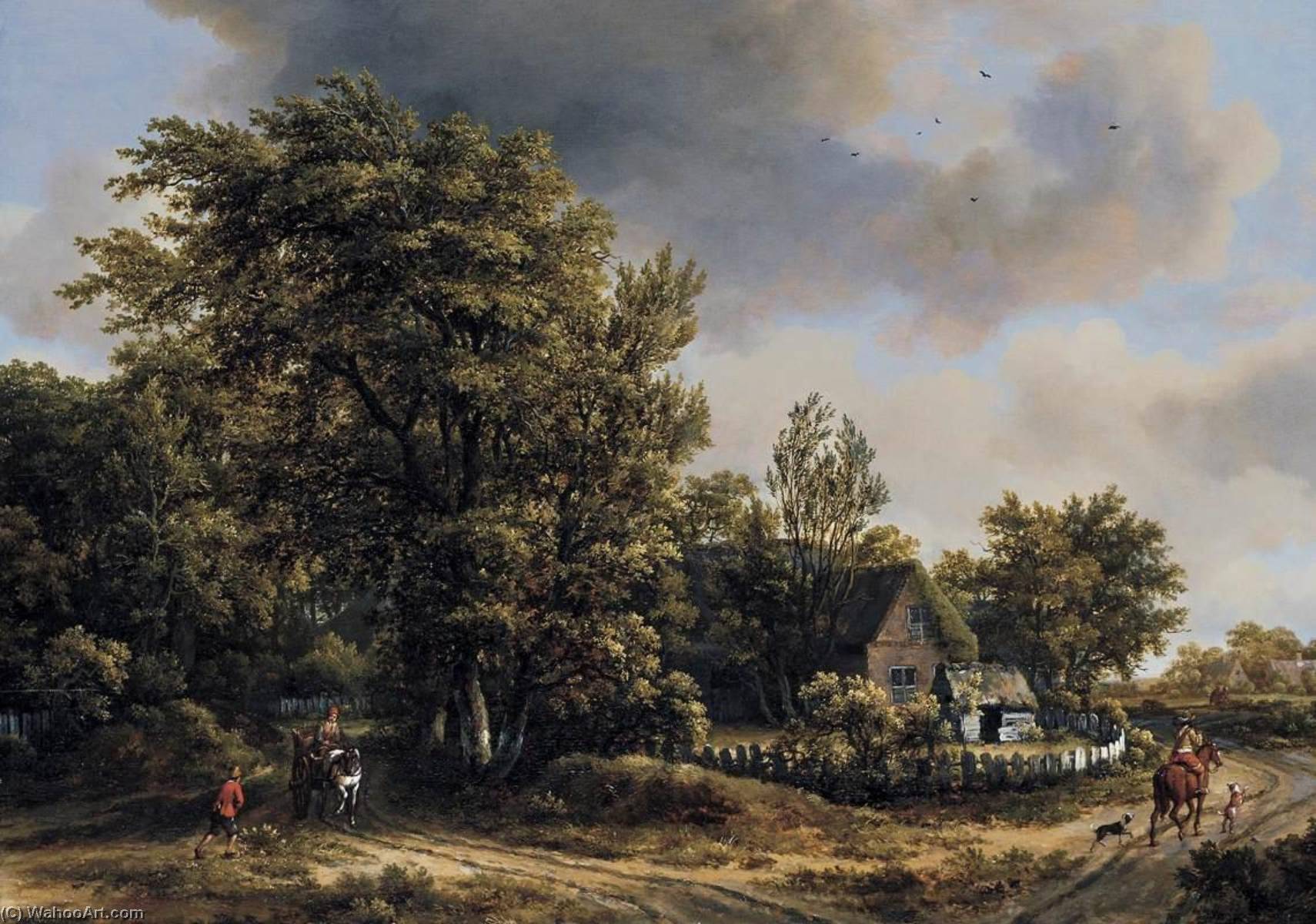
Wooded Landscape with Travellers
 61.0 x 87.0 cm
 詳細を見る
詳細を見る




































作品のオリジナル比率に合わせた、当店の規定サイズからお選びください。

特定のフレームやスペースに合わせて、ご希望のサイズをご入力いただけます。選択されたサイズが元の画像の比率と異なる場合、アートワークをトリミングするか、手描きで要素を追加して絵画を拡張いたします。デジタルモックアップ を制作し、制作開始前にご確認(承認)をいただきます。
画面上のプレビューは、実際のトリミングや拡張を正確に反映しているものではありません。最終的な構図は、モックアップによってのみ正確にご確認いただけます。
カスタムサイズもご利用いただけますが、元の比率を維持するためには、あらかじめ用意されたリストからサイズを選択することをお勧めいたします。
ご注文後、ArtsDot.com チームより詳細な指示をお送りするとともに、仕上がりイメージ(モックアップ)をご提供いたします。


 ガラスオプションは、110cm未満のサイズでのみご利用いただけます。

Wooded Landscape with Travellers
複製技法
複製画のサイズ
-


合計金額
$ 263
関連作品








アーティストの略歴
Meindert Lubbertszoon Hobbema: The Painter of Tranquil Woodland
Meindert Lubbertszoon Hobbema stands as a cornerstone of Dutch Baroque landscape painting, recognized for his masterful depictions of serene woodland scenes and meticulously rendered rural vistas that embody the spirit of the Golden Age. Born in Amsterdam and baptized on 31 October 1638, Hobbema’s artistic journey was profoundly shaped by his early connection to the legendary Jacob van Ruisdael. Under the tutelage of this titan of Dutch landscape painting, Hobbema developed a collaborative bond that would define his stylistic evolution. Together, they embarked on sketching expeditions throughout the Netherlands, meticulously capturing atmospheric conditions and topographical features, establishing a tradition of plein air painting that prioritized a direct, intimate engagement with the natural world.
This formative experience instilled in Hobbema an unwavering commitment to realism and a profound appreciation for the subtle interplay of light and shadow. His early years were marked by a dedication to observing the nuances of the Dutch countryside, a practice that would eventually lead him to become one of the most celebrated landscape artists of his era. While much of his early life remains shrouded in the quietude of historical records, his artistic lineage is clear, rooted in the rigorous observation and meticulous detail championed by his mentor, Van Ruisdael.
A Legacy of Observation and Technique
Hobbema’s distinctive style is characterized by its remarkable clarity and precision, achieved through painstaking observation and meticulous brushwork. Unlike many of his contemporaries who favored idealized or mythological representations, Hobbema relentlessly pursued accuracy in portraying the natural landscape. His canvases often feature wooded paths, meadows bathed in soft sunlight, and watercourses reflecting the shifting sky. He famously employed a technique known as gezichtsblick, or “face view,” which involved positioning himself directly before his subject matter to capture its essence with unparalleled immediacy.
This approach resulted in works that felt vibrantly alive, imbued with an atmospheric depth that drew the viewer into the scene. His mastery of light and shadow—often utilizing chiaroscuro to create dimensionality—allowed him to transform simple rural vistas into profound meditations on nature. Whether depicting a sun-drenched forest clearing or a quiet watermill, Hobbema’s technical skill ensured that every leaf, branch, and ripple in the water contributed to a larger sense of harmony and balance.
Masterpieces and Artistic Evolution
As his career matured, Hobbema’s work began to exhibit a specialized focus that distinguished him from his master. While Van Ruisdael often explored more dramatic and turbulent landscapes, Hobbema became renowned for his "sunny forest scenes," characterized by roads opening through woods and glistening ponds nestled within fairly flat landscapes. This evolution toward a more tranquil and luminous aesthetic allowed him to capture a specific type of Dutch peace that resonated deeply with the era's sensibilities.
Several of his works remain enduring icons of the Dutch Golden Age:
- The Avenue at Middelharnis (1689): Perhaps his most famous achievement, this painting showcases a different side of his talent, presenting a structured and grand perspective that departs from his typical dense woodlands.
- Wooded Landscape (1662): A masterpiece of composition, where trees, birds, and clouds coalesce to create a sense of profound peacefulness.
- A Watermill beside a Woody Lane (1665): An exquisite example of his ability to integrate architectural elements into the lush, organic textures of the forest.
- A Watermill (1666): Housed in the Rijksmuseum, this work demonstrates his exceptional skill in using light and shadow to create a sense of depth and movement within a river setting.
Through these works, Hobbema achieved a historical significance that transcends mere representation. He did not merely paint the Netherlands; he captured the very soul of its landscape during a period of unprecedented prosperity and cultural flowering. His ability to find the extraordinary within the ordinary—the quiet beauty of a sunlit path or the stillness of a woodland glade—ensured his place in the pantheon of the great Dutch Masters, leaving behind a legacy of tranquility that continues to captivate art lovers centuries later.
meyndert hobbema
1638 - 1709
基本情報
- Artistic Movement Or Style: Dutch Baroque
- Artists Or Movements Influenced By This Artist: ['Dutch Landscape Painting']
- Artists Who Influenced This Artist: ['Jacob van Ruisdael']
- Date Of Birth: October 31, 1638
- Date Of Death: December 7, 1709
- Full Name: Meindert Lubbertszoon Hobbema
- Nationality: Dutch
- Notable Artworks:
- The Avenue at Middelharnis
- A Watermill beside a Woody Lane
- Place Of Birth: Amsterdam, Netherlands

