 プレビュー
プレビュー
 シェアする
シェアする シェアする
シェアする
 詳細を見る
詳細を見る

 ダウンロード
 似ている作品
 X線調査
X線調査 スライドショー
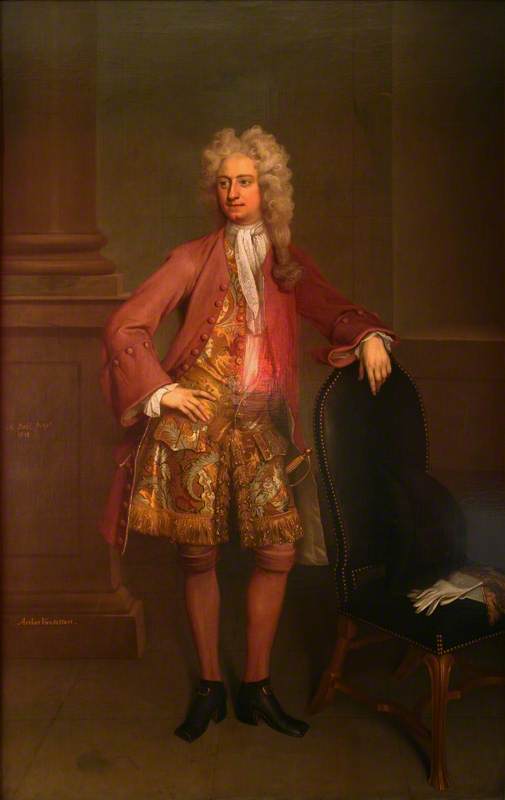
Arthur Vansittart (1691–1760) (detail)
 Oil On Canvas
- WallArt
- Baroque
 336.0 x 127.0 cm
 National Trust
 詳細を見る
詳細を見る
ジークレー/アートプリント
迅速な制作と多彩な仕上げオプションを備えた、ミュージアムクオリティのジークレーまたはキャンバスプリント。 ( 手描きの絵画を購入 画像を購入)




P118B $10

P118H $10

P118W $10

P438Z $10

P508JH $12

P508YH $12

P805H $10

P805Z $10

P919BZ $10

P919G $10

P919XJ $10

P959ZH $10

P968JZ $12

W106C $8

W218G $10

W218JH $8

W218Y $10

W307PJ $10

W316G $10

W316PJ $8

W316Y $10

W398PJ $8

W4111J $10

W500HY $15

W500JH $15

W692G $12

W849H $8

W940BG $15

W953PJ $8




作品のオリジナル比率に合わせた、当店の規定サイズからお選びください。

特定のフレームやスペースに合わせて、ご自身でサイズを指定することも可能です。選択されたサイズが元の画像の比率と一致しない場合、作品をトリミングするか、鏡面反射または単色での塗りつぶしによって画像を拡張いたします。制作を開始する前に、ご確認用のデジタルモックアップをお送りいたします。
画面上のプレビューには、実際のトリミングや拡張は反映されませんのでご注意ください。最終的な構図を正確に確認できるのは、モックアップのみとなります。
カスタムサイズも承っておりますが、元の比率を維持するためには、あらかじめ用意されたリストからサイズを選択することをお勧めいたします。


 ガラスオプションは、110cm未満のサイズでのみご利用いただけます。

Arthur Vansittart (1691–1760) (detail)
ジークレー/アートプリント
複製画のサイズ
-


合計金額
$ 62
作品詳細説明
A Portrait of Dignified Authority: Michael Dahl’s Arthur Vansittart
The canvas before us unfolds as a window into 18th-century England – specifically, the world of Arthur Vansittart, a man whose life and career were defined by a remarkable journey across continents and cultures. Painted in 1719 by the Swedish artist Michael Dahl, this portrait isn’t merely a likeness; it's an embodiment of status, intellect, and the burgeoning confidence of the era. Dahl, already establishing himself as a leading figure in the English art scene after relocating from Stockholm, masterfully captures Vansittart’s presence with a meticulous attention to detail that speaks volumes about his skill and artistic vision.
The composition immediately draws the eye to the subject, seated with an air of relaxed authority. He leans casually against a pillar, a gesture suggesting both self-assurance and a certain worldly experience. The dark background, deliberately indistinct, serves to heighten the sense of spatial recession and focuses all attention on Vansittart himself. Note the subtle asymmetry – the slight turn of his head, the placement of his arm – elements that contribute to the portrait’s dynamic quality and prevent it from feeling static or overly formal.
The Baroque Influence: Technique and Detail
Dahl's technique is a testament to the enduring power of Baroque principles. The painting is executed in oil on canvas, utilizing layers of paint – glazes and scumbles – to create an astonishingly rich texture. Observe how he renders the fabric of Vansittart’s coat; the intricate patterns are not simply painted but built up through careful application of color and brushwork, capturing both its sheen and depth. The modeling of his face is equally impressive, with subtle shifts in tone conveying a sense of volume and form. The use of chiaroscuro – the dramatic interplay of light and shadow – dramatically sculpts the subject’s features, emphasizing his profile and adding an element of theatricality to the scene.
Consider the meticulous detail lavished upon the subject's attire. The velvet coat, the lace collar, the embroidered breeches—each element speaks to Vansittart’s position within society. Dahl doesn’t simply depict these garments; he elevates them into symbols of wealth, status, and refined taste. The subtle variations in color and texture – the muted tones of the background contrasted with the vibrant hues of the clothing – create a visual harmony that is both elegant and engaging.
Symbolism and Context: A Man of His Time
Arthur Vansittart’s portrait offers a fascinating glimpse into the social and political landscape of 18th-century England. As a colonial administrator in Bengal, he navigated complex relationships between European powers and local rulers, a role that demanded both diplomacy and strategic acumen. The pose itself – seated with an air of quiet confidence – reflects this authority. The sword at his waist is not merely a decorative element; it’s a potent symbol of power and protection.
Furthermore, the portrait aligns with the prevailing artistic trends of the period. Dahl's work exemplifies the Baroque influence in England, characterized by its emphasis on realism, dramatic lighting, and emotional intensity. The subject’s serious expression suggests a man of intellect and gravitas, reflecting the values prized within the aristocratic circles of the time. The inclusion of architectural elements – the pillar, the wall paneling – subtly reinforces this sense of status and refinement.
A Legacy in Reproduction: Bringing Dahl's Vision to Life
Today, through meticulous reproductions like this one, we can appreciate the artistry and historical significance of Michael Dahl’s Arthur Vansittart. The painting’s enduring appeal lies not only in its technical brilliance but also in its ability to transport us back to a bygone era – an era of grand estates, complex political intrigues, and the pursuit of artistic excellence. Whether adorning a stately home or gracing a private collection, this portrait serves as a powerful reminder of the lasting impact of one of England’s most celebrated artists.
関連作品


アーティストの略歴
世界を繋ぐ生涯:マイケル・ダールの芸術的軌跡
18世紀の肖像画のエレガンスと洗練さを体現する響きを持つ名前、マイケル・ダール。彼はスウェーデン出身の芸術家でありながら、その存在感をイングランドのアートシーンに深く刻みつけました。1659年頃、ストックホルムで生まれたとされるダールの歩みは、国家の国境に留まるものではありませんでした。むしろ、芸術的な熟練を追求する野心的な探求心が彼をヨーロッパ全土へと導き、最終的にはイングランドを代表する肖像画家としての地位を確立させたのです。彼の物語は、家族の犠牲、厳しい修行、機会から生まれた宗教的転向、そして多様な文化圏を巧みに渡り歩いた軌跡そのものです。母カタリナ・ダールが才能を育むことに捧げた献身が基盤となり、王族や貴族を描くキャリアへと繋がり、その結果、貴族的な優雅さで称賛される至高の絵画群という遺産を残すこととなりました。スウェーデンの礎からイタリアの影響へ
ダールの芸術教育は、1674年にスウェーデンで始まりました。彼は、イタリアからダヴィッド・クレーッカー・エレンシュトラールによって肖像画アカデミーを設立するために連れてこられたマルティン・ハニバルのもとで学びます。この初期の訓練は彼に基礎的な技術を与え、その後、自身がエレンシュトラールから直接学ぶというステップを踏むことで、学生としての才能を示しました。しかし、ダールの野心はスウェーデンの首都を越えていました。1682年、彼は渡航を許すパスポートと芸術的知識への渇望を携え、ヨーロッパ各地へと広範な学術の旅に出ます。ロンドンに到着したことは決定的な転機となりました。彼は熟練したエングレーバーであり画家であったロバート・ホワイトの指導を受け、スウェーデンのカール11世の肖像画を含む版画制作を手伝います。この経験は極めて重要で、実用的な技術とイギリスのアート界への入門を提供しました。しかし、真に彼の市場に対する理解を形作ったのはゴッドフリー・クネラーとの出会いでした。クネラーが与えたのは単なる技術的専門知識だけではなく、公衆の需要に応えるための実用性であり、これはエレンシュトラールの宮廷中心のアプローチとは対照的でした。ダールの旅はパリを経てローマへと続き、そこで大きな転換点を迎えます。ローマでの転向とパトロン制度
追放されたスウェーデンのクリスティーナ女王は、ローマ滞在中のダールのキャリアに変革的な役割を果たしました。影響力のあるサークルへのアクセスや教皇の庇護の重要性を認識したダールは、彼女の勧めによりカトリックに改宗します。この決断は、そうでなければ閉ざされていた扉を開き、女王自身の肖像画を描くことを可能にしただけでなく、その作品を教皇インノケンティウス11世に提出する機会をもたらし、彼は金メダルという証をもって若き才能を認められました。この改宗は、戦略的な動機が絡んでいるようにも見えますが、芸術的進歩を追求するために複雑な社会や宗教の風景に適応し、渡り歩くダールの意志の強さを物語っています。ローマこそが、彼がさらなる技術を磨き上げ、成熟した作品の特徴となるバロック様式美を吸収した場所でした。イングランド肖像画の巨匠として
イングランドに帰国した後、マイケル・ダールはすぐに非常に求められる肖像画家としての地位を確立しました。彼は単なる容貌だけでなく、その身分や個性を捉える、優雅で洗練されたスタイルで名声を博します。彼の肖像画は、豊かな色彩、質感への細部にわたる注意深さ、そして全体的な壮大さによって際立っています。彼はアン女王、デンマークのジョージ王子など数多くの著名な人物や、イギリス貴族の星座のようなメンバーを描きました。特筆すべき作品には、ウィリアム・ケアウ卿、ジョン・チャーチル(マーラーボロ公爵初代)、ロバート・ウォルポール卿などの印象的な肖像画があります。おそらく最も印象深い功績の一つが、バーリントン伯爵第2代、キングストン・アポン・ハル公爵第1代、ストラットン男爵第3代のトリプルポートレートでしょう。これは集団肖像画における彼の技術力の見事な展示であり、個々の個性描写と構図的な調和を見事に両立させています。遺産と歴史的意義
ダールの芸術様式は、スウェーデン、イタリア、そしてイギリスの影響が見事に融合したものでした。彼はハニバルやエレンシュトラールから技術的な基礎を吸収し、クネラーから市場の機知を学び、ローマで遭遇したパトロン制度からも計り知れない恩恵を受けました。彼の作品は、彼が生きた時代に流行していたバロック様式美を体現していますが、そこに独自の洗練された感性が吹き込まれています。彼はその優雅なスタイルと技術的な熟練さをもって、後世の肖像画家たちに影響を与え、イングランドの肖像画に永続的な足跡を残しました。芸術的貢献を超えて、主にイングランドで活躍したスウェーデン人アーティストとしてのマイケル・ダールの成功は、バロック期における芸術交流がいかに国際的であったかを浮き彫りにしています。彼は異なる文化的な文脈を巧みに渡り歩き、今日なお賞賛され続ける肖像画家として自らを確立しました。彼の肖像画は、18世紀初頭のイギリス貴族たちの生活や外見について貴重な洞察を提供し、歴史的資料であると同時に不朽の芸術作品としての役割を果たしているのです。
マイケル・ダール
1658 - 1743 , スウェーデン
基本情報
- Artistic Movement Or Style: バロック
- Artists Or Movements Influenced By This Artist: 18世紀の肖像画
- Artists Who Influenced This Artist:
- マルティン・ハニバル
- ダヴィッド・エレンシュトラール
- ゴットフリー・クネラー
- Date Of Birth: 1659年
- Date Of Death: 1743年
- Full Name: マイケル・ダール
- Nationality: スウェーデン
- Notable Artworks:
- アン女王の肖像画
- ウィリアム・ケアウ卿
- ジョン・チャーチル肖像画
- Place Of Birth: ストックホルム、スウェーデン
関連記事

バロックのドラマ:現代のインテリアに壮麗さと情感を取り込む
バロック様式の歴史、絵画、家具の魅力をご紹介。ArtsDotでは、高品質な油絵複製やカスタムポートレートをご提供し、現代のインテリアに壮麗さと情感を取り入れます。アートコンサルテーションも承ります。

The Dramatic Flourish: Exploring the Baroque Movement's Enduring Legacy in Art History
Explore the dramatic world of Baroque art! Discover iconic artists like Caravaggio & Rubens, defining techniques, and its lasting impact on art history. Expert insights for collectors & enthusiasts at ArtsDot.

バロック美術を極めた至宝:時代を彩る10大名作の世界
バロック美術の華!カラヴァッジョ、ベルニーニら巨匠が創り上げた10大名作を徹底解剖。ドラマチックな色彩と豪華絢爛の世界観に触れ、至宝のアートプリントで空間を彩ろう。ArtsDot.comで美術館品質の複製と洗練されたインテリアを見つけましょう!

The Visceral Stage: Exploring Dramatic Narratives & Emotional Intensity in Baroque Art
Explore the dramatic world of Baroque art! Discover iconic masters like Caravaggio & Rembrandt, their techniques, and the movement's lasting impact. Expert insights for collectors & enthusiasts at ArtsDot.

Theatricality & Triumph: Baroque Drama in Painting & Sculpture
Explore the dramatic world of Baroque art! Discover its history, defining characteristics, & lasting influence on painting & sculpture. Expert insights into Caravaggio, Zurbarán, and Bernini – plus high-quality reproductions at ArtsDot.