

 プレビュー
プレビュー
 プリントを購入
 シェアする
シェアする シェアする
シェアする
 詳細を見る
詳細を見る

 ダウンロード
 似ている作品
 X線調査
X線調査 スライドショー
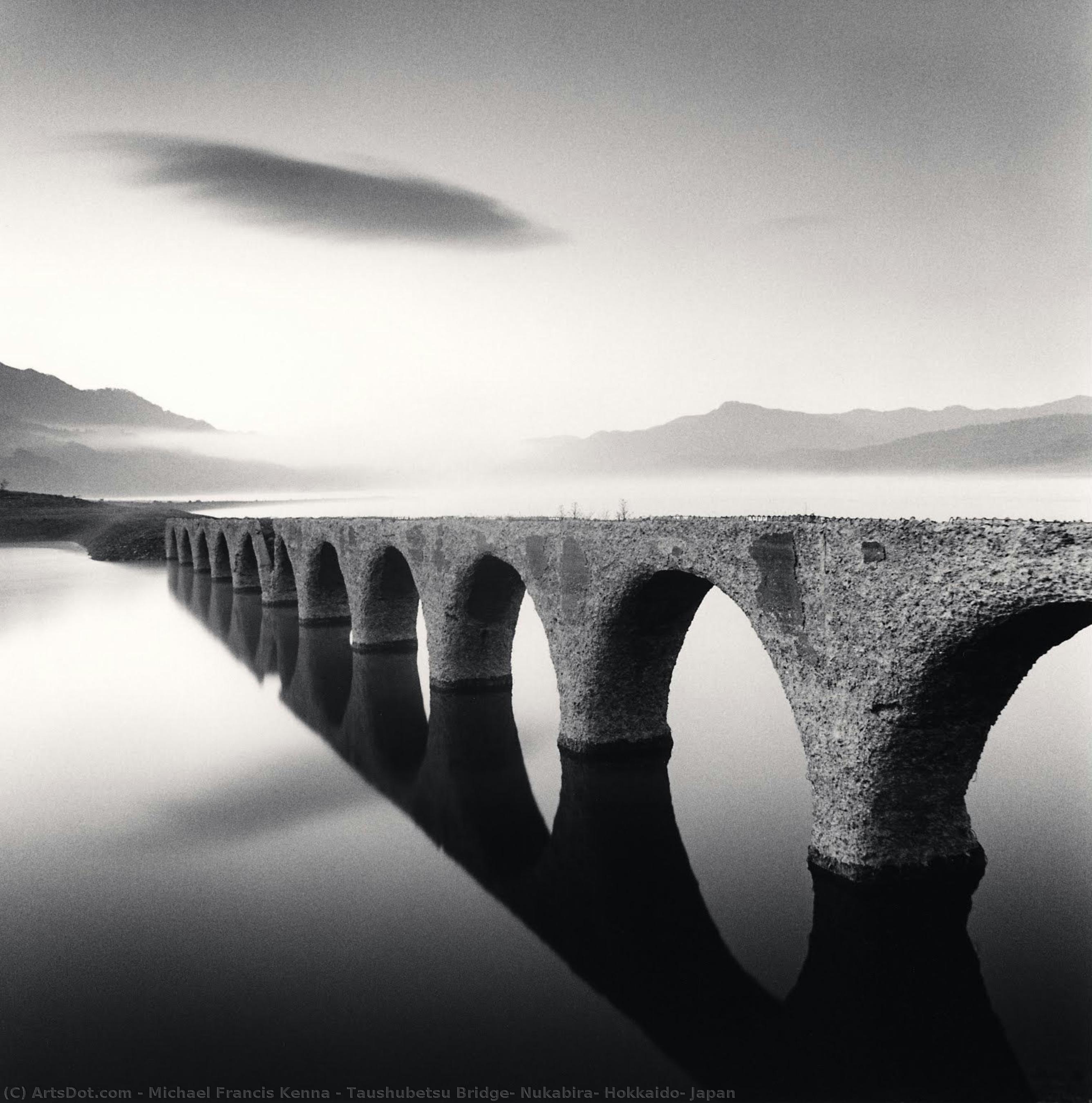
Taushubetsu Bridge, Nukabira, Hokkaido, Japan


 詳細を見る
詳細を見る




P118B $10

P118H $10

P118W $10

P438Z $10

P508JH $12

P508YH $12

P805H $10

P805Z $10

P919BZ $10

P919G $10

P919XJ $10

P959ZH $10

P968JZ $12

W106C $8

W218G $10

W218JH $8

W218Y $10

W307PJ $10

W316G $10

W316PJ $8

W316Y $10

W398PJ $8

W4111J $10

W500HY $15

W500JH $15

W692G $12

W849H $8

W940BG $15

W953PJ $8




作品のオリジナル比率に合わせた、当店の規定サイズからお選びください。

特定のフレームやスペースに合わせて、ご希望のサイズをご入力いただけます。選択されたサイズが元の画像の比率と異なる場合、アートワークをトリミングするか、手描きで要素を追加して絵画を拡張いたします。デジタルモックアップ を制作し、制作開始前にご確認(承認)をいただきます。
画面上のプレビューは、実際のトリミングや拡張を正確に反映しているものではありません。最終的な構図は、モックアップによってのみ正確にご確認いただけます。
カスタムサイズもご利用いただけますが、元の比率を維持するためには、あらかじめ用意されたリストからサイズを選択することをお勧めいたします。
ご注文後、ArtsDot.com チームより詳細な指示をお送りするとともに、仕上がりイメージ(モックアップ)をご提供いたします。


 ガラスオプションは、110cm未満のサイズでのみご利用いただけます。

Taushubetsu Bridge, Nukabira, Hokkaido, Japan
複製技法
複製画のサイズ
-


合計金額
$ 263
作品解説
Taushubetsu Bridge: A Meditation on Minimalism and Landscape Harmony
The Taushubetsu Bridge in Nukabira, Hokkaido, Japan, stands as an emblem of understated beauty—a testament to the vision of Michael Francis Kenna and a captivating subject for contemplation. More than just a structure spanning a river, it embodies a philosophy rooted in simplicity and observation, qualities that define Kenna’s distinctive artistic style. This photograph isn't merely documenting a place; it’s inviting us into a carefully crafted dialogue between man-made form and the natural world.Composition and Light: Embracing Silence
Kenna’s masterful composition immediately establishes dominance with the bridge itself, positioned centrally against the backdrop of rolling hills and distant mountains shrouded in atmospheric haze. The symmetry is deliberate—a mirroring effect across the calm water below—creating a visual equilibrium that speaks to a profound sense of stillness. Crucially, the diffused lighting – characteristic of overcast days or early morning light – eliminates harsh shadows, fostering an environment conducive to quiet reflection. This gentle illumination allows subtle tonal variations within the grayscale palette to emerge, revealing textures and contours with remarkable sensitivity. The photographer’s eye seeks not grand spectacle but rather the understated elegance found in capturing a fleeting moment of natural harmony.Technique: Long Exposure and Precise Detail
The photograph's execution likely involved utilizing a long exposure technique—a deliberate choice that ensures a flawlessly smooth surface on the water, effectively erasing ripples and conveying an illusion of tranquility. Coupled with Kenna’s meticulous attention to detail, this method allows for capturing nuanced textures – from the rough stone or concrete of the bridge structure to the soft haze enveloping the mountains – enhancing the overall visual experience. The photographer's skill lies in transforming ordinary scenery into extraordinary art through careful manipulation of light and time.Historical Context: Kenna’s Minimalist Legacy
Michael Francis Kenna emerged as a prominent figure in landscape photography during the late 20th century, aligning himself with a broader movement toward minimalism that rejected excessive ornamentation and prioritized pure form. Influenced by Japanese Zen Buddhism—a tradition deeply ingrained in Kenna's upbringing—his work reflects an aesthetic sensibility focused on capturing essential qualities of place without embellishment. Like many artists of his era, Kenna sought to distill the essence of nature into its purest visual representation, rejecting representational accuracy for a more emotive response from the viewer.Symbolism and Emotional Resonance: Beyond Representation
The monochrome palette—a deliberate rejection of color—amplifies the photograph’s contemplative mood, inviting viewers to engage in introspection rather than passive observation. The bridge itself symbolizes connection – bridging the gap between human endeavor and the grandeur of the landscape – while its symmetrical composition reinforces a sense of balance and harmony. Ultimately, Taushubetsu Bridge encapsulates Kenna's artistic ethos: an invitation to appreciate beauty not as something to be grasped or analyzed but as something to be experienced—a quiet communion with the sublime.A Reflection of Kenna’s Vision
This photograph exemplifies Kenna’s unwavering commitment to capturing the profound emotional impact of landscape, prioritizing subtle tonal shifts and textural nuances over dramatic visual effects. It stands as a powerful reminder that true artistry resides in recognizing and conveying the essence of place—a feat accomplished with remarkable grace and precision.関連作品

アーティストの略歴
銀に刻まれた生涯:マイケル・ケンナの世界
1953年、イングランドの工業地帯として知られるウィドネスに生まれたマイケル・ケンナが、現代写真界を代表する風景写真家へと歩む道のりは、決して平坦なものではありませんでした。アイルランド系カトリックの労働者階級という伝統的な家庭環境で育った彼は、当初、宗教への道を志していました。神学校であるセント・ジョセフ・カレッジで過ごした7年間は、彼の中に深い思索と規律を植え付け、それが後に彼の芸術的ヴィジョンを形作る重要な礎となります。しかし、最終的に彼の想像力を捉えたのは、芸術、とりわけ視覚的表現が持つ力でした。決定的な転機となったのは、イギリスにおいて絵画で生計を立てる道がいかに限られているかを悟った瞬間でした。商業的な可能性を秘めた写真は、彼にとって現実的な選択肢として現れたのです。この実利的な決断が彼をロンドン・プリンティング・カレデンへと導き、そこで技術を磨きながら、写真という媒体の無限の可能性を探求し始めました。独自の美学の形成:影響と発展
ケンナの芸術的発展は、単なる形式的な教育のみによって成されたものではありません。アゲ、エメルソン、スデクといったヨーロッパの巨匠たちの作品との出会いが、風景写真への情熱に火を灯しました。また、バーンハム、カラハン、シーラー、スティグリッツといったアメリカの芸術家たちに対しても深い敬意を抱き、場所の本質を捉えるための多様なアプローチを学びました。さらに、サンフランシスコでルート・バーンハムと出会い、10年以上にわたって彼女のプリント作業を助手として支えた経験は、彼の人生を変えるものとなりました。この師弟関係は計り知れない価値を持ち、細部への緻密なこだわりと、卓越した職人技に対する揺るぎない献身を彼に授けました。彼は単なる技術的な習熟だけでなく、自己表現の手段としての写真が持つ哲学的な側面をも吸収していったのです。客観的な表現を重視する「ニュー・トポグラフィックス」運動の影響は初期の作品にも見て取れますが、ケンナはすぐに単なる記録を超越していきました。彼が追い求めたのは、より深遠なもの――光と大気、そして自然と人間の介入が織りなす繊細な相互作用の探求でした。この進化における鍵となったのは、日本的な美意識への高まる関心でした。特に、簡素さ、瞑想、そして無常の中に美を見出すという禅の精神は、彼の表現に深く浸透しています。また、マーク・ロスコのような芸術家のミニマリズム的な構成も彼に深い共鳴を与え、風景の中から特定の要素を孤立させ、静かな思索のための空間を作り出す彼特有の手法へと繋がっていきました。長時間露光の詩学:技法とテーマ
マイケル・ケンナのスタイルは、一目でそれと分かります。彼は鮮やかな色彩をあえて避け、モノクロームが持つ時代を超越したエレガンスを選択することで、形態、質感、そして階調の豊かさを際立たせます。その構図はしばしばミニマリズムに貫かれ、余分な細部を削ぎ落とすことで、風景の根底にある本質を露わにします。しかし、彼の最も決定的な特徴は、長時間露光を用いた卓越した技法にあります。時には数時間に及ぶこともあるこれらの露光は、ありふれた風景を空想的なヴィジョンへと変貌させ、動きをぼかし、時間を超越した静寂を生み出します。彼はしばしば夜明けや黄昏時にシャッターを切ります。霧に包まれた山々、雪を冠した樹木、薄明かりの微かな輝きといった、ドラマチックな光と大気の状態がもたらす一瞬の煌めきを捉えるためです。彼の作品には、自然と人間の存在の関係、時間の経過と美の儚さ、そして深い孤独と瞑想といったテーマが繰り返し流れています。そのプロジェクトは、日本の象徴的な風景から中国の壮大な山々、イタリアやアメリカの古城や田園風景まで、地理的に多岐にわたりますが、それらはすべて一貫した美学的ヴィジョンによって結ばれています。光と影の遺産:業績と意義
数十年にわたるキャリアを通じて、マイケル・ケンナは芸術的貢献に対して広く認められてきました。彼の写真は世界中のギャラリーや美術館で展示され、その静かな力強さと情緒的な美しさで観衆を魅了し続けています。パリの国立図書館、ワシントンD.C.のナショナル・ギャラリー、東京都写真美術館、ロンドンのヴィクトリア&アルバート博物館といった権威ある永久収蔵館に彼の作品が収められていることは、芸術界における彼の永続的な影響力の証です。また、数多くのモノグラフを出版することで、現代風景写真における先駆者としての地位を確固たるものにしました。ケンナの歴史的な意義は、ありふれた風景を、見る者が立ち止まり、周囲をより注意深く観察し、見落とされがちな繊細な美を愛でるような、感情に響くイメージへと変容させる能力にあります。彼は表現に関する従来の概念に挑戦し、単なる場所の描写ではなく、時間、記憶、そして人間存在という普遍的なテーマに語りかける、示唆に富んだ解釈を提示しています。彼の作品は、ミニマルな構図と長時間露光を通じて場所の本質と大気を捉えようとする新しい世代の写真家たちにインスピレーションを与え続けており、世界を異なる光の下で真に見つめる――そして私たちにもその見方を教える――芸術家としての遺産を、確かなものにしています。代表的なシリーズ
- 日本:霧や雪に包まれた橋、樹木、寺院など、象徴的な風景を描いた広範な作品群。
- 中国:劇的な美しさを誇る黄山や、厦門(シャプ)の独特な海藻養殖場の記録。
- イタリア:柔らかな光に包まれた古城や田園風景を捉えたシリーズ。
マイケル・ケナ
1953 - , イギリス
基本情報
- Artistic Movement Or Style: 白黒風景写真
- Artists Or Movements Influenced By This Artist: 現代風景写真
- Artists Who Influenced This Artist:
- ロバート・アダムス
- ルイス・ボルツ
- マーク・ロスコ
- Date Of Birth: 1953年
- Full Name: マイケル・フランシス・ケンナ
- Nationality: イギリス
- Notable Artworks:
- 黄山、Study 42
- 海藻養殖場、Study 3
- 田श別橋
- Place Of Birth: イギリス、ウィドネス
関連記事

Monochrome Visions: Exploring the Aesthetic & Historical Significance of Black & White Photography
Explore the rich history & artistic power of black and white photography. From early techniques to iconic masters like Ansel Adams, discover why monochrome continues to captivate art lovers today. Expert insights for collectors.

White on Canvas: 10 Masterpieces & Timeless Elegance for Your Home Decor
Explore 10 iconic white paintings by Monet, Whistler & Rothko! Discover the stories behind these serene masterpieces and their impact on art history. Find museum-quality reproductions for your home decor at .
Timeless & Chic: Elevating Your New Home with the Sophistication of Black and White Photography
Transform your new home with the timeless allure of black and white photography. ArtsDot.com specializes in elegant monochrome decor and custom hand-painted wedding portraits that turn cherished milestones into lasting, soulful masterpieces. Elevate your space with ease.
Beyond the Lens: Photography's Enduring Influence on Modern & Contemporary Art
Explore photography's pivotal role in shaping modern & contemporary art. Discover key movements, influential artists like Stieglitz, and expert collecting advice from ArtsDot.

Dark Masterpieces: 10 Iconic Paintings Dominated by Black Tones |
Explore 10 iconic paintings dominated by black tones, from Rembrandt’s chiaroscuro to Goya's dark expressions. Discover the stories behind these masterpieces & find museum-quality art reproductions for your home at .

