

 プレビュー
プレビュー
 プリントを購入
 シェアする
シェアする シェアする
シェアする
 詳細を見る
詳細を見る

 ダウンロード
 似ている作品
 X線調査
X線調査 スライドショー
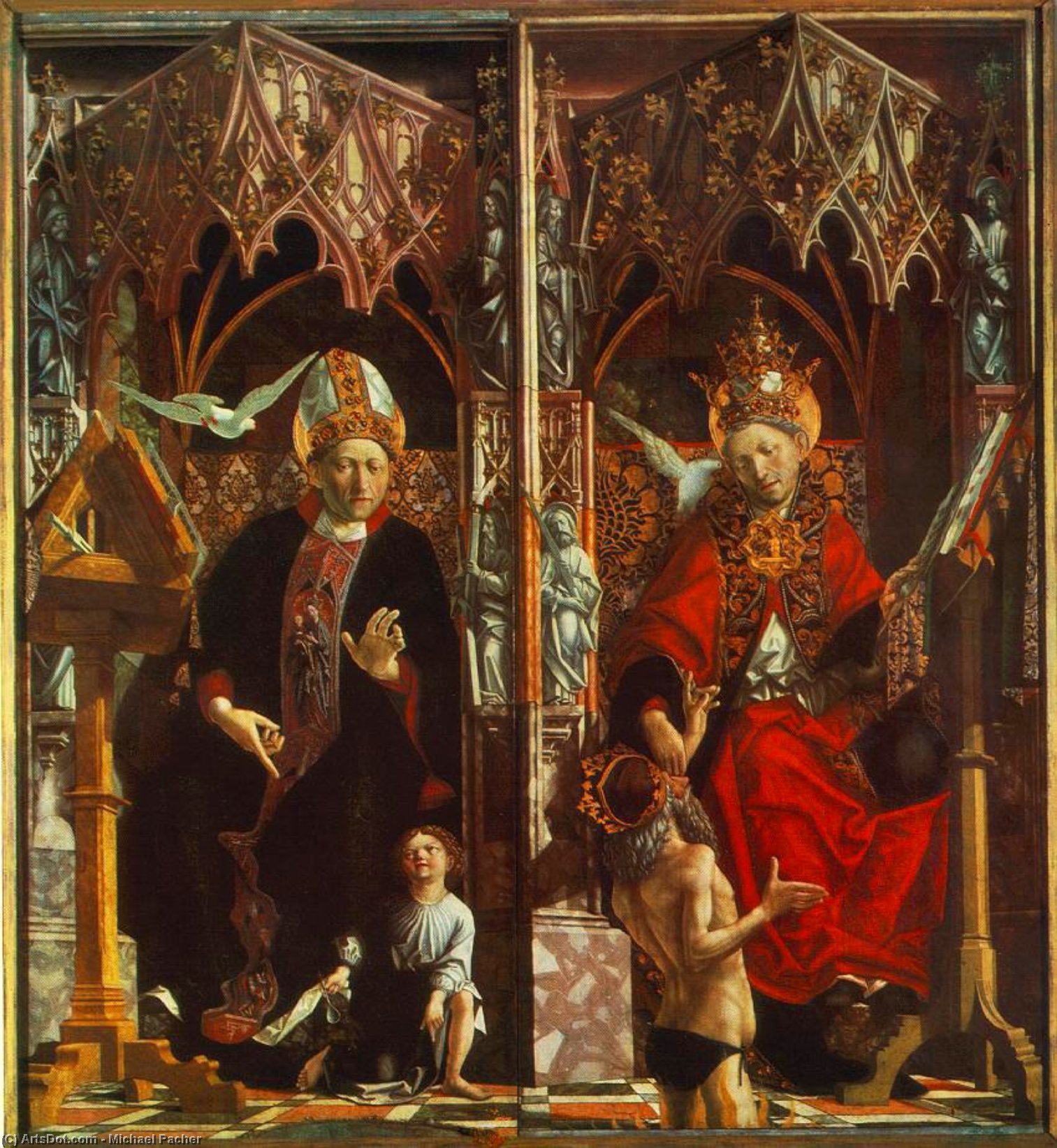
Altarpiece of the Church Fathers: St Augustine and St Gregory
 Oil On Panel
- Renaissance Revival
 1483
1483- Renaissance
 212.0 x 100.0 cm
 アルテ・ピナコテーク
 詳細を見る
詳細を見る




P118B $10

P118H $10

P118W $10

P438Z $10

P508JH $12

P508YH $12

P805H $10

P805Z $10

P919BZ $10

P919G $10

P919XJ $10

P959ZH $10

P968JZ $12

W106C $8

W218G $10

W218JH $8

W218Y $10

W307PJ $10

W316G $10

W316PJ $8

W316Y $10

W398PJ $8

W4111J $10

W500HY $15

W500JH $15

W692G $12

W849H $8

W940BG $15

W953PJ $8




作品のオリジナル比率に合わせた、当店の規定サイズからお選びください。

特定のフレームやスペースに合わせて、ご希望のサイズをご入力いただけます。選択されたサイズが元の画像の比率と異なる場合、アートワークをトリミングするか、手描きで要素を追加して絵画を拡張いたします。デジタルモックアップ を制作し、制作開始前にご確認(承認)をいただきます。
画面上のプレビューは、実際のトリミングや拡張を正確に反映しているものではありません。最終的な構図は、モックアップによってのみ正確にご確認いただけます。
カスタムサイズもご利用いただけますが、元の比率を維持するためには、あらかじめ用意されたリストからサイズを選択することをお勧めいたします。
ご注文後、ArtsDot.com チームより詳細な指示をお送りするとともに、仕上がりイメージ(モックアップ)をご提供いたします。


 ガラスオプションは、110cm未満のサイズでのみご利用いただけます。

Altarpiece of the Church Fathers: St Augustine and St Gregory
複製技法
複製画のサイズ
-


合計金額
$ 263
The Altarpiece of the Church Fathers: A Synthesis of Gothic Tradition and Renaissance Innovation
Michael Pacher’s “Altarpiece of the Church Fathers,” completed in 1483 for the Neustift Monastery near Brixen, South Tyrol, stands as a testament to the transformative artistic currents sweeping across Central Europe during the late fifteenth century. More than just a devotional image, it represents a pivotal moment in art history—a harmonious blend of Gothic sensibilities and emerging Renaissance principles that cemented Pacher’s reputation as one of Tyrol’s foremost artists and profoundly influenced subsequent generations of painters.- Subject Matter: The altarpiece depicts four revered Church Fathers – Augustine, Gregory the Great, Jerome, and Ambrose – figures central to Christian theology and considered champions of orthodox faith during a period marked by intense theological debate. Their selection underscores the importance placed on intellectual contemplation and doctrinal integrity within the monastic tradition.
- Style: While rooted in Gothic artistic conventions—characterized by stylized figures and hierarchical composition—Pacher skillfully incorporates Renaissance techniques, notably linear perspective and spatial illusionism. This duality reflects the broader cultural shift toward humanist ideals and a renewed interest in classical art forms.
- Technique: Executed in oil paint on wood panels, Pacher employed meticulous detail and masterful glazing to achieve remarkable luminosity and textural richness. The artist’s painstaking observation of anatomy—evident in the expressive gestures and facial expressions of the saints—demonstrates a commitment to naturalism that distinguishes him from many of his contemporaries.
- Historical Context: Constructed during a time when monastic piety reigned supreme, the altarpiece served as a powerful visual affirmation of Catholic dogma amidst the burgeoning challenges posed by Reformation movements. Its commissioning reflects the Neustift Monastery’s dedication to preserving theological scholarship and upholding orthodox Christian beliefs.
関連作品
アーティストの略歴
二つの世界を繋ぐチロルの架け橋
1435年頃、アルプスの峻険な風景が広がるボルツァーノに生を受けたミカエル・パッハーは、ドイツ語圏におけるゴシック芸術から、胎動し始めたルネサンス精神への転換期において、極めて重要な役割を果たした人物です。彼は単なる画家ではありませんでした。絵画と彫刻、建築と緻密な装飾を継ぎ目なく融合させる職人であり、彼が創り出した祭壇画は、単なる宗教的対象という枠を超え、信仰と物語が息づく没入感あふれる小宇宙そのものでした。初期の生涯については、修行の詳細が乏しく、いくぶん謎に包まれていますが、15世紀半ばのチロルを流れる芸術的潮流の中で育まれた、天賦の才を持っていたことは疑いようもありません。彼の旅路が決定的な転換を迎えたのは、イタリアのパドヴァを訪れた時でした。そこで彼はアンドレア・マンテーニャによる革命的なフレスコ画に出会います。この衝撃的な体験は彼を変貌させ、遠近法や空間構成に対する新たな理解を作品に吹き込みました。この革新的な要素こそが、同時代の多くの画家たちと彼を分かつ決定的な特徴となったのです。聖ヴォルフガング祭壇画:明かされる傑作
パッハーの名声を不動のものとしたのは、オーストリアの巡礼教会のために1471年から1481年にかけて制作された、壮麗な聖ヴォルフガント祭壇画です。これは単なる一枚の絵画ではなく、聖なる物語が紐解かれるように展開する、精緻な多翼祭壇画(ポリプティク)です。その独創的な設計により、日常の礼拝用、より華やかな日曜用、そして特別な祝日のための全開状態という、三つの異なる姿を見せることができます。どの形態においても、イエスと聖母マリアの生涯の異なる場面が描き出され、その頂点として、天の女王としての聖母戴冠を描いた息を呑むような中央パネルが現れます。彫刻によって形作られたその情景は、神々しい威厳に満たされています。外側の翼部分には、巡礼者と職人の守護聖人である聖ヴォルフガング自身の生涯のエピソードが描かれています。研究者によれば、弟のフリードリヒ・パッハーが外側のパネルの彩色に携わった可能性も示唆されており、工房内における共同制作の精神を物語っています。この作品を真に際立たせているのは、その圧倒的なスケールと複雑さ、そして絵画的要素と精巧な彫刻の両方に宿る驚異的な細密描写です。それは、複数の芸術分野を同時に統率するパッハーの卓越した能力の証左といえるでしょう。融合する技法:絵画、彫刻、そして建築的ヴィジョン
聖ヴォルフガング祭壇画の輝きに留まらず、パッハーは1483年頃にノイシュティフト修道院のために完成させた教父祭壇画などの作品において、芸術形式の類まれな統合を提示しました。ここでは、絵画と彫刻の境界線が巧みに曖昧にされ、一体となった芸術体験が創出されています。そこに配された教父たちの記念碑的な姿は、あたかもニッチ(壁龕)から浮かび上がってくるかのような、確かな存在感を放っています。光と影を操るパッ彫の技術は、この効果をさらに高め、構図に奥行きと写実性を与えています。彼は単に空間を描写したのではなく、祭壇画という構造物の中に、自ら空間を「創造」したのです。この革新的なアプローチは、多様な技法を一つの調和した全体へと統合しようとした後の北欧の芸術家たちに、多大な影響を与えることとなりました。遺産と永劫なる影響力
1467年までに、パッハーはブルネンに隆盛を極める工房を確立し、チロルの芸術界における中心的人物となりました。彼は様々な修道会から依頼を受け、1484年頃にはザルツブルクのフランシスコ会からも注文を受けています。悲しいことに、彼の作品の多くは紛争や自然災害によって失われたり、損傷を受けたりしてきました。これは、芸術的遺産がいかに脆いものであるかを痛切に物語っています。しかし、こうした喪失にもかかわらず、現存する傑作たちは、パッハーの類まれな才能と革新精神を伝える不朽の証として立ち続けています。彼は真の先駆者であり、北方のゴシック芸術が持つ表現力豊かな形態と、台頭しつつあったイタリア・ルネサンス絵画の原理との間に、見事な架け橋を築き上げました。彼の遺産は、その作品の美しさや技術的な輝きのみならず、数世紀を経た今なお見る者を魅了し、鼓舞し続ける独自のスタイルを確立した点にこそ存在するのです。パッハーの仕事は、伝統と革新が交差し、新たな芸術的可能性が芽生えた美術史における決定的な瞬間を象徴しているのです。
ミヒャエル・パッハー
1435 - 1498 , イタリア
基本情報
- Artistic Movement Or Style: ルネサンス & ゴシック
- Artists Or Movements Influenced By This Artist: ['北欧の芸術家']
- Artists Who Influenced This Artist: ['アンドレア・マンテーニャ']
- Date Of Birth: 1435年頃
- Date Of Death: 1498年
- Full Name: ミハエル・パッハー
- Nationality: チロル人
- Notable Artworks:
- ザンクト・ヴォルフガング祭壇画
- 教会博士の祭壇画
- ラザロの復活
- 聖母戴冠
- Place Of Birth: イタリア、ボルツァーノ
関連記事
現代ギャラリーにおける美術複製版の戦略的役割:模倣を超えて、権威と鑑賞体験を再構築する
現代ギャラリーにおける美術複製版の戦略的役割を徹底分析。贋作問題、流通構造の変化、鑑賞体験の再構築、技術革新まで深く掘り下げ、アート投資やコレクションに役立つ情報を提供します。専門家による視点と信頼性の高いデータに基づいた高品質な記事です。
The Radiant Dusk of Medieval Vision: Exploring Late Gothic Art's Synthesis of Faith, Form & Emotionality (c. 1300-1500)
Explore the exquisite beauty & spiritual depth of Late Gothic art (c. 1300-1500). Discover key artists, symbolism, and its lasting influence on the Renaissance. Expert insights at ArtsDot.
Beyond Imitation: The Cultural Resonance of Fine Art Reproduction & Discerning Collectors
Explore the cultural significance of fine art reproduction & its appeal to discerning collectors. Discover how reproductions enhance aesthetics, build collections, and signal status. Expert insights & museum-quality artistry.
Beyond Replication: Sustaining Art Heritage Through Inspired Reproductions in Contemporary Interiors
Discover museum-quality art reproductions & bespoke paintings crafted by skilled artists. Elevate your home with timeless masterpieces – ethically sourced, expertly curated, and guaranteed to inspire. Explore our collection today!
油彩、キャンバス、紙による芸術的再現:技法と鑑賞の深淵を探る
油彩、キャンバス、紙を用いた芸術的再現の技法を深く探求。古典絵画の材料研究からオールドマスターの視点まで、ArtsDotが美術史と実践的な知識を提供します。高品質な手描き複製やカスタムポートレートも承ります。

