 プレビュー
プレビュー
 シェアする
シェアする シェアする
シェアする
 詳細を見る
詳細を見る

 ダウンロード
 似ている作品
 X線調査
X線調査 スライドショー
 統計情報
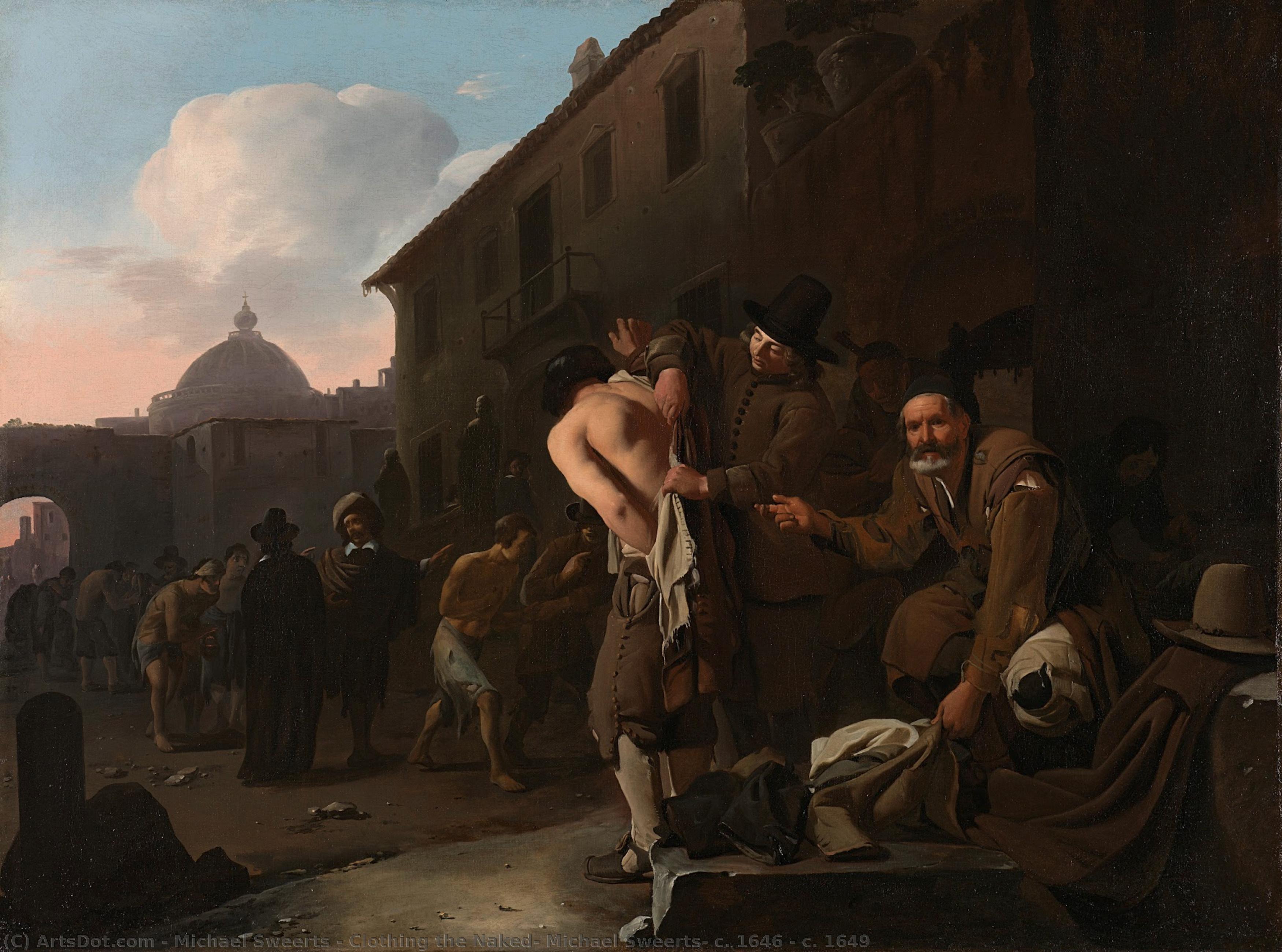
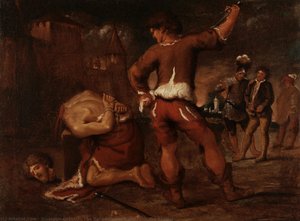
統計情報Clothing the Naked, Michael Sweerts, c. 1646 - c. 1649
 1649
1649 74.0 x 99.0 cm
 詳細を見る
詳細を見る
オンラインプレビューをはるかに凌ぐ、高解像度で鮮明なデジタル画像をご購入いただけます。
各ファイルは、社内の専門家が高度なツールと熟練した手作業によるレタッチを用いて、細心の注意を払って準備されています。すべての画像において、卓越した鮮明度、正確な色彩再現性、そして繊細なディテールを保証いたします。
最終ファイルは、プロフェッショナルな編集・印刷環境ですぐにご利用いただけるよう最適化された状態で、72時間以内にメールにてお届けいたします。これは、一流のデザインスタジオ、出版社、ギャラリーから信頼されているものと同等の品質です。
デジタルアート
個人での鑑賞、印刷、クリエイティブなプロジェクト用に、高解像度ファイルをダウンロードできます。 ( プリント版に切り替え 手描きの絵画を購入)
デジタル画像のご注文に付随する特典
高品質なデジタル画像配信を、確かな品質で。
ArtsDot.com を選ぶことは、単に画像を手に入れることではありません。それは、プロの手によって精密に仕上げられ、満足保証が付いた高品質なデジタルアートワークを受け取ることを意味します。ご注文いただいた際に自動的に付随する内容は、以下の通りです:

メールですぐにお届け
ご注文から72時間以内に、高解像度のデジタル画像ファイルがメールでお手元に届きます。すぐにそのままご利用いただけます。

AI技術で最適化されたデジタルファイル
お客様の作品は、高度なAIツールと専門家による手作業の編集を組み合わせてプロフェッショナルに最適化されており、細部のディテール、鮮明さ、そして正確な色再現性を最大限に引き出しています。

一生涯無料の再送サービス
ファイルを誤って削除したり、紛失してしまったりしましたか?ご安心ください。いつでも無料で再送いたします。

輸入手数料は一切かかりません
関税や手数料、配送料を気にすることなく、お気に入りのアートワークをすぐにお楽しみいただけます。デジタルダウンロードは常に免税です。

色彩再現の保証
プロ仕様のツールとカラーマネジメント技術を用いることで、デジタル画像が元の色を最大限に忠実に再現することを保証いたします。

100日間満足保証
ご購入いただいたデジタル画像にご満足いただけない場合は、100日以内であれば、理由を問わず修正または100%の返金対応をさせていただきます。

100% 返金保証
ご満足いただけない場合は、デジタルファイルを受け取ってから100日以内であれば、理由を問わず全額返金いたします。

まとめ買い割引
3枚購入で10%OFF - 5枚購入で15%OFF - 10枚以上購入で20%OFF。クリエイティブなプロジェクト、ギャラリー、エージェンシーに最適です。
関連作品







作家の略歴
The Enigmatic Vision of Michael Sweerts
Michael Sweerts, a name that resonates with quiet intensity in the annals of 17th-century painting, remains an artist shrouded in mystery. Born in Brussels around 1618, his life is documented sparsely, leaving much to be inferred from the compelling body of work he left behind. Unlike many of his contemporaries who enjoyed patronage and a well-trodden path through artistic circles, Sweerts appears to have deliberately cultivated a degree of isolation, choosing instead to forge an independent style deeply rooted in observation and imbued with a unique spiritual sensibility. He wasn't part of the established guilds or academies; rather, he seems to have operated on the periphery, attracting a small but devoted following who appreciated his unconventional approach. This independence allowed him to pursue his artistic vision without compromise, resulting in paintings that are both strikingly original and profoundly moving.A Life Less Ordinary: Travels and Artistic Formation
The details of Sweerts’ early training remain elusive. It is believed he initially studied under Hendrick van Balen I, a prominent painter known for his mythological and allegorical scenes. However, the influence of van Balen quickly faded as Sweerts embarked on an extraordinary series of travels that profoundly shaped his artistic development. He journeyed extensively throughout Europe – Rome being a pivotal destination where he spent considerable time between 1640 and 1650. This period was crucial in forming his distinctive style, absorbing the classical traditions of Italian Renaissance masters like Raphael and Caravaggio, but filtering them through his own intensely personal lens. He also travelled to Flanders, France, and possibly even further afield. These journeys weren’t merely about acquiring artistic skills; they were a quest for authentic experience, a desire to understand different cultures and ways of life which would later be reflected in the diverse subjects he chose to paint. His travels are documented through dated sketches and paintings depicting scenes from various locations, offering glimpses into his peripatetic existence.Themes of Humanity: Genre Scenes and Spiritual Inquiry
Sweerts’ oeuvre is remarkably focused, primarily consisting of genre scenes – depictions of everyday life, often featuring peasants engaged in simple activities like eating, drinking, or playing music. However, to categorize these paintings as mere “genre” would be a gross simplification. Sweerts elevates the mundane to the level of profound spiritual inquiry. His figures are not idealized; they are rendered with unflinching realism, their faces etched with character and dignity. He eschewed the opulent settings and dramatic narratives favored by many of his contemporaries, instead focusing on the quiet moments of human existence. His paintings often carry a subtle moralizing tone, but it’s not preachy or didactic; rather, it's an invitation to contemplate the virtues of simplicity, humility, and compassion. He frequently depicted scenes of children – playing, learning, or simply being present – imbuing them with a sense of innocence and vulnerability that is deeply affecting. These depictions are often interpreted as allegories for spiritual growth, suggesting that true wisdom can be found in the uncorrupted hearts of the young.A Unique Technique: Precision, Light, and Emotional Resonance
Sweerts’ technical mastery is evident in his meticulous attention to detail and his subtle use of light and shadow. He employed a precise, almost scientific approach to rendering form, carefully studying anatomy and perspective. However, this precision never feels cold or mechanical; it's always tempered by a deep sensitivity to the emotional life of his subjects. His palette is typically restrained, favoring earth tones and muted colors that create a sense of intimacy and realism. He was particularly adept at capturing the textures of everyday objects – rough fabrics, worn wood, simple pottery – adding another layer of authenticity to his scenes. His use of light is masterful, often illuminating specific areas of the composition to draw attention to key figures or details, while leaving others in shadow, creating a sense of mystery and depth. He wasn’t interested in flamboyant brushwork or dramatic effects; instead, he sought to create paintings that were quiet, contemplative, and deeply resonant with emotional truth.Historical Significance: A Precursor to Modernity
Despite his relative obscurity during his lifetime, Michael Sweerts is now recognized as a significant figure in the history of art. His emphasis on realism, his focus on everyday life, and his independent spirit anticipate many of the concerns of later artists, particularly those associated with the Realist movement of the 19th century.- He challenged the conventions of academic painting
- His work paved the way for a more democratic approach to subject matter
- His quiet intensity and spiritual sensibility continue to resonate with contemporary audiences.