

 プレビュー
プレビュー
 プリントを購入
 シェアする
シェアする シェアする
シェアする
 詳細を見る
詳細を見る

 ダウンロード
 似ている作品
 X線調査
X線調査 スライドショー
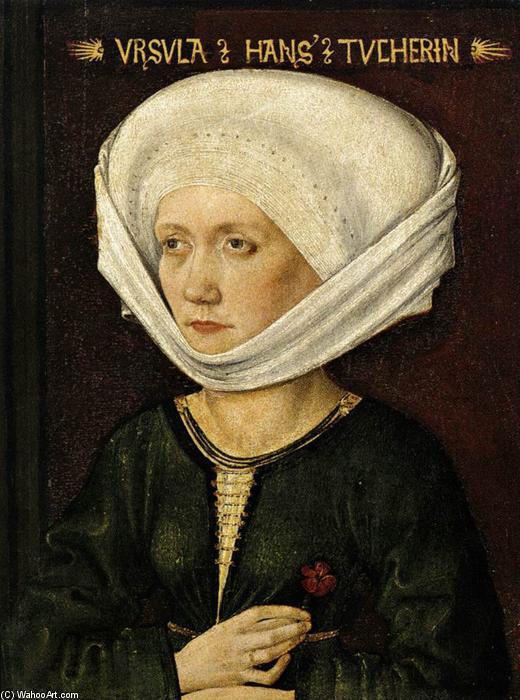
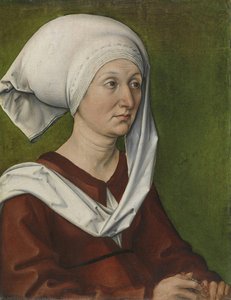
ウルスラ・トゥーチェルの肖像画


 詳細を見る
詳細を見る
オンラインプレビューをはるかに凌ぐ、高解像度で鮮明なデジタル画像をご購入いただけます。
各ファイルは、社内の専門家が高度なツールと熟練した手作業によるレタッチを用いて、細心の注意を払って準備されています。すべての画像において、卓越した鮮明度、正確な色彩再現性、そして繊細なディテールを保証いたします。
最終ファイルは、プロフェッショナルな編集・印刷環境ですぐにご利用いただけるよう最適化された状態で、72時間以内にメールにてお届けいたします。これは、一流のデザインスタジオ、出版社、ギャラリーから信頼されているものと同等の品質です。
デジタル画像のご注文に付随する特典
高品質なデジタル画像配信を、確かな品質で。
ArtsDot.com を選ぶことは、単に画像を手に入れることではありません。それは、プロの手によって精密に仕上げられ、満足保証が付いた高品質なデジタルアートワークを受け取ることを意味します。ご注文いただいた際に自動的に付随する内容は、以下の通りです:

メールですぐにお届け
ご注文から72時間以内に、高解像度のデジタル画像ファイルがメールでお手元に届きます。すぐにそのままご利用いただけます。

AI技術で最適化されたデジタルファイル
お客様の作品は、高度なAIツールと専門家による手作業の編集を組み合わせてプロフェッショナルに最適化されており、細部のディテール、鮮明さ、そして正確な色再現性を最大限に引き出しています。

一生涯無料の再送サービス
ファイルを誤って削除したり、紛失してしまったりしましたか?ご安心ください。いつでも無料で再送いたします。

輸入手数料は一切かかりません
関税や手数料、配送料を気にすることなく、お気に入りのアートワークをすぐにお楽しみいただけます。デジタルダウンロードは常に免税です。

色彩再現の保証
プロ仕様のツールとカラーマネジメント技術を用いることで、デジタル画像が元の色を最大限に忠実に再現することを保証いたします。

60日間満足保証
ご購入いただいたデジタル画像にご満足いただけない場合は、60日以内であれば、修正または100%の返金(理由を問う必要はありません)をさせていただきます。

100% 返金保証
ご満足いただけない場合は、デジタルファイルを受け取ってから60日以内であれば、理由を問わず全額返金いたします。

まとめ買い割引
3枚購入で10%OFF - 5枚購入で15%OFF - 10枚以上購入で20%OFF。クリエイティブなプロジェクト、ギャラリー、エージェンシーに最適です。
作品の詳細
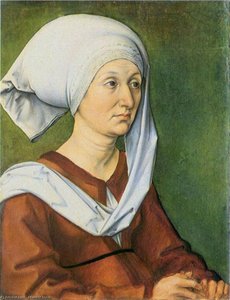
ミヒャエル・ヴォルゲムートのウルスラ・トゥーヘル絵画:北イタリア美術における尊厳と美しさの一節
ミヒャエル・ヴォルゲムートの「ウルスラ・トゥーヘル」は、1478年に制作された作品であり、北イタリア美術における人文主義精神の勃興を象徴しています。単なる貴婦人女性の描写を超え、この絵画は信仰、洗練さ、そして家族の伝統といった価値観を表現しており、当時のニュンベルク社会で豊かな商人階級が共有していた思想を反映しています。
- 主題: この肖像画はウルスラ・トゥーヘルに焦点を当てています。彼女の dignified ポーズは平静と優雅さを伝え、貴婦人女性が投影する徳と尊敬の精神という価値観を表現しています。
- スタイルと技法: ヴォルゲムートの卓越した写実性は特に衣装の襞など、テンプラよりも優れた色のグラデーションを実現できる油絵技術によって示されています。これはフランドルの絵画様式に借用された光と影の表現手法です。
- 素材と技法: リモウッドに描かれたこの作品は、肖像画で好まれる耐久性の高い木材を使用しており、テンプラよりも繊細なディテールを捉えることができます。
尊厳と美しさを象徴する要素
ヴォルゲムートは単に視覚的な描写にとどまらず、ウルスラの性格や価値観を伝えるための象徴的な要素を絵画に取り込んでいます。白い頭飾りは貴婦人女性が身につける伝統的な衣装であり、純潔と社会地位を表しており、キリスト教の信仰という価値観に合致します。また、ウルスラ胸に押し付けられた赤い花は愛と美しさの象徴であると考えられます。これは彼女の結婚生活における幸福を反映した個人的なシンボルかもしれません。
- 頭飾り: 純潔と社会地位を表し、家族の名誉という価値観を強調しています。
- 花: 愛情と活力の象徴であり、ウルスラの内面的な人生に語りかけます。
ニュンベルク美術の中心における芸術家
ヴォルゲムートの工房はニュンベルク美術の中心部に位置しており、この都市は印刷機の発明と芸術家の保護によって栄えました。彼の影響は自身の作品を超え、特にアルブレヒト・デューラーという時代の最も偉大な画家を育成しました。彼は1486年から1489年にヴォルゲムートの工房で修行を行い、ヴォルゲムートから直接指導を受けました。この工房では多くの芸術家が活躍し、豊かな芸術文化が育まれていました。
- 工房の影響: ヴォルゲムートはデューラーに師となり、両者が協力して芸術の新たな境地を開拓しました。
- 歴史的背景: この絵画のスタイルは特にフランドルの写実主義を特徴とし、北イタリア美術における感情表現と詳細な描写というトレンドを反映しています。
ヴォルゲムートの作品は単なる芸術的な技術だけでなく、人間の精神に深く響く力を持っています。「ウルスラ・トゥーヘル」は時間の一節を捉え、その主題が投影する尊厳と美しさを表現しています。彼の卓越した技法と細部へのこだわりは、この絵画が時代を超えて愛され続ける理由であり、ヴォルゲムートの芸術的才能とニュンベルク美術における革新的な精神を証明しています。
関連作品
作家の略歴
A Nuremberg Master: The Life and Legacy of Michael Wolgemut
Born around 1434 in the vibrant city of Nuremberg, Germany, Michael Wolgemut emerged as a pivotal figure in the transition from Late Gothic to Renaissance art. His name, sometimes rendered as Wohlgemuth or Wolgemuth, resonates through art history not only for his own artistic contributions but also—and perhaps more profoundly—for his role as mentor to one of the greatest masters of all time: Albrecht Dürer. Wolgemut’s journey began within a familial artistic tradition; he received his initial training from his father, Valentin Wolgemut, a painter himself. This foundation instilled in him an early appreciation for the craft and set the stage for a career that would span decades and leave an indelible mark on German art. He further honed his skills as an assistant to Hans Pleydenwurff, a prominent Nuremberg artist, gaining invaluable experience within a bustling workshop environment. A brief sojourn in Munich with Gabriel Malesskircher proved less fruitful, ending in a legal dispute, but it underscored Wolgemut’s ambition and willingness to seek opportunities beyond his native city.Workshop Leadership and Artistic Development
A turning point arrived in 1472 when Wolgemut married Pleydenwurff's widow, Barbara, inheriting not only a life partner but also the established workshop of one of Nuremberg’s leading artists. This acquisition propelled him to the forefront of the city’s artistic scene. Wilhelm Pleydenwurff, Hans’ son, joined the workshop as an assistant and later became a partner, creating a dynamic collaborative environment. Under Wolgemut's direction, the workshop flourished, becoming renowned for its diverse output—from intricately carved and painted wood retables to exquisitely detailed altar pieces. His style reveals a clear influence from Flemish masters, suggesting possible travels within Flanders (modern Belgium and surrounding areas). This is evident in his meticulous attention to detail, rich color palettes, and realistic depictions of figures and textures. He wasn’t merely replicating the Flemish aesthetic; he was adapting it, infusing it with a distinctly German sensibility that would characterize much of Northern Renaissance art.The Nuremberg Chronicle and the Rise of Woodcut
Wolgemut's legacy extends far beyond painting. He stands as a key figure in the revival of German woodcut artistry. His workshop became a prolific producer of woodcuts, often commissioned by publishers to illustrate books—a burgeoning market fueled by the recent invention of the printing press. These weren’t simply functional illustrations; they were works of art in their own right, demonstrating advancements in technique that allowed for more nuanced depictions of volume and shading. Frequently hand-colored after printing, these woodcuts brought visual narratives to a wider audience than ever before. However, his most monumental achievement remains his collaboration with Wilhelm Pleydenwurff on the illustrations for Hartmann Schedel’s *Liber Chronicarum*, published in 1493—better known as the Nuremberg Chronicle. This lavishly illustrated chronicle was a landmark publication, showcasing Wolgemut's mastery of woodcut design and meticulous planning. The project involved creating hundreds of intricate images depicting biblical scenes, historical events, and fantastical creatures, all meticulously laid out alongside Schedel’s text. The sheer scale and ambition of the Nuremberg Chronicle cemented Wolgemut’s reputation as a leading artist of his time.A Teacher's Influence: Dürer and Beyond
Perhaps Michael Wolgemut’s most enduring legacy lies in his role as teacher to Albrecht Dürer, arguably Germany’s greatest artist. Dürer apprenticed with Wolgemut between 1486 and 1489, receiving a comprehensive artistic education that laid the foundation for his own groundbreaking career. While Dürer ultimately surpassed his mentor in fame and innovation, he consistently acknowledged Wolgemut's influence throughout his life. He learned not only technical skills—drawing, painting, woodcut techniques—but also the importance of meticulous observation, careful composition, and a dedication to craftsmanship. Wolgemut instilled in Dürer a deep appreciation for both artistic tradition and innovative experimentation. Beyond Dürer, Wolgemut’s workshop trained numerous other artists, contributing significantly to the flourishing artistic landscape of Nuremberg and beyond. His contribution to German art isn't solely defined by his individual works but also by the vibrant artistic ecosystem he fostered.Lasting Significance
Michael Wolgemut died in 1519, leaving behind a rich artistic legacy that continues to resonate today. Major works such as the Retable of the High Altar at Zwickau (1479), the Great Retable for the Church of the Augustinian Friars in Nuremberg, and the Town Hall Decorations at Goslar demonstrate his versatility and skill. His portraits, known for their realistic depictions and meticulous detail—examples are held by institutions like the Royal Institution in Liverpool—reveal a keen eye for character and individuality. Wolgemut’s influence extended beyond his direct students; his innovative approach to woodcut design helped shape the development of German art in the late 15th century, impacting book production and artistic dissemination during the Renaissance. He successfully blended Flemish influences with local traditions, creating a unique style that paved the way for future generations of artists. He remains a vital link between the Late Gothic period and the burgeoning Renaissance, a testament to his enduring contribution to art history.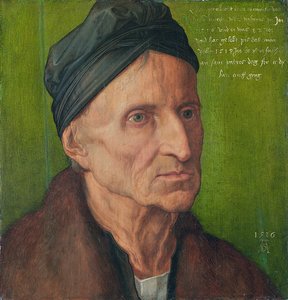
Michael Wolgemut
1434 - 1519 , Germany
プロフィール概要
- Artistic Movement Or Style: Late Gothic, Renaissance
- Artists Or Movements Influenced By This Artist: ['Albrecht Dürer']
- Artists Who Influenced This Artist: ['Flemish masters']
- Date Of Birth: 1434
- Date Of Death: 1519
- Full Name: Michael Wolgemut
- Nationality: German
- Notable Artworks:
- Zwickau High Altar
- Nuremberg Chronicle
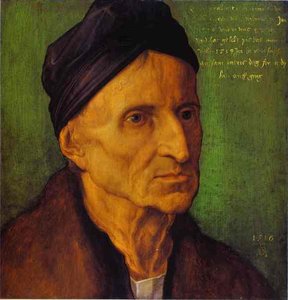
- Memminger Portrait
- Place Of Birth: Nuremberg, Germany

