

 プレビュー
プレビュー
 プリントを購入
 シェアする
シェアする シェアする
シェアする
 詳細を見る
詳細を見る

 ダウンロード
 似ている作品
 X線調査
X線調査 スライドショー
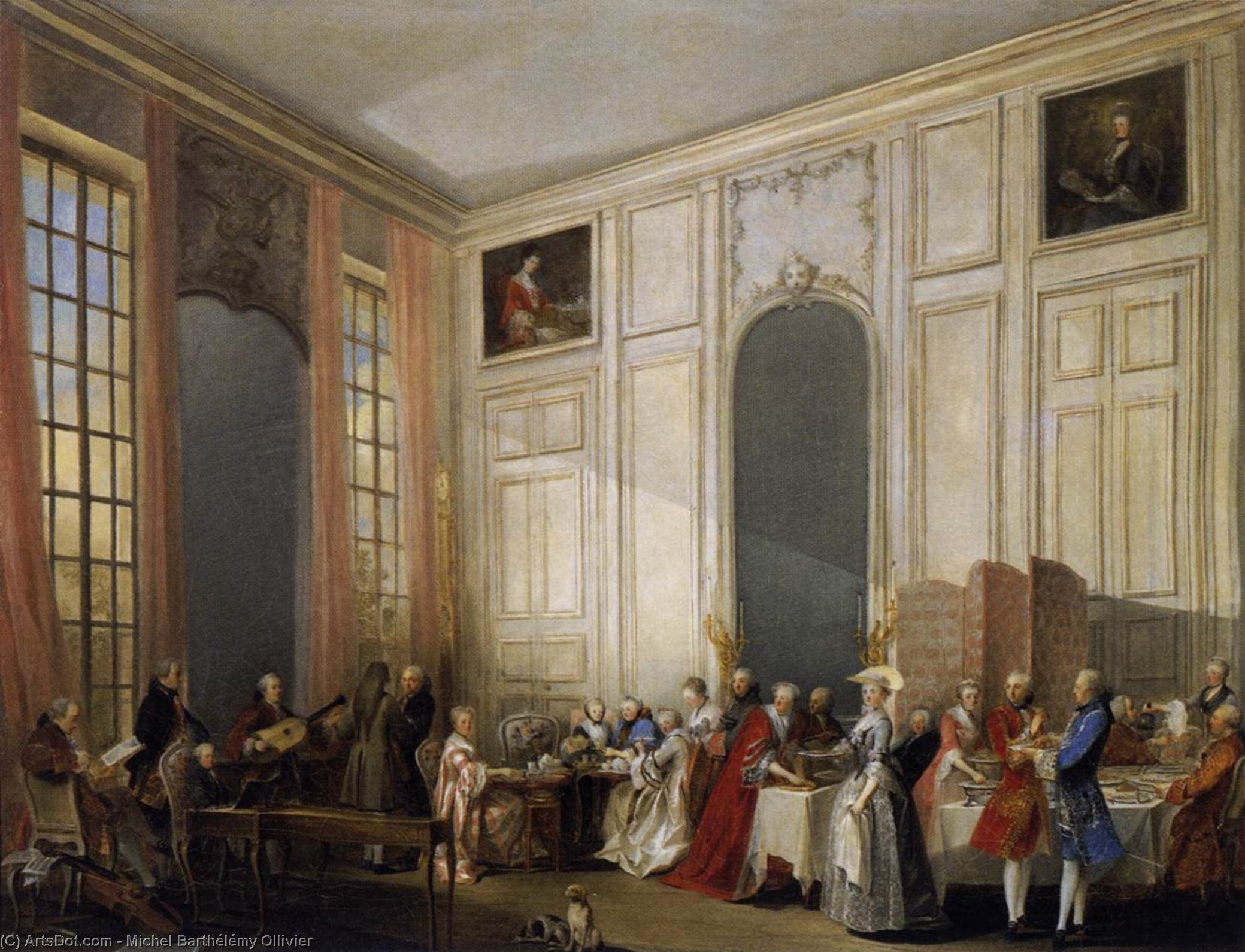
Afternoon Tea at the Temple
 Oil On Canvas
- WallArt
- Rococo
 1766
1766- Early Modern
 53.0 x 68.0 cm
 ヴェルサイユ国立宮殿美術館
 詳細を見る
詳細を見る
オンラインプレビューをはるかに凌ぐ、高解像度で鮮明なデジタル画像をご購入いただけます。
各ファイルは、社内の専門家が高度なツールと熟練した手作業によるレタッチを用いて、細心の注意を払って準備されています。すべての画像において、卓越した鮮明度、正確な色彩再現性、そして繊細なディテールを保証いたします。
最終ファイルは、プロフェッショナルな編集・印刷環境ですぐにご利用いただけるよう最適化された状態で、72時間以内にメールにてお届けいたします。これは、一流のデザインスタジオ、出版社、ギャラリーから信頼されているものと同等の品質です。
デジタル画像のご注文に付随する特典
高品質なデジタル画像配信を、確かな品質で。
ArtsDot.com を選ぶことは、単に画像を手に入れることではありません。それは、プロの手によって精密に仕上げられ、満足保証が付いた高品質なデジタルアートワークを受け取ることを意味します。ご注文いただいた際に自動的に付随する内容は、以下の通りです:

メールですぐにお届け
ご注文から72時間以内に、高解像度のデジタル画像ファイルがメールでお手元に届きます。すぐにそのままご利用いただけます。

AI技術で最適化されたデジタルファイル
お客様の作品は、高度なAIツールと専門家による手作業の編集を組み合わせてプロフェッショナルに最適化されており、細部のディテール、鮮明さ、そして正確な色再現性を最大限に引き出しています。

一生涯無料の再送サービス
ファイルを誤って削除したり、紛失してしまったりしましたか?ご安心ください。いつでも無料で再送いたします。

輸入手数料は一切かかりません
関税や手数料、配送料を気にすることなく、お気に入りのアートワークをすぐにお楽しみいただけます。デジタルダウンロードは常に免税です。

色彩再現の保証
プロ仕様のツールとカラーマネジメント技術を用いることで、デジタル画像が元の色を最大限に忠実に再現することを保証いたします。

60日間満足保証
ご購入いただいたデジタル画像にご満足いただけない場合は、60日以内であれば、修正または100%の返金(理由を問う必要はありません)をさせていただきます。

100% 返金保証
ご満足いただけない場合は、デジタルファイルを受け取ってから60日以内であれば、理由を問わず全額返金いたします。

まとめ買い割引
3枚購入で10%OFF - 5枚購入で15%OFF - 10枚以上購入で20%OFF。クリエイティブなプロジェクト、ギャラリー、エージェンシーに最適です。
A Glimpse into Rococo Leisure: Afternoon Tea at the Temple
To gaze upon this scene is to be instantly transported to an era of exquisite refinement and languid pleasure. Afternoon Tea at the Temple captures more than just a gathering; it encapsulates the very spirit of late eighteenth-century aristocratic life—a moment suspended between polite society and genuine, unburdened enjoyment. The composition unfolds with an effortless grace characteristic of the Rococo period, inviting the viewer to settle into the plush surroundings and partake in the gentle murmur of conversation.
The scene is richly populated, a tableau vivant where every figure seems caught mid-gesture. Dressed in the fashionable finery of the time, some sporting crisp ties that speak of gentlemanly leisure, they are gathered around a substantial dining table. The inclusion of domestic companions—a placid dog resting near a chair and an observant cat positioned to the right—adds a layer of intimate realism, grounding the high society drama with touches of everyday life.
The Allure of Rococo Technique and Setting
Michel Barthélémy Ollivier masterfully employs the techniques that defined the Rococo movement. The light itself feels like an element within the painting; streaming in through a large, unseen window, it bathes the formal dining area in a natural luminescence. This handling of light is crucial, lending an airy quality to the oil on canvas that prevents the gathering from feeling stuffy or overly dramatic. Ollivier’s skill lies in rendering textures—the sheen of silk gowns, the polished wood of the furniture, and the soft fur of the pets—with remarkable verisimilitude.
The overall atmosphere is one of cultivated ease. The setting suggests a private, elegant space within or adjacent to a temple structure, lending an air of cultured contemplation to the social ritual. It speaks to a time when leisure itself was considered a high art form, worthy of meticulous depiction by masters like Ollivier.
Historical Echoes and Social Symbolism
Painted in 1766, this work sits at the zenith of Rococo sensibility, a period marked by a move away from the weighty grandeur of Baroque formality toward intimacy, playfulness, and natural beauty. The afternoon tea itself functions as a potent symbol—it represents the structured yet seemingly spontaneous pleasures of the upper class. It is a visual narrative about connection, status, and the performance of refined taste. For the collector or designer, this piece offers an immediate conduit to that historical sensibility, suggesting an interior steeped in cultivated charm.
The inclusion of nature—the light, the implied garden outside the window, and the animals within—serves as a gentle counterpoint to the formality of the gathering. It suggests that even amidst the most structured social engagements, there remains room for the organic and the delightful.
Bringing Salon Elegance Home
For those seeking to infuse a space with the romance and sophistication of an ancien régime salon, this reproduction offers unparalleled depth. The size, measuring approximately 53 x 68 cm, makes it a perfect focal point for a drawing-room or dining area mantelpiece. Owning this piece is not merely acquiring art; it is curating an atmosphere—a perpetual afternoon where the clinking of teacups and soft conversation seem just moments away from beginning.
It invites contemplation on the passage of time, beautifully capturing a moment that feels both historically distant and intimately present. It is a testament to Ollivier’s ability to imbue domesticity with the grandeur of high art.
関連作品


作家の略歴
Michel Barthélémy Ollivier: A Master of Rococo Idyllic Landscapes
Michel Barthélémy Ollivier (August 24, 1712 – June 15, 1784) stands as a significant figure in French Rococo art, particularly renowned for his captivating depictions of serene landscapes interwoven with aristocratic scenes. Born in Marseille, Ollivier’s artistic lineage traced back to a family deeply rooted in painting traditions—a legacy that profoundly shaped his own creative trajectory. He honed his skills at the Académie de Saint-Luc and under the tutelage of Charles-André van Loo, absorbing the stylistic nuances of the era's leading artists.- Early Life & Training: Ollivier’s formative years were marked by exposure to artistic excellence. His father, Louis Ollivier, was himself a painter, establishing a familial connection to the visual arts that instilled in Michel a passion for observation and representation. Studying alongside van Loo ensured he grasped the principles of Baroque French Art and Classical French Art.
- Madrid Years & Artistic Influences: Ollivier’s journey took him to Madrid during Louis-Michel van Loo's tenure as court painter to King Philip V, where he absorbed influences from Spanish artistic conventions. This experience broadened his perspective and enriched his stylistic repertoire.
Notable Works & Artistic Style
Ollivier’s oeuvre comprises approximately five artworks that exemplify the hallmarks of Rococo painting—characterized by delicate brushstrokes, pastel hues, asymmetrical compositions, and an emphasis on idealized beauty. His landscapes frequently feature tranquil waterscapes populated by shepherds and nymphs, reflecting a fascination with pastoral themes prevalent in the period. Simultaneously, he skillfully rendered aristocratic interiors adorned with opulent furnishings and portraits conveying elegance and refinement.- “Afternoon Tea at the Temple” (1766): This celebrated piece showcases Ollivier’s mastery of capturing atmospheric subtleties—particularly light—within a meticulously crafted scene depicting an aristocratic gathering amidst lush greenery.
Recognition & Legacy
Ollivier’s work gained recognition throughout Europe, notably displayed at the Royal Academy of London in 1772. His paintings reside in prestigious institutions such as the Musée des beaux-arts de Bordeaux and the Louvre, ensuring his artistic legacy continues to inspire admiration and scholarly study. Michel Barthelemy Ollivier's contribution to French Rococo painting remains invaluable—a testament to his dedication to capturing the sublime beauty of nature and portraying aristocratic life with unparalleled grace.Further Exploration
For more detailed information about Michel Barthélémy Ollivier’s artistic achievements, visit WikiArt: WikiArt.org. You can also delve into his biographical details on Wikipedia: Wikipedia.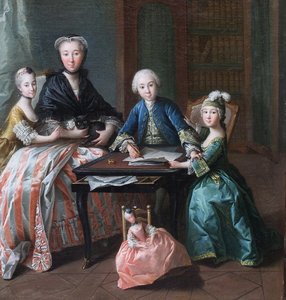
michel barthélémy ollivier
1712 - 1784 , France
プロフィール概要
- Artistic Movement Or Style: Rococo
- Artists Or Movements Influenced By This Artist: ['Baroque French Art']
- Artists Who Influenced This Artist: ['Charles André van Loo']
- Date Of Birth: 1712 Marseille France
- Date Of Death: 1784 Paris France
- Full Name: Michel Barthélémy Ollivier
- Nationality: French
- Notable Artworks: ['Afternoon Tea at the Temple']
- Place Of Birth: Marseille France

