

 プレビュー
プレビュー
 プリントを購入
 シェアする
シェアする シェアする
シェアする
 詳細を見る
詳細を見る

 ダウンロード
 似ている作品
 X線調査
X線調査 スライドショー
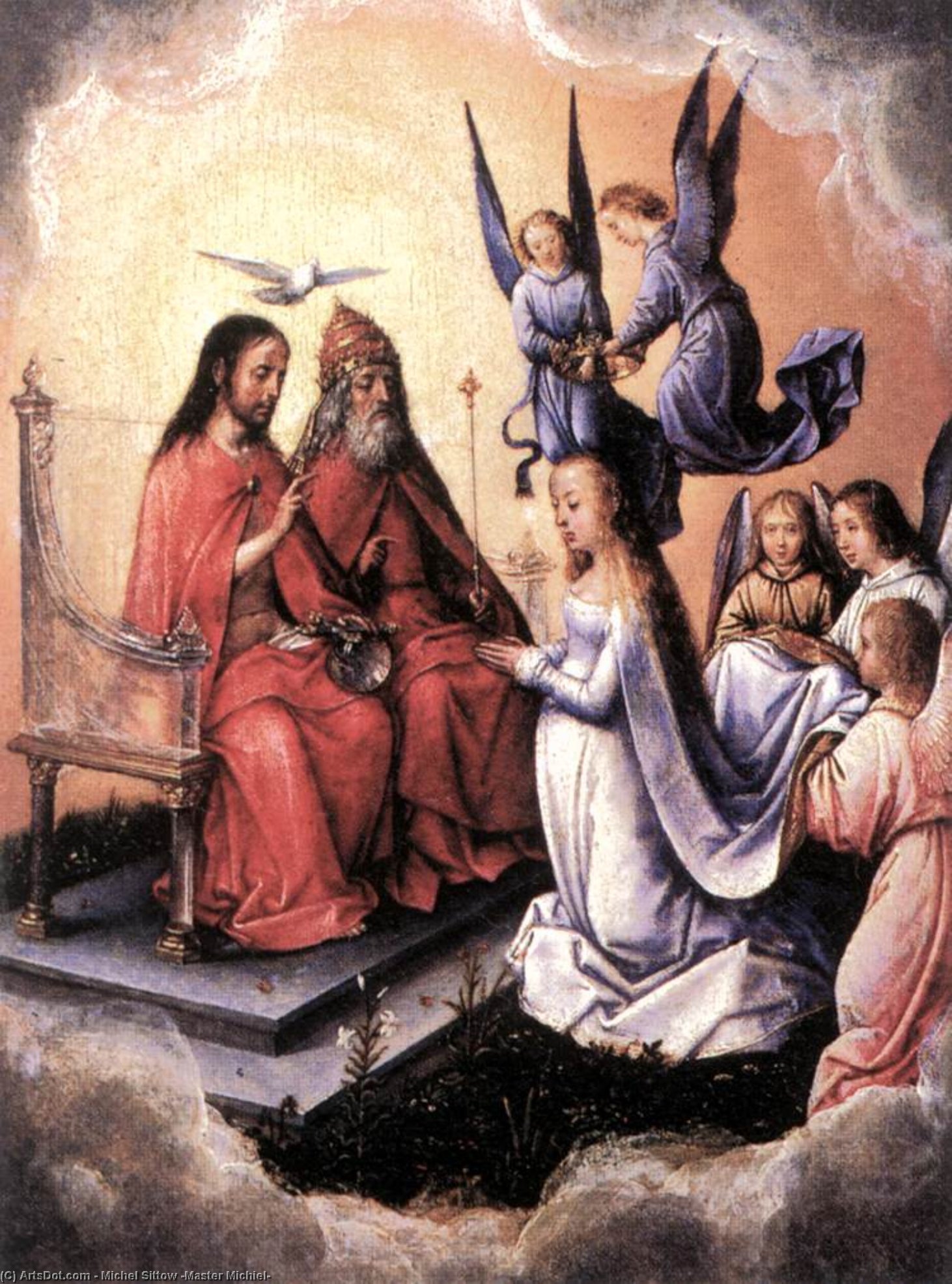
Coronation of the Virgin
 Oil On Panel
- Early Netherlandish
 1496
1496 24.0 x 18.0 cm
 ルーブル美術館
 詳細を見る
詳細を見る




P118B $10

P118H $10

P118W $10

P438Z $10

P508JH $12

P508YH $12

P805H $10

P805Z $10

P919BZ $10

P919G $10

P919XJ $10

P959ZH $10

P968JZ $12

W106C $8

W218G $10

W218JH $8

W218Y $10

W307PJ $10

W316G $10

W316PJ $8

W316Y $10

W398PJ $8

W4111J $10

W500HY $15

W500JH $15

W692G $12

W849H $8

W940BG $15

W953PJ $8




作品のオリジナル比率に合わせた、当店の規定サイズからお選びください。

特定のフレームやスペースに合わせて、ご希望のサイズをご入力いただけます。選択されたサイズが元の画像の比率と異なる場合、アートワークをトリミングするか、手描きで要素を追加して絵画を拡張いたします。デジタルモックアップ を制作し、制作開始前にご確認(承認)をいただきます。
画面上のプレビューは、実際のトリミングや拡張を正確に反映しているものではありません。最終的な構図は、モックアップによってのみ正確にご確認いただけます。
カスタムサイズもご利用いただけますが、元の比率を維持するためには、あらかじめ用意されたリストからサイズを選択することをお勧めいたします。
ご注文後、ArtsDot.com チームより詳細な指示をお送りするとともに、仕上がりイメージ(モックアップ)をご提供いたします。


 ガラスオプションは、110cm未満のサイズでのみご利用いただけます。

Coronation of the Virgin
複製技法
複製画のサイズ
-


合計金額
$ 363
作品解説
Michel Sittow’s ‘Coronation of the Virgin’: A Masterpiece of Northern Renaissance Faith
The Coronation of the Virgin by Michel Sittow (1496) stands as an emblem of Early Netherlandish art—a testament to meticulous detail, profound psychological insight, and unwavering devotion. Housed in the Musée du Louvre, Paris, this oil on panel painting transcends mere representation; it embodies a spiritual narrative meticulously crafted with unparalleled artistic skill. As a professional expert at https://ArtsDot.com/, I can attest that Sittow’s work captures the essence of his era—a period marked by humanist thought intertwined with deep religious conviction.Composition and Style: Hierarchy and Harmony
Sittow's compositional genius is immediately apparent. The painting employs a hierarchical arrangement, placing Jesus Christ centrally on a throne-like structure – a deliberate gesture signifying divine authority. Surrounding him are angels, positioned in a triangular formation that lends stability and balance to the scene. This careful structuring isn’t merely aesthetic; it reflects theological principles prevalent during the Renaissance—a desire to convey order and grandeur within God's realm. The artist skillfully utilizes linear perspective, albeit subtly shallow, prioritizing clarity of form over illusionistic depth. Lines dominate drapery folds and facial features, creating a sense of precision and control that characterizes Northern Renaissance painting.Color Palette and Technique: Venetian Influence
The color palette is dominated by deep reds—particularly Venetian carmine—and golds, conveying richness and solemnity. These hues are juxtaposed with muted blues and greens, establishing atmospheric perspective and enhancing the overall mood. Sittow’s technique exemplifies the mastery of oil paint on panel—a medium known for its luminosity and ability to capture nuanced textures. The artist meticulously modeled forms using glazing techniques, achieving remarkable realism in depicting fabrics, skin tones, and angelic robes. Notably, Sittow consulted with Juan de Flandes regarding color choices, reflecting the artistic dialogues of the time.Historical Context: Isabella’s Court and Renaissance Spirituality
Created during Isabella I of Castile's reign—a pivotal moment in European history—the Coronation of the Virgin reflects the broader spiritual landscape of the Renaissance. Isabella commissioned a series of paintings to adorn her royal chapel, fostering an environment conducive to artistic innovation and theological contemplation. Sittow’s work aligns with the humanist ideals championed by Erasmus and Pico della Mirandola, emphasizing human dignity and intellectual curiosity alongside religious piety. The painting served as part of a larger polyptych—a devotional ensemble intended to inspire reverence and illuminate biblical narratives.Symbolism: Divine Grace and Humility
The Coronation itself symbolizes divine grace—the bestowal of holiness upon Mary—representing the Virgin’s acceptance of God's divine plan. Jesus Christ, positioned above Mary, embodies compassion and humility, mirroring Christian virtues. The dove signifies the Holy Spirit—God’s presence illuminating the sacred event. These symbols resonate deeply within Christian tradition, conveying a profound message about faith, redemption, and spiritual aspiration. Sittow’s meticulous attention to detail ensures that every element contributes to this overarching narrative of divine majesty and human piety.Emotional Impact: Reverence and Tranquility
Ultimately, ‘The Coronation of the Virgin’ evokes a palpable sense of reverence and tranquility—a feeling fostered by its harmonious composition, luminous colors, and masterful technique. Viewing this artwork inspires contemplation on themes of faith, grace, and divine love—capturing the spirit of Renaissance spirituality with enduring beauty and artistic excellence. Explore more hand-made oil paintings reproductions at https://ArtsDot.com/.関連作品
![Scrovegni - [25] - Raising Of Lazarus — ジョット, Proto-renaissance](/media/artworks/images-thumb/37/44/3744767361485ca6233b9968ccf28710.jpg)
アーティストの略歴
The Master of Meticulous Detail: The Life of Michel Sittow
In the grand tapestry of the Northern Renaissance, few threads are as finely woven as those left by Michel Sittow, a painter whose brush captured not only the physical likeness of royalty but the very essence of the human soul. Known variously as Master Michiel or Michael Sittow, this master of the Early Netherlandish tradition emerged from the Baltic shores of Reval—modern-day Tallinn, Estonia—to become one of the most sought-after portraitists in the courts of Europe. His life was a journey of movement and prestige, spanning from the merchant hubs of the North to the sun-drenched palaces of Spain, leaving behind a legacy defined by an almost supernatural precision and a profound psychological depth.
Born around 1469 into a family of skilled artisans, Sittow’s early years were steeped in the traditions of craftsmanship. His father, Clawes Sittow, was a painter and woodcarver, providing the young artist with a foundational understanding of form and material. However, it was his move to the vibrant, cosmopolitan center of Bruges around 1484 that would irrevocably alter the course of his career. It was here, in the heart of Flemish excellence, that he entered the studio of the legendary Hans Memling. Under Memling’s tutelage, Sittow mastered the delicate art of oil painting, learning to manipulate light and pigment to create textures so lifories they seemed to breathe upon the panel.
A Courtly Legacy and the Art of Portraiture
As his reputation grew, Sittow’s talent transcended regional boundaries, drawing him into the intimate circles of the most powerful dynasties of the age. His career was uniquely defined by his service to Isabella of Castile and her Habsburg relatives. As a court portraitist, he was tasked with more than mere documentation; he was an architect of image, crafting portraits that conveyed the dignity, piety, and authority of his subjects. This period of his life saw him navigating the complex political landscapes of Spain and the Netherlands, often working alongside other luminaries like Juan de Flandes.
The hallmark of a Sittow masterpiece lies in its quiet intensity. Unlike the grand, sweeping gestures found in some Italian Renaissance works, Sittow’s approach was one of restrained elegance and microscopic observation. His ability to render the subtle sheen of silk, the cold glint of jewelry, and the soft translucency of skin became his signature. In his hands, a portrait was not just a likeness but a window into the sitter's inner world, characterized by:
- Psychological Insight: A profound ability to capture a sense of introspection and quiet dignity in his subjects.
- Luminous Realism: The use of thin, translucent glazes to create a depth of color and light that defines the Netherlandish style.
- Meticulous Detail: An unwavering commitment to the minute textures of the physical world, from lace to velvet.
Devotional Depth and Enduring Significance
While his portraits secured his place in history, Sittow’s devotional works reveal a different facet of his artistry—one of deep spiritual resonance. In pieces such as The Virgin and Child or his poignant Pietà, the artist moved away from the courtly splendor of his royal commissions to explore themes of tenderness, sorrow, and divine grace. These works demonstrate his mastery of the emotional landscape, using the same precision applied to royal jewels to instead capture the weight of grief or the softness of maternal love.
The historical significance of Michel Sittow lies in his role as a bridge between the late Gothic traditions of his youth and the burgeoning humanism of the Renaissance. He carried the meticulous techniques of the Flemish masters into the heart of the Spanish court, influencing the development of portraiture in the Iberian Peninsula for generations. Though he passed away in the early 16th century, his ability to freeze a moment of profound humanity within a frame of exquisite beauty ensures that his name remains etched in the annals of art history, inviting every viewer to look closer and feel more deeply.
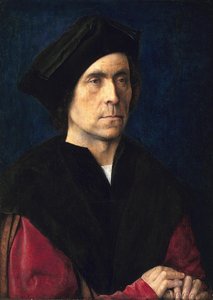
michel sittow (master michiel)
1468 - 1525 , Estonia
基本情報
- Artistic Movement Or Style: Early Netherlandish Painting
- Artists Or Movements Influenced By This Artist: ['Juan de Flandes']
- Artists Who Influenced This Artist: ['Hans Memling']
- Date Of Birth: c. 1469
- Date Of Death: December 1525
- Full Name: Michael Sittow
- Nationality: German-Scandinavian
- Notable Artworks:
- Virgin and Child
- Portrait of a Man
- Place Of Birth: Tallinn, Estonia
関連記事

The Enduring Legacy of Oil on Canvas: Technique, History & Aesthetic Impact
Explore the rich history & techniques of oil painting – from Renaissance masters to Impressionism. Discover pigments, layering methods, and why this timeless medium endures. Expert insights for artists & art enthusiasts.

Oil on Canvas: A Historical & Technical Exploration of a Timeless Artistic Medium
Explore the rich history & enduring techniques of oil painting on canvas. Discover the science behind its longevity, conservation practices, and contemporary relevance. Expert insights for art enthusiasts.

The Enduring Power of Painting: A Historical & Contemporary Exploration of Form and Emotion
Explore the rich history & enduring techniques of oil painting with ArtsDot. Discover masterpieces, learn about art collecting, and find authentic handmade reproductions crafted by skilled artists.

油彩のキャンバス:技法、歴史、そして現代の実践 - 古典美術愛好家へ
油彩の技法、歴史、巨匠たちの秘密を徹底解説。古典美術愛好家向けに、初期フランドル絵画から現代の実践まで深く掘り下げます。ArtsDotで高品質な複製画やカスタムオーダーも承ります。
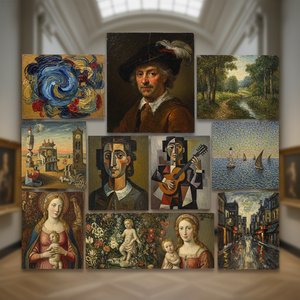
Oil on Board Masters: 10 Paintings That Redefined Art | ArtsDot
Explore 10 legendary 'Oil on Board' masterpieces by Van Gogh, Monet & more! Discover art history, iconic styles like Impressionism, and find museum-quality reproductions to elevate your home decor. Explore the full collection online at ArtsDot.com.

