

 プレビュー
プレビュー
 プリントを購入
 シェアする
シェアする シェアする
シェアする
 詳細を見る
詳細を見る

 ダウンロード
 似ている作品
 X線調査
X線調査 スライドショー
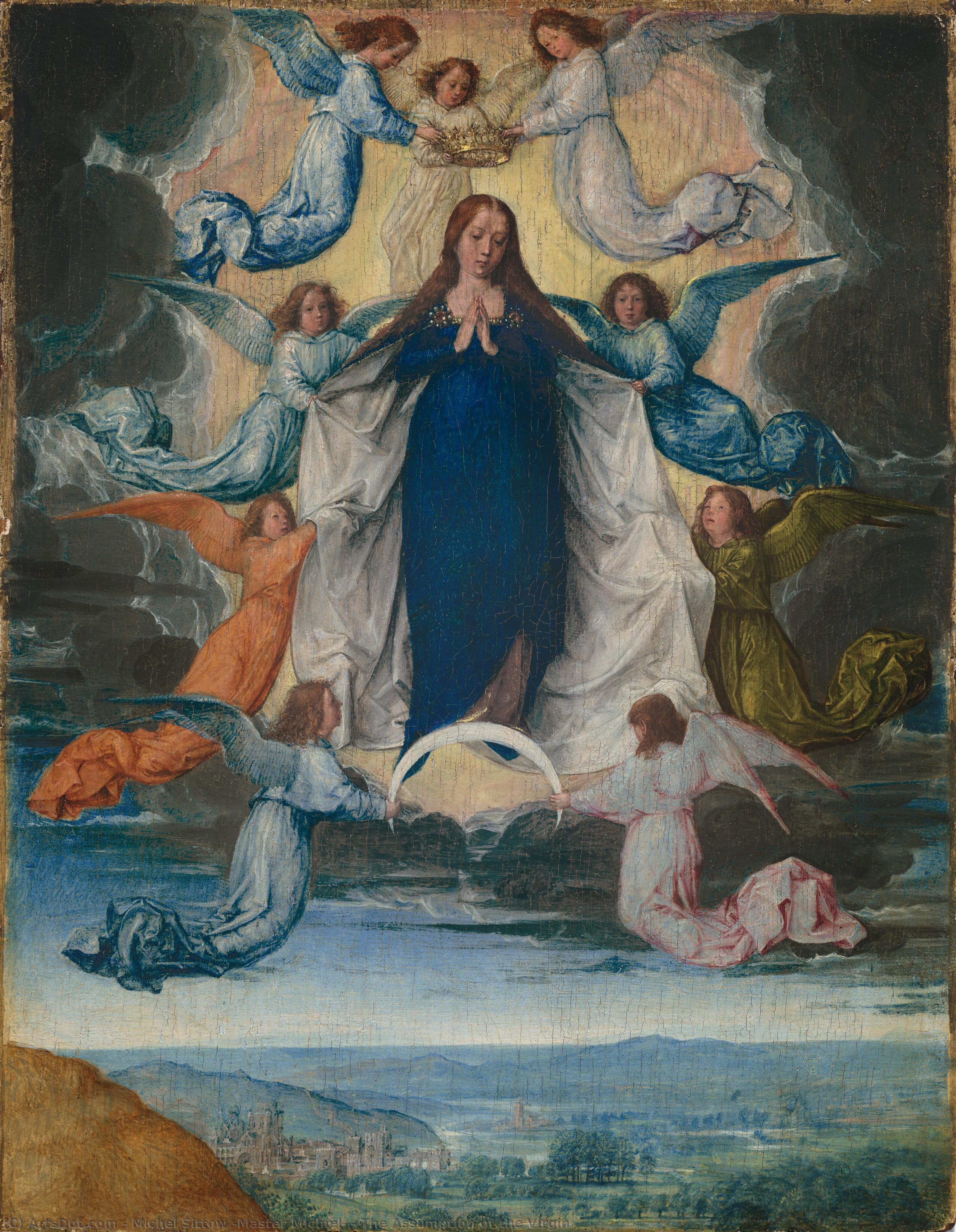
The Assumption of the Virgin
 1500
1500 21.0 x 16.0 cm
 詳細を見る
詳細を見る
オンラインプレビューをはるかに凌ぐ、高解像度で鮮明なデジタル画像をご購入いただけます。
各ファイルは、社内の専門家が高度なツールと熟練した手作業によるレタッチを用いて、細心の注意を払って準備されています。すべての画像において、卓越した鮮明度、正確な色彩再現性、そして繊細なディテールを保証いたします。
最終ファイルは、プロフェッショナルな編集・印刷環境ですぐにご利用いただけるよう最適化された状態で、72時間以内にメールにてお届けいたします。これは、一流のデザインスタジオ、出版社、ギャラリーから信頼されているものと同等の品質です。
デジタル画像のご注文に付随する特典
高品質なデジタル画像配信を、確かな品質で。
ArtsDot.com を選ぶことは、単に画像を手に入れることではありません。それは、プロの手によって精密に仕上げられ、満足保証が付いた高品質なデジタルアートワークを受け取ることを意味します。ご注文いただいた際に自動的に付随する内容は、以下の通りです:

メールですぐにお届け
ご注文から72時間以内に、高解像度のデジタル画像ファイルがメールでお手元に届きます。すぐにそのままご利用いただけます。

AI技術で最適化されたデジタルファイル
お客様の作品は、高度なAIツールと専門家による手作業の編集を組み合わせてプロフェッショナルに最適化されており、細部のディテール、鮮明さ、そして正確な色再現性を最大限に引き出しています。

一生涯無料の再送サービス
ファイルを誤って削除したり、紛失してしまったりしましたか?ご安心ください。いつでも無料で再送いたします。

輸入手数料は一切かかりません
関税や手数料、配送料を気にすることなく、お気に入りのアートワークをすぐにお楽しみいただけます。デジタルダウンロードは常に免税です。

色彩再現の保証
プロ仕様のツールとカラーマネジメント技術を用いることで、デジタル画像が元の色を最大限に忠実に再現することを保証いたします。

60日間満足保証
ご購入いただいたデジタル画像にご満足いただけない場合は、60日以内であれば、修正または100%の返金(理由を問う必要はありません)をさせていただきます。

100% 返金保証
ご満足いただけない場合は、デジタルファイルを受け取ってから60日以内であれば、理由を問わず全額返金いたします。

まとめ買い割引
3枚購入で10%OFF - 5枚購入で15%OFF - 10枚以上購入で20%OFF。クリエイティブなプロジェクト、ギャラリー、エージェンシーに最適です。
作品の詳細
関連作品







作家の略歴
The Master of Meticulous Detail: The Life of Michel Sittow
In the grand tapestry of the Northern Renaissance, few threads are as finely woven as those left by Michel Sittow, a painter whose brush captured not only the physical likeness of royalty but the very essence of the human soul. Known variously as Master Michiel or Michael Sittow, this master of the Early Netherlandish tradition emerged from the Baltic shores of Reval—modern-day Tallinn, Estonia—to become one of the most sought-after portraitists in the courts of Europe. His life was a journey of movement and prestige, spanning from the merchant hubs of the North to the sun-drenched palaces of Spain, leaving behind a legacy defined by an almost supernatural precision and a profound psychological depth.
Born around 1469 into a family of skilled artisans, Sittow’s early years were steeped in the traditions of craftsmanship. His father, Clawes Sittow, was a painter and woodcarver, providing the young artist with a foundational understanding of form and material. However, it was his move to the vibrant, cosmopolitan center of Bruges around 1484 that would irrevocably alter the course of his career. It was here, in the heart of Flemish excellence, that he entered the studio of the legendary Hans Memling. Under Memling’s tutelage, Sittow mastered the delicate art of oil painting, learning to manipulate light and pigment to create textures so lifories they seemed to breathe upon the panel.
A Courtly Legacy and the Art of Portraiture
As his reputation grew, Sittow’s talent transcended regional boundaries, drawing him into the intimate circles of the most powerful dynasties of the age. His career was uniquely defined by his service to Isabella of Castile and her Habsburg relatives. As a court portraitist, he was tasked with more than mere documentation; he was an architect of image, crafting portraits that conveyed the dignity, piety, and authority of his subjects. This period of his life saw him navigating the complex political landscapes of Spain and the Netherlands, often working alongside other luminaries like Juan de Flandes.
The hallmark of a Sittow masterpiece lies in its quiet intensity. Unlike the grand, sweeping gestures found in some Italian Renaissance works, Sittow’s approach was one of restrained elegance and microscopic observation. His ability to render the subtle sheen of silk, the cold glint of jewelry, and the soft translucency of skin became his signature. In his hands, a portrait was not just a likeness but a window into the sitter's inner world, characterized by:
- Psychological Insight: A profound ability to capture a sense of introspection and quiet dignity in his subjects.
- Luminous Realism: The use of thin, translucent glazes to create a depth of color and light that defines the Netherlandish style.
- Meticulous Detail: An unwavering commitment to the minute textures of the physical world, from lace to velvet.
Devotional Depth and Enduring Significance
While his portraits secured his place in history, Sittow’s devotional works reveal a different facet of his artistry—one of deep spiritual resonance. In pieces such as The Virgin and Child or his poignant Pietà, the artist moved away from the courtly splendor of his royal commissions to explore themes of tenderness, sorrow, and divine grace. These works demonstrate his mastery of the emotional landscape, using the same precision applied to royal jewels to instead capture the weight of grief or the softness of maternal love.
The historical significance of Michel Sittow lies in his role as a bridge between the late Gothic traditions of his youth and the burgeoning humanism of the Renaissance. He carried the meticulous techniques of the Flemish masters into the heart of the Spanish court, influencing the development of portraiture in the Iberian Peninsula for generations. Though he passed away in the early 16th century, his ability to freeze a moment of profound humanity within a frame of exquisite beauty ensures that his name remains etched in the annals of art history, inviting every viewer to look closer and feel more deeply.
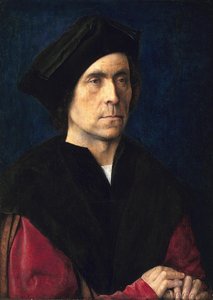
michel sittow (master michiel)
1468 - 1525 , Estonia
プロフィール概要
- Artistic Movement Or Style: Early Netherlandish Painting
- Artists Or Movements Influenced By This Artist: ['Juan de Flandes']
- Artists Who Influenced This Artist: ['Hans Memling']
- Date Of Birth: c. 1469
- Date Of Death: December 1525
- Full Name: Michael Sittow
- Nationality: German-Scandinavian
- Notable Artworks:
- Virgin and Child
- Portrait of a Man
- Place Of Birth: Tallinn, Estonia

