 プレビュー
プレビュー
 プリントを購入
 シェアする
シェアする シェアする
シェアする
 詳細を見る
詳細を見る

 ダウンロード
 似ている作品
 X線調査
X線調査 スライドショー
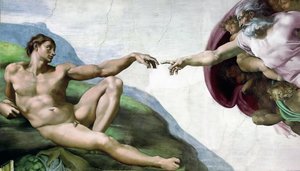
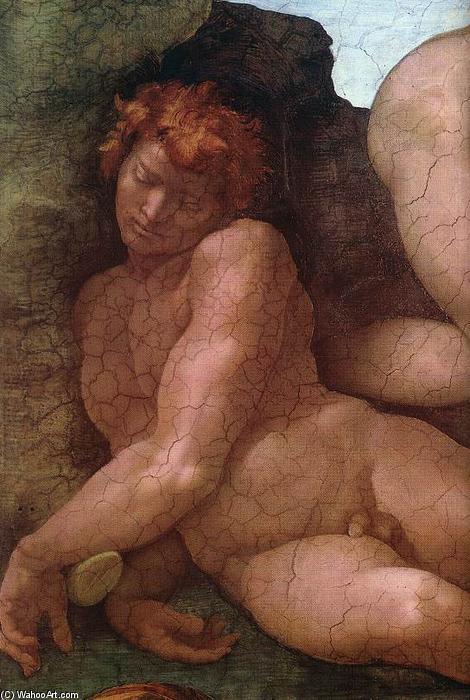
Creation of Eve (detail)


 詳細を見る
詳細を見る




P118B $10

P118H $10

P118W $10

P438Z $10

P508JH $12

P508YH $12

P805H $10

P805Z $10

P919BZ $10

P919G $10

P919XJ $10

P959ZH $10

P968JZ $12

W106C $8

W218G $10

W218JH $8

W218Y $10

W307PJ $10

W316G $10

W316PJ $8

W316Y $10

W398PJ $8

W4111J $10

W500HY $15

W500JH $15

W692G $12

W849H $8

W940BG $15

W953PJ $8




作品のオリジナル比率に合わせた、当店の規定サイズからお選びください。

特定のフレームやスペースに合わせて、ご希望のサイズをご入力いただけます。選択されたサイズが元の画像の比率と異なる場合、アートワークをトリミングするか、手描きで要素を追加して絵画を拡張いたします。デジタルモックアップ を制作し、制作開始前にご確認(承認)をいただきます。
画面上のプレビューは、実際のトリミングや拡張を正確に反映しているものではありません。最終的な構図は、モックアップによってのみ正確にご確認いただけます。
カスタムサイズもご利用いただけますが、元の比率を維持するためには、あらかじめ用意されたリストからサイズを選択することをお勧めいたします。
ご注文後、ArtsDot.com チームより詳細な指示をお送りするとともに、仕上がりイメージ(モックアップ)をご提供いたします。


 ガラスオプションは、110cm未満のサイズでのみご利用いただけます。

Creation of Eve (detail)
複製技法
複製画のサイズ
-


合計金額
$ 263
作品解説
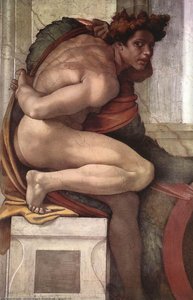
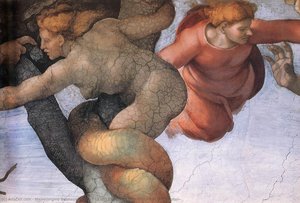
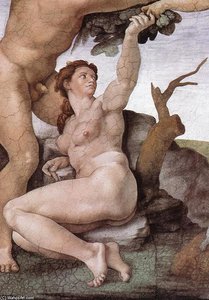
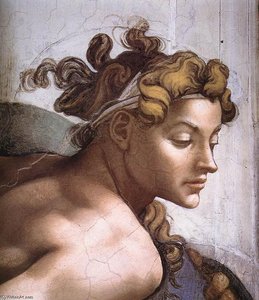
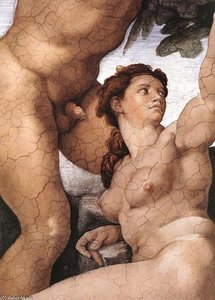
Creation of Eve (detail): A Symphony of Faith and Form
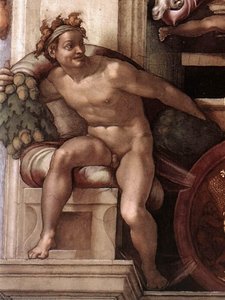
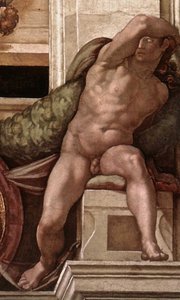
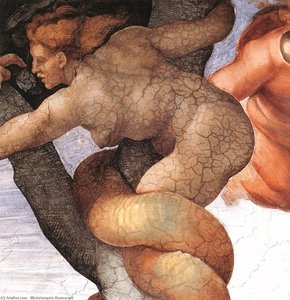
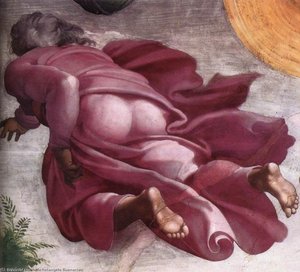
Michelangelo Buonarroti’s “Creation of Eve” stands as arguably the most poignant depiction of Genesis within the monumental Sistine Chapel frescoes, a testament to his unparalleled mastery of artistic expression. Completed in 1509 during Pope Julius II's ambitious patronage project—a bold undertaking aimed at revitalizing papal prestige after years of political turmoil—this fresco transcends mere illustration; it embodies the very essence of Renaissance humanism and theological contemplation.Composition and Technique: Mastering Light and Shadow
The scene captures a pivotal moment recounted in scripture – God’s divine intervention as he gently draws forth Eve from Adam's rib, symbolizing the genesis of humankind and the embodiment of divine grace. Michelangelo skillfully employs fresco technique—a method involving applying pigment onto wet plaster—resulting in astonishing durability and vibrancy that continues to captivate viewers centuries later. The artist meticulously renders Adam reclining on a rock formation, bathed in diffused light emanating from above, conveying both vulnerability and repose. A shadowy figure observes the act of creation, subtly hinting at God’s omnipresence and divine judgment. Michelangelo's masterful use of chiaroscuro—the dramatic interplay between light and dark—amplifies the emotional impact of the image, guiding the viewer’s gaze and emphasizing Adam’s stillness against the backdrop of divine action.Symbolism: Echoes of Classical Ideal Beauty
Beyond its technical brilliance, “Creation of Eve” resonates deeply with symbolic significance rooted in classical artistic traditions. Michelangelo draws inspiration from sculptural models—particularly those of Greek gods—to achieve idealized proportions and anatomical accuracy. Adam’s posture reflects the humanist preoccupation with human form as a reflection of divine perfection. The rock formation serves as a grounding element, anchoring the scene within the earthly realm while simultaneously elevating it to spiritual contemplation. Furthermore, the gesture of God – a delicate hand reaching down – embodies compassion and divine benevolence, contrasting sharply with the solemnity of the moment.Historical Context: Papal Ambition and Artistic Renaissance
The Sistine Chapel’s frescoes represent more than just religious art; they embody the aspirations of papal leadership during the High Renaissance. Julius II commissioned Michelangelo to undertake this monumental project as part of a broader effort to reaffirm papal authority and commemorate the papacy's role in safeguarding Christendom. The chapel itself was conceived as a space for liturgical worship and papal ceremonies, reflecting the humanist ideals prevalent at the time—a belief in human dignity and potential alongside reverence for God’s divine plan. Michelangelo’s work stands as a cornerstone of artistic achievement during this transformative period, influencing generations of artists and cementing his legacy as one of history's greatest geniuses.Emotional Impact: A Moment Frozen in Time
“Creation of Eve” transcends its formal elements to evoke profound emotional responses. The image speaks to themes of vulnerability, divine grace, and the genesis of human consciousness—concepts central to Christian theology. Michelangelo’s depiction captures a moment of exquisite tenderness and solemn reverence, inviting viewers to contemplate the mysteries of faith and creation. It remains an enduring symbol of artistic beauty and spiritual contemplation, continuing to inspire awe and wonder in audiences worldwide.- Visit /art/list/?Filter=8XZRHZ-Michelangelo-Buonarroti-Creation-of-Eve-(detail) for high-quality reproductions!
アーティストの略歴
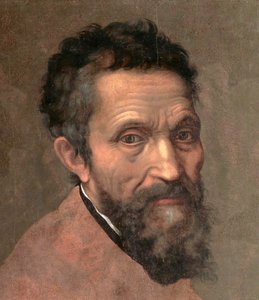
ルネサンスを形造った巨匠:ミケランジェロ・ブオナローティ
ミケランジェロ・ブオナローティの名は、ルネサンス美術の頂点を象徴する言葉として、時代を超えて響き渡る。1475年3月6日、トスカーナ地方の丘陵地帯に位置するカプレッセ・ミケランジェロで生まれ、彼の人生は才能、野心、そして神からのインスピレーションが交差する驚くべき軌跡となった。当初、父は彼を芸術家の道に進むことに反対したが、若きミケランジェロの天賦の才は否定できないものであり、彫刻、絵画、建築の境界線を再定義する運命にあった。ドメニコ・ギルランダイオの下での初期の修業時代は、フレスコ技法とデッサン技術に基礎を築いたが、美deeシ庭園—古代ギリシャとローマの彫刻の安息地—で彼の芸術的な魂が真に目覚めた。そこで彼は、その後の作品における特徴となる解剖学的知識、比例、理想化された美の原則を吸収したのである。この形成期は単なる技術訓練ではなく、ルネサンス期に花開いた人文主義思想への哲学的な浸透であり、人間の尊厳と可能性を強調する彼の芸術的ビジョンを深く形作った。悲しみのピエタからダビデの力へ
ミケランジェロの美術界における台頭は驚くほど迅速であった。1496年にはローマへと旅立ち、そこで最初の主要な委嘱を受けた。それは、キリストの体を抱く聖母マリアを彫刻する仕事だった。1499年にバルドー・ジャン・ド・ビレールのために完成したこの息を呑むような大理石の傑作—現在はサン・ピエトロ大聖堂に収蔵されている—は、瞬く間にミケランジェロを比類なき技術と感情的な深みを持つ彫刻家として確立した。冷たい石に深い人間的感情を吹き込む能力を示し、マリアの顔に表現された静かな美しさと痛ましい悲しみは画期的であった。この初期の成功は、彼の次の記念碑的な事業への道を開いた—それはダビデである。カララ大理石の一塊から1501年から1504年の間に彫刻されたこの巨大な像は、フィレンツェ共和国の理想を象徴する存在となった—勇気と市民的徳を備えた力強い反逆者の体現である。ダビデの解剖学的正確さ、ダイナミックなポーズ、そして心理的な強烈さは空前のものであり、石に命を吹き込む能力を持つ巨匠としてのミケランジェロの名声を確固たるものにした。単なる規模が人々を魅了したのではなく、大理石の中に閉じ込められた潜在的なエネルギーの感覚、動きの予感こそが、当時から今日に至るまで観客を魅了し続けているのである。システィーナ礼拝堂:神聖なキャンバス
ミケランジェロの最も永続的な遺産は、おそらくシスティーナ礼拝堂の壁の中に存在するだろう。1508年、ユリウス2世教皇は彼に礼拝堂の天井を絵画するよう委嘱した—それは彼の人生の4年間を消費し、西洋美術の流れを変える仕事となるだろう。当初は躊躇しながらも、自分自身を主に彫刻家と見なしていたミケランジェロは、この挑戦を受け入れ、創世記からの場面を描いた壮大なフレスコ画サイクルに乗り出した。過酷な環境下で何時間も背中をかがめて作業し、彼は驚くべき細部と構成上の才能をもって300体以上の人物を描き出した。礼拝堂の天井画の中で最も象徴的なイメージである『アダムの創造』は、神と人類との間の神聖な火花を捉え、創造と可能性の力強いシンボルとなっている。この有名なパネルを超えて、サイクル全体はミケランジェロの物語る力、解剖学への習熟、そして視覚的ストーリーテリングを通して複雑な神学的概念を伝える能力を示す証左である。同時に、彼は教皇ユリウス2世のために設計された壮大な墓の仕事に取り組み始めた—当初の壮大さでは完成しなかったが、モーセなどの力強い彫刻を生み出した野心的なプロジェクトであった。建築、マニエリスモ、そして永続的な影響
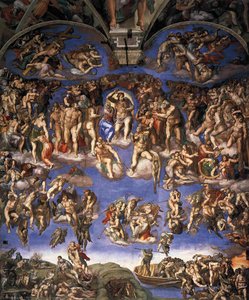
彼の人生の後期には、ミケランジェロの才能は建築にも及んだ。1520年、彼はサン・ピエトロ大聖堂の建築家となり、ブラマンテの当初のデザインをより威厳があり構造的に堅牢な計画へと大幅に変更した。この転換はマニエリスムへの移行を示している—それは、細長い形態、誇張されたポーズ、そして劇的な構成が特徴づけられるスタイルである。この様式的な進化は、『最後の審判』に鮮明に現れており、1536年から1541年の間にシスティーナ礼拝堂の祭壇壁に描かれたフレスコ画である。この絵画は、キリストの再臨を圧倒的なドラマと感情的な強烈さで描き出し、より不安定な精神的気候を反映している。ミケランジェロの影響は彼の生涯を超えて広がり、ルネサンス美術およびマニエリスム美術の両方に深く影響を与え、解剖学的正確さ、ダイナミックな構成、そして人間の状態の深遠な探求を通して世代の芸術家にインスピレーションを与えた。時を刻む遺産
1564年2月18日、ミケランジェロはローマで亡くなり、今なお世界中の美術館や教会に展示されている比類なき作品群を残した。彼は美術史における高潔な存在であり、「ルネサンス人」の典型として、彫刻、絵画、建築のデザインを通して美しさ、力、そして人間の可能性に対する私たちの理解を形作ってきたのである。彼の遺産は芸術的業績というだけでなく、創造性、献身、そして完璧への絶え間ない追求の永続的な力の証でもある。彼は芸術が単なる再現を超越し、深遠な精神的および感情的な表現のための手段となり得ることを示したのである。 彼の才能のエコーは世界中の美術館や教会に響き渡り、ミケランジェロ・ブオナローティが史上最高の芸術家の一人として永遠に記憶されることを保証している。- 影響: 古代(ギリシャとローマの彫刻)、ルネサンス人文主義、フィレンツェの芸術的伝統(ドナテッロ、マザッチョ)。
- 主要作品: *ピエタ*、*ダビデ*、システィーナ礼拝堂天井画(『アダムの創造』)、*最後の審判*、ユリウス2世の墓。
- 芸術的スタイル: 当初は古典的な理想主義、その後ダイナミックで表現力豊かなマニエリスムへと進化。
ミケランジェロ
1475 - 1564 , イタリア
基本情報
- フルネーム: ミケランジェロ・ブオナローティ
- 主な作品:
- ダビデ像
- 受胎告知
- システィーナ礼拝堂天井画
- 出生地: カプレッセ・ミケランジェロ, イタリア
- 国籍: イタリア
- 影響を与えた芸術家/運動:
- 盛期ルネサンス
- マニエリスム
- 影響を受けたアーティスト:
- ドナテッロ
- マサッチオ
- 没年月日: 1564年2月18日
- 生年月日: 1475年3月6日
- 芸術運動/スタイル: 盛期ルネサンス、マニエリスム
関連記事
ミケランジェロ傑作25選:美術史を彩る巨匠の魂と革新 - ArtsDot
ミケランジェロの傑作25選。ルネサンスを代表する芸術家の魂が宿る絵画、彫刻の世界へ。ダビデ像やピエタなど、美術史に残る名作の物語と技法を紐解きます。ArtsDotで高品質な複製画とインテリアアートを見つけましょう。

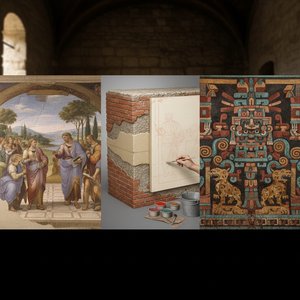
The Enduring Legacy of Fresco Painting: Techniques, History & Contemporary Relevance
Explore the rich history & enduring artistry of fresco painting – from Giotto to Michelangelo! Discover techniques, conservation efforts, & modern applications. Learn how ArtsDot brings this timeless art form to your home.

家族の遺産を壁画で彩る:伝統技法が紡ぐ、時を超越する美と記憶
古代から現代までの壁画の歴史と技法を解説。日本の壁画文化やカスタムオーダーによる家族の遺産表現、保存・修復技術まで網羅。専門家が時を超越する美と記憶を紡ぐ芸術的価値をご案内します。
Michelangelo Buonarroti: A Renaissance Titan – Life, Works & Enduring Legacy
Explore the life, works & enduring legacy of Michelangelo Buonarroti, a Renaissance titan. Discover his iconic sculptures, frescoes, and architectural achievements. Expert art consultation & high-quality reproductions at ArtsDot.
The Enduring Legacy of Fresco: Technique, History & Artistic Expression Across Cultures
Explore the rich history & enduring legacy of fresco painting! Discover ancient techniques, Giotto's masterpieces, and modern applications. Expert insights for art lovers & professionals.