

 プレビュー
プレビュー
 プリントを購入
 シェアする
シェアする シェアする
シェアする
 詳細を見る
詳細を見る

 ダウンロード
 似ている作品
 X線調査
X線調査 スライドショー
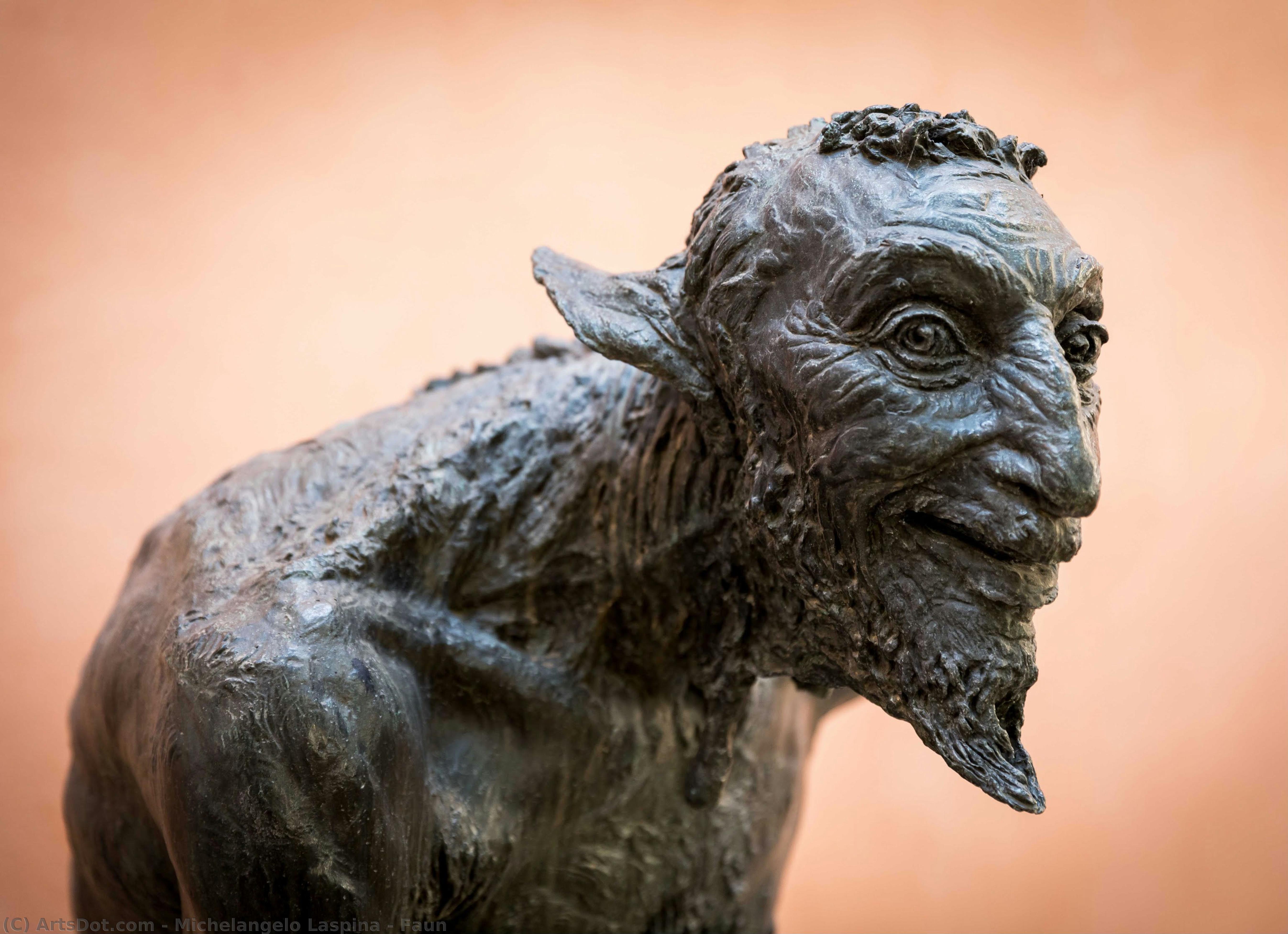
Faun


 詳細を見る
詳細を見る




































作品のオリジナル比率に合わせた、当店の規定サイズからお選びください。

特定のフレームやスペースに合わせて、ご希望のサイズをご入力いただけます。選択されたサイズが元の画像の比率と異なる場合、アートワークをトリミングするか、手描きで要素を追加して絵画を拡張いたします。デジタルモックアップ を制作し、制作開始前にご確認(承認)をいただきます。
画面上のプレビューは、実際のトリミングや拡張を正確に反映しているものではありません。最終的な構図は、モックアップによってのみ正確にご確認いただけます。
カスタムサイズもご利用いただけますが、元の比率を維持するためには、あらかじめ用意されたリストからサイズを選択することをお勧めいたします。
ご注文後、ArtsDot.com チームより詳細な指示をお送りするとともに、仕上がりイメージ(モックアップ)をご提供いたします。


 ガラスオプションは、110cm未満のサイズでのみご利用いただけます。

Faun
複製技法
複製画のサイズ
-


合計金額
$ 263
関連作品

アーティストの略歴
The Sculptor of Myth and Emotion
Michelangelo Laspina emerged from the vibrant, sun-drenched artistic landscape of Naples, Italy, a city steeped in classical tradition and the burgeoning whispers of modernism. His life’s work centered on the profound medium of bronze sculpture, primarily focused on depictions of mythological figures that captivated audiences with their unsettling beauty and masterful execution. Laspina's legacy resides not merely in his technical prowess but also in his uncanny ability to imbue metal and stone with palpable emotion, transforming abstract concepts into tangible expressions of primal instinct and spiritual yearning.
Born in Naples in 1877, Laspina received a foundational artistic education under the tutelage of Giuseppe Bolognese, a prominent sculptor who championed realism and anatomical accuracy. This mentorship instilled in Laspina a disciplined approach to his craft—a dedication to meticulous observation and painstaking craftsmanship that would define his entire career. This formative influence ensured that his sculptures possessed an unparalleled level of detail and anatomical correctness, mirroring the rigorous standards established by the masters of the Renaissance and cementing Laspina's connection to the classical ideal.
The Symbolic Power of the Faun
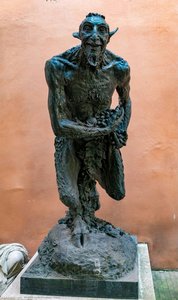
Laspina achieved international acclaim through his evocative series of faun sculptures produced between 1923 and 1934. These figures, often portrayed in dynamic, tension-filled poses amidst rugged, rocky landscapes, represent a profound engagement with classical mythology and deep-seated symbolism. The faun, traditionally associated with the wildness of nature, fertility, and ancient pagan rituals, served as the perfect vessel for Laspina’s fascination with the darker aspects of human nature alongside its inherent vitality.
Unlike the idealized and serene depictions prevalent during his era, Laspina's fauns are rendered with a haunting complexity. He utilized grotesque features—twisted limbs, bulging eyes, and muscular tension—to create a disconcerting contrast between beauty and horror. This deliberate stylistic choice allowed him to explore the duality of existence, where the primal and the divine intersect. Through these bronze works, he captured a sense of movement that felt both ancient and immediate, as if the creatures were caught in a moment of eternal, restless transition.
Legacy and Artistic Significance
The historical significance of Michelangelo Laspina lies in his ability to bridge the gap between the disciplined realism of the 19th century and the psychological depth of early 20th-century expressionism. His work does not merely replicate the past; it reinterprets classical motifs through a lens of modern anxiety and raw emotion. By focusing on the more visceral elements of mythology, he provided a voice to the subconscious, making the mythological figures feel deeply human and strikingly relatable.
Today, his contributions to the world of bronze sculpture are remembered for their atmospheric intensity. His ability to manipulate light and shadow across textured bronze surfaces continues to fascinate scholars and art enthusiasts alike. Laspina remains a pivotal figure for those studying the evolution of Italian sculpture, representing a unique moment in history where classical reverence met a new, more turbulent way of seeing the world.
michelangelo laspina
1877 - 1954 , Italy
基本情報
- Artistic Movement Or Style: Bronze sculpture
- Date Of Birth: 1877
- Full Name: Michelangelo Laspina
- Nationality: Italian
- Notable Artworks: ['Faun']
- Place Of Birth: Naples, Italy
関連記事

Bronze Age to Modern Masters: 10 Sculptures That Redefined Art | ArtsDot
Journey through art history with 10 legendary bronze sculptures – from Michelangelo's David to Rodin’s Thinker. Explore the stories, techniques & timeless beauty of these masterpieces. Find museum-quality reproductions & elevate your home decor on ArtsDot.com.

ミケランジェロ傑作25選:美術史を彩る巨匠の魂と革新 - ArtsDot
ミケランジェロの傑作25選。ルネサンスを代表する芸術家の魂が宿る絵画、彫刻の世界へ。ダビデ像やピエタなど、美術史に残る名作の物語と技法を紐解きます。ArtsDotで高品質な複製画とインテリアアートを見つけましょう。

Bronze Sculptures That Defined Art History | ArtsDot
Journey through art history with our Top 10 bronze sculptures! Explore masterpieces by Rodin, Michelangelo & more. Discover stories behind iconic statues and find museum-quality reproductions for your home decor at ArtsDot.com.

The Enduring Legacy of Bronze: A Historical & Artistic Exploration for the Collector
Explore the rich history & enduring appeal of bronze sculpture with expert insights for collectors at ArtsDot. Learn about casting techniques, iconic artists, collecting tips & contemporary interpretations.
The Enduring Legacy of Bronze: History, Technique & Artistic Expression for the Collector
Explore the rich history & enduring appeal of bronze sculpture with expert insights for collectors at ArtsDot. Learn about casting techniques, iconic artists, and collecting tips.