

 プレビュー
プレビュー
 シェアする
シェアする シェアする
シェアする
 詳細を見る
詳細を見る

 ダウンロード
 似ている作品
 X線調査
X線調査 スライドショー
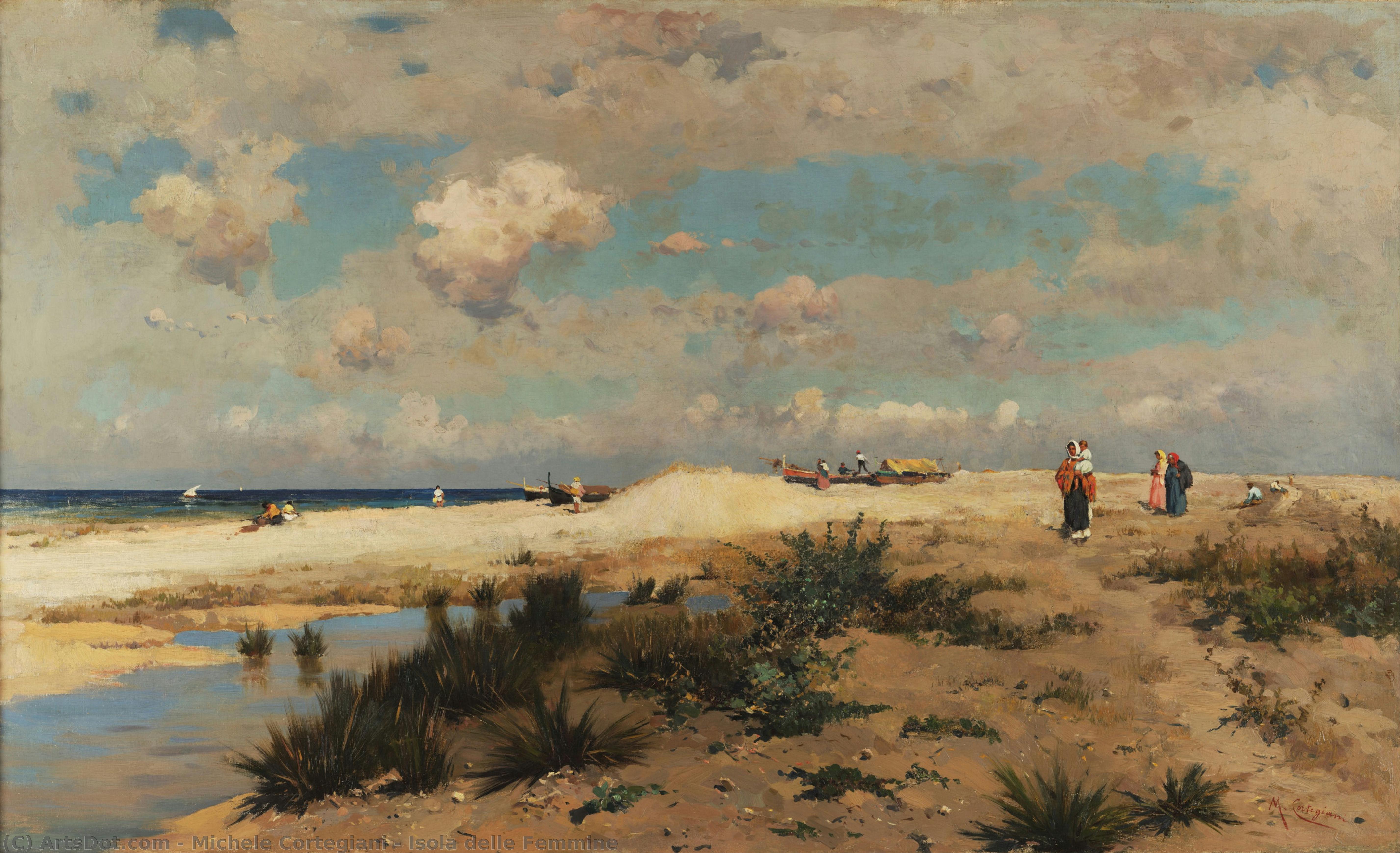
Isola delle Femmine
 1890
1890 76.0 x 129.0 cm
 詳細を見る
詳細を見る
ジークレー/アートプリント
迅速な制作と多彩な仕上げオプションを備えた、ミュージアムクオリティのジークレーまたはキャンバスプリント。 ( 手描きの絵画を購入 画像を購入)




































作品のオリジナル比率に合わせた、当店の規定サイズからお選びください。

特定のフレームやスペースに合わせて、ご自身でサイズを指定することも可能です。選択されたサイズが元の画像の比率と一致しない場合、作品をトリミングするか、鏡面反射または単色での塗りつぶしによって画像を拡張いたします。制作を開始する前に、ご確認用のデジタルモックアップをお送りいたします。
画面上のプレビューには、実際のトリミングや拡張は反映されませんのでご注意ください。最終的な構図を正確に確認できるのは、モックアップのみとなります。
カスタムサイズも承っておりますが、元の比率を維持するためには、あらかじめ用意されたリストからサイズを選択することをお勧めいたします。


 ガラスオプションは、110cm未満のサイズでのみご利用いただけます。

Isola delle Femmine
ジークレー/アートプリント
複製画のサイズ
-


合計金額
$ 62
関連作品








アーティストの略歴
Michele Cortegiani (1857 – 1928): Capturing Sicilian Light
Michele Cortegiani, born in Palermo, Italy, on February 8th, 1857, was a prolific painter whose canvases breathed with the vibrant hues of Sicily and Tunisia. He emerged from a lineage steeped in artistic tradition, inheriting influences from his mentor, Francesco Lojacono, who instilled in him a profound appreciation for color and observation—a foundation that would propel Cortegiani to become one of the foremost figures within the “Masters of Color” movement. His journey began with formal training under Lojacono before relocating to Paris in 1877-1881, where he absorbed the stylistic currents of Impressionism and Post-Impressionism, broadening his artistic horizons considerably.- Early Training & Parisian Influences: Cortegiani’s formative years in Paris exposed him to groundbreaking techniques championed by artists like Claude Monet and Camille Pissarro, fostering a sensitivity to fleeting light and atmospheric perspective that would characterize much of his subsequent oeuvre.
- Collaboration at Teatro Massimo: A pivotal moment arrived with his involvement in the Teatro Massimo’s ceiling decoration project (1893-1897) alongside Luigi Di Giovanni and Ettore De Maria Bergler, under Rocco Lentini's direction. This ambitious undertaking demanded meticulous planning and execution, shaping Cortegiani’s artistic sensibilities and solidifying his reputation as a skilled craftsman.
The Sicilian Landscape: A Symphony of Color
Cortegiani’s artistic vision centered on capturing the essence of Sicily—specifically its coastal marinas and tranquil villages—with unparalleled accuracy and beauty. He possessed an extraordinary ability to translate the subtleties of light onto canvas, achieving a remarkable luminosity that mirrored the Mediterranean sun. His paintings are not merely representations of scenery; they are immersive experiences designed to transport viewers into the heart of Sicilian life. The “Masters of Color” movement recognized Cortegiani’s mastery in depicting chromatic harmonies—a testament to his dedication and artistic prowess.- Technique & Palette: Cortegiani favored a technique rooted in plein air painting, diligently studying the changing conditions of light throughout the day. His palette was rich with pigments derived from natural sources, reflecting his commitment to capturing the authentic colors of Sicily’s landscape.
- Notable Sicilian Works: Among his celebrated paintings are “Isola delle Femmine” and numerous depictions of coastal vistas—each infused with a palpable sense of atmosphere and emotion. These works stand as enduring symbols of Sicilian artistic heritage.
Tunisian Inspirations & Genre Subjects
Cortegiani’s travels to Tunisia further enriched his artistic repertoire, introducing him to the distinctive cultural traditions and visual aesthetics of North Africa. The influence of Tunisian art is evident in his compositions—particularly in their use of bold colors and dramatic perspectives—demonstrating his willingness to experiment with new stylistic approaches. Beyond landscapes, Cortegiani excelled in portraying female portraits and genre scenes, capturing human emotion and social life with sensitivity and nuance.- Orientalist Style: Cortegiani’s Tunisian paintings align closely with the Orientalist movement—a trend that sought to depict exotic locales and cultures through a Western gaze.
- Portraiture & Genre Scenes: His portraits are characterized by meticulous detail and psychological insight, conveying the inner lives of his subjects with remarkable subtlety. Similarly, his genre scenes offer glimpses into everyday life—illuminating social customs and capturing fleeting moments of human interaction.
Legacy & Recognition
Michele Cortegiani’s artistic legacy extends beyond his individual paintings; he is remembered as a pivotal figure within the “Masters of Color” movement and as an influential teacher who nurtured the talents of younger artists. His work continues to inspire admiration for its beauty, technical skill, and expressive power—a testament to his enduring contribution to Italian art history. He collaborated with Carlo Carrà and Giuseppe De Nittis, whose artistic visions shared similar stylistic concerns. Cortegiani’s paintings are housed in museums like the Michele & Donald D'Amour Museum of Fine Arts (Springfield) and San Michele Museums (Lucca), showcasing his enduring impact on the art world. Explore more about him at ArtsDot.com and Teatro Massimo’s ceiling decoration!
Michele Cortegiani
1857 - 1919 , Italy
基本情報
- Artistic Movement Or Style: Masters of Color
- Artists Or Movements Influenced By This Artist: ['Carlo Carrà']
- Artists Who Influenced This Artist: ['Francesco Lojacono']
- Date Of Birth: February 8, 1857
- Date Of Death: 1928
- Full Name: Michele Cortegiani
- Nationality: Italian
- Notable Artworks: ['Isola delle Femmine']
- Place Of Birth: Naples, Italy