 プレビュー
プレビュー
 プリントを購入
 シェアする
シェアする シェアする
シェアする
 詳細を見る
詳細を見る

 ダウンロード
 似ている作品
 X線調査
X線調査 スライドショー
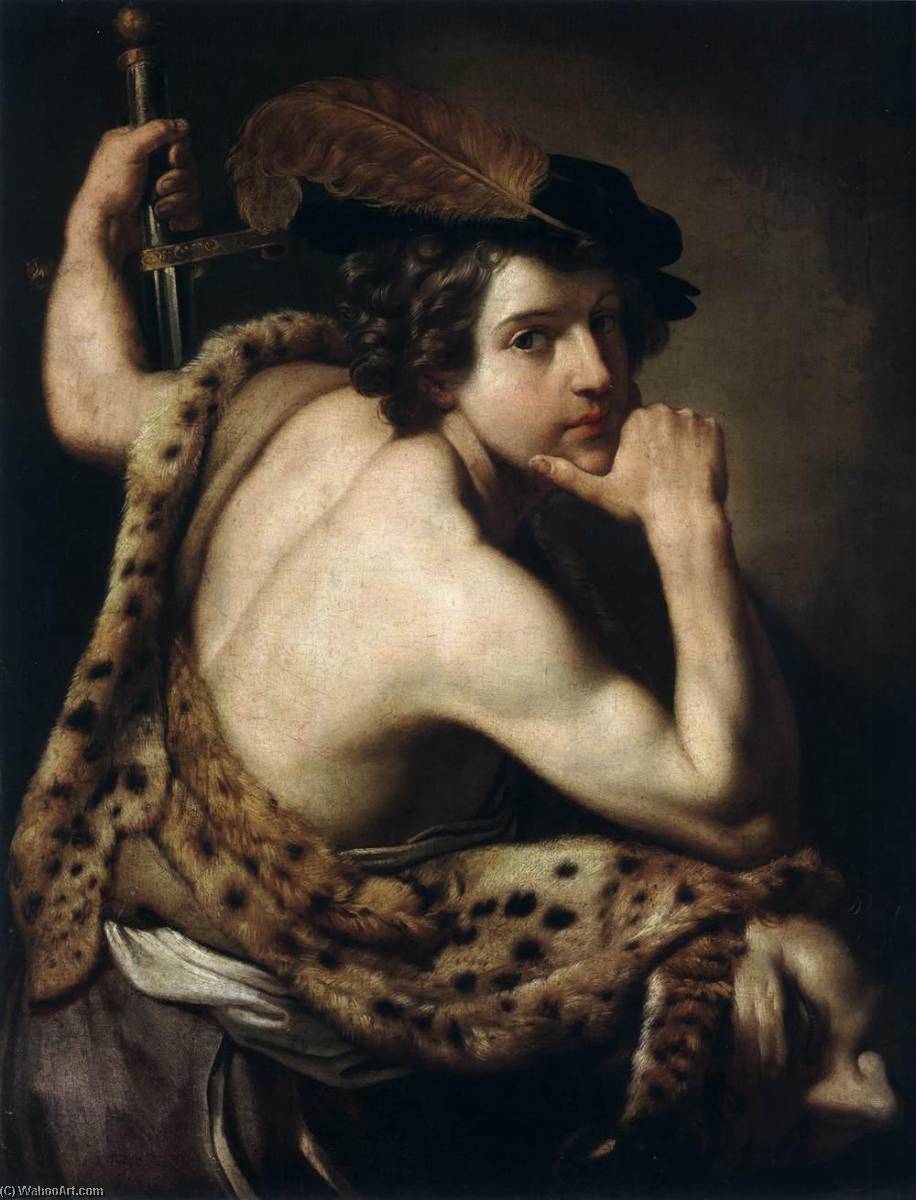
David with the Head of Goliath (detail)

 詳細を見る
詳細を見る




































作品のオリジナル比率に合わせた、当店の規定サイズからお選びください。

特定のフレームやスペースに合わせて、ご希望のサイズをご入力いただけます。選択されたサイズが元の画像の比率と異なる場合、アートワークをトリミングするか、手描きで要素を追加して絵画を拡張いたします。デジタルモックアップ を制作し、制作開始前にご確認(承認)をいただきます。
画面上のプレビューは、実際のトリミングや拡張を正確に反映しているものではありません。最終的な構図は、モックアップによってのみ正確にご確認いただけます。
カスタムサイズもご利用いただけますが、元の比率を維持するためには、あらかじめ用意されたリストからサイズを選択することをお勧めいたします。
ご注文後、ArtsDot.com チームより詳細な指示をお送りするとともに、仕上がりイメージ(モックアップ)をご提供いたします。


 ガラスオプションは、110cm未満のサイズでのみご利用いただけます。

David with the Head of Goliath (detail)
複製技法
複製画のサイズ
-


合計金額
$ 263
関連作品



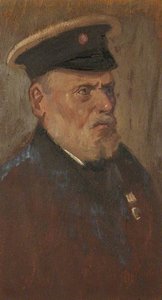
アーティストの略歴
The Flemish Visionary of the Italian Baroque
In the grand, dramatic tapestry of the seventeenth century, few threads are as intriguing as that of Michele Desubleo. A painter who bridged the gap between the meticulous traditions of Flanders and the emotive splendor of Italy, Desubleo embodied the very essence of the Baroque era. Born around 1601 or 1602 in Maubeuge, within the Spanish Netherlands, his early life was rooted in a landscape of profound artistic discipline. It is believed that he honed his foundational skills in the workshop of Abraham Janssens van Nuyssen, working alongside his stepbrother, the celebrated Nicolas Régnier. This Flemish upbringing provided him with a rigorous command of texture, light, and anatomical precision—tools that would later allow him to navigate the complex emotional landscapes of the Italian masters.
The trajectory of Desublean art changed irrevocably when he migrated toward the sun-drenched centers of Italian creativity. Arriving in Rome around 1625, he found himself immersed in a city where the echoes of the Renaissance were being transformed into the theatrical intensity of the Baroque. It was here that his talent met its most profound catalyst: the workshop of Guido Reni. Under Reni’s tutelage, Desubleo moved beyond mere technical proficiency to embrace an idealized beauty and a sophisticated use of chiaroscuro. This period of intense study allowed him to synthesize the robust, tactile qualities of his Northern heritage with the graceful, lyrical compositions characteristic of the Bolognese school.
A Journey Through Light and Devotion
As Desubleo’s career progressed, his presence moved across the Italian peninsula like a shadow cast by flickering candlelight, leaving behind works in Venice, Florence, Bologna, and Genoa. His ability to adapt to different regional aesthetics made him a versatile force in the art market of the 1600s. In the Veneto region, he spent much of the 1650s, while his later years saw him establishing a significant legacy in Parma. His work often functioned as a bridge between the sacred and the secular, capable of conveying both the divine ecstasy of a saint and the complex allegories of human virtue.
The technical mastery evident in his most famous compositions reveals a deep understanding of dramatic tension. Consider the following hallmarks of his mature style:
- Dramatic Chiaroscuro: The masterful use of extreme light and shadow to sculpt figures and create a sense of three-dimensional presence.
- Anatomical Grace: A lingering influence from Reni, seen in the fluid, muscular, yet idealized depiction of the human form.
- Narrative Intensity: An ability to capture pivotal biblical or mythological moments, such as the triumph in David with the Head of Goliath, through expressive gestures and rich textures.
- Allegorical Depth: The capacity to weave complex philosophical themes into single canvases, most notably seen in his explorations of Sacred and Profane Love.
Legacy and Historical Significance
Though history occasionally obscures the names of those who worked within the shadows of giants like Reni or Régnier, Desubleo’s contribution remains vital to our understanding of the Baroque's international character. He was not merely a student of Italian trends but an active participant in their evolution, bringing a Northern sensibility to the Mediterranean palette. His later works in Parma, including monumental altarpieces for the cathedral, stand as testaments to his enduring devotion to religious iconography and his ability to inspire awe in the faithful.
When he passed away in Parma in 1676, he left behind a body of work that serves as a historical record of an era defined by movement, emotion, and light. To study Michele Desubleo is to witness the beautiful collision of two worlds—the disciplined precision of Flanders meeting the soaring, dramatic spirit of Italy—resulting in a visual language that continues to captivate the modern eye.
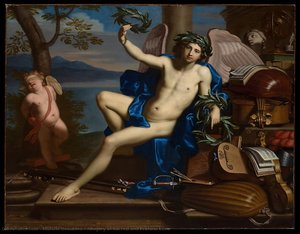
michele desubleo
1602 - 1676
基本情報
- Artistic Movement Or Style: Baroque
- Artists Or Movements Influenced By This Artist: ['Renaissance']
- Artists Who Influenced This Artist: ['Guido Reni']
- Date Of Birth: 1602
- Date Of Death: 1676
- Full Name: Michele Desubleo
- Nationality: Flemish
- Notable Artworks:
- David with Goliath
- Allegory of Sacred and Profane Love
- Place Of Birth: Maubege