

 プレビュー
プレビュー
 プリントを購入
 シェアする
シェアする シェアする
シェアする
 詳細を見る
詳細を見る

 ダウンロード
 似ている作品
 X線調査
X線調査 スライドショー
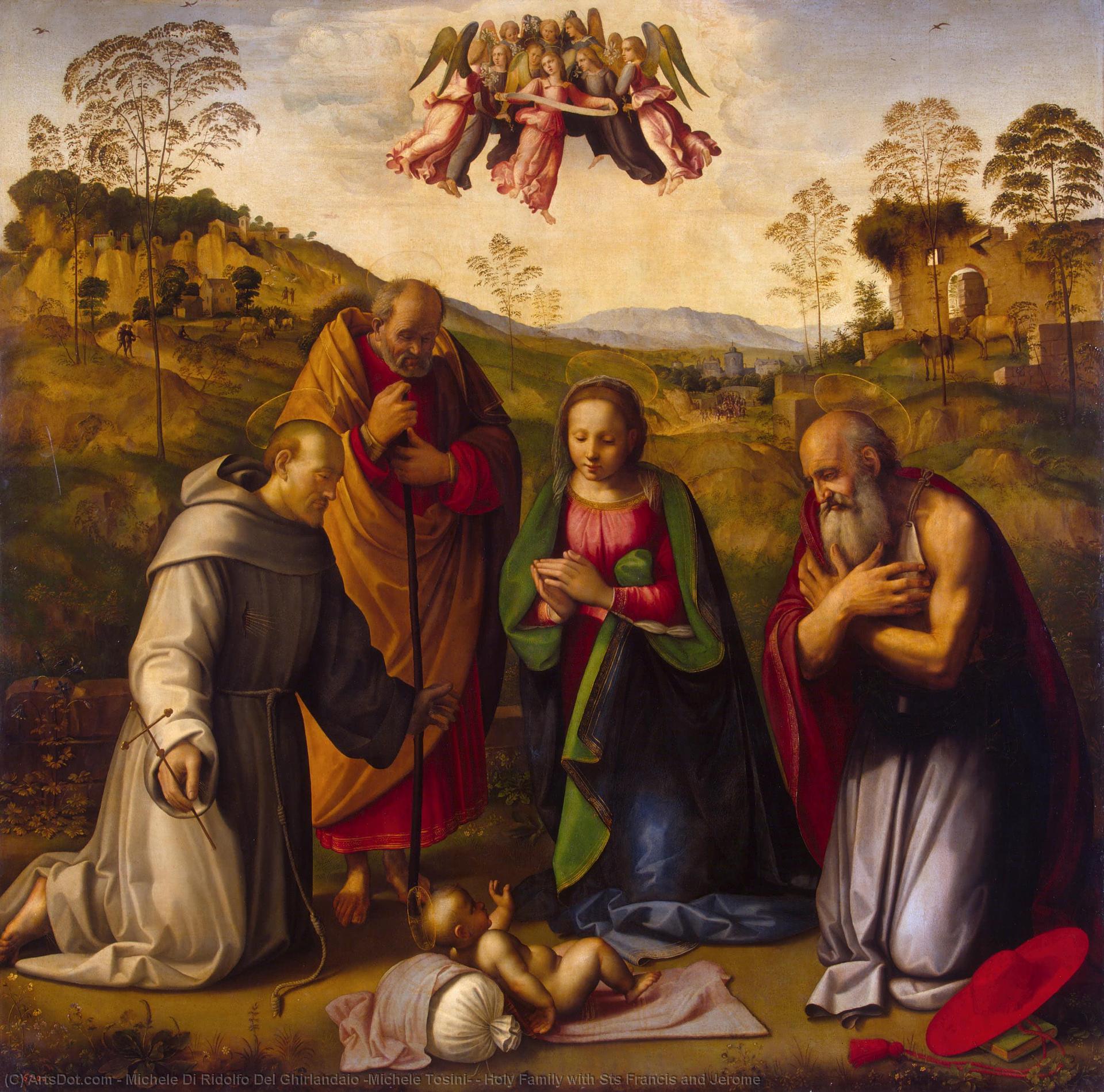
Holy Family with Sts Francis and Jerome
 Tempera On Panel
- WallArt
- Mannerism
 1511
1511- Renaissance
 173.0 x 171.0 cm
 エルミタージュ美術館
 詳細を見る
詳細を見る




P118B $10

P118H $10

P118W $10

P438Z $10

P508JH $12

P508YH $12

P805H $10

P805Z $10

P919BZ $10

P919G $10

P919XJ $10

P959ZH $10

P968JZ $12

W106C $8

W218G $10

W218JH $8

W218Y $10

W307PJ $10

W316G $10

W316PJ $8

W316Y $10

W398PJ $8

W4111J $10

W500HY $15

W500JH $15

W692G $12

W849H $8

W940BG $15

W953PJ $8




作品のオリジナル比率に合わせた、当店の規定サイズからお選びください。

特定のフレームやスペースに合わせて、ご希望のサイズをご入力いただけます。選択されたサイズが元の画像の比率と異なる場合、アートワークをトリミングするか、手描きで要素を追加して絵画を拡張いたします。デジタルモックアップ を制作し、制作開始前にご確認(承認)をいただきます。
画面上のプレビューは、実際のトリミングや拡張を正確に反映しているものではありません。最終的な構図は、モックアップによってのみ正確にご確認いただけます。
カスタムサイズもご利用いただけますが、元の比率を維持するためには、あらかじめ用意されたリストからサイズを選択することをお勧めいたします。
ご注文後、ArtsDot.com チームより詳細な指示をお送りするとともに、仕上がりイメージ(モックアップ)をご提供いたします。


 ガラスオプションは、110cm未満のサイズでのみご利用いただけます。

Holy Family with Sts Francis and Jerome
複製技法
複製画のサイズ
-


合計金額
$ 263
A Vision of Divine Serenity in Renaissance Florence
In the heart of the early sixteenth century, Florence breathed with an unparalleled artistic vitality, a period where the boundaries between the earthly and the divine were often blurred by the brushstrokes of masters. The painting “Holy Family with Sts Francis and Jerome”, attributed to the gifted Michele di Ridolfo del Ghirlandaio, also known as Michele Tosini, serves as a luminous window into this era of profound spiritual and humanist inquiry. Created around 1511, this masterpiece does more than merely depict a religious scene; it invites the viewer into a sacred moment of quietude and grace. The composition brings together the Holy Family—Mary, Joseph, and the infant Jesus—surrounded by the venerable figures of Saint Francis of Assisi and Saint Jerome. This gathering is not just a collection of saints, but a carefully orchestrated tableau of devotion, designed to evoke a sense of familial sanctity and eternal peace.
As one gazes upon the canvas, the eye is immediately drawn to the ethereal presence of angels drifting through the heavens above. These celestial beings, appearing in a delicate dance around the central figures, add a layer of supernatural wonder to the naturalistic setting. The scene unfolds upon a verdant hillside, where the soft textures of grass and the distant silhouettes of trees create a pastoral sanctuary. Even the smallest details, such as the two birds gliding through the sky, contribute to an atmosphere of profound stillness, suggesting that even nature itself pauses to witness this divine encounter. For the collector or designer, this painting offers a sense of tranquil majesty, making it a centerpiece capable of bringing a sophisticated, contemplative energy to any curated space.
The Mastery of Mannerist Elegance and Technique
Technically, the work is a triumph of the Mannerist style, a movement that emerged from the High Renaissance to prioritize elegance, refinement, and a certain stylized grace over strict naturalism. Ghirlandaio’s command over tempera on panel allows for a breathtaking luminosity that seems to radiate from within the figures themselves. The artist utilizes subtle gradations of tone to sculpt the forms, giving the drapery a weight and texture that feels almost tactile. Each fold of fabric is rendered with meticulous precision, catching the light in a way that enhances the psychological depth of the subjects. This dedication to detail ensures that the facial expressions—marked by a quiet, inward-looking piety—convey a complex range of emotions, from maternal tenderness to scholarly devotion.
The vibrant color palette, characteristic of the Florentine tradition, plays a crucial role in the painting's emotional impact. The rich, saturated hues are balanced by soft, atmospheric transitions, creating a visual harmony that is both stimulating and soothing. This mastery of light and color was not merely for aesthetic pleasure; it served a didactic purpose in an age where art was a primary tool for religious education. By presenting the saints with such idealized beauty and clarity, Ghirlandaio sought to inspire moral reflection and a deeper connection to the divine. For those seeking a high-quality reproduction, the intricate interplay of light and shadow provides a rich, multi-dimensional experience that captures the true essence of Renaissance craftsmanship.
A Legacy of Devotion and Artistic Heritage
To understand this work is to understand the lineage of the Ghirlandaio workshop. Michele di Ridolfo del Ghirlandaio was deeply rooted in the Florentine tradition, having been trained within his father’s studio. This upbringing instilled in him a reverence for the meticulousness of his predecessors and an ability to blend the classical stability of the High Renaissance with the burgeoning elegance of Mannerism. His work reflects the intellectual currents of a Florence shaped by the influence of giants like Leonardo da Vinci and Michelangelo, where every brushstroke was an exploration of both human anatomy and theological truth.
Owning or displaying a reproduction of such a significant piece is an opportunity to connect with a storied past. It is an invitation to surround oneself with the beauty of the Renaissance—a period that celebrated the intersection of faith, intellect, and artistry. Whether placed in a grand gallery or a quiet study, “Holy Family with Sts Francis and Jerome” acts as a timeless anchor, offering a sense of historical depth and spiritual resonance that transcends the centuries. It remains a captivating testament to the enduring power of sacred art to inspire awe and provide a sanctuary for the soul.
関連作品
アーティストの略歴
幼少期とフィレンツェでの始まり
ミケーレ・ディ・リドルフ・デル・ギルランダイオ、あるいは母方の姓をとってミケーレ・トジーニの名で親しまれる画家は、1483年、活気あふれるフィレンツェの芸術的風景の中にその生を受けた。彼の父リドルフ・ギルランダイオは、それ自体が非常に尊敬される画家であり、権威あるリナアイオーリ組合(リネン織物職人組合)の一員でもあった。父から授けられた基礎的な訓練こそが、ミケーレのその後のキャリアを形作る礎となったのである。遠方の巨匠を師と仰ぐ他の芸術家たちとは異なり、ミケーレは家族の工房に留まり、技術的な習熟のみならず、盛期ルネサンスから初期マニエリスムへと移り変わるフィレンツェ絵画の確立された様式原理を吸収していった。この密接な徒弟修行は極めて重要であった。父リドルフの影響はミケーレの初期作品に顕著であり、特に細部への細やかなこだわりや、写実的な人体表現への献身的な姿勢に見て取ることができる。当時のフィレンツェは、メディチ家のようなパトロンや、個人の表現と古典的理想を称揚する人文主義哲学の台頭によって、芸術的革新の坩堝(るつぼ)となっていた。若きミケーレは、レオナルド・ダ・ヴィンチ、ミケランジェロ、ラファエロといった、彼の美意識の形成に疑いようのない影響を与えた巨匠たちの傑作を間近で目にする、そのような濃密な空気の中に身を置いていたのである。家族の遺産:ギルランダイオの伝統を継承して
1506年に父が世を去ると、ミケーレはリドルフの未完の依頼作品を完成させる責任を引き継いだ。これは、彼の能力に対して寄せられていた信頼の証であった。この転換は単なる義務の遂行にとどまらず、先人の遺志を尊重しながらも、自分自身の芸術的な声を表明するための貴重な機会となったのである。彼はヴィッラ・ヴェッキアのフレスコ画やサンタ・マリア・ノヴェッラ教会などのプロジェクトにおいて、父のスタイルと自らの様式を巧みに融合させ、見事に作業を継続させた。しかし、ミケーレは単に父の手法を模倣したわけではなかった。時が経つにつれ、彼は自身の絵画にさらなる優雅さと洗練を吹き込み始め、父の作品に見られる力強い造形から、初期マニエリスムの特徴であるよりしなやかで引き伸ばされた形態へと移行していったのである。また、彼は肖像画においても類まれな才能を開花させた。被写体の外見的な類似性だけでなく、その内面的な性格や社会的地位までも描き出したのである。彼の肖像画は、心理的な深みと、布地や質感の極めて精緻な描写によって高く評価されている。 この時期を経て、ミケーマルはフィレンツェの芸術界において、有能かつますます独立した芸術家としての地位を確固たるものにした。肖像画の隆盛とマニエリスムの影響
16世紀の最初の二十年間、ミケーレ・トジーニはフィレンツェにおける主要な肖像画家としての地位を確立した。彼は商人や銀行家、貴族といった富裕な顧客層に応え、彼らのステータスと志向を反映したイメージを創り出した。彼の肖像画には、豪華な衣服に身を包んだ人物が描かれることが多く、それらは人物の存在感と尊厳を際立たせるシンプルな背景の中に配置されている。彼は特に女性を描くことに長けており、その美しさ、知性、そして社交的な気品を見事に捉えた。 肖像画の枠を超えて、ミケーレは宗教的な依頼も引き受け、トスカーナ全域の教会のために祭壇画やフレスコ画を制作した。これらの作品には、引き伸ばされた人物像、複雑な構図、そして高まったドラマ性によって特徴づけられるマニエリスムの様式的潮流への関心の高まりが表れている。彼はポントルモやロッソ・フィオレンティーノといった芸術家からの影響を吸収し、彼らの革新性を自身の独自の芸術言語へと取り入れていった。それは決してマニエリスムの原理を丸ごと受け入れたわけではなく、むしろ、伝統的なフィレンツェ絵画が重んじてきた写実性と明晰さに、これらの新しい要素を巧みに統合させたものであった。主要な業績と芸術的様式
ミケーレ・ディ・レオドルフ・デル・ギルランダイオの作品群は、ルネサンスの自然主義と初期マニエリスムの優雅さが混ざり合った独特な魅力に満ちている。同時代の他の画家たちのような大規模で野心的な作品を量産したわけではないものの、彼の絵画は技術的な熟練度、心理的な洞察力、そして洗練された審美眼において称賛されている。彼の最も名高い業績には以下のようなものがある:- フィレンツェ貴族の肖察画: 数多くの肖像画は、ルネサンス期フィレンツェの生活と社会世界を覗き見る魅力的な窓となっている。
- 東方三博士の礼拝(様々なバージョン): これらの作品は、躍動感のある人物と表情豊かな顔を用いた複雑な構図を生み出す彼の技術を示している。
- サンタ・マリア・ノヴェッラ教会のフレスコ画: この重要なフィレンツェの教会への貢献は、大規模な制作能力と、既存の装飾に自らの様式を融合させる手腕を証明している。
- 聖母の誕生(様々なバージョン): これらの祭壇画は、色彩、構図、そして宗教的イコノグラフィーにおける彼の習熟度を明らかにしている。
- 細部への緻密なこだわり: 布地や質感、そして解剖学的な細部の描写において、極めて細やかな注意が払われている。
- 優雅な形態: 彼の描く人物像はしばしば引き伸ばされ、しなやかであり、マニエリスムの影響を反映している。
- 心理的な深み: 被写体の外見的な似姿だけでなく、その内面的な性格や感情をも捉えている。
- 調和のとれた色彩設計: 洗練されたパレットを用いることで、視覚的に美しく、かつ感情に響く絵画を創り出した。
歴史的意義と遺産
ミケーレ・ディ・リドルフ・デル・ギルランダイオは、フィレンツェ絵画の歴史において、重要でありながらしばしば見過ごされがちな位置を占めている。リドルフ・ギルランダイオの息子であり後継者として、彼は家族の工房が受け継いできた芸術的伝統を保存し、伝承する上で決定的な役割を果たした。しかし、彼は単に父の様式を継続しただけではない。マニエリスムの影響を自らの独自の美学的言語へと見事に統合させた、熟練した革新的な芸術家であった。彼の肖像画はルネサンス・フィレンツェの生活と社会構造に関する貴重な洞察を与え、その宗教画は構図、色彩、そして図像学における卓越した技術を物語っている。レオナルドやミケランジェロのような広範な名声を得るには至らなかったものの、ミケーレ・トジーニは当時の人々から深く尊敬され、富裕なパトロンに求められ、同時代の画家たちから羨望の眼差しを向けられた芸術家であった。彼の作品は、その技術的な妙技、心理的な深み、そして洗練された優雅さゆえに、今日においても高く評価され続けており、フィレンツェ絵画の巨匠としての不朽の遺産を証明している。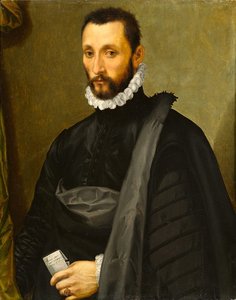
ミケーレ・ディ・リドルフォ・デル・ギルランダイオ
1483 - 1561
基本情報
- Artistic Movement Or Style: 盛期ルネサンス/マニエリスム
- Artists Who Influenced This Artist:
- レオナルド・ダ・ヴィンチ
- ミケランジェロ
- ラファエロ
- Date Of Birth: 1483年
- Date Of Death: 1561年
- Full Name: ミケーレ・ディ・リドルフ・デル・ギルランダイオ
- Notable Artworks: ['ヴィッラ・ヴェッキアのフレスコ画']
- Place Of Birth: イタリア、フィレンツェ
関連記事

家族の遺産を壁画で彩る:伝統技法が紡ぐ、時を超越する美と記憶
古代から現代までの壁画の歴史と技法を解説。日本の壁画文化やカスタムオーダーによる家族の遺産表現、保存・修復技術まで網羅。専門家が時を超越する美と記憶を紡ぐ芸術的価値をご案内します。

The Enduring Legacy of Fresco Painting: Techniques, History & Contemporary Relevance
Explore the rich history & enduring artistry of fresco painting – from Giotto to Michelangelo! Discover techniques, conservation efforts, & modern applications. Learn how ArtsDot brings this timeless art form to your home.

The Enduring Legacy of Fresco: Technique, History & Artistic Expression Across Cultures
Explore the rich history & enduring legacy of fresco painting! Discover ancient techniques, Giotto's masterpieces, and modern applications. Expert insights for art lovers & professionals.
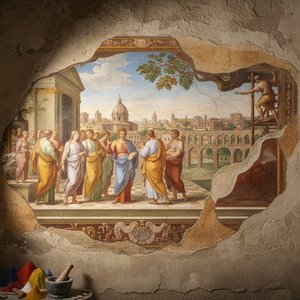
The Enduring Legacy of Fresco: Technique, History & Artistic Expression
Explore the rich history & enduring artistry of fresco painting. Discover techniques from Giotto to Michelangelo, conservation efforts, & modern applications. Learn how ArtsDot brings this timeless art form to your home.

Art That Lives With You: The Emotional Power of a Custom Interior Fresco
Discover the emotional power & timeless beauty of custom interior frescoes. Explore history, design tips & expert guidance from – creating lasting legacies.

