 プレビュー
プレビュー
 プリントを購入
 シェアする
シェアする シェアする
シェアする
 詳細を見る
詳細を見る

 ダウンロード
 似ている作品
 X線調査
X線調査 スライドショー
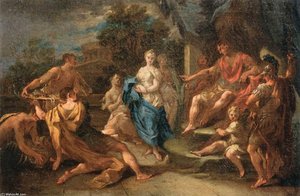
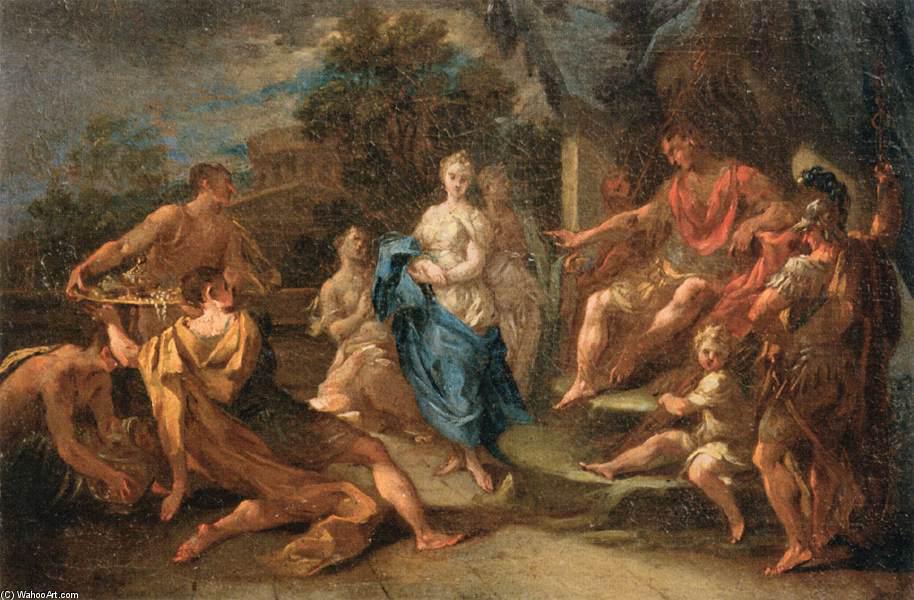
スキピオの節制
 キャンバスに油彩
- ウォールアート
- Baroque Sensuality
 1720
1720 24.0 x 35.0 cm
 ルーブル美術館
 詳細を見る
詳細を見る




P118B $10

P118H $10

P118W $10

P438Z $10

P508JH $12

P508YH $12

P805H $10

P805Z $10

P919BZ $10

P919G $10

P919XJ $10

P959ZH $10

P968JZ $12

W106C $8

W218G $10

W218JH $8

W218Y $10

W307PJ $10

W316G $10

W316PJ $8

W316Y $10

W398PJ $8

W4111J $10

W500HY $15

W500JH $15

W692G $12

W849H $8

W940BG $15

W953PJ $8




作品のオリジナル比率に合わせた、当店の規定サイズからお選びください。

特定のフレームやスペースに合わせて、ご希望のサイズをご入力いただけます。選択されたサイズが元の画像の比率と異なる場合、アートワークをトリミングするか、手描きで要素を追加して絵画を拡張いたします。デジタルモックアップ を制作し、制作開始前にご確認(承認)をいただきます。
画面上のプレビューは、実際のトリミングや拡張を正確に反映しているものではありません。最終的な構図は、モックアップによってのみ正確にご確認いただけます。
カスタムサイズもご利用いただけますが、元の比率を維持するためには、あらかじめ用意されたリストからサイズを選択することをお勧めいたします。
ご注文後、ArtsDot.com チームより詳細な指示をお送りするとともに、仕上がりイメージ(モックアップ)をご提供いたします。


 ガラスオプションは、110cm未満のサイズでのみご利用いただけます。

スキピオの節制
複製技法
複製画のサイズ
-


合計金額
$ 263
作品解説
ミケレ・ロッカの「スキピオの節制」:バロックの官能と古典主義の融合が生み出す感動的な絵画
イタリアの画家ミケレ・ロッカは、1671年にパルマで生まれ、約50年間活躍しました。彼は特にローマで活動し、ピエトロ・ダ・コルトナなどの巨匠から指導を受けました。ロッカの芸術的視線はバロック時代の官能主義を特徴とし、フランスのロココスタイルの影響を受けていました。彼の作品は豊かな色彩と洗練された筆致でいっぱいの神話画が多く、ローマ美術史やパリ貴族からの patronage を反映しています。特に「スキピオの節制」は、その卓越した技術と表現力によって今なお多くの人々を魅了し続けています。- 作品の詳細:ロッカが描いた「スキピオの節制」は、ローマで制作された油絵で、サイズは24×35センチメートルです。この傑作はパリのルーブル美術館に収蔵されています。
- 芸術的意義:この絵画は、タイトルにあるように節制というテーマを扱っています。スキピオ・アエネアスはローマの英雄であり、彼の徳を表現するために描かれました。ロッカは古典的な衣装を着た人物たちを描き、当時の歴史的な背景を忠実に再現しています。
- 絵画の特徴:ロッカの絵画スタイルは写実主義であり、細部まで描き込まれています。特に光と影の効果を利用することで立体感を表現し、視覚的に印象的な作品となっています。絵画の色調は大地色を基調とし、どこか落ち着いた雰囲気を作り出しています。
- 美術館での鑑賞:ルーブル美術館では、「スキピオの節制」をはじめとするロッカの作品群を鑑賞することができます。この絵画は、バロック美術の最高峰の一つとして知られています。
- 複製品の魅力:高品質な油絵複製品は、「スキピオの節制」の美しい色彩と繊細さを自宅に持ち帰ることができます。ルーブル美術館で感動的な体験をした人々が、この絵画を鑑賞することで再び同じ感動を得られるでしょう。
関連作品




アーティストの略歴
Michele Rocca (1671 - 1751): The Sensuous Baroque Master
Michele Rocca, born in Parma around 1671 and dying sometime after 1751, was an Italian painter of the Baroque period. He gained renown as Parmigianino the younger or Michele da Parma, primarily active in Rome where he honed his skills under Pietro da Cortona. Rocca’s artistic vision embraced a profound sensualism—a characteristic deeply rooted in the burgeoning French Rococo style—evident throughout his oeuvre. His canvases frequently depicted mythological scenes brimming with opulent color palettes and masterful brushwork, reflecting influences from both Roman art history and the aristocratic patronage of Parisian courts.- Early Life & Training: Rocca’s formative years were spent in Parma, where he received instruction from Giovanni Battista Ferrari, establishing a foundation for his later artistic endeavors.
- Roman Period (1692-1730): Rocca's arrival in Rome marked the commencement of his prolific career as a painter. He quickly established himself within the Roman art scene and cultivated relationships with influential figures who shaped his artistic trajectory.
Notable Works & Artistic Style
Rocca’s distinctive style is characterized by its luminous pigmentation, intricate detailing, and expressive handling of paint—qualities that cemented his reputation as a “petit maître,” a master craftsman specializing in small-scale cabinet pictures. His most celebrated works include "San Michele," a monumental fresco adorning the church of San Michele in Bologna, showcasing his mastery of perspective and dramatic composition. Equally captivating is “Satyr Crowned by a Nymph,” a delicately rendered mythological scene demonstrating Rocca’s meticulous attention to textural nuances and color harmonies. These paintings exemplify the Rococo aesthetic—a style defined by graceful curves, pastel hues, and idealized representations of human figures—reflecting the prevailing artistic sensibilities of his time.- “San Michele” Fresco (Bologna): Demonstrates Rocca’s exceptional skill in perspective and dramatic storytelling.
- “Satyr Crowned by a Nymph”: Exemplifies Rococo style with its refined textures and harmonious color palette.
Influences & Artistic Legacy
Rocca's artistic development was profoundly impacted by the stylistic innovations of Pietro da Cortona, whose frescoes in St. Peter’s Basilica served as a pivotal inspiration. Furthermore, he absorbed influences from Flemish Baroque painters—particularly Rubens—whose dynamic compositions and emotive brushwork instilled in Rocca a commitment to conveying psychological depth within his artworks. Rocca's legacy extends beyond his individual paintings; he established himself as a respected teacher and mentor, nurturing the talents of younger artists who continued to champion his artistic vision. His contribution to the Baroque tradition remains significant, securing his place among Italy’s most celebrated painters—a testament to his enduring artistry and stylistic brilliance.References
Bryan, Michael (1889). Walter Armstrong; Robert Edmund Graves (eds.). Dictionary of Painters and Engravers, Biographical and Critical. Vol. II L-Z. London: George Bell and Sons. p. 396. Wikipedia: Michele Rocca - https://en.wikipedia.org/wiki/Michele_Rocca WGAH: Rocca, Michele - https://www.wga.hu/bio_m/r/rocca/biograph.html Getty Museum: Michele Rocca - https://www.getty.edu/art/collection/person/103K1R My Open Museum: Michele Rocca - https://myopenmuseum.com/en/artist/michele-rocca-6836834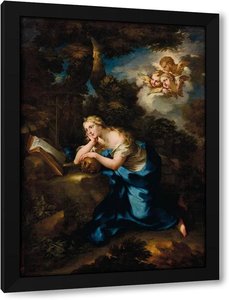
michele rocca
1710 - 1751 , Italy
基本情報
- Artistic Movement Or Style: Baroque Rococo
- Artists Or Movements Influenced By This Artist: ['Jean-Michel Basquiat']
- Artists Who Influenced This Artist: ['Pietro da Cortona']
- Date Of Birth: 1671 Parma Italy
- Date Of Death: ca. 1751 Venice Italy
- Full Name: Michele Rocca
- Nationality: Italian
- Notable Artworks: ['The J. Paul Getty Museum Collection']
- Place Of Birth: Parma Italy
関連記事
Baroque Classicism: Reconciling Drama & Order in 17th-Century Art
Explore the captivating world of Baroque Classicism! Discover its history, key artists like Caravaggio & Rubens, and defining characteristics. Expert insights & high-quality reproductions at ArtsDot.
Neo-Classicism's Greatest Hits: 10 Masterpieces for Your Home |
Journey through Neo-Classicism's finest! Explore 10 iconic masterpieces by David, Ingres & Canova. Discover art history, techniques & timeless beauty – perfect for inspiring your home decor. Find museum-quality reproductions at

バロックのドラマ:現代のインテリアに壮麗さと情感を取り込む
バロック様式の歴史、絵画、家具の魅力をご紹介。ArtsDotでは、高品質な油絵複製やカスタムポートレートをご提供し、現代のインテリアに壮麗さと情感を取り入れます。アートコンサルテーションも承ります。
Decoding Baroque Grandeur: A Guide to the Drama and Emotion of 17th-Century Art
Explore the breathtaking drama of 17th-century Baroque art. Our expert guide decodes the use of chiaroscuro, emotional intensity, and historical grandeur to help you appreciate and curate timeless masterpieces for your collection.
The Enduring Legacy of Classicism: Principles, Evolution & Influence in Western Art
Explore the enduring legacy of Classicism in Western art! Discover its historical context, key principles, iconic masterpieces & lasting influence. Learn about Renaissance and Neoclassical movements with ArtsDot.