

 プレビュー
プレビュー
 プリントを購入
 シェアする
シェアする シェアする
シェアする
 詳細を見る
詳細を見る

 ダウンロード
 似ている作品
 X線調査
X線調査 スライドショー
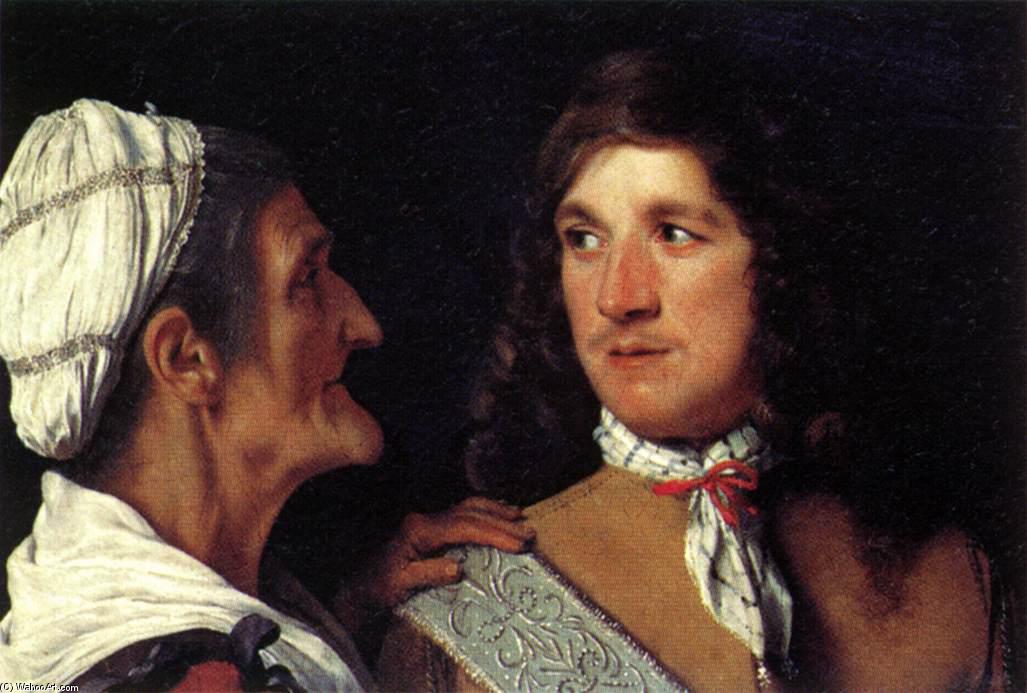
Young Man and the Procuress
 Oil On Copper
- Baroque
 1660
1660- Early Modern
 19.0 x 27.0 cm
 ルーブル美術館
 詳細を見る
詳細を見る




P118B $10

P118H $10

P118W $10

P438Z $10

P508JH $12

P508YH $12

P805H $10

P805Z $10

P919BZ $10

P919G $10

P919XJ $10

P959ZH $10

P968JZ $12

W106C $8

W218G $10

W218JH $8

W218Y $10

W307PJ $10

W316G $10

W316PJ $8

W316Y $10

W398PJ $8

W4111J $10

W500HY $15

W500JH $15

W692G $12

W849H $8

W940BG $15

W953PJ $8




作品のオリジナル比率に合わせた、当店の規定サイズからお選びください。

特定のフレームやスペースに合わせて、ご希望のサイズをご入力いただけます。選択されたサイズが元の画像の比率と異なる場合、アートワークをトリミングするか、手描きで要素を追加して絵画を拡張いたします。デジタルモックアップ を制作し、制作開始前にご確認(承認)をいただきます。
画面上のプレビューは、実際のトリミングや拡張を正確に反映しているものではありません。最終的な構図は、モックアップによってのみ正確にご確認いただけます。
カスタムサイズもご利用いただけますが、元の比率を維持するためには、あらかじめ用意されたリストからサイズを選択することをお勧めいたします。
ご注文後、ArtsDot.com チームより詳細な指示をお送りするとともに、仕上がりイメージ(モックアップ)をご提供いたします。


 ガラスオプションは、110cm未満のサイズでのみご利用いただけます。

Young Man and the Procuress
複製技法
複製画のサイズ
-


合計金額
$ 263
作品解説
Young Man and the Procuress: A Baroque Encounter
The painting “Young Man and the Procuress” by Michiel Sweerts stands as a testament to the Baroque fascination with capturing fleeting moments of human emotion amidst opulent surroundings. Created in 1660, this oil on copper masterpiece resides within the Musée du Louvre’s esteemed collection, offering visitors an unparalleled glimpse into the artistic sensibilities of its era. Sweerts, a prolific artist who traversed Europe – from Italy to Persia and India – skillfully blended Flemish realism with Italianate grandeur, establishing himself as one of the most influential painters of his time.Style and Technique: Light and Shadow's Dance
Sweerts’ masterful manipulation of light and shadow is immediately apparent upon viewing “Young Man and the Procuress.” Like many artists of the Baroque period, including Eugène Delacroix and Jean-Honoré Fragonard, he employed chiaroscuro – dramatic contrasts between illumination and darkness – to draw the viewer's gaze inward. The dark background serves as a canvas for highlighting the figures in the foreground, creating an atmosphere of quiet contemplation and intensifying their psychological presence. This technique wasn’t merely decorative; it conveyed profound emotional depth, mirroring the turbulent currents beneath the surface of aristocratic society.Subject Matter: Ambiguity and Narrative Intrigue
The painting depicts a young man – dressed in a pristine white shirt adorned with delicate lace – engaged in conversation with an older woman whose gaze is fixed upon him with palpable seriousness. The precise relationship between these two individuals remains elusive, inviting viewers to ponder the unspoken narrative behind the scene. This deliberate ambiguity aligns perfectly with Sweerts’ artistic ethos—a hallmark of his style that prioritizes psychological complexity over literal representation. It's a subtle invitation to consider themes of desire, vulnerability, and societal expectations.Historical Context: The Bamboccianti Tradition
Sweerts belonged to the Bamboccianti – a group of Northern European artists who revolutionized painting by embracing genre scenes depicting everyday life in Italy. Unlike traditional mythological or religious narratives, these paintings focused on capturing authentic human experiences—the bustling marketplaces of Rome, the intimate gatherings of aristocratic families—catering to a burgeoning demand for art that reflected the realities of contemporary society. “Young Man and the Procuress” exemplifies this trend, offering a window into the moral dilemmas and emotional nuances prevalent during the Baroque period.Symbolism: Lace and Light – Hints of Hidden Meaning
The painting’s visual elements are laden with symbolic significance. The lace adorning the young man's shirt represents purity and refinement—values prized within aristocratic circles. Simultaneously, the pervasive use of light underscores Sweerts’ commitment to capturing fleeting moments of emotion and psychological intensity. These carefully chosen details contribute to the artwork’s enduring power to provoke contemplation and inspire interpretation.Conclusion: An Echo of Baroque Emotion
“Young Man and the Procuress” transcends mere visual representation; it embodies the spirit of the Baroque era—a period characterized by dramatic contrasts, heightened emotion, and an unwavering pursuit of artistic truth. Michiel Sweerts’ legacy rests upon his ability to distill complex psychological states into captivating images that continue to resonate with audiences centuries later. Its presence in the Louvre ensures its place as a cornerstone of Western art history.- Artist: Michiel Sweerts
- Year Created: 1660
- Medium: Oil on Copper
- Location: Musée du Louvre, Paris
関連作品
![Stanze Vaticane - The School Of Athens (detail) [08] — ラファエロ, Renaissance](/media/artworks/images-thumb/6c/b3/6cb3f1285155086a03ef9e38aadda04f.jpg)

アーティストの略歴
国境を越えた生涯:謎に包まれたミヒール・スウェルツの真実
1618年、ブリュッセルに生を受けたミヒール・スウェルツは、活気あふれるバロック美術界において、非常に魅力的でありながらも、しばしば見過ごされてきた存在でした。彼の人生は驚くべき移動の連続であり、イタリア、ベルギー、アムステルダムといった文化的な風景を渡り歩き、さらにはペルシャやインドという異国情緒あふれる領域にまで足を踏み入れました。単一の伝統に固執した多くの画家とは異なり、スウェルツは多様な影響を吸収し、フランドルの写実主義にイタリア的な壮大さとオランダの風俗画的な感性を融合させた、独自のスタイルを築き上げました。初期の修行についてはほとんど分かっていませんが、彼は1646年頃にはすでに完成された芸術家としてローマに現れ、即座に「バンボッチャンティ」として知られる画家集団の一員となりました。主に北欧出身のこれらの画家たちは、活気ある街角、慎ましい工房、そしてローマ社会を彩る個性豊かな人々といったイタリアの日常風景を描くことを得意とし、故郷のコレクターたちの間で高まっていた風俗画への需要に応えていたのです。ローマとバンボッキャンティ:写実主義の礎
スウェルツはこのグループの中で瞬く間に地位を確立しましたが、単なる絵画的な美しさにとどまらない、高度な様式的習熟と底流にある社会的な批評眼によって、他の画家たちと一線を画していました。表面的な魅力に終始した他の画家たちに対し、スウェルツは人間性の鋭い観察と、日々の生活の複雑さをその情景に吹き込みました。特に、厳格な訓練とともに創造性が花開いた場所である「芸術家の工房」を描いた作品は非常に洞察に満ちており、当時の芸術的プロセスを垣間見せてくれます。彼は単に目に見えるものを記録していたのではありません。彼はそれらを分析し、確立された規範に密かに疑問を投げかけ、芸術教育や知的探求というテーマを探究していたのです。この時期、スウェルツは魅力的な肖像画や、「トローニ」と呼ばれる作品も手がけました。これらは必ずしも正確な似顔絵としてではなく、表情や類型的な人間像を探求するための習作でした。彼の高まる名声は、ドゥーツ家やカンッィッロ・パンフィーリ公といった有力者たちの庇護を引き寄せ、ローマの芸術界における彼の地位を確固たるものにしました。放浪する芸術家:広がりゆく地平
しかし、ローマがスウェルツにとって永遠の故郷となることはありませんでした。1655年頃、彼は一時的にブリュッセルへと戻り、そこでデッサン・アカデミーを設立しました。これは、彼がいかに芸術的才能の育成に情熱を注いでいたかを示す証左といえます。この試みは短期間に終わりましたが、彼の教育的な志向と知識を共有したいという願いを物語っています。その後、彼の旅は1660年代初頭のアムステルダムへと彼を導き、繁栄を極めるオランダ黄金時代の芸術シーンへと没入させました。オランダの巨匠たちが持つ緻密な写実主義、卓越した光の操り方、そして風俗的な主題への集中は、彼の後期の作品に鮮明に表れています。しかし、スウェルツにとって最も驚くべき旅は、その先に待ち受けていました。それはペルシャとインド(ゴア)への航海です。この時期に関する詳細は謎に包まれており、乏しいものですが、この旅が彼の文化的視野を広げ、芸術的語彙に新たな視点や異国的な要素をもたらしたことは疑いようもありません。この旅の最中の具体的な活動内容は、今なお彼のキャリアにおける永続的な謎の一つとして残っています。再発見された遺産:新時代のためのバロックの巨匠
1664年に没したミヒエール・スウェルツは、生前には高く評価されていたものの、その作品群は次第に忘却の彼方へと消えていきました。彼のバロック美術への貢献が再発見され、再評価されるようになったのは、20世紀になってからのことでした。今日、彼の絵画はロンドンのナショナル・ギャラリー、デトロイト美術館をはじめ、ヨーロッパやアメリカの数多くの名高い美術館に収蔵されており、その不朽の芸術的価値を証明しています。スウェルツの重要性は、単なる技術的な巧みさだけでなく、イタリア・バロックのドラマ、オランダの写実主義、そして東洋の異国的な魅力という多様な影響を見事に融合させた能力にあります。彼は、相互に繋がり始めた17世紀の芸術界を体現した、真に国際的な芸術家でした。彼の作品は単なる視覚的な愉悦を超え、鋭い観察と繊細な批評を反映し、当時の社会構造を洞察する窓を提供してくれます。ジャン・ドゥーツの肖像であると信じられている赤いマントを纏った男の肖像は、彼の肖像画における卓越した技量を象徴しており、一方でその風俗画は、生き生きとした細部描写と物語的な深みによって、今なお観る者を魅了し続けています。ミヒール・スウェルツは謎に満ちた人物であり続けていますが、その芸術的遺産は、独自のビジョンと人間体験を捉えようとする揺るぎない献身によってバロック時代を豊かにした多才な巨匠として、ようやくふさわしい評価を受けようとしているのです。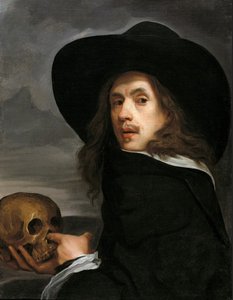
ミヒール・スウェールツ
1618 - 1664 , ベルギー
基本情報
- Artistic Movement Or Style: バロック、バンボッチャーンティ
- Artists Or Movements Influenced By This Artist:
- 風俗画
- バンボッチャーンティの伝統
- Artists Who Influenced This Artist:
- イタリア・バロックの画家
- バンボッチャーンティ
- オランダの巨匠
- Date Of Birth: 1618年
- Date Of Death: 1664年
- Full Name: ミヒール・スウェールツ
- Nationality: フランドル
- Notable Artworks:
- 赤いマントを着た男の肖像
- デッサン教室
- 青年と女衒
- 少年の肖像
- Place Of Birth: ベルギー、ブリュッセル
関連記事
Decoding Baroque Grandeur: A Guide to the Drama and Emotion of 17th-Century Art
Explore the breathtaking drama of 17th-century Baroque art. Our expert guide decodes the use of chiaroscuro, emotional intensity, and historical grandeur to help you appreciate and curate timeless masterpieces for your collection.

Dutch Baroque Masters: 10 Paintings That Shaped an Era | ArtsDot
Journey through the Golden Age with our guide to the Top 10 Dutch Baroque masterpieces! Explore iconic paintings by Rembrandt, Vermeer & Frans Hals. Find museum-quality art reproductions and elevate your home decor at ArtsDot.com.
Masterpieces of the 17th Century: Art, History & Decor Inspiration | ArtsDot
Journey through 17th century art with masterpieces by Rembrandt, Vermeer & Caravaggio. Explore Baroque paintings, Dutch Golden Age techniques & timeless beauty. Find museum-quality reproductions and elevate your home decor on ArtsDot.com.

バロック美術を極めた至宝:時代を彩る10大名作の世界
バロック美術の華!カラヴァッジョ、ベルニーニら巨匠が創り上げた10大名作を徹底解剖。ドラマチックな色彩と豪華絢爛の世界観に触れ、至宝のアートプリントで空間を彩ろう。ArtsDot.comで美術館品質の複製と洗練されたインテリアを見つけましょう!

Giclée Prints: Archival Quality & Aesthetic Nuances for the Discerning Collector
Explore the world of giclée prints with ArtsDot. Learn about archival quality, aesthetic nuances & investment potential. Expert guidance for discerning art collectors seeking museum-quality reproductions and lasting value.

