

 プレビュー
プレビュー
 シェアする
シェアする シェアする
シェアする
 詳細を見る
詳細を見る

 ダウンロード
 似ている作品
 X線調査
X線調査 スライドショー
 Stats
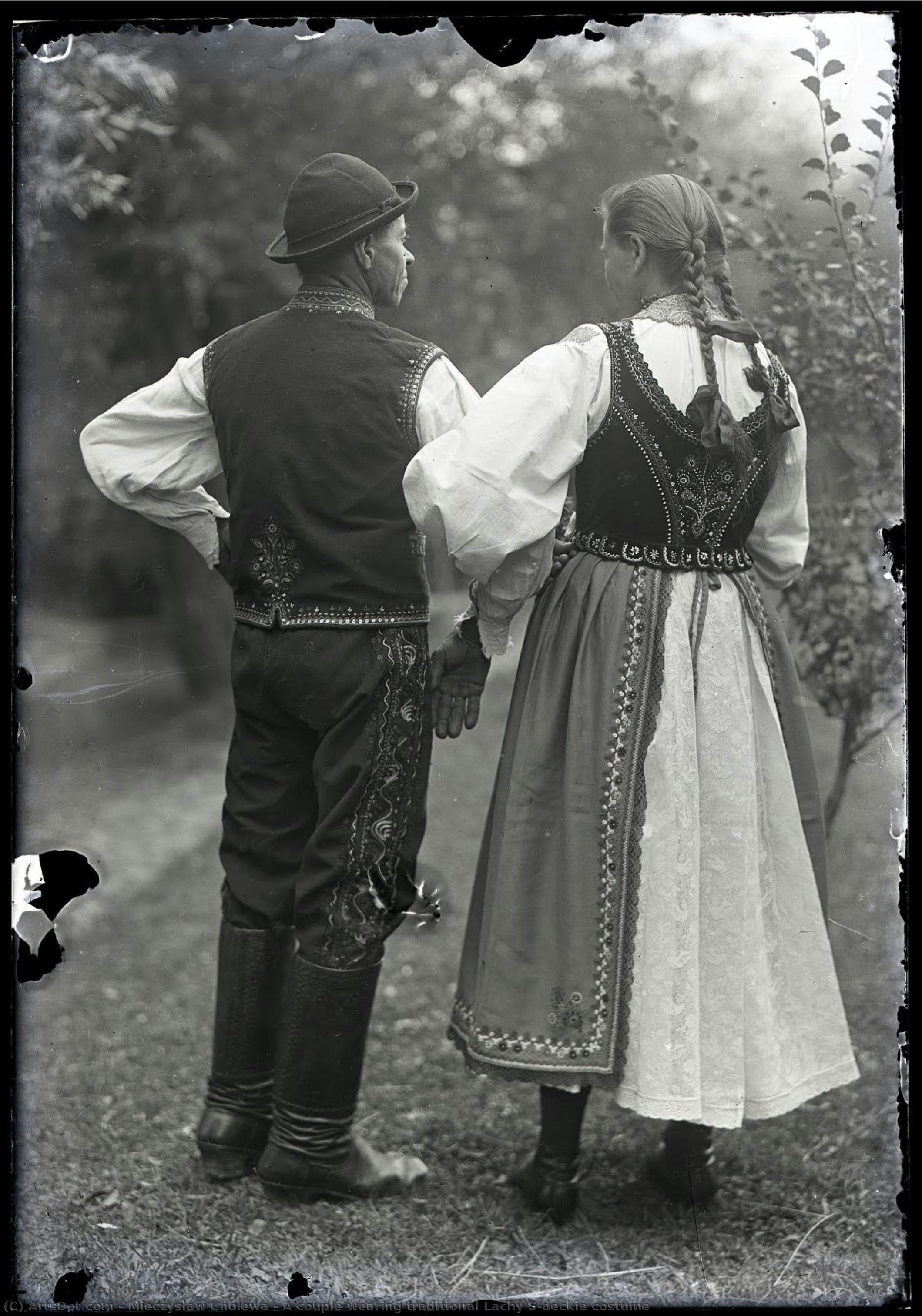
StatsA couple wearing traditional Lachy Sądeckie costume
 1939
1939 9.0 x 13.0 cm
 The State Ethnographic Museum in Warsaw
 詳細を見る
詳細を見る
ジークレー/アートプリント
迅速な制作と多彩な仕上げオプションを備えた、ミュージアムクオリティのジークレーまたはキャンバスプリント。 ( 手描きの絵画を購入 Switch to Digital Image)




































作品のオリジナル比率に合わせた、当店の規定サイズからお選びください。

特定のフレームやスペースに合わせて、ご自身でサイズを指定することも可能です。選択されたサイズが元の画像の比率と一致しない場合、作品をトリミングするか、鏡面反射または単色での塗りつぶしによって画像を拡張いたします。制作を開始する前に、ご確認用のデジタルモックアップをお送りいたします。
画面上のプレビューには、実際のトリミングや拡張は反映されませんのでご注意ください。最終的な構図を正確に確認できるのは、モックアップのみとなります。
カスタムサイズも承っておりますが、元の比率を維持するためには、あらかじめ用意されたリストからサイズを選択することをお勧めいたします。


 ガラスオプションは、110cm未満のサイズでのみご利用いただけます。

A couple wearing traditional Lachy Sądeckie costume
ジークレー/アートプリント
複製画のサイズ
-


合計金額
$ 62
関連作品









アーティストの略歴
A Witness to a Vanishing World: The Photography of Mieczysław Cholewa
Mieczysław Cholewa, born in Szczecin, Poland in 1913 and passing away in 1978, was more than just a photographer; he was a dedicated chronicler of a disappearing way of life. While not formally trained as an artist, his passion for documenting the Sądecczyzna region – a mountainous area in southern Poland – transformed him into a vital visual historian. He worked tirelessly during the interwar period to capture the essence of folk culture within the Polish Carpathians, preserving traditions that were rapidly succumbing to the pressures of modernization and political upheaval. Cholewa’s photographs weren't simply portraits; they were acts of preservation, imbued with a deep respect for the people and customs he encountered. He wasn’t an outsider looking in, but rather someone deeply connected to the land and its inhabitants, born and raised within the very culture he sought to immortalize.The Sądecczyzna: A Region Steeped in Tradition
To understand Cholewa's work is to understand the unique character of the Sądecczyzna region. This area, nestled amongst the Carpathian Mountains, possessed a distinct cultural identity shaped by its isolation and history. The inhabitants, often referred to as the *Lachy Sądeckie*, maintained customs passed down through generations – vibrant traditional costumes, intricate woodcarving, distinctive music and dance, and a strong sense of community. Cholewa recognized that this rich heritage was fragile, threatened by increasing contact with the outside world and the changing social landscape of Poland. His photographs became a testament to their resilience and beauty, capturing not just *what* they wore or *how* they lived, but also *who* they were – proud, independent people deeply rooted in their ancestral traditions. He focused on documenting these details before they faded into memory.A Self-Taught Eye: Technique and Style
Cholewa’s photographic style was characterized by its directness and honesty. Working with the equipment available at the time – primarily large format cameras – he favored natural light and unposed compositions. His portraits are remarkably intimate, revealing the character and dignity of his subjects. While not striving for artistic embellishment, his images possess a quiet power derived from their clarity and authenticity. He wasn’t interested in creating idealized representations; instead, he sought to capture the reality of everyday life in the Sądecczyzna. The black and white medium further enhances the timeless quality of his work, lending a sense of gravitas and solemnity to his subjects. His compositions often highlight the intricate details of traditional costumes – the elaborate embroidery, the woven belts, the distinctive headwear – emphasizing the artistry and skill involved in their creation.Preserving a Legacy: Cholewa’s Enduring Impact
Although he remained largely unknown outside his immediate region during his lifetime, Mieczysław Cholewa's work has gained increasing recognition in recent years as scholars and art enthusiasts have rediscovered his remarkable archive. His photographs offer an invaluable glimpse into the cultural life of the Sądecczyzna during a pivotal period in Polish history. They serve as a powerful reminder of the importance of preserving traditional cultures and documenting the lives of marginalized communities. His images are not merely historical artifacts; they are living testaments to the enduring spirit of the Lachy Sądeckie. Today, his photographs are exhibited in museums and galleries, studied by ethnographers, and cherished by those seeking to understand Poland’s rich cultural heritage.Major Achievements & Historical Significance
Cholewa's greatest achievement lies not in mastering a particular photographic technique or achieving widespread fame, but in his unwavering dedication to documenting the Sądecczyzna region. He created an unparalleled visual record of a culture on the brink of change, preserving traditions that might otherwise have been lost forever. His work stands as a powerful example of how photography can be used as a tool for cultural preservation and social documentation. In a time when Poland was grappling with issues of national identity and modernization, Cholewa’s photographs offered a glimpse into the heart of its rural communities, celebrating their unique customs and traditions. His legacy continues to inspire photographers and ethnographers today, reminding us of the importance of bearing witness to the world around us and preserving the stories of those whose voices might otherwise be silenced.
mieczysław cholewa
1913 - 1978 , Poland
基本情報
- Artistic Movement Or Style: Photography, Ethnography
- Date Of Birth: 1913
- Date Of Death: 1978
- Full Name: Mieczysław Cholewa
- Nationality: Polish
- Notable Artworks:
- Portrait of a woman...
- A couple wearing traditional...
- A couple wearing Lachy...
- Place Of Birth: Szczecin, Poland