

 プレビュー
プレビュー
 プリントを購入
 シェアする
シェアする シェアする
シェアする
 詳細を見る
詳細を見る

 ダウンロード
 似ている作品
 X線調査
X線調査 スライドショー
Poster design
 Surrealism
 1925
1925 100.0 x 70.0 cm
 詳細を見る
詳細を見る




































作品のオリジナル比率に合わせた、当店の規定サイズからお選びください。

特定のフレームやスペースに合わせて、ご希望のサイズをご入力いただけます。選択されたサイズが元の画像の比率と異なる場合、アートワークをトリミングするか、手描きで要素を追加して絵画を拡張いたします。デジタルモックアップ を制作し、制作開始前にご確認(承認)をいただきます。
画面上のプレビューは、実際のトリミングや拡張を正確に反映しているものではありません。最終的な構図は、モックアップによってのみ正確にご確認いただけます。
カスタムサイズもご利用いただけますが、元の比率を維持するためには、あらかじめ用意されたリストからサイズを選択することをお勧めいたします。
ご注文後、ArtsDot.com チームより詳細な指示をお送りするとともに、仕上がりイメージ(モックアップ)をご提供いたします。


 ガラスオプションは、110cm未満のサイズでのみご利用いただけます。

Poster design
複製技法
複製画のサイズ
-


合計金額
$ 263
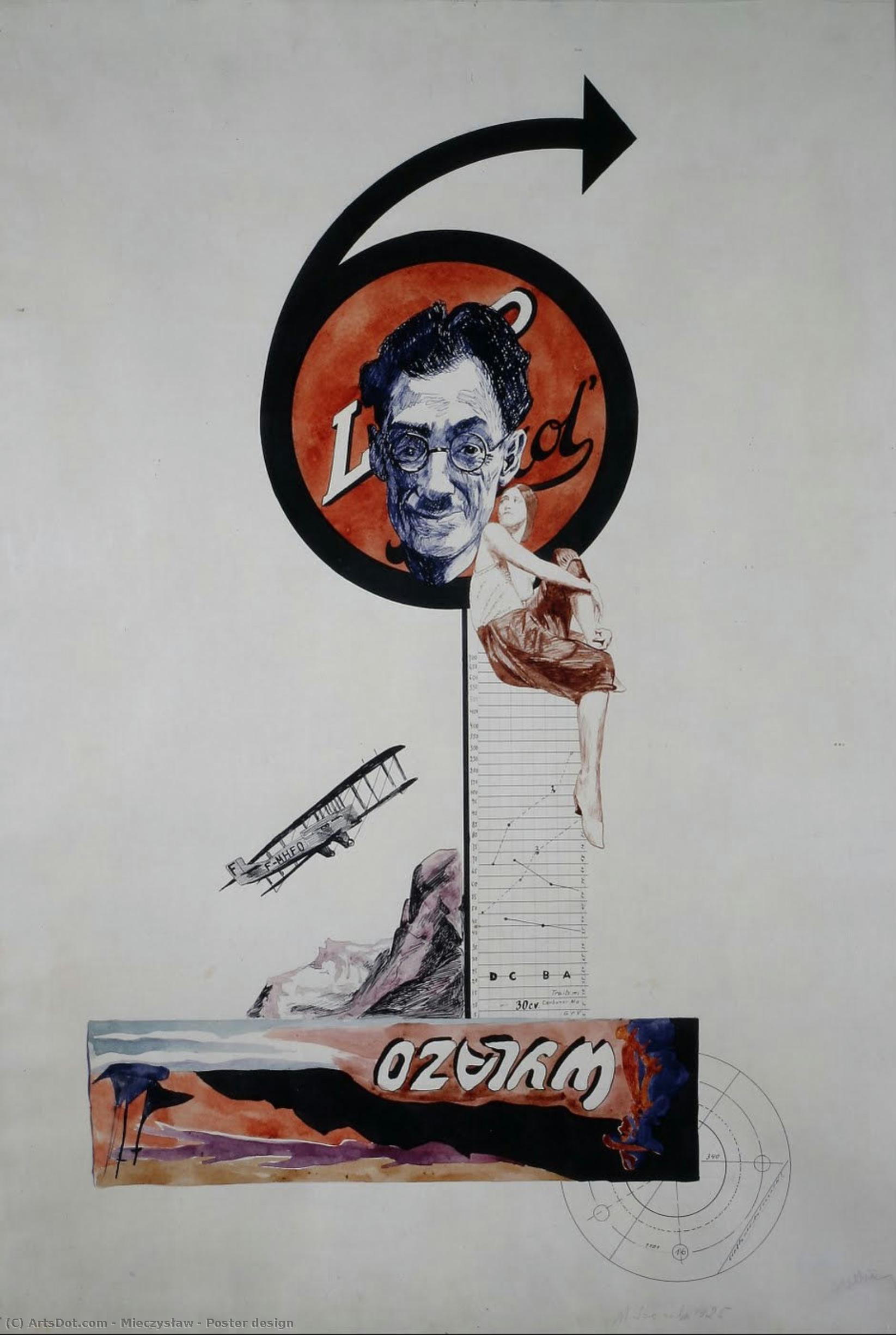
A Surreal Journey: Unraveling Mieczysław Szczuka's "Poster Design"
This striking artwork, titled “Poster Design,” created in 1925 by Polish avant-garde artist Mieczysław Szczuka, is a captivating exploration of surrealism and Dadaist sensibilities. Measuring 100 x 70 cm, it presents a visually arresting collage that defies easy interpretation, inviting viewers to delve into its layered symbolism and dreamlike atmosphere.
Style & Technique: A Fusion of Modern Movements
Szczuka’s “Poster Design” exemplifies the artistic ferment of the interwar period. Drawing heavily from Dadaism and Surrealism, the piece rejects traditional representational art in favor of a fragmented, illogical composition. The style is characterized by loose lines, visible brushstrokes, and a flattened perspective – hallmarks of early modern experimentation. The artwork appears to be primarily executed using watercolor and ink on paper, resulting in a textured surface that enhances its tactile quality. The technique reflects the artist’s interest in photomontage, a popular medium among avant-garde artists of the time.
Symbolism & Composition: A Puzzle of Modernity
<- The Central Portrait: A man wearing glasses occupies the focal point, seemingly suspended within this chaotic landscape. His presence suggests a figure grappling with the complexities of modern life.
- Disparate Elements: The composition is populated by an eclectic mix of elements – geometric shapes, architectural fragments (a skyscraper and bridge), naturalistic forms (waves and rocks), and enigmatic text snippets ('6', 'L', 'OZ', 'D.C.') These seemingly random juxtapositions create a sense of disorientation and intrigue.
- The Guiding Arrow: A prominent arrow pointing to the right introduces an element of dynamism, suggesting movement or direction within this surreal realm. It could symbolize progress, escape, or perhaps even manipulation.
- Textual Fragments: The scattered letters and abbreviations add another layer of complexity, hinting at a coded message or a commentary on urban life and its fragmented communication systems.
The overall effect is akin to peering into a dreamscape – a visual puzzle that resists straightforward resolution.
Historical Context & Artistic Significance
Mieczysław Szczuka (1898-1927) was a pivotal figure in the Polish avant-garde movement. He studied at the Academy of Fine Arts in Warsaw and actively participated in groups like "Blok," which championed utilitarianism and sought to integrate art into everyday life. His tragically short career, cut short by his death during a mountaineering expedition in 1927, produced a body of work that explored various media including book illustration, theatre design, and abstract film. “Poster Design” reflects the broader cultural anxieties and artistic innovations of the 1920s – a period marked by rapid industrialization, social upheaval, and a questioning of traditional values. Szczuka’s work stands as a testament to this era's experimental spirit and its desire to forge new visual languages.
Emotional Impact & Appeal
“Poster Design” evokes a range of emotions – disorientation, intrigue, and perhaps even a touch of melancholy. The warm color palette and dynamic composition create an engaging visual experience, while the enigmatic symbolism invites contemplation. This piece is ideal for collectors seeking unique and thought-provoking artwork, as well as interior designers looking to add a touch of surrealist flair to their spaces. Its blend of recognizable imagery and abstract elements ensures it will spark conversation and captivate viewers for years to come.
関連作品
アーティストの略歴
Mieczysław Szczuka: Life and Artistic Journey
- Born: October 19, 1898, Warsaw, Poland
- Died: August 13, 1927, Tatra Mountains, Poland (aged 28)
- Nationality: Polish
Mieczysław Szczuka was a significant figure in the Polish avant-garde art scene of the early 20th century. He was not only a painter and graphic artist but also an avid mountaineer, whose life tragically ended during a climbing expedition. His artistic career spanned various movements including Cubism, Futurism, Constructivism, and Productivism, reflecting his experimental approach to art and design.
Early Life and Artistic Education
- Szczuka received his formal artistic education at the Academy of Fine Arts in Warsaw from 1915 to 1918 under Professor Miłosz Kotarbiński.
- During this period, he met Teresa Żarnowerówna, who became both a life partner and a significant collaborator in his artistic endeavors.
- Initially influenced by Expressionism, Szczuka's early works featured dramatic religious paintings exhibited at the Polish Arts Club in Warsaw in 1920.
Artistic Development and Key Movements
- Shift to Constructivism: By 1921, Szczuka began moving away from traditional painting towards more abstract and spatial compositions, influenced by Cubism and Futurism. He experimented with wood and papier-mâché, creating multi-faceted works that explored textural effects and color intensity.
- Productivism and Utilitarianism: A key aspect of Szczuka's artistic philosophy was his embrace of Productivism, advocating for the social utility of art. This led him to focus on design projects such as typography, theatre sets, monuments, and abstract films.
- "Blok" Group: In 1924, he co-founded the "Blok" group alongside Żarnowerówna, Henryk Stażewski, and Edmund Miller. This collective championed Constructivist and Suprematist ideals in Polish art. The group's journal served as a platform for disseminating their ideas and showcasing their work.
- Influence of Russian Constructivism: Szczuka’s artistic evolution was significantly shaped by Russian Constructivism, which emphasized the integration of art with social and industrial production.
Major Works and Contributions
- Spatial Construction – Portrait of a Revolutionary (1922): This work exemplifies his exploration of spatial design and typography.
- Abstract Films: Szczuka experimented with abstract film, pushing the boundaries of cinematic expression. Details about these films are scarce but demonstrate his innovative spirit.
- Book Illustrations and Typography Designs: He made significant contributions to Polish book illustration and typography, reflecting his commitment to utilitarian art.
- Theatrical Set Design: Szczuka designed sets for theatrical productions, integrating avant-garde aesthetics into the performing arts.
Legacy and Historical Significance
- Szczuka's work remains an important example of Polish Constructivism and Productivism, demonstrating a commitment to social engagement and functional design.
- His tragic death at a young age cut short a promising career, but his contributions continue to inspire artists and designers today.
- He is remembered as a pioneer who challenged traditional artistic conventions and sought to integrate art with everyday life.
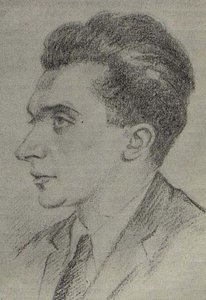
Mieczysław Szczuka
1898 - 1927 , Poland
基本情報
- Artistic Movement Or Style:
- Constructivism
- Productivism
- Artists Or Movements Influenced By This Artist: ['Blok Group']
- Artists Who Influenced This Artist:
- Miłosz Kotarbiński
- Futurists
- Dadaists
- Date Of Birth: October 19, 1898
- Date Of Death: August 13, 1927
- Full Name: Mieczysław Szczuka
- Nationality: Polish
- Notable Artworks:
- Spatial Construction – Portrait
- Self-Portrait with a Palette
- Place Of Birth: Warsaw, Poland
関連記事
Stanisław Wyspiański: Symbolism, National Identity & the Polish Secession
Explore the life & work of Stanisław Wyspiański, a pivotal figure in Polish Symbolism and the Young Poland movement. Discover his iconic paintings, dramas, and stained glass designs reflecting national identity & artistic innovation.
Jacek Yerka: Surreal Visions & Nostalgia in Contemporary Polish Painting
Explore the captivating surreal worlds of Jacek Yerka, a leading Polish painter renowned for his meticulous Flemish technique & dreamlike landscapes. Discover his unique style and learn about collecting this exceptional artist's work.
Jan Matejko: Historical Narrative & National Identity in 19th-Century Polish Painting
Explore the powerful historical paintings of Jan Matejko, Poland's national artist. Discover his iconic works & learn how he shaped Polish identity in the 19th century. High-quality reproductions available.
マックス・エルンスト傑作25選:シュルレアリスムの深淵と装飾への誘い
マックス・エルンストの傑作25選。シュルレアリスムを代表する画家、その夢と無意識の世界を描いた絵画や版画を紐解きます。リビングやオフィスに飾るモダンアート、インテリアに最適な作品を見つけませんか?ArtsDot.comで全コレクションをオンラインで探す。
Dreamscapes & Disrupted Realities: Exploring Surrealism's Enduring Influence
Explore the fascinating world of Surrealism! Discover its origins, key artists like Dalí & Magritte, and enduring influence on art & culture. Expert insights & high-quality reproductions at ArtsDot.

