

 プレビュー
プレビュー
 プリントを購入
 シェアする
シェアする シェアする
シェアする
 詳細を見る
詳細を見る

 ダウンロード
 似ている作品
 X線調査
X線調査 スライドショー
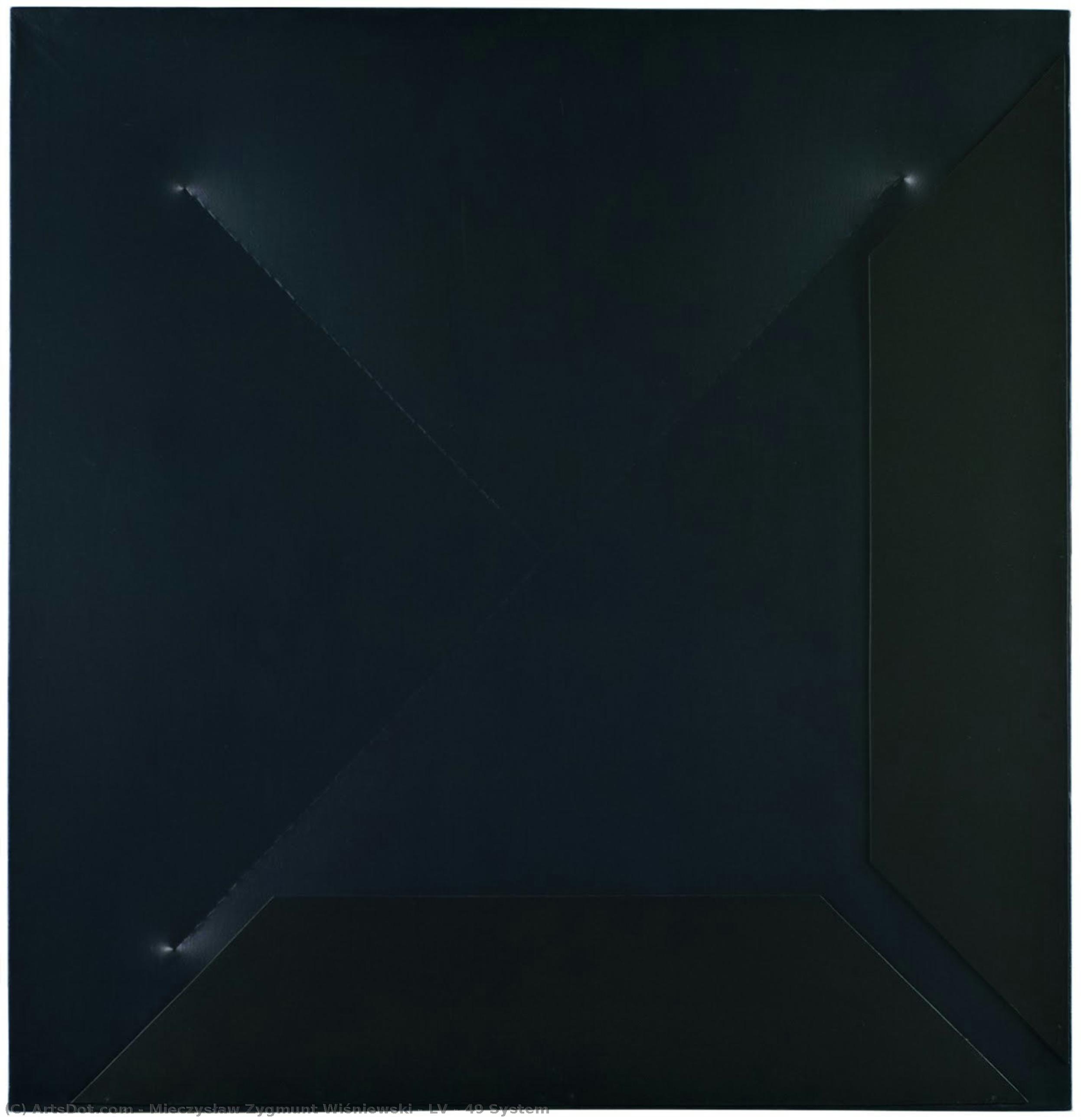
LV - 49 System
 Painting
- Abstract Geometric
 Modern
 101.0 x 106.0 cm
 Centre of Contemporary Art Znaki Czasu
 詳細を見る
詳細を見る




































作品のオリジナル比率に合わせた、当店の規定サイズからお選びください。

特定のフレームやスペースに合わせて、ご希望のサイズをご入力いただけます。選択されたサイズが元の画像の比率と異なる場合、アートワークをトリミングするか、手描きで要素を追加して絵画を拡張いたします。デジタルモックアップ を制作し、制作開始前にご確認(承認)をいただきます。
画面上のプレビューは、実際のトリミングや拡張を正確に反映しているものではありません。最終的な構図は、モックアップによってのみ正確にご確認いただけます。
カスタムサイズもご利用いただけますが、元の比率を維持するためには、あらかじめ用意されたリストからサイズを選択することをお勧めいたします。
ご注文後、ArtsDot.com チームより詳細な指示をお送りするとともに、仕上がりイメージ(モックアップ)をご提供いたします。


 ガラスオプションは、110cm未満のサイズでのみご利用いただけます。

LV - 49 System
複製技法
複製画のサイズ
-


合計金額
$ 263
A Symphony of Shadow and Structure
In the quiet, profound depths of LV - 49 System, the viewer is invited into a realm where light and darkness engage in a delicate, sculptural dance. This extraordinary abstract work by Mieczysław Zygmunt Wiśniewski transcends the traditional boundaries of two-dimensional painting, offering instead a tactile experience that challenges our perception of space. The composition is anchored by a deep, monochromatic palette of midnight blues and obsidian blacks, creating an atmosphere of intense introspection and mystery. At first glance, the eye is drawn to the central geometric motif—an incomplete 'X' that seems to emerge from the shadows, flanked by trapezoidal forms at the periphery. These shapes do not merely sit upon the surface; they appear to be carved from the very darkness itself, providing a sense of structural order within an otherwise nebulous void.
The true brilliance of this piece lies in its revolutionary technique, which bridges the gap between painting and relief sculpture. Utilizing a specialized, authorial design of a painting loom, Wiśniewski was able to manipulate the canvas itself, using additional cross-boards to push the fabric outward. This creates a series of convexities and geometric distortions that transform the flat surface into a three-dimensional landscape. As light moves across the work, it catches the raised edges, creating brilliant highlights that contrast sharply with the deep, matte shadows tucked within the folds. For the discerning collector or interior designer, this interplay of texture and light ensures that the artwork remains dynamic, changing its character depending on the time of day and the angle of illumination in a room.
Beyond its physical presence, LV - 49 System carries a heavy emotional resonance. The choice of an incomplete 'X' serves as a powerful symbol of potentiality and the beauty found in fragmentation. There is a tension held within these geometric lines—a push and pull between the stability of the square format and the kinetic energy of the protruding canvas. This piece does not merely decorate a space; it commands it, offering a focal point that encourages quiet contemplation. It is an ideal acquisition for those seeking to introduce a sense of modern sophistication and intellectual depth to a contemporary interior, providing a sophisticated anchor for minimalist or avant-garde design schemes.
To possess a reproduction of such a complex work is to bring a piece of Polish modernist history into the home. Wiśniewski, an artist whose life was as multifaceted as his art, mastered the ability to evoke the sublime through geometric precision. This painting stands as a testament to his ability to find movement within stillness and form within the void, making it a timeless treasure for any serious lover of abstract expressionism.
関連作品
アーティストの略歴
Mieczysław Zygmunt Wiśniewski: A Polish Artist Bridging Sport and Symbolism
Mieczysław Zygmunt Wiśniewski, born in Monterazyska, Poland in 1892 and tragically passing away in Kraków in 1952, remains a fascinating figure – an artist whose life was unexpectedly intertwined with the world of professional football. While his athletic career as a goalkeeper for Wisła Kraków is well-documented, it’s his artistic output that truly reveals a complex and evocative sensibility. Wiśniewski's work, often characterized by a unique blend of Symbolist and Realist approaches, offers glimpses into the Polish cultural landscape of the early 20th century, reflecting both its historical weight and burgeoning modernism. His paintings aren’t merely representations; they are imbued with a quiet intensity and a subtle exploration of human experience.Early Life and Sporting Beginnings
Wiśniewski's life began in Monterazyska, a small village that likely shaped his early worldview. Beyond his athletic pursuits – he was a key member of the Polish national football team at the 1924 Summer Olympics in Paris – there’s limited information readily available about his formative years as an artist. It’s believed he initially pursued a career in sports, dedicating himself to Wisła Kraków before transitioning fully into artistic endeavors. This dual existence—a professional footballer and a developing artist—suggests a life lived with a keen awareness of both physical prowess and aesthetic expression. The transition from the competitive field to the canvas reveals an individual who sought to capture moments and emotions through different mediums, each demanding a distinct set of skills and perspectives.Artistic Style and Recurring Themes
Wiśniewski’s artistic style is immediately recognizable for its rich color palettes and expressive forms. He frequently employed Symbolist techniques, utilizing muted tones and suggestive imagery to evoke deeper emotional responses in the viewer. However, his work isn't solely reliant on symbolic abstraction; he skillfully integrated elements of Realism, grounding his compositions with meticulous detail and a palpable sense of presence. Recurring themes in his paintings often revolve around mortality – frequently depicted through still lifes featuring skulls – alongside explorations of faith, history, and the human condition. The “Still Life with a Skull” (a work reminiscent of Simon Luttichuijs’ style) exemplifies this duality, presenting a stark reminder of life's fragility within a carefully constructed composition. His depiction of historical figures, such as Jan Matejko’s "Copernicus in the Tower at Frombork," demonstrates an interest in Polish heritage and intellectual achievement.Notable Works and Exhibitions
Wiśniewski's artwork has been exhibited across Poland, gaining recognition within both academic and popular circles. Significant works include his interpretation of Hans Memling’s “The Last Judgment” (a triptych), which showcases a masterful understanding of religious symbolism and composition. His painting "Copernicus in the Tower at Frombork," inspired by Jan Matejko's historical masterpiece, highlights his ability to capture the spirit of Polish intellectual history. Furthermore, his exploration of themes like faith and mortality is evident in works such as “Conversations with God,” a piece that speaks volumes about the artist’s personal reflections on spirituality. His paintings have been featured at museums including the National Museum in Kraków and the Museum Pomorskie, solidifying his place within Polish artistic history.Legacy and Influences
Wiśniewski's artistic journey was undoubtedly shaped by the prominent figures of Polish Symbolism, particularly Stanisław Wyspiański and Olga Boznańska. Their emphasis on emotional depth, social commentary, and innovative use of form likely influenced his own approach to painting. Beyond these direct influences, Wiśniewski’s work reflects a broader cultural context—a Poland grappling with its identity in the wake of historical upheaval and seeking to forge a modern artistic voice. His legacy extends beyond individual works; he represents a bridge between sport and art, demonstrating how seemingly disparate passions can converge to create a unique and compelling artistic vision. His continued presence on platforms like ArtsDot.com ensures that his work remains accessible and appreciated by a wider audience, preserving his contribution to Polish art history for generations to come.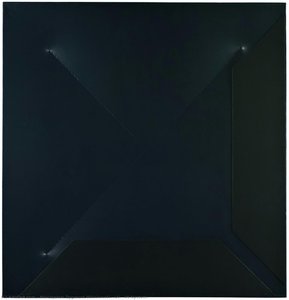
mieczysław zygmunt wiśniewski
1892 - 1952 , Poland
基本情報
- Artistic Movement Or Style: Symbolist & Realist
- Artists Or Movements Influenced By This Artist: ['Artur Shyk']
- Artists Who Influenced This Artist:
- Stanisław Wyspiański
- Olga Boznańska
- Date Of Birth: 1892-11-23
- Date Of Death: 1952-10-10
- Full Name: Mieczysław Zygmunt Wiśniewski
- Nationality: Polish
- Notable Artworks:
- Still life with a skull
- (Triptych) The Last Judgment
- Copernicus in the tower
- Place Of Birth: Monterazyska, Poland
関連記事

幾何学的抽象絵画を定義した傑作10選|アート、アーティスト、インテリア装飾
モンドリアン、マレーヴィチ…幾何学的抽象絵画を代表する傑作10選。各作品の背景や色彩構成、アーティストの情熱に迫ります。美術館品質の複製画はArtsDot.comで。オンラインでアートコレクションをご覧ください。

Slate Blue Masterpieces: 10 Iconic Paintings & Timeless Home Decor Ideas
Immerse yourself in the captivating world of slate blue! Explore 10 iconic paintings by Monet, Van Gogh & Renoir. Discover their stories, techniques & find museum-quality art reproductions for your home at .

Kandinsky's Masterpieces: 25 Paintings That Define Abstract Art | ArtsDot
Journey through Wassily Kandinsky's 25 most iconic abstract paintings. Explore his revolutionary use of color, form & spiritual expressionism. Find museum-quality Kandinsky reproductions and elevate your home decor with ArtsDot.com. Discover all masterpieces on ArtsDot.com!
Beyond Form & Color: Geometric Abstraction's Evolution in 20th/21st Century Art
Explore the evolution of geometric abstraction from Cubism to contemporary art. Discover key artists like Malevich & Mondrian, investment insights, and expert collecting advice at ArtsDot.
Beyond Form & Color: Geometric Abstraction's Enduring Legacy in Art History
Explore the captivating world of geometric abstraction! Discover its origins, key artists like Malevich & Mondrian, and why this movement remains highly valued by art collectors today. Expert insights at ArtsDot.