

 プレビュー
プレビュー
 プリントを購入
 シェアする
シェアする シェアする
シェアする
 詳細を見る
詳細を見る

 ダウンロード
 似ている作品
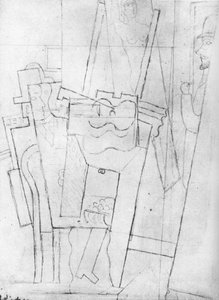
 X線調査
X線調査 スライドショー
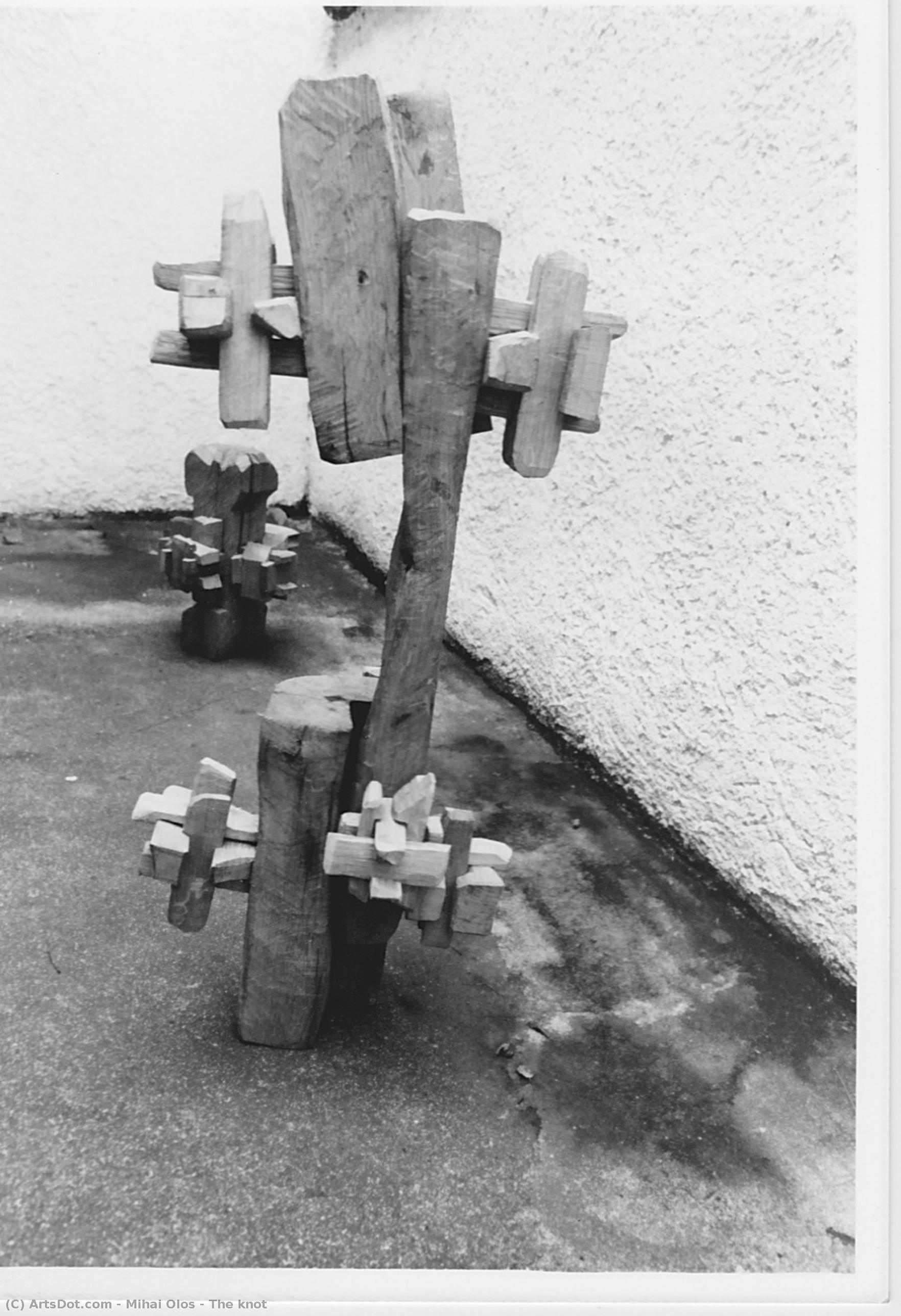
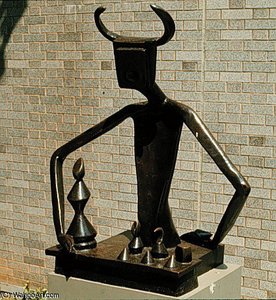
The knot

 詳細を見る
詳細を見る




































作品のオリジナル比率に合わせた、当店の規定サイズからお選びください。

特定のフレームやスペースに合わせて、ご希望のサイズをご入力いただけます。選択されたサイズが元の画像の比率と異なる場合、アートワークをトリミングするか、手描きで要素を追加して絵画を拡張いたします。デジタルモックアップ を制作し、制作開始前にご確認(承認)をいただきます。
画面上のプレビューは、実際のトリミングや拡張を正確に反映しているものではありません。最終的な構図は、モックアップによってのみ正確にご確認いただけます。
カスタムサイズもご利用いただけますが、元の比率を維持するためには、あらかじめ用意されたリストからサイズを選択することをお勧めいたします。
ご注文後、ArtsDot.com チームより詳細な指示をお送りするとともに、仕上がりイメージ(モックアップ)をご提供いたします。


 ガラスオプションは、110cm未満のサイズでのみご利用いただけます。

The knot
複製技法
複製画のサイズ
-


合計金額
$ 263
アーティストの略歴
Mihai Olos: Architect of the Universal City
Born in Ariniș, Romania, in 1940, and tragically passing away in Amoltern, Germany, in 2015, Mihai Olos was more than just an artist; he was a visionary architect of ideas, a conceptual explorer deeply rooted in the traditions of his native Maramureș while simultaneously embracing the dynamism of modern art. His life’s work can be understood as a relentless pursuit of bridging the gap between ancient folk culture and contemporary artistic expression, culminating in his ambitious and profoundly original concept – Olospolis – a theoretical city designed to embody universal principles through modular construction and symbolic resonance.
Olos' early years were steeped in the rich cultural heritage of Maramureș, a region renowned for its distinctive wooden churches. These structures, built without nails using intricate interlocking joints, profoundly influenced his artistic sensibility. He was particularly fascinated by the ‘spindle-head,’ a miniature representation of these nail-less junctions, recognizing within it a fundamental principle of structural integrity and harmonious design. This fascination led him to transform this humble element into a core module for his grand vision – Olospolis – a city conceived not as a collection of buildings but as an interconnected system reflecting the inherent order and balance found in nature and traditional craftsmanship.
Early Artistic Development & The Neo-Avantgarde
Initially recognized for his vibrant color palettes and skillful execution in early paintings, Olos gradually shifted his focus towards exploring form and material. His work began to incorporate elements of constructivism, reflecting the broader artistic trends of the 1970s in Romania. He quickly gained attention within the Romanian neo-avantgarde scene, particularly through his happenings and performances, which often involved direct engagement with the public and a deliberate disruption of conventional art practices. These early endeavors established him as a provocative figure challenging established norms and pushing the boundaries of artistic expression.
A pivotal moment in his career arrived with his 1969 solo exhibition in Rome, where one of his silver-medaled sculptures found its home within the Fuji Museum collection in Tokyo. This international recognition was further solidified by the appreciation of American Brâncuși scholar Athena Tacha Spear, who recognized in Olos’s work a kinship with the legendary sculptor's pursuit of essential forms and universal symbols. The true breakthrough, however, came through Joseph Beuys’ endorsement. During a seminar at the Free University of Kassel in 1977, Olos presented his concept of the Universal City, sketching his crucial module on a blackboard. Beuys, deeply impressed by the clarity and ambition of the idea, included this drawing within his influential ‘Das Kapital’ exhibition at the 1980 Venice Biennale, effectively catapulting Olos onto the international stage.
Olospolis: A Theoretical City & Artistic Manifestation
At the heart of Olos' oeuvre lies the concept of Olospolis – a utopian city designed as a physical manifestation of his philosophical and artistic principles. This wasn’t merely a design project; it was a complex theoretical framework exploring the relationship between architecture, culture, and human experience. He envisioned a modular system based on the spindle-head joint, representing a harmonious balance between tradition and innovation. He translated this concept into various forms – paintings, sculptures, drawings, and even performance pieces – each serving as a component of the larger Olospolis vision.
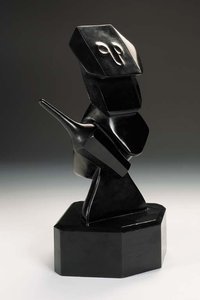
The ‘Knot,’ a recurring motif in his work, embodies this principle of interconnectedness. Derived from traditional folk art, the Knot represents unity, balance, and infinite possibilities through its intricate network of interwoven elements. Olos explored the Knot’s potential across multiple mediums, demonstrating its versatility as a fundamental building block for both sculptural and painterly compositions. His exploration of the Knot is not merely aesthetic; it's a demonstration of how seemingly simple forms can hold complex symbolic weight.
Legacy & Recognition
Mihai Olos’s journey beyond Romania was marked by continued experimentation and recognition. His six-month teaching stint at the Justus Liebig University in Giessen, coupled with successful performances, solo exhibitions in Wickstadt and Giessen, and later engagements in the Netherlands, allowed him to cultivate a wider audience for his work and ideas. The political turmoil following 1989 in Romania further fueled his desire to share his vision with the world.
In recent years, Olos’s work has garnered renewed interest, culminating in a comprehensive exhibition at the National Museum of Contemporary Art in Bucharest (2016-2017) and subsequent shows at prestigious venues like the Brâncuși Workshop at the Pompidou Center in Paris (2018). Despite his reluctance to sell during his lifetime, a significant number of private and state collections now hold his work, with ongoing efforts to increase visibility through international art fairs. The increasing interest from museums and collectors signals a growing appreciation for Olos’s unique contribution to the landscape of contemporary art – an architect of ideas who dared to envision a universal city built on the foundations of tradition and innovation.
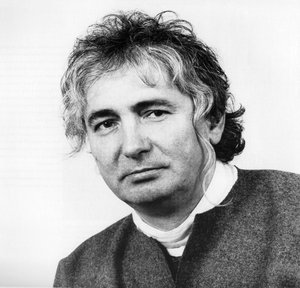
Mihai Olos
1940 - 2015 , Romania
基本情報
- Artistic Movement Or Style: Conceptual art, Constructivism
- Artists Or Movements Influenced By This Artist: ['Joseph Beuys']
- Artists Who Influenced This Artist: ['Constantin Brâncuși']
- Date Of Birth: Feb 26, 1940
- Date Of Death: Feb 22, 2015
- Full Name: Mihai Olos
- Nationality: Romanian
- Notable Artworks: ['The Knot']
- Place Of Birth: Ariniș, Romania
関連記事

Bronze Sculptures That Defined Art History | ArtsDot
Journey through art history with our Top 10 bronze sculptures! Explore masterpieces by Rodin, Michelangelo & more. Discover stories behind iconic statues and find museum-quality reproductions for your home decor at ArtsDot.com.

The Enduring Form: Exploring Themes & Techniques in Sculpture Across Historical Periods
Explore the rich history of sculpture from ancient masterpieces to contemporary innovations. Discover key techniques, influential artists & investment potential for discerning art collectors.

Bronze Age to Modern Masters: 10 Sculptures That Redefined Art | ArtsDot
Journey through art history with 10 legendary bronze sculptures – from Michelangelo's David to Rodin’s Thinker. Explore the stories, techniques & timeless beauty of these masterpieces. Find museum-quality reproductions & elevate your home decor on ArtsDot.com.

Dark Masterpieces: 10 Iconic Paintings Dominated by Black Tones |
Explore 10 iconic paintings dominated by black tones, from Rembrandt’s chiaroscuro to Goya's dark expressions. Discover the stories behind these masterpieces & find museum-quality art reproductions for your home at .

The Enduring Form: Sculpture Across History, Technique & Emotional Resonance
Explore the rich history of sculpture with ArtsDot. Discover key techniques, influential artists & investment potential for discerning collectors. Expert insights into valuing and collecting timeless masterpieces.