

 プレビュー
プレビュー
 シェアする
シェアする シェアする
シェアする
 詳細を見る
詳細を見る

 ダウンロード
 似ている作品
 X線調査
X線調査 スライドショー
 Stats
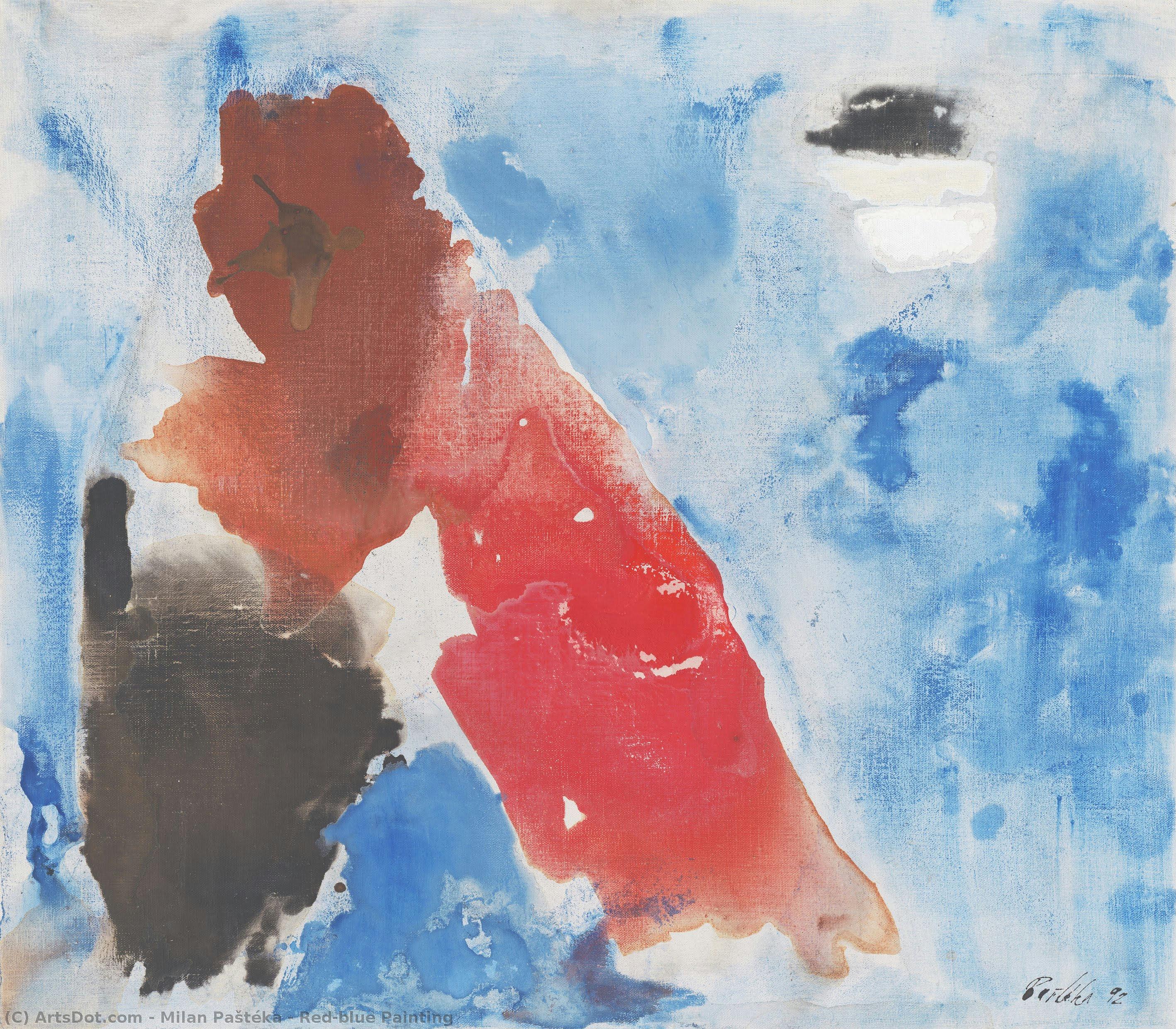
StatsRed-blue Painting
 Painting
- Abstract Expressionism
 Modern
 80.0 x 70.0 cm
 Kysuce Gallery
 詳細を見る
詳細を見る
オンラインプレビューをはるかに凌ぐ、高解像度で鮮明なデジタル画像をご購入いただけます。
各ファイルは、社内の専門家が高度なツールと熟練した手作業によるレタッチを用いて、細心の注意を払って準備されています。すべての画像において、卓越した鮮明度、正確な色彩再現性、そして繊細なディテールを保証いたします。
最終ファイルは、プロフェッショナルな編集・印刷環境ですぐにご利用いただけるよう最適化された状態で、72時間以内にメールにてお届けいたします。これは、一流のデザインスタジオ、出版社、ギャラリーから信頼されているものと同等の品質です。
デジタルアート
個人での鑑賞、印刷、クリエイティブなプロジェクト用に、高解像度ファイルをダウンロードできます。 ( Switch to Print 手描きの絵画を購入)
デジタル画像のご注文に付随する特典
高品質なデジタル画像配信を、確かな品質で。
ArtsDot.com を選ぶことは、単に画像を手に入れることではありません。それは、プロの手によって精密に仕上げられ、満足保証が付いた高品質なデジタルアートワークを受け取ることを意味します。ご注文いただいた際に自動的に付随する内容は、以下の通りです:

メールですぐにお届け
ご注文から72時間以内に、高解像度のデジタル画像ファイルがメールでお手元に届きます。すぐにそのままご利用いただけます。

AI技術で最適化されたデジタルファイル
お客様の作品は、高度なAIツールと専門家による手作業の編集を組み合わせてプロフェッショナルに最適化されており、細部のディテール、鮮明さ、そして正確な色再現性を最大限に引き出しています。

一生涯無料の再送サービス
ファイルを誤って削除したり、紛失してしまったりしましたか?ご安心ください。いつでも無料で再送いたします。

輸入手数料は一切かかりません
関税や手数料、配送料を気にすることなく、お気に入りのアートワークをすぐにお楽しみいただけます。デジタルダウンロードは常に免税です。

色彩再現の保証
プロ仕様のツールとカラーマネジメント技術を用いることで、デジタル画像が元の色を最大限に忠実に再現することを保証いたします。

100日間満足保証
ご購入いただいたデジタル画像にご満足いただけない場合は、100日以内であれば、理由を問わず修正または100%の返金対応をさせていただきます。

100% 返金保証
ご満足いただけない場合は、デジタルファイルを受け取ってから100日以内であれば、理由を問わず全額返金いたします。

まとめ買い割引
3枚購入で10%OFF - 5枚購入で15%OFF - 10枚以上購入で20%OFF。クリエイティブなプロジェクト、ギャラリー、エージェンシーに最適です。
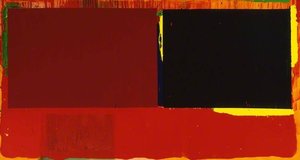
A Symphony of Color and Chaos: Exploring Milan Paštéka’s Red-blue Painting
In the realm of abstract expressionism, few works capture the visceral tension between tranquility and turbulence as effectively as Milan Paštéka’s Red-blue Painting. This evocative piece serves as a profound meditation on the interplay of opposing forces, utilizing a striking palette of crimson, deep azure, and ethereal white to command the viewer's attention. At first glance, the canvas presents a dynamic composition where colors do not merely sit side by side but actively collide and bleed into one another. The central figure, an elongated and ambiguous form, acts as a structural anchor amidst the swirling chromatic storm, suggesting a human presence or perhaps a landscape feature caught in a moment of metamorphosis. It is a work that refuses to be static, inviting the eye to wander through its textured layers and discover new depths within its fluid boundaries.
The technique employed by Paštéka reveals a masterly command over the physical properties of paint. There is a palpable sense of movement achieved through what appears to be both delicate watercolor-like washes and thick, impasto applications that lend the surface a tactile, sculptural quality. This duality creates a fascinating rhythmic pulse; where the red tones burn with an intense, almost aggressive vitality, the blue passages offer a cooling, contemplative respite. The white elements drift through the composition like celestial clouds or light breaking through a storm, providing much-needed breath and lightness to the denser, more saturated regions of the canvas. This deliberate manipulation of texture and transparency ensures that the painting remains visually stimulating from every angle, making it an exceptional centerpiece for any sophisticated interior.
To understand the emotional resonance of this work, one must consider the artistic lineage of Milan Paštéka himself. Born in Trenčín and trained under the giants of Slovak modernism, Paštéka was deeply influenced by the synthesis of tradition and avant-garde experimentation. His ability to translate complex psychological states into abstract forms allows Red-blue Painting to transcend mere decoration. The piece functions as a window into the subconscious, where the "glitch-like" blending of colors evokes the fragmentation of memory or the chaotic beauty of natural phenomena. For the collector or interior designer, this painting offers more than just aesthetic appeal; it provides an emotional atmosphere of profound introspection and energy.
Integrating such a powerful work into a curated space can transform the very character of a room. Whether placed in a minimalist contemporary gallery setting or used to add a bold, soulful accent to a classic study, the painting’s ability to evoke spontaneous emotion is unparalleled. It stands as a testament to the enduring power of abstract expressionism—a genre that seeks not to replicate reality, but to capture the very essence of feeling. Owning a reproduction of this masterpiece allows one to bring a piece of Slovak modern art history into the home, fostering a daily encounter with the sublime and the unexpected.
関連作品
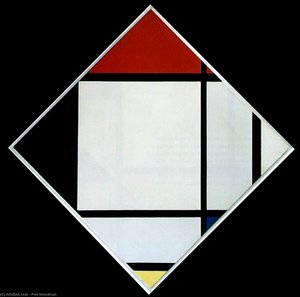
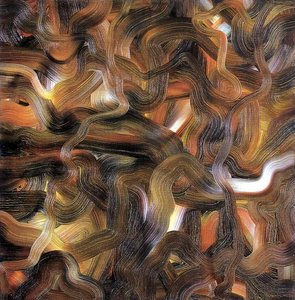
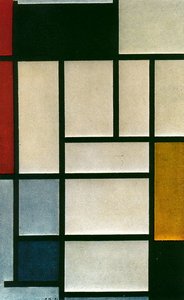
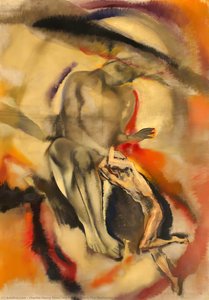

作家の略歴
Early Life and Artistic Foundations
Milan Paštéka, a name resonant within the landscape of Slovak modern painting, was born in Trenčín in 1931. His formative years were steeped in a familial atmosphere that initially steered him toward mathematics—his father being among the pioneers of Slovak mathematical thought. However, the pull of artistic expression proved too strong to resist. Paštéka defied expectations and embarked on his studies at the Academy of Fine Arts in Bratislava, a pivotal decision that would shape the course of his life and contribute significantly to the evolving narrative of Slovak art. He initially found mentorship under Ľudovít Fulla, a leading figure in Slovak modernism known for his synthesis of folk art traditions with avant-garde principles. This early influence instilled in Paštéka an appreciation for national identity interwoven with universal artistic concerns. A subsequent shift to the studio of Ján Želibský further refined his technical skills and broadened his understanding of abstract forms, setting the stage for his unique artistic voice.The Mikuláš Galanda Group and a Focus on Human Existence
Paštéka’s artistic trajectory took a defining turn with his membership in the influential Mikuláš Galanda Group, founded in 1957. This collective of artists represented a powerful force within Slovak art, united by a shared commitment to humanist values and a rejection of socialist realism. The group's ethos centered on exploring the human condition—its vulnerabilities, its aspirations, and its relationship with the surrounding world. Within this context, Paštéka’s work began to coalesce around a central theme: the representation of the human being in relation to space. He wasn’t interested in depicting figures as isolated entities but rather as integral components of a larger cosmic order. His paintings often feature simplified forms and muted palettes, creating an atmosphere of contemplation and existential questioning. The influence of Fulla's folk art sensibility remained present, though transformed into a more abstract language that prioritized emotional resonance over literal representation.Development of Style and Key Characteristics
Throughout the 1960s and 70s, Paštéka’s style matured, characterized by a distinctive blend of abstraction and figuration. His canvases are not entirely devoid of recognizable forms; rather, they present fragmented figures or suggestive shapes that evoke human presence without explicitly defining it. Space itself becomes a crucial element in his compositions—not merely as a backdrop but as an active force shaping the narrative. He employed a restrained color palette, often dominated by earth tones and subtle variations of gray, which contributes to the somber yet deeply moving quality of his work. The application of paint is typically deliberate and controlled, emphasizing texture and form over flamboyant brushwork. Works like “Walkers” and “Leaving” exemplify this approach—figures are reduced to essential outlines, their movements suggesting a sense of displacement or searching. "Couple" showcases the artist's ability to convey intimacy through minimalist forms.Later Years and Legacy
Paštéka continued to exhibit his work throughout the latter half of the 20th century, solidifying his position as a leading figure in Slovak art. He passed away in 1998 in Voznica, leaving behind a body of work that continues to inspire and provoke reflection. His paintings are held in numerous public and private collections across Slovakia and beyond. Paštéka’s historical significance lies not only in his artistic achievements but also in his unwavering commitment to humanist principles during a period marked by political constraints and ideological pressures. He was part of a generation of artists who sought to preserve individual expression and explore universal themes of existence, identity, and belonging.- Influences: Ľudovít Fulla, Ján Želibský, Slovak folk art traditions.
- Key Themes: Human connection to space, existentialism, the human condition, abstraction and figuration.
- Notable Groups: Mikuláš Galanda Group.
- Paštéka’s work offers a poignant meditation on the complexities of human existence—a testament to the enduring power of art to transcend boundaries and connect us to something larger than ourselves.

milan paštéka
1931 - 1998 , Slovakia
プロフィール概要
- Artistic Movement Or Style: Abstract painting
- Artists Who Influenced This Artist:
- Ľudovít Fulla
- Ján Želibský
- Date Of Birth: 1931
- Date Of Death: 1998
- Full Name: Milan Paštéka
- Nationality: Slovak
- Notable Artworks:
- Walkers
- Leaving
- Couple
- Place Of Birth: Trenčín, Slovakia